As solar energy adoption continues to accelerate globally, homeowners and businesses alike are focusing on energy independence and sustainability. A critical component in maximizing the benefits of solar power is energy storage. Choosing the best battery for solar storage is essential to ensure reliability, longevity, and efficiency of your solar system. With the rapid evolution of battery technology, there are multiple chemistries available on the market today, each with its advantages and limitations. This article provides a comprehensive guide to understanding the leading options for solar energy storage in 2025, comparing lithium iron phosphate (LiFePO₄), lead-acid, and other emerging technologies.
Understanding Solar Energy Storage
Solar energy storage allows homeowners and businesses to store excess electricity generated during sunny periods for use during nights, cloudy days, or peak demand times. This storage capability is particularly crucial for off-grid systems or regions with inconsistent grid reliability. To achieve optimal performance, selecting the best battery for solar storage involves evaluating multiple factors: capacity, cycle life, depth of discharge, efficiency, cost, and environmental impact.
Energy storage systems are increasingly integrated with smart energy management systems, ensuring the stored power is used efficiently and prolonging the lifespan of the battery. The performance of a solar energy system is heavily influenced by the type of battery chosen. Therefore, understanding the technical differences between battery chemistries can guide users toward the most suitable solution.
Key Factors to Consider in Choosing the Best Battery for Solar Storage
When deciding on the best battery for solar storage, there are several crucial criteria to evaluate:
Energy Density
Energy density refers to how much energy a battery can store relative to its size or weight. High energy density batteries allow for compact installations without sacrificing capacity, which is particularly important for residential or urban solar systems with limited space.
Cycle Life
Cycle life is the number of charge and discharge cycles a battery can undergo before its capacity drops below a usable level. A long cycle life reduces the frequency of replacements and improves long-term cost-effectiveness.
Depth of Discharge (DoD)
The DoD indicates how much of the battery’s total capacity can be safely used. Batteries with higher DoD allow for more efficient utilization of stored energy, which is a key factor for off-grid applications.
Efficiency
Round-trip efficiency is the percentage of energy retained after a complete charge and discharge cycle. Higher efficiency means less energy loss during storage and retrieval.
Cost
While upfront cost is important, the total cost of ownership—including maintenance, replacement frequency, and efficiency losses—should guide your decision in selecting the best battery for solar storage.
Safety and Environmental Impact
Batteries should be safe for household or commercial environments and comply with environmental standards. Some chemistries are prone to thermal runaway or require special disposal methods, which can affect long-term sustainability.
Lithium Iron Phosphate (LiFePO₄) Batteries
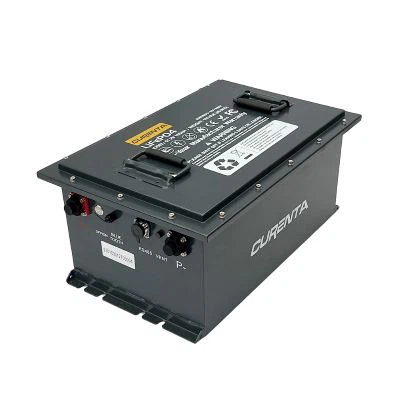
Lithium iron phosphate (LiFePO₄) batteries are currently among the most popular choices for solar energy storage, especially in 2025. They offer a balance of performance, safety, and longevity that makes them suitable for both residential and commercial solar installations.
Advantages of LiFePO₄ Batteries
Long Cycle Life: LiFePO₄ batteries can often achieve 3,000–5,000 cycles or more at 80% depth of discharge. This longevity makes them an excellent candidate for homeowners seeking a long-term investment in solar energy storage.
High Efficiency: These batteries boast round-trip efficiency rates of 95% or higher, meaning minimal energy loss during charging and discharging cycles.
Safety: Unlike other lithium chemistries such as LiCoO₂, LiFePO₄ is thermally and chemically stable, reducing the risk of overheating or fire.
Lightweight and Compact: LiFePO₄ batteries have a higher energy-to-weight ratio than lead-acid batteries, enabling easier installation in homes and compact energy storage systems.
Maintenance-Free: LiFePO₄ does not require regular water topping or equalization, unlike traditional lead-acid batteries.
Limitations
Higher Upfront Cost: While the total cost of ownership is lower in the long run, LiFePO₄ batteries generally have a higher initial price compared to lead-acid batteries.
Temperature Sensitivity: Performance can degrade in extremely cold environments unless equipped with a battery management system (BMS) and thermal management.
Given their robust performance, LiFePO₄ batteries are frequently cited as the best battery for solar storage in 2025 for residential and off-grid systems, providing a reliable balance of efficiency, longevity, and safety.
Lead-Acid Batteries
Lead-acid batteries, including both flooded and sealed (AGM or gel) variants, have been a mainstay in solar energy storage for decades. While newer technologies are gaining popularity, lead-acid batteries still remain relevant for certain applications due to their low upfront cost and wide availability.
Advantages of Lead-Acid Batteries
Cost-Effective Initial Investment: Lead-acid batteries are often cheaper upfront, making them attractive for budget-conscious solar projects.
Proven Technology: With decades of widespread use, lead-acid batteries have a well-understood performance profile and established recycling infrastructure.
High Surge Current Capability: These batteries can deliver high burst currents, useful for certain industrial or backup power applications.
Limitations
Shorter Cycle Life: Typically, lead-acid batteries offer 500–1,000 cycles at 50% depth of discharge. This shorter lifespan translates to more frequent replacements and potentially higher long-term costs.
Low Depth of Discharge: To maximize battery life, users are generally limited to 50% DoD, reducing effective usable capacity.
Maintenance Requirements: Flooded lead-acid batteries require regular water topping and monitoring, which adds operational complexity.
Efficiency: Round-trip efficiency ranges from 75–85%, lower than LiFePO₄, leading to more energy loss during storage.
While lead-acid batteries can still be a viable choice for certain off-grid or budget-conscious applications, they are increasingly being surpassed by LiFePO₄ batteries as the best battery for solar storage in modern installations.
Other Emerging Battery Chemistries
In addition to LiFePO₄ and lead-acid, several other battery technologies are making inroads into the solar energy storage market in 2025.
Lithium Nickel Manganese Cobalt Oxide (NMC)
NMC batteries offer high energy density and are commonly used in electric vehicles. For solar storage, they provide:
High Energy Density: Allows for smaller, more compact storage systems.
Moderate Cycle Life: Typically around 2,000 cycles at 80% DoD.
Higher Risk: NMC batteries have a greater risk of thermal runaway compared to LiFePO₄, requiring sophisticated BMS and cooling systems.
While NMC batteries are promising, their safety profile and cost often make LiFePO₄ the preferred option for stationary solar storage applications.
Sodium-Ion Batteries
Sodium-ion technology is emerging as a sustainable alternative to lithium, using more abundant and environmentally friendly raw materials.
Advantages: Low cost, environmentally benign materials, and comparable energy density to lead-acid batteries.
Limitations: Currently, cycle life and efficiency lag behind LiFePO₄, making them less suitable as the best battery for solar storage for high-performance applications.
Flow Batteries
Flow batteries, including vanadium redox flow batteries, offer unique advantages:
Scalability: Can be easily scaled for large solar farms.
Long Lifespan: Often exceeding 10,000 cycles.
Complexity: Require pumps, tanks, and plumbing, making them more suitable for commercial or utility-scale solar storage rather than residential systems.
Comparing Battery Types for Solar Storage
| Feature | LiFePO₄ | Lead-Acid | NMC | Sodium-Ion | Flow Batteries |
|---|
| Cycle Life | 3,000–5,000 | 500–1,000 | 2,000 | 1,500–2,000 | 10,000+ |
| Depth of Discharge | 80–100% | 50% | 80% | 80% | 90–100% |
| Round-Trip Efficiency | 95% | 75–85% | 90–95% | 80–90% | 70–85% |
| Safety | High | Medium | Medium | High | High |
| Maintenance | Low | High | Medium | Low | Medium |
| Cost | High upfront | Low upfront | High | Medium | High |
| Suitability | Residential & Off-Grid | Budget/Backup | Residential/EV Integration | Emerging | Utility/Commercial |
This comparison highlights why LiFePO₄ batteries are often considered the best battery for solar storage in 2025 for most home and off-grid applications.
Installation Considerations
Regardless of battery type, proper installation is critical for optimal performance. Key considerations include:
Battery Management System (BMS): Ensures safe operation by monitoring voltage, temperature, and state of charge.
Temperature Control: Batteries perform best within certain temperature ranges. LiFePO₄ batteries benefit from mild climate control, while lead-acid can tolerate a wider range.
Proper Sizing: Oversizing or undersizing the battery bank can reduce efficiency and lifespan. Accurate load calculations help determine the ideal storage capacity.
Integration with Inverters: Ensure compatibility with solar inverters, particularly if using hybrid or off-grid systems.
Ventilation and Safety: Lead-acid batteries produce gases that require proper ventilation. LiFePO₄ batteries are safer but still need careful handling.
Cost vs. Long-Term Value
While upfront cost is often the first consideration, evaluating the best battery for solar storage requires examining the total cost of ownership. Factors include:
Replacement frequency: LiFePO₄’s long cycle life reduces the need for replacements.
Maintenance: LiFePO₄ is largely maintenance-free, while lead-acid batteries require regular attention.
Efficiency losses: High-efficiency batteries ensure that more of your solar energy is stored and available for use, improving return on investment.
Safety and warranty: Many LiFePO₄ systems offer extended warranties, adding long-term security.
Over a 10–15 year lifespan, LiFePO₄ batteries often provide a lower total cost of ownership despite higher upfront costs, reinforcing their position as the best battery for solar storage.
Conclusion: Choosing the Best Battery for Solar Storage in 2025
Selecting the best battery for solar storage in 2025 requires balancing performance, cost, safety, and longevity. While lead-acid batteries remain a cost-effective choice for some budget installations, their limitations in cycle life, efficiency, and depth of discharge make them less suitable for long-term solar energy storage.
LiFePO₄ batteries stand out for residential and off-grid solar systems due to their exceptional cycle life, high efficiency, safety, and minimal maintenance requirements. Emerging technologies like sodium-ion and flow batteries may offer compelling options for the future, but they currently serve niche or utility-scale applications.
For homeowners, small businesses, and off-grid enthusiasts seeking reliable, safe, and long-lasting energy storage, LiFePO₄ batteries consistently deliver superior performance, making them the clear best battery for solar storage in 2025.

 English
 German
 Czech
Czech French
 Italian
 Hungarian
 Russian
 Japanese
 Korean
 Arabic
 Spanish
 Portuguese
 Danish

 WhatsApp