As renewable energy adoption continues to accelerate worldwide, businesses, industrial facilities, commercial buildings, and even residential users are facing a common challenge: how to store energy efficiently and use it when it is needed most. Solar panels and wind turbines generate clean electricity, but their output fluctuates based on weather conditions, seasonal changes, and energy demand patterns.
This is where a renewable energy storage system becomes an essential component of modern energy infrastructure. Rather than allowing excess renewable electricity to go unused, energy storage technologies capture surplus power and make it available during peak demand periods, grid outages, or times of low renewable generation.
For organizations looking to improve energy efficiency, reduce operating costs, and increase energy independence, understanding how renewable energy storage works is critical for making informed investment decisions.
Why Renewable Energy Storage Matters
Renewable energy sources such as solar and wind offer significant environmental and economic benefits. However, they are inherently intermittent.
For example:
Solar power generation decreases at night and during cloudy weather.
Wind energy production varies according to wind conditions.
Energy demand often peaks when renewable generation is low.
Grid instability can affect power quality and availability.
A renewable energy storage system addresses these challenges by storing excess electricity and releasing it when required. This improves energy utilization, enhances grid stability, and ensures a more reliable power supply.
For many businesses, energy storage is no longer simply an optional upgrade—it is becoming a key component of long-term energy planning.
What Is a Renewable Energy Storage System?
A renewable energy storage system is an integrated solution designed to collect, store, manage, and distribute electrical energy generated from renewable sources.
A typical system includes:
Battery Storage Units
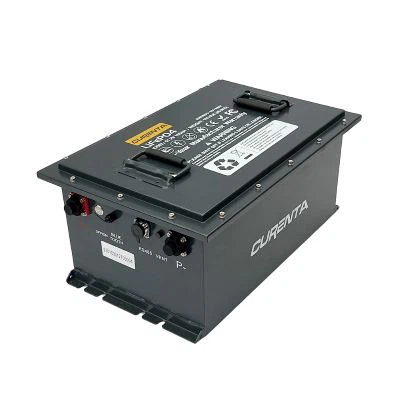
The battery bank stores electricity generated by solar panels, wind turbines, or other renewable sources. Modern lithium iron phosphate (LiFePO4) batteries have become one of the most widely adopted technologies due to their safety, longevity, and performance.
Battery Management System (BMS)
The BMS continuously monitors battery voltage, temperature, current, and state of charge. It helps protect the battery from overcharging, over-discharging, overheating, and other operating risks.
Inverter System
The inverter converts stored DC electricity into AC power that can be used by electrical equipment or fed into the utility grid.
Energy Management System (EMS)
The EMS optimizes charging and discharging schedules based on electricity prices, renewable generation forecasts, and energy consumption patterns.
Monitoring Platform
Modern energy storage systems often include remote monitoring capabilities that allow operators to track performance and system health in real time.
Together, these components create a complete renewable energy storage system capable of supporting a wide range of energy applications.
Key Benefits of Renewable Energy Storage Systems
Improved Renewable Energy Utilization
Without storage, excess solar or wind energy may be curtailed or exported to the grid at low compensation rates.
Energy storage enables users to capture surplus electricity and use it later, significantly increasing renewable energy self-consumption.
Reduced Electricity Costs
Many utilities implement time-of-use pricing structures where electricity costs vary throughout the day.
A renewable energy storage system allows businesses to:
Store energy during off-peak periods
Discharge energy during peak pricing periods
Lower demand charges
Reduce overall energy expenses
This strategy can generate substantial savings over the system's lifetime.
Enhanced Energy Security
Power outages can disrupt operations, damage equipment, and result in financial losses.
Battery energy storage provides backup power capabilities that help maintain critical operations during grid interruptions.
Lower Carbon Emissions
By maximizing the use of renewable electricity and reducing dependence on fossil fuel generation, energy storage contributes directly to sustainability goals and carbon reduction initiatives.
Better Grid Stability
Large-scale storage systems help stabilize voltage and frequency fluctuations while supporting renewable energy integration into utility networks.
Why LiFePO4 Batteries Are Preferred for Renewable Energy Storage
Several battery chemistries are available for energy storage applications, including lead-acid, lithium-ion, nickel-based batteries, and flow batteries.
Among these options, LiFePO4 technology has become a preferred choice for renewable energy projects.
Enhanced Safety
Lithium iron phosphate batteries offer excellent thermal and chemical stability compared with many other lithium battery chemistries.
This reduces the risk of thermal runaway and improves operational safety.
Long Service Life
High-quality LiFePO4 batteries can achieve:
4,000 to 8,000+ charge cycles
10 years or more of service life
Consistent performance over extended operation
These characteristics help lower the total cost of ownership.
High Efficiency
Round-trip efficiency often exceeds 95%, allowing more renewable energy to be stored and utilized effectively.
Minimal Maintenance
Unlike traditional lead-acid batteries, LiFePO4 systems require little routine maintenance, reducing labor and operational costs.
Environmental Advantages
Long service life and high efficiency contribute to lower environmental impact throughout the product lifecycle.
Applications of Renewable Energy Storage Systems
Energy storage solutions are now being deployed across numerous sectors.
Residential Solar Energy Storage
Homeowners increasingly install battery systems alongside rooftop solar installations.
Benefits include:
Backup power during outages
Increased solar self-consumption
Reduced electricity bills
Greater energy independence
Residential systems typically range from 5 kWh to 50 kWh depending on household requirements.
Commercial and Industrial Facilities
Commercial and industrial users often experience high demand charges and fluctuating energy costs.
A renewable energy storage system can help:
Manage peak loads
Reduce electricity expenses
Support sustainability goals
Improve operational resilience
Industries such as manufacturing, logistics, retail, healthcare, and hospitality are increasingly adopting energy storage solutions.
Solar Farms
Utility-scale solar projects often generate excess electricity during periods of strong sunlight.
Battery storage allows operators to:
Shift energy delivery to peak demand periods
Improve grid dispatch flexibility
Increase project profitability
Enhance renewable energy integration
Wind Power Projects
Wind generation frequently occurs outside peak consumption periods.
Energy storage helps smooth fluctuations and maximize the value of generated electricity.
Microgrids
Microgrids combine local energy generation with storage systems to provide reliable power for:
Remote communities
Islands
Military installations
Mining operations
Industrial campuses
A renewable energy storage system plays a central role in maintaining stable microgrid performance.
Agricultural Applications
Modern farms increasingly utilize solar-powered irrigation, refrigeration, and processing equipment.
Battery storage improves energy reliability and supports agricultural productivity.
Important Factors When Selecting a Renewable Energy Storage System
Choosing the right energy storage solution requires careful evaluation of technical and operational requirements.
Energy Capacity
Capacity is measured in kilowatt-hours (kWh) and determines how much energy can be stored.
Organizations should analyze:
Power Output
Power rating, measured in kilowatts (kW), indicates how much electricity the system can deliver at one time.
Different applications require different power capabilities.
Battery Cycle Life
Higher cycle life generally results in lower long-term ownership costs.
For renewable energy projects, selecting batteries with thousands of cycles can significantly improve return on investment.
Scalability
Energy needs often increase over time.
Modular battery systems allow future capacity expansion without replacing existing infrastructure.
Environmental Conditions
Temperature, humidity, and installation environment influence system performance and longevity.
Systems should be designed to operate reliably under local conditions.
Safety Features
A robust renewable energy storage system should include:
Battery management protection
Fire protection mechanisms
Thermal monitoring
Fault diagnostics
Emergency shutdown functions
Certifications and Compliance
Reputable battery manufacturers provide products certified to internationally recognized standards.
Common certifications include:
These certifications help ensure safety, reliability, and regulatory compliance.
Integrating Renewable Energy Storage with Solar Power Systems
Solar energy remains one of the fastest-growing renewable technologies globally.
Pairing solar generation with battery storage creates a more efficient and flexible energy solution.
Daytime Charging
During daylight hours, solar panels generate electricity.
Excess power not immediately consumed can charge the battery system.
Evening Energy Supply
When solar production declines, stored energy can power loads without drawing electricity from the grid.
Backup Protection
In the event of a utility outage, stored energy can maintain critical equipment and operations.
Peak Demand Management
Stored solar energy can be discharged during high-cost periods, helping reduce utility expenses.
This integrated approach significantly increases the economic value of solar installations.
Renewable Energy Storage for Grid Modernization
Utility providers worldwide are investing heavily in grid modernization initiatives.
A renewable energy storage system supports these efforts through:
Peak Shaving
Reducing peak electricity demand helps utilities avoid costly infrastructure upgrades.
Frequency Regulation
Battery systems can respond rapidly to maintain grid frequency stability.
Voltage Support
Storage systems help stabilize voltage fluctuations caused by variable renewable generation.
Renewable Integration
Large-scale storage improves the ability of utilities to incorporate higher percentages of renewable energy into the grid.
As renewable penetration increases, energy storage is becoming a critical tool for maintaining grid reliability.
Economic Considerations and Return on Investment
While energy storage requires upfront capital investment, many organizations achieve significant financial benefits over time.
Potential value streams include:
Reduced electricity bills
Lower peak demand charges
Backup power protection
Increased renewable energy utilization
Participation in grid services programs
Reduced generator fuel consumption
The payback period depends on factors such as:
Local electricity tariffs
Renewable generation profile
System size
Energy consumption patterns
Available incentives
Conducting a detailed energy analysis is essential for accurately evaluating project economics.
Emerging Trends in Renewable Energy Storage
The energy storage industry continues to evolve rapidly.
Higher Energy Density Batteries
Advances in battery materials are increasing storage capacity while reducing installation footprint.
Smart Energy Management
Artificial intelligence and predictive analytics are improving system optimization and operational efficiency.
Virtual Power Plants
Distributed energy storage assets can be aggregated into virtual power plants that support utility operations and grid balancing.
Hybrid Energy Systems
Many projects now combine:
Solar power
Wind energy
Battery storage
Backup generators
These hybrid configurations improve reliability and operational flexibility.
Second-Life Battery Applications
Repurposed batteries from electric vehicles are being explored for stationary storage applications, potentially reducing costs and supporting circular economy initiatives.
Choosing a Reliable Renewable Energy Storage Partner
Technology selection is important, but choosing the right supplier is equally critical.
When evaluating potential partners, buyers should consider:
Industry experience
Manufacturing capabilities
Product certifications
Engineering support
Warranty coverage
Global service capabilities
Local maintenance resources
Customization options
A strong supplier can provide not only products but also system design support, technical consultation, installation guidance, and long-term service.
How CURENTA BATTERY Supports Renewable Energy Storage Projects
CURENTA BATTERY focuses on advanced LiFePO4 battery technologies for a wide range of energy storage applications. With more than 15 years of experience in energy storage systems and motive power solutions, the company provides battery products designed to support residential, commercial, industrial, and renewable energy projects.
Its portfolio includes battery solutions for:
Household energy storage systems
Solar battery systems
EV applications
Golf cart batteries
Lead-acid battery replacement projects
Commercial and industrial energy storage
Supported by local warehouses and maintenance teams in the United States and Europe, CURENTA BATTERY offers responsive service and technical support for international customers. Products are backed by comprehensive quality management systems and multiple international certifications, helping customers deploy reliable renewable energy storage system solutions with confidence.
Conclusion
The global transition toward clean energy is driving unprecedented demand for energy storage technologies. A well-designed renewable energy storage system helps organizations maximize renewable energy utilization, improve energy security, lower electricity costs, and support long-term sustainability objectives.
Whether deployed in residential solar installations, commercial facilities, industrial operations, utility-scale renewable projects, or microgrids, modern battery storage systems have become a foundational element of the future energy landscape.
As technology continues to advance, energy storage will play an increasingly important role in enabling reliable, efficient, and economically viable renewable energy adoption. Organizations that invest in high-quality storage solutions today will be better positioned to manage future energy challenges while improving operational performance and environmental responsibility.

 English
 German
 Czech
Czech French
 Italian
 Hungarian
 Russian
 Japanese
 Korean
 Arabic
 Spanish
 Portuguese
 Danish

 WhatsApp