As global demand for renewable energy continues to grow, battery energy storage systems have become a critical part of modern power infrastructure. Businesses, utilities, commercial facilities, and equipment manufacturers are looking for reliable storage solutions that improve energy efficiency, reduce electricity costs, and provide backup power when needed.
For many international buyers, finding the right energy storage system manufacturer China is an important step in building a dependable supply chain. China has become one of the world's leading production centers for lithium battery technology, offering mature manufacturing capabilities, competitive pricing, and continuous innovation.
However, not every supplier delivers the same level of engineering, quality control, or after-sales support. Selecting the right manufacturing partner requires evaluating much more than product specifications or quotations.
This guide explains what buyers should look for when choosing an energy storage system manufacturer in China and why long-term cooperation often delivers greater value than simply purchasing batteries.
Why China Has Become a Global Center for Energy Storage Manufacturing
China has invested heavily in lithium battery production over the past decade. The country now offers a complete industrial ecosystem that includes:
Lithium cell production
Battery Management System (BMS) development
PCS integration
Battery pack assembly
Energy management software
Mechanical enclosure manufacturing
Testing and certification laboratories
Because most components are available domestically, manufacturers can shorten production cycles while maintaining stable supply.
For overseas distributors, EPC contractors, renewable energy companies, and industrial buyers, sourcing from an experienced energy storage system manufacturer China often means access to:
Faster product development
Flexible customization
Lower manufacturing costs
Stable component sourcing
Mature engineering support
The key is identifying manufacturers that combine manufacturing capability with professional engineering expertise.
Understanding Different Types of Energy Storage Systems
Energy storage systems are designed for different applications. Before selecting a manufacturer, buyers should clearly understand their project requirements.
Residential Energy Storage
Residential ESS systems are commonly paired with rooftop solar installations.
Typical features include:
Homeowners prioritize safety, quiet operation, and long service life.
Commercial and Industrial ESS
Commercial systems help businesses reduce electricity expenses through peak shaving and load shifting.
Applications include:
Office buildings
Factories
Shopping centers
Hotels
Hospitals
Agricultural facilities
These projects require larger battery capacity, scalable architecture, and intelligent energy management.
Utility-Scale Energy Storage
Large utility projects support renewable energy integration and stabilize electrical grids.
These systems usually include:
Containerized battery systems
High-voltage battery racks
Fire suppression systems
HVAC systems
Remote monitoring platforms
Reliability and safety become the highest priorities.
Off-Grid Energy Storage
Remote locations without stable grid access rely on energy storage systems combined with solar or wind generation.
Common installations include:
Telecom stations
Islands
Mining operations
Rural electrification
Oil and gas sites
These systems must tolerate harsh environmental conditions while maintaining stable output.
What Makes a Reliable Energy Storage System Manufacturer China?
Choosing a supplier based only on price often leads to hidden costs later.
Professional manufacturers distinguish themselves in several important areas.
Battery Cell Quality
Battery performance begins with cell quality.
Reliable manufacturers use Grade A lithium iron phosphate (LiFePO4) cells that provide:
Inferior cells may reduce the overall lifespan of the battery system and increase maintenance costs.
Battery Management System (BMS)
The BMS protects every battery pack by monitoring:
Voltage
Current
Temperature
State of charge
Cell balancing
An advanced BMS improves both battery lifespan and operational safety.
For commercial applications, remote monitoring capabilities are increasingly important.
Engineering Design
A well-designed ESS is more than a collection of batteries.
Professional manufacturers consider:
Heat dissipation
Structural strength
Cable routing
Protection levels
Installation convenience
Future expansion
Proper engineering simplifies installation while improving long-term reliability.
Manufacturing Experience
Experience matters because energy storage projects often involve customized requirements.
Manufacturers with many years of production experience typically understand:
This experience reduces project risks.
Important Certifications Buyers Should Verify
Before placing large orders, buyers should verify product certifications.
Common certifications include:
CE
IEC
UKCA
UN38.3
MSDS
ISO9001
ISO14001
ISO45001
Each certification addresses different aspects such as product safety, environmental management, transportation compliance, or manufacturing quality systems.
Certification alone does not guarantee product quality, but it demonstrates that the manufacturer follows recognized standards.
Questions Every Buyer Should Ask Before Selecting a Supplier
A supplier evaluation should go beyond requesting a quotation.
Useful questions include:
What Battery Cells Are Used?
Ask whether the manufacturer uses:
Is the System Modular?
Modular systems allow future expansion without replacing the entire installation.
This is particularly valuable for commercial users whose energy demand may increase.
Can the Manufacturer Customize the System?
Different projects often require different configurations, including:
Voltage
Capacity
Communication protocols
Cabinet dimensions
Protection ratings
Branding
Customization capability reflects engineering strength.
How Is Quality Controlled?
Ask about:
Quality control directly affects field reliability.
What Technical Support Is Available?
After-sales support can be just as important as product quality.
Professional suppliers typically offer:
Installation guidance
Technical documentation
Remote troubleshooting
Software updates
Spare parts support
Why LiFePO4 Batteries Dominate Modern Energy Storage
Lithium Iron Phosphate chemistry has become the preferred solution for many ESS projects.
Advantages include:
Long Service Life
LiFePO4 batteries commonly achieve over 6000 charging cycles under proper operating conditions.
This significantly lowers lifetime ownership costs.
Enhanced Safety
Compared with some other lithium chemistries, LiFePO4 offers excellent thermal stability and lower thermal runaway risk.
This makes it suitable for residential and commercial applications.
Stable Performance
LiFePO4 batteries maintain relatively stable voltage during discharge, supporting reliable equipment operation.
Lower Maintenance
Unlike traditional lead-acid batteries, LiFePO4 systems require minimal maintenance.
There is:
No watering
No acid leakage
No memory effect
Energy Storage Applications Continue Expanding
Demand for ESS is increasing across multiple industries.
Typical applications include:
Solar Power Integration
Solar generation often peaks during the day while electricity demand increases in the evening.
Battery storage bridges this gap.
Peak Shaving
Commercial facilities reduce electricity bills by storing energy during off-peak hours and using it during peak pricing periods.
Emergency Backup
Hospitals, data centers, and manufacturing facilities require uninterrupted power.
Battery systems provide immediate backup before generators start.
EV Charging Infrastructure
Fast charging stations create high power demand.
Energy storage systems help stabilize loads and reduce grid pressure.
Microgrids
Industrial parks and remote communities increasingly deploy microgrids combining renewable energy with battery storage.
Why Manufacturing Capability Matters More Than Trading Experience
Some suppliers operate mainly as trading companies, while others manufacture products directly.
Working with an original manufacturer often provides advantages such as:
Better technical communication
Faster customization
More consistent quality
Stable production schedules
Lower total procurement costs
For long-term projects, direct cooperation can also simplify warranty support and future product upgrades.
Evaluating Production Capacity
A manufacturer should have sufficient production capability to support business growth.
Evaluation points include:
Strong production capability helps ensure timely delivery even during periods of high market demand.
Logistics and Global Service
International buyers should also consider logistics support.
Experienced manufacturers usually provide:
These capabilities reduce delays and improve customer satisfaction.
Why Warranty Matters
Warranty reflects a manufacturer's confidence in its products.
However, buyers should read warranty terms carefully.
Important questions include:
What components are covered?
What conditions void the warranty?
How are replacement products handled?
Is technical diagnosis provided?
A long warranty is valuable only if supported by responsive after-sales service.
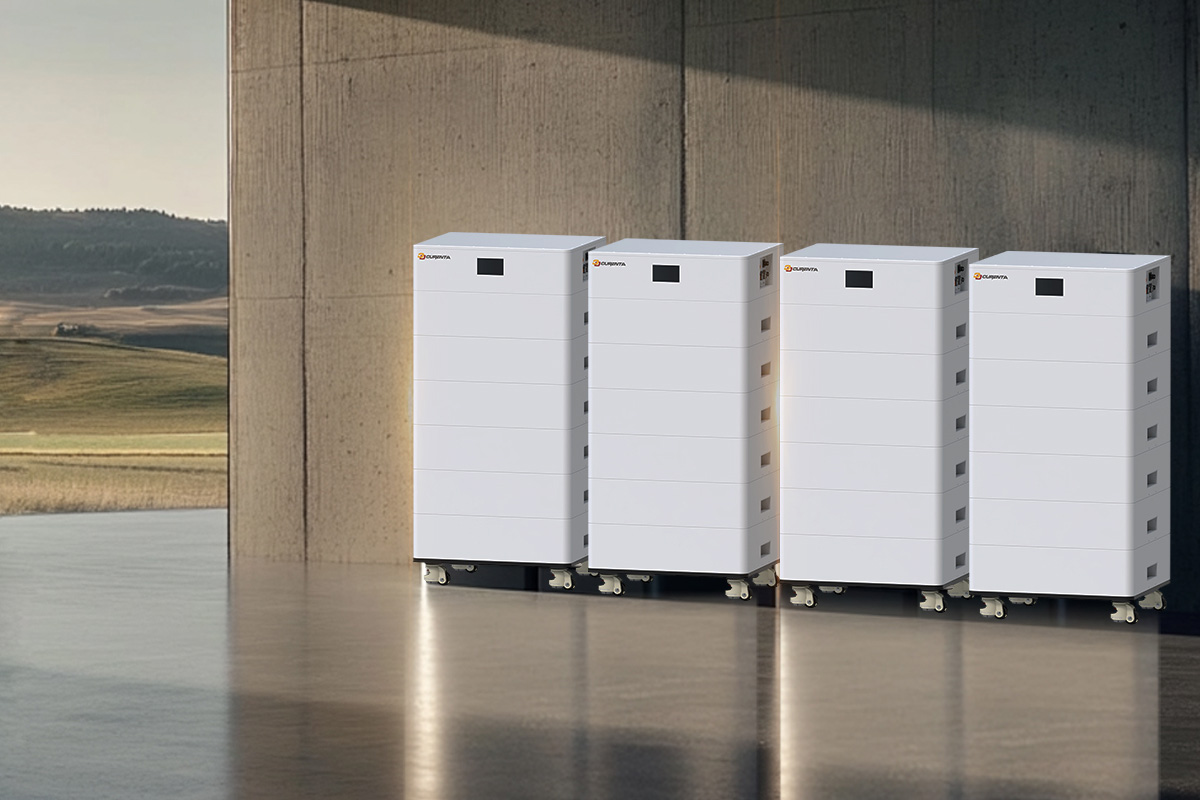
Working with CURENTA BATTERY
CURENTA BATTERY has more than 15 years of experience in lithium battery manufacturing and battery system integration.
The company focuses on providing battery solutions for:
Residential energy storage
Commercial ESS
Solar battery systems
Electric vehicles
Golf cart batteries
Lead-acid battery replacement
Customized battery projects
As an original manufacturer, CURENTA BATTERY emphasizes practical engineering, product reliability, and long-term customer support rather than standardized products alone.
Its manufacturing system operates under ISO9001, ISO14001, and ISO45001 management systems. Products comply with international certifications including CE, IEC, UKCA, UN38.3, and MSDS to meet the requirements of different overseas markets.
For international customers, local warehouse resources and maintenance support in both the United States and Europe help improve response times and simplify after-sales service.
Businesses seeking scalable battery storage solutions can explore CURENTA BATTERY's complete range of energy storage products, including residential, commercial, and industrial systems designed for diverse applications.
Building Long-Term Partnerships Instead of One-Time Purchases
Successful energy storage projects rarely depend on hardware alone.
As battery technologies continue evolving, buyers benefit from manufacturers that provide:
Product upgrades
Engineering consultation
Technical documentation
Custom development
Ongoing support
A long-term manufacturing partner becomes an extension of the customer's engineering resources rather than simply a product supplier.
Final Thoughts
Choosing the right energy storage system manufacturer China involves balancing quality, engineering capability, certifications, production capacity, and after-sales support.
Price remains an important consideration, but the total cost of ownership depends just as much on reliability, technical expertise, and long-term service.
For distributors, EPC contractors, renewable energy developers, and industrial customers, partnering with an experienced original manufacturer can reduce project risks while improving overall system performance.
As global demand for clean energy continues to increase, selecting a dependable manufacturing partner today lays the foundation for sustainable growth tomorrow. Whether your project involves residential solar storage, commercial energy management, industrial backup power, or customized battery integration, working with a manufacturer that understands both technology and international market requirements is essential for long-term success.

 English
 German
 Czech
Czech French
 Italian
 Hungarian
 Russian
 Japanese
 Korean
 Arabic
 Spanish
 Portuguese
 Danish

 WhatsApp