Introduction: Why More Businesses Are Choosing Lithium Battery Upgrades
For decades, lead acid batteries have been widely used in energy storage, backup power systems, golf carts, marine equipment, mobility devices, and industrial applications. Their relatively low initial investment and established supply chain made them a common choice for many businesses. However, as industries demand longer service life, higher energy efficiency, reduced maintenance requirements, and improved reliability, many companies are now looking for practical alternatives.
A drop-in replacement battery has become one of the most effective solutions for upgrading existing battery-powered systems without completely redesigning the equipment. Instead of replacing the entire electrical architecture, users can replace traditional lead acid batteries with advanced lithium iron phosphate (LiFePO4) batteries while keeping much of the existing system configuration.
For commercial users, distributors, and system integrators, this approach provides a balance between modernization and cost control. Businesses can improve battery performance while minimizing installation complexity and operational interruptions.
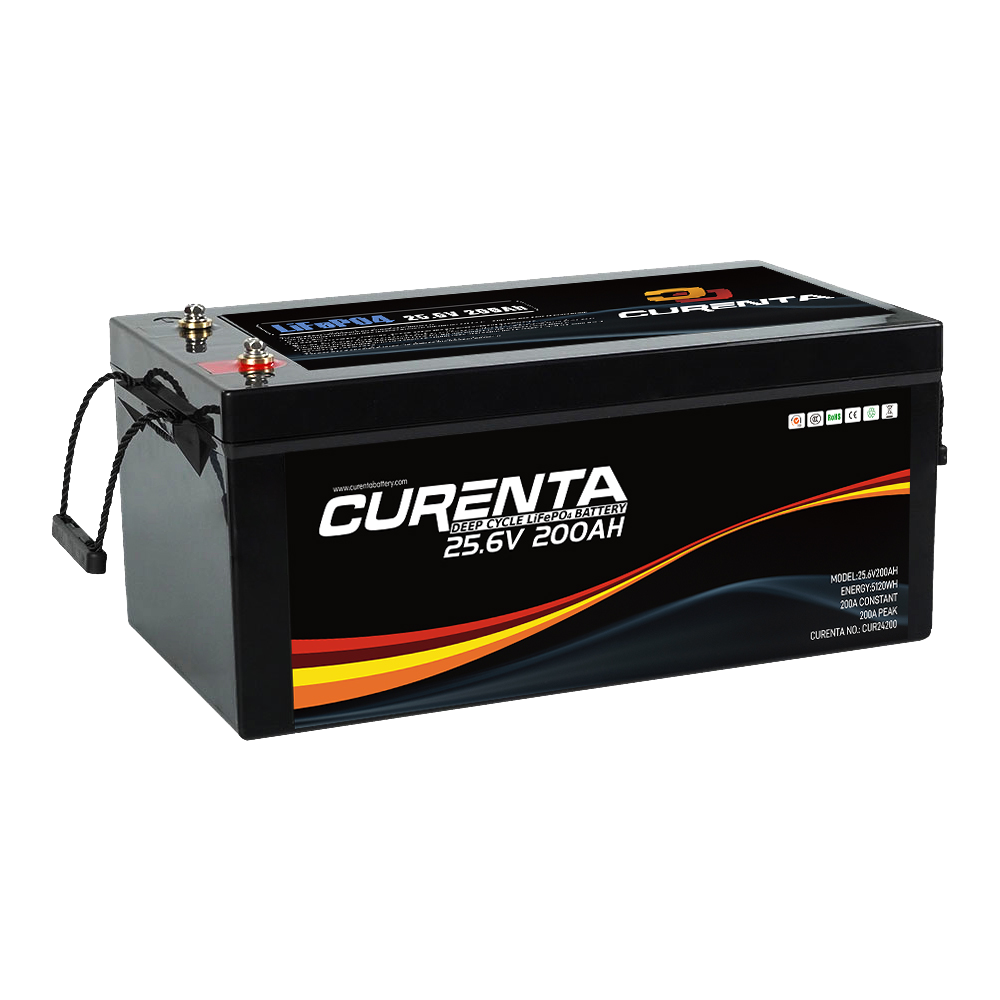
CURENTA BATTERY, INC specializes in LiFePO4 battery solutions for energy storage systems and motive power applications. With more than 15 years of experience in the battery industry, CURENTA provides reliable lithium battery solutions for EV applications, household energy storage, solar battery systems, golf carts, and lead acid battery replacement projects. Supported by local warehouses and maintenance teams in the USA and Europe, the company helps global customers achieve smoother battery upgrades with professional technical support.
What Is a Drop-In Replacement Battery?
A drop-in replacement battery refers to a lithium battery designed to replace a traditional battery with minimal modifications to the existing system. The concept is especially common when replacing lead acid batteries with LiFePO4 batteries because both battery types are available in similar voltage classes and physical formats.
For example, a 12V lead acid battery used in a recreational vehicle, marine application, backup power system, or industrial device can often be replaced with a 12V LiFePO4 battery designed specifically for compatibility. Similarly, 24V, 36V, and 48V battery systems can be upgraded using lithium alternatives that match the original voltage requirements.
Unlike a complete battery system redesign, a drop-in replacement solution focuses on compatibility. The goal is to allow users to achieve lithium battery advantages while reducing engineering changes, installation time, and equipment downtime.
However, a professional drop-in replacement battery is not simply a lithium battery placed inside the same size enclosure. A reliable solution requires careful consideration of several factors, including:
Battery voltage compatibility
Capacity requirements
Continuous and peak discharge current
Battery Management System (BMS) protection
Charger compatibility
Communication requirements
Environmental conditions
Installation space
For B2B buyers, selecting the correct battery supplier is essential because compatibility directly affects system safety, efficiency, and long-term reliability.
Why LiFePO4 Technology Is Suitable for Drop-In Replacement Applications
Lithium iron phosphate (LiFePO4) chemistry has become one of the preferred choices for replacement battery applications due to its combination of safety, durability, and stable performance.
Compared with conventional lead acid batteries, LiFePO4 batteries provide several operational advantages.
Longer Service Life
One of the main reasons businesses upgrade to lithium batteries is extended cycle life. Lead acid batteries generally experience capacity reduction after repeated charging and discharging cycles. LiFePO4 batteries typically offer significantly longer operating life when properly managed.
For commercial applications where batteries are frequently used, such as golf carts, solar energy storage systems, industrial equipment, and electric vehicles, longer battery lifespan can reduce replacement frequency and improve overall asset utilization.
A longer service life also helps businesses reduce maintenance workload. Instead of regularly replacing batteries due to performance degradation, operators can maintain a more stable power system over a longer period.
Higher Usable Energy Capacity
Traditional lead acid batteries are often operated with limited depth of discharge to protect battery life. In practical applications, this means users cannot always access the full rated capacity.
LiFePO4 batteries generally support deeper discharge capability, allowing more usable energy from the same rated capacity. This characteristic is particularly valuable for applications such as solar energy storage, where maximizing stored energy is important.
For businesses integrating renewable energy systems, a drop-in replacement battery can provide a straightforward pathway to improve energy utilization without rebuilding the entire storage infrastructure.
Lower Maintenance Requirements
Lead acid batteries often require regular inspection, maintenance, and management procedures. Depending on battery type and application environment, users may need to monitor electrolyte levels, ventilation requirements, and charging conditions.
LiFePO4 batteries require significantly less routine maintenance. Integrated Battery Management Systems monitor important operating conditions such as voltage, temperature, and current to help protect battery performance.
For companies managing fleets, warehouses, commercial facilities, or distributed energy systems, reducing maintenance requirements can improve operational efficiency and lower labor costs.
Key Applications for Drop-In Replacement Battery Solutions
The demand for lithium replacement batteries continues to grow across multiple industries. Businesses are adopting LiFePO4 solutions because they need more reliable power systems without major equipment modifications.
Golf Cart and Low-Speed Vehicle Applications
Golf carts, utility vehicles, and personal transportation equipment have traditionally relied on lead acid batteries. However, many operators are upgrading to lithium solutions because of improved driving range, reduced weight, and lower maintenance requirements.
A properly designed drop-in replacement battery allows golf cart owners and fleet operators to transition from lead acid technology while maintaining compatibility with existing vehicle systems.
For commercial golf courses, resorts, communities, and industrial facilities operating multiple electric vehicles, lithium upgrades can improve fleet availability and simplify battery management.
Solar Energy Storage Systems
Solar energy systems require reliable batteries to store electricity generated from renewable sources. As more businesses and households adopt solar power, the demand for efficient energy storage solutions continues to increase.
A drop-in replacement battery enables existing solar storage systems using lead acid batteries to be upgraded to LiFePO4 technology without replacing the complete solar installation.
For solar installers and energy solution providers, lithium replacement batteries offer an attractive option for customers who want better storage performance while keeping their existing infrastructure.
Electric Vehicles and Mobility Equipment
Electric vehicles, including specialized EV platforms, recreational vehicles, and mobility equipment, require dependable battery performance. Battery reliability directly affects user experience and equipment productivity.
LiFePO4 replacement batteries provide stable voltage output, improved energy density, and longer operating cycles, making them suitable for many electric mobility applications.
CURENTA BATTERY provides customized battery system solutions for different application requirements, helping customers select appropriate battery configurations based on voltage, capacity, and operating conditions.
Important Factors to Consider When Selecting a Drop-In Replacement Battery Supplier
Although the concept of a drop-in replacement battery focuses on easy installation, businesses should not select a lithium battery solution based only on physical size or voltage compatibility. A professional battery supplier should provide solutions that match the actual operating environment, load requirements, and long-term application goals.
For distributors, installers, and industrial users, several technical factors should be evaluated before purchasing lithium replacement batteries.
Battery Capacity and Energy Requirements
Battery capacity is one of the most important specifications when replacing lead acid batteries. The required capacity depends on the application’s power consumption, operating hours, discharge conditions, and expected backup time.
For example, a battery used in a solar storage system may require sufficient capacity to support household or commercial loads during periods without sunlight. A golf cart battery may need to provide enough energy for daily driving distance and operating conditions.
Choosing a battery with insufficient capacity may result in reduced operating time, while selecting an unnecessarily large battery may increase system costs and unused capacity.
A reliable battery supplier should analyze the application requirements and recommend a suitable configuration instead of simply providing a standard battery model.
Battery Management System (BMS) Protection
The Battery Management System is one of the most important components inside a modern lithium battery. Unlike traditional lead acid batteries, LiFePO4 batteries require intelligent monitoring and protection to maintain safe and stable operation.
A high-quality BMS typically manages:
For a drop-in replacement battery, BMS design is especially important because the battery must operate correctly within existing equipment.
A poorly matched BMS may limit performance or create compatibility issues. Therefore, businesses should work with experienced lithium battery suppliers that understand different application environments and electrical requirements.
CURENTA BATTERY develops LiFePO4 battery solutions with professional battery management systems to support applications including energy storage systems, electric vehicles, golf carts, and lead acid battery replacement projects.
Charger Compatibility and System Integration
One common question during lithium battery upgrades is whether existing chargers can be used with new batteries.
Although many LiFePO4 replacement batteries are designed for easy integration, charging requirements may differ from traditional lead acid batteries. Lithium batteries generally require charging profiles specifically optimized for LiFePO4 chemistry.
Before replacing lead acid batteries, users should evaluate:
Professional suppliers can help customers determine whether charger replacement, adjustment, or system optimization is necessary.
For B2B customers managing multiple installations, this technical support is especially valuable because it reduces project risks and avoids unexpected compatibility problems after deployment.
Safety and Certification Requirements for Commercial Battery Projects
Safety is a critical consideration when selecting lithium batteries for commercial applications. Battery systems used in transportation, energy storage, and industrial environments must meet relevant safety and transportation requirements.
CURENTA BATTERY focuses on quality control and product reliability through internationally recognized management systems and certifications, including ISO9001, ISO14001, and ISO45001. The company's products have also passed certifications and testing requirements such as CE, IEC, UKCA, UN38.3, and MSDS.
These certifications help customers evaluate battery quality and compliance when selecting suppliers for international projects.
For importers, distributors, and system integrators, working with a certified lithium battery supplier can simplify market access and improve confidence when supplying end users.
Why Businesses Prefer LiFePO4 Drop-In Replacement Battery Solutions
The transition from lead acid to lithium technology is not only about replacing one battery type with another. It represents an improvement in overall energy management.
Businesses choose LiFePO4 replacement solutions because they can achieve:
Improved Operational Efficiency
Battery performance directly influences equipment availability. In commercial applications, unexpected battery failures can interrupt operations and increase maintenance workload.
A reliable lithium replacement battery provides more stable performance, allowing businesses to operate equipment with greater confidence.
Reduced Long-Term Maintenance Pressure
Although the initial investment of lithium batteries may differ from traditional battery technologies, businesses increasingly evaluate battery solutions based on total lifecycle value rather than only initial purchase considerations.
Longer service life, fewer replacements, lower maintenance requirements, and improved energy utilization all contribute to better long-term operational efficiency.
For companies managing fleets, industrial equipment, or energy storage assets, these factors are important when planning technology upgrades.
Easier Battery System Modernization
Replacing an entire power system can be complicated and expensive. A drop-in replacement battery provides a practical upgrade path by allowing existing equipment to benefit from lithium technology with fewer modifications.
This approach is particularly attractive for:
Businesses can modernize their energy systems gradually instead of making large-scale infrastructure changes.
Choosing the Right Drop-In Replacement Battery Manufacturer
The supplier’s technical capability plays an important role in the success of a lithium battery upgrade project. A battery manufacturer should provide more than standard products; it should offer engineering support, quality control, and long-term service capability.
When evaluating suppliers, businesses should consider the following aspects:
Industry Experience
Battery technology requires extensive experience in cell selection, battery pack design, thermal management, and application integration.
CURENTA BATTERY has more than 15 years of experience in energy storage systems and motive power applications. This industry experience allows the company to understand different market requirements and provide suitable battery solutions for various industries.
Product Reliability and Quality Management
Battery reliability depends on multiple factors, including cell quality, manufacturing processes, testing procedures, and system design.
CURENTA BATTERY operates under ISO-certified quality management systems and focuses on delivering stable LiFePO4 battery products for global customers.
For businesses purchasing batteries in bulk, consistent quality is essential because product reliability directly affects customer satisfaction and brand reputation.
Local Service and Technical Support
International customers often require support beyond product delivery. Installation guidance, troubleshooting assistance, and after-sales service are important parts of successful battery projects.
With local warehouse and maintenance teams in the USA and Europe, CURENTA BATTERY supports customers with more convenient service capabilities.
This local support structure helps distributors and project partners improve response time and provide better service to their own customers.
The Future Development of Lithium Replacement Battery Solutions
As global industries continue moving toward electrification and renewable energy adoption, the demand for efficient battery technologies will continue to grow.
Traditional lead acid batteries still have applications in certain markets, but more businesses are evaluating lithium alternatives because of performance advantages and operational benefits.
The future of battery upgrades will focus on:
Higher energy efficiency
Smarter battery management systems
Better integration with renewable energy systems
Improved safety performance
More flexible battery configurations
A professional drop-in replacement battery solution will continue to play an important role because it provides businesses with a practical method to transition toward advanced energy storage technology.
Conclusion: A Practical Path Toward Lithium Battery Upgrades
Replacing traditional lead acid batteries with LiFePO4 technology does not always require a complete system redesign. With the right battery selection and professional supplier support, businesses can upgrade existing equipment through a reliable drop-in replacement battery solution.
For commercial users, distributors, and system integrators, the key is choosing batteries that provide compatibility, safety, durability, and long-term support.
CURENTA BATTERY, INC combines more than 15 years of industry experience with advanced LiFePO4 battery technology to deliver professional solutions for EV applications, household ESS, solar energy storage, golf carts, and lead acid battery replacement projects.
With certified quality systems, international compliance certifications, local service capabilities, and a commitment to reliable battery solutions, CURENTA BATTERY helps global customers achieve smoother transitions from traditional battery technology to modern lithium energy systems.

 English
 German
 Czech
Czech French
 Italian
 Hungarian
 Russian
 Japanese
 Korean
 Arabic
 Spanish
 Portuguese
 Danish

 WhatsApp