As lithium battery technology becomes increasingly important in energy storage, electric mobility, telecommunications, and industrial power systems, battery performance is no longer determined by cells alone. A high-quality battery pack depends on a sophisticated management platform that continuously monitors, protects, and optimizes battery operation. This platform is known as the lithium battery BMS system.
For businesses investing in energy storage solutions, understanding the role of a Battery Management System (BMS) is essential. Whether the application involves residential energy storage, commercial backup power, telecom infrastructure, renewable energy integration, or industrial equipment, the effectiveness of the BMS directly impacts safety, lifespan, efficiency, and overall return on investment.
This article explores how a lithium battery BMS system works, the key functions it performs, and what businesses should consider when selecting lithium battery solutions for long-term reliability.
What Is a Lithium Battery BMS System?
A lithium battery BMS system is an electronic control system designed to monitor and manage rechargeable lithium battery packs. It serves as the intelligence layer between battery cells and external equipment.
Unlike lead-acid batteries, lithium batteries require precise monitoring and control. Individual cells within a battery pack must operate within strict voltage, current, and temperature ranges. Even minor deviations can lead to performance degradation, capacity loss, or safety risks.
The BMS continuously collects data from each battery cell and makes real-time decisions to ensure safe operation. It can disconnect the battery under abnormal conditions, balance cell voltages, monitor temperature, and communicate operational data to external devices.
Without a properly designed lithium battery BMS system, even premium battery cells may fail to deliver their expected performance and service life.
Why Modern Lithium Batteries Depend on BMS Technology
Lithium batteries offer several advantages over traditional battery technologies, including:
Higher energy density
Longer cycle life
Faster charging capability
Lower maintenance requirements
Higher efficiency
Reduced installation footprint
However, these advantages come with stricter operational requirements.
Lithium cells are highly sensitive to:
Overcharging
Over-discharging
Excessive current
High temperatures
Low temperatures
Cell imbalance
A single unmanaged condition can affect the performance of the entire battery pack.
This is why every professional energy storage solution incorporates a dedicated lithium battery BMS system. The BMS acts as a protective layer that minimizes operational risks while maximizing battery utilization.
For commercial and industrial projects, BMS technology is no longer considered an optional feature. It is a critical component that determines the long-term stability of the energy storage system.
The Relationship Between Battery Cells and the BMS
A battery pack consists of multiple individual cells connected in series and parallel configurations.
Although these cells may be manufactured under strict quality standards, slight differences always exist in:
Over time, these small differences become more significant.
For example, if one cell charges faster than others, it may reach its voltage limit earlier. Without intervention, the cell could become overcharged while the remaining cells continue charging.
Similarly, during discharge, weaker cells may reach their lower voltage threshold before the rest of the pack.
The lithium battery BMS system continuously monitors every cell and prevents these conditions from causing permanent damage.
In practical applications, the BMS functions as the coordinator that ensures all cells operate together as a unified energy storage system rather than as independent components.
Core Functions of a Lithium Battery BMS System
The effectiveness of a lithium battery system depends largely on the capabilities of its BMS. Modern BMS platforms perform multiple tasks simultaneously to maintain safe and efficient operation.
Cell Voltage Monitoring
One of the most important responsibilities of a lithium battery BMS system is voltage monitoring.
Each lithium cell has a specific operating voltage range. Exceeding this range can shorten battery life or create safety concerns.
The BMS continuously measures individual cell voltages and compares them against predefined thresholds.
If a cell voltage exceeds the safe charging limit, the BMS can:
Likewise, if a cell approaches deep discharge levels, the BMS can prevent further discharge to protect battery health.
Accurate voltage monitoring helps maintain consistent performance throughout the battery's service life.
Current Monitoring and Protection
Battery current directly affects system safety and efficiency.
Excessive charging or discharging current can generate heat, stress battery materials, and accelerate aging.
A lithium battery BMS system continuously tracks current flow and reacts when abnormal conditions occur.
Common protection functions include:
In industrial environments where load conditions can change rapidly, these protection mechanisms are essential for maintaining stable operation.
For energy storage systems connected to renewable energy sources, current monitoring also helps optimize charging and discharging behavior based on system requirements.
Temperature Monitoring
Temperature is one of the most influential factors affecting lithium battery performance.
High temperatures can accelerate battery degradation, while low temperatures may reduce charging efficiency and available capacity.
To address these challenges, a lithium battery BMS system continuously measures battery temperatures through strategically placed sensors.
The BMS can:
Limit charging at low temperatures
Reduce discharge rates during overheating
Activate cooling systems
Trigger alarms
Disconnect the battery under extreme conditions
This capability is particularly important for outdoor energy storage installations where environmental conditions can vary significantly throughout the year.
Maintaining batteries within recommended temperature ranges helps improve both safety and cycle life.
State of Charge (SOC) Estimation
Users need accurate information about remaining battery capacity.
The BMS calculates the battery's State of Charge (SOC), which indicates how much usable energy remains in the system.
SOC estimation combines multiple parameters, including:
Voltage
Current
Historical usage data
Temperature conditions
Accurate SOC information enables operators to:
Plan energy consumption
Optimize charging schedules
Improve backup power readiness
Reduce operational uncertainty
For commercial energy storage projects, reliable SOC estimation contributes to more efficient energy management strategies.
State of Health (SOH) Monitoring
Beyond daily operation, businesses also need visibility into long-term battery condition.
State of Health (SOH) monitoring helps determine how much of the battery's original performance remains after years of operation.
A sophisticated lithium battery BMS system can track:
This information supports predictive maintenance and long-term asset management.
Instead of waiting for battery failures, operators can identify potential issues early and schedule maintenance activities accordingly.
For large-scale energy storage projects, SOH monitoring can significantly reduce downtime and improve lifecycle cost management.
Fault Detection and Alarm Management
Battery systems operate in complex environments where unexpected conditions can occur.
Modern BMS platforms continuously analyze system data to identify abnormalities before they become critical failures.
Typical fault detection capabilities include:
Overvoltage alarms
Undervoltage alarms
Overtemperature alarms
Communication failures
Sensor abnormalities
Current anomalies
When faults are detected, the lithium battery BMS system can notify operators, log events, and initiate protective actions.
This proactive approach helps prevent minor issues from developing into major operational problems.
Cell Balancing
One of the most valuable functions of a lithium battery BMS system is cell balancing.
Even when batteries are new, small variations exist between cells. These differences increase over time and can reduce overall pack performance.
Cell balancing helps equalize voltage levels across all cells.
Benefits include:
Improved usable capacity
Enhanced charging efficiency
Reduced stress on individual cells
Longer battery lifespan
Better overall system stability
Balancing is especially important in large energy storage systems containing hundreds or thousands of cells.
Without balancing, battery packs gradually lose efficiency and available capacity despite having healthy individual cells.
How a Lithium Battery BMS System Improves Battery Safety
Safety is often the primary reason organizations invest in advanced battery management technology. While lithium batteries are widely recognized for their efficiency and energy density, they require careful control throughout their operating life.
A properly engineered lithium battery BMS system serves as the first line of defense against conditions that could compromise battery integrity.
Preventing Overcharging
Overcharging is one of the most damaging conditions for lithium batteries.
When a cell is charged beyond its recommended voltage range, chemical reactions inside the battery become unstable. This can lead to accelerated degradation, swelling, reduced cycle life, or, in extreme cases, thermal runaway.
The BMS continuously monitors every cell voltage during charging. If any cell approaches its upper voltage limit, the system can:
This protection mechanism helps maintain battery safety while preserving long-term performance.
Preventing Deep Discharge
Deep discharge can be equally harmful.
When lithium cells are discharged below their minimum safe voltage, irreversible chemical changes may occur. Repeated deep discharge events can significantly shorten battery lifespan.
The lithium battery BMS system tracks discharge conditions in real time and prevents battery operation from entering unsafe voltage ranges.
For backup power systems, this protection is particularly important because batteries may remain unused for extended periods before suddenly supplying power during an outage.
Managing Thermal Risks
Temperature management is one of the most critical aspects of battery safety.
Battery cells generate heat during charging and discharging. Under high-load conditions, heat accumulation can become a serious concern if not properly controlled.
Modern BMS platforms continuously evaluate thermal conditions and can coordinate with cooling or heating systems when necessary.
In energy storage installations, thermal management may involve:
By maintaining stable operating temperatures, the lithium battery BMS system helps ensure safe operation across a wide range of environmental conditions.
Protecting Against Short Circuits
Short circuits can create extremely high current levels within milliseconds.
Without protection, these events may damage cells, wiring, connectors, or connected equipment.
A lithium battery BMS system continuously measures current flow and can rapidly disconnect the battery when abnormal current spikes are detected.
Fast-response protection circuits are particularly important in:
Commercial energy storage systems
Industrial equipment
Electric vehicle batteries
Telecommunications backup systems
The ability to isolate faults quickly helps minimize equipment damage and operational disruptions.
How a Lithium Battery BMS System Extends Battery Life
For many businesses, battery lifespan directly affects project economics.
Energy storage systems are long-term investments, and maximizing cycle life can significantly improve return on investment.
A sophisticated lithium battery BMS system contributes to longer battery life in several ways.
Maintaining Balanced Cells
Cell imbalance is one of the leading causes of premature battery aging.
When some cells consistently experience higher voltages or deeper discharge cycles than others, degradation becomes uneven across the pack.
Over time, the weakest cells begin limiting the performance of the entire system.
Through continuous balancing functions, the BMS helps maintain uniform operating conditions among cells, reducing stress and improving pack longevity.
Optimizing Charge and Discharge Conditions
Lithium batteries perform best within defined operating windows.
Frequent exposure to extreme charging currents, excessive discharge rates, or unfavorable temperatures can accelerate aging.
The BMS helps prevent these conditions by controlling system behavior according to battery specifications.
This controlled operation reduces wear on battery materials and supports longer service life.
Supporting Predictive Maintenance
Large energy storage installations often operate for ten years or more.
During this period, monitoring battery health becomes increasingly important.
A lithium battery BMS system collects operational data that can be analyzed for trends such as:
Capacity loss
Temperature patterns
Voltage deviations
Resistance growth
Cycle count accumulation
These insights enable maintenance teams to identify potential issues before failures occur.
Predictive maintenance reduces unexpected downtime and helps operators maximize asset utilization.
Active Balancing vs Passive Balancing
When evaluating a lithium battery BMS system, one important specification is the balancing method used.
Most systems employ either passive balancing or active balancing.
Understanding the differences can help buyers make informed decisions.
Passive Balancing
Passive balancing is the most common approach.
When a cell reaches a higher voltage than neighboring cells, the BMS dissipates excess energy as heat through balancing resistors.
Advantages include:
Lower cost
Simpler design
Proven reliability
Easier implementation
However, passive balancing wastes some energy and may operate more slowly in large battery systems.
For many residential and commercial applications, passive balancing provides adequate performance.
Active Balancing
Active balancing transfers energy directly from higher-voltage cells to lower-voltage cells.
Instead of converting excess energy into heat, the system redistributes energy throughout the battery pack.
Advantages include:
Active balancing is commonly found in:
Utility-scale energy storage systems
High-capacity industrial batteries
Premium lithium battery solutions
Although active balancing increases system complexity and cost, it can provide significant benefits in applications where maximizing battery utilization is a priority.
Communication Functions in a Lithium Battery BMS System
Modern energy storage systems require more than protection functions alone.
Operators need visibility into battery performance, while external devices need access to battery data for system optimization.
This is where communication capabilities become important.
CAN Bus Communication
CAN Bus is one of the most widely used communication protocols in battery systems.
It provides reliable data transmission between the battery and connected equipment such as:
CAN communication allows real-time exchange of operational information, enabling more efficient system control.
RS485 Communication
RS485 remains popular in industrial environments because of its robustness and long communication distances.
Many commercial energy storage projects utilize RS485 for:
Its simplicity and reliability make it suitable for demanding operating conditions.
Ethernet and Cloud Connectivity
As energy storage projects become increasingly digitalized, cloud-based monitoring is gaining importance.
Advanced lithium battery BMS system architectures may support:
These capabilities enable operators to monitor battery performance across multiple sites from a centralized location.
For large fleets of energy storage assets, remote monitoring can substantially reduce maintenance costs and improve operational efficiency.
Key Features to Consider When Selecting a Lithium Battery BMS System
Not all BMS platforms are designed for the same applications.
Businesses evaluating battery solutions should consider several critical factors.
Measurement Accuracy
Accurate monitoring is the foundation of effective battery management.
Even small measurement errors can accumulate over time and affect performance.
High-quality BMS platforms provide precise monitoring of:
Cell voltage
Pack voltage
Current
Temperature
Greater accuracy generally results in improved battery utilization and protection.
Scalability
As energy storage projects grow, scalability becomes increasingly important.
A flexible lithium battery BMS system should support:
Additional battery modules
Parallel battery connections
Future capacity expansion
System upgrades
Scalable designs help protect investments and simplify future growth.
Reliability and Redundancy
Commercial and industrial projects often operate continuously for many years.
The BMS should be designed with reliability in mind, including:
High-quality components
Fault-tolerant architecture
Redundant protection mechanisms
Stable communication capabilities
System reliability directly influences overall project performance.
Compatibility
Battery systems rarely operate independently.
The BMS must communicate effectively with:
Compatibility reduces integration challenges and accelerates project deployment.
Data Logging and Diagnostics
Historical data can be invaluable for troubleshooting and performance optimization.
An advanced lithium battery BMS system should provide:
Event recording
Fault history
Operational analytics
Battery health reports
These functions support informed maintenance decisions and long-term performance management.
The Growing Importance of Intelligent BMS Technology
As energy storage installations become larger and more complex, expectations for battery management continue to increase.
Traditional protection-focused BMS platforms are evolving into intelligent management systems capable of:
For businesses deploying large-scale energy storage assets, intelligent battery management is becoming a competitive advantage rather than simply a safety requirement.
The future of the lithium battery BMS system lies not only in protecting batteries but also in maximizing the value generated from every stored kilowatt-hour.
Industry Applications of Lithium Battery BMS Systems
The requirements for a lithium battery BMS system vary significantly depending on the application. While the core functions remain similar, different industries place emphasis on different performance indicators.
Understanding these requirements helps project developers, system integrators, distributors, and end users select battery solutions that align with their operational goals.
Residential Energy Storage Systems
Residential energy storage has experienced rapid growth alongside the adoption of rooftop solar power.
Homeowners increasingly want to:
Increase solar self-consumption
Reduce dependence on the utility grid
Maintain backup power during outages
Improve energy cost management
In residential applications, the lithium battery BMS system focuses on simplicity, safety, and compatibility.
Key requirements often include:
Stable communication with hybrid inverters
Accurate state-of-charge reporting
Safe operation in varying ambient temperatures
Remote monitoring capabilities
Automatic fault protection
Because residential users typically have limited technical expertise, the BMS must operate reliably with minimal maintenance requirements.
A well-designed BMS allows homeowners to benefit from energy storage without needing to actively manage battery operation.
Commercial and Industrial Energy Storage
Commercial and industrial (C&I) energy storage systems often operate under far more demanding conditions than residential installations.
Businesses may use energy storage for:
These applications frequently involve larger battery capacities and more complex operational profiles.
As a result, the lithium battery BMS system must provide:
High-precision monitoring
Advanced fault diagnostics
Multi-rack coordination
Scalable architecture
Real-time communication with energy management systems
Long-term data logging
For C&I projects, downtime can have direct financial consequences. Therefore, system reliability and predictive maintenance capabilities become particularly important.
Utility-Scale Energy Storage Projects
Utility-scale battery energy storage systems represent some of the most demanding battery applications currently available.
These projects may contain thousands of battery modules operating simultaneously.
At this scale, the lithium battery BMS system becomes a multi-layer management architecture that includes:
Cell-level monitoring
Module-level management
Rack-level coordination
System-level control
The BMS must continuously process vast amounts of operational data while maintaining safe and stable performance.
Utility operators often prioritize:
High system availability
Remote diagnostics
Redundant communication pathways
Advanced balancing capabilities
Cybersecurity protections
Predictive analytics
The larger the installation, the greater the importance of sophisticated battery management technology.
Telecommunications Backup Power
Telecommunication networks require uninterrupted power availability.
Base stations, switching facilities, and communication infrastructure must remain operational even during grid outages.
Lithium batteries have become increasingly popular in telecom applications because they offer:
For telecom operators, the lithium battery BMS system must support:
Because telecom sites are often geographically distributed, centralized monitoring capabilities can significantly improve maintenance efficiency.
Data Centers
Data centers depend on highly reliable backup power systems.
Even brief interruptions can result in service disruptions, operational losses, and reputational damage.
Modern lithium battery systems are increasingly replacing traditional lead-acid batteries in data center environments.
In these applications, the BMS must deliver:
Battery management data enables operators to proactively address potential issues before they impact critical infrastructure.
Renewable Energy Integration
Solar and wind energy systems produce variable power output.
Energy storage helps smooth fluctuations and improve overall system stability.
A lithium battery BMS system plays a critical role in renewable energy applications by coordinating battery behavior with changing energy production patterns.
Important capabilities include:
As renewable energy adoption continues to expand worldwide, intelligent battery management is becoming increasingly important for maintaining grid stability.
Common Mistakes When Choosing a Lithium Battery BMS System
Battery buyers often focus heavily on cell specifications while paying less attention to the management system.
This approach can lead to unexpected performance issues later in the project lifecycle.
Below are some of the most common mistakes organizations should avoid.
Choosing Based Only on Battery Capacity
Capacity is important, but it is only one aspect of battery performance.
Two battery systems with identical capacity ratings may perform very differently depending on the quality of their BMS.
A robust lithium battery BMS system can significantly improve:
Safety
Reliability
Cycle life
Operational efficiency
Buyers should evaluate the entire battery architecture rather than focusing solely on capacity figures.
Ignoring Communication Compatibility
Integration issues are among the most common challenges encountered during deployment.
Not all battery systems communicate seamlessly with all inverters or energy management platforms.
Before selecting a battery solution, businesses should verify compatibility with:
Proper communication support reduces installation risks and simplifies system commissioning.
Overlooking Future Expansion
Many energy storage projects grow over time.
Organizations may initially deploy a modest system and later increase capacity as energy requirements change.
A scalable lithium battery BMS system makes expansion significantly easier.
Important considerations include:
Planning for future growth can help avoid costly system redesigns later.
Underestimating Environmental Conditions
Battery systems often operate in challenging environments.
Factors such as:
can all affect performance.
The BMS should be designed to support the environmental requirements of the intended installation site.
Ignoring environmental considerations may result in reduced battery life and increased maintenance costs.
Focusing Only on Initial Cost
Selecting the lowest-cost battery option can sometimes lead to higher long-term expenses.
A high-quality lithium battery BMS system may contribute to:
When evaluating battery investments, total cost of ownership is generally a more meaningful metric than initial purchase price alone.
How CURENTA BATTERY Integrates Advanced BMS Technology
As energy storage systems become increasingly sophisticated, battery management technology plays a central role in ensuring long-term reliability.
CURENTA BATTERY designs energy storage solutions with an emphasis on safety, operational stability, and system compatibility.
The company's energy storage products integrate advanced battery management capabilities that support:
These functions help maintain consistent battery performance across residential, commercial, and industrial applications.
In addition, modular system architecture enables flexible deployment and future expansion, making it easier for customers to adapt energy storage capacity as requirements evolve.
For organizations seeking long-term energy storage solutions, the combination of high-quality lithium battery technology and intelligent battery management can significantly improve project performance throughout the system lifecycle.
The Future of Lithium Battery BMS Systems
Battery technology continues to evolve rapidly, but advances in cell chemistry alone are not enough to meet future energy storage demands.
The next generation of lithium battery BMS system technology is expected to focus on several key areas:
Artificial Intelligence and Predictive Analytics
Future BMS platforms will increasingly utilize machine learning algorithms to identify early signs of battery degradation.
These systems may predict:
Capacity loss
Cell failures
Thermal abnormalities
Maintenance requirements
before they become operational concerns.
Cloud-Based Fleet Management
As battery deployments grow larger, centralized management becomes more valuable.
Cloud-connected BMS platforms enable operators to monitor hundreds or thousands of battery systems from a single interface.
Benefits include:
Faster troubleshooting
Reduced maintenance costs
Improved operational visibility
Enhanced asset management
Enhanced Cybersecurity
As energy storage systems become more connected, cybersecurity will become increasingly important.
Future BMS architectures are expected to incorporate stronger protections for:
Communication networks
Remote access functions
Operational data
Firmware management
These safeguards help protect critical energy infrastructure from evolving cyber threats.
Improved Energy Optimization
Future battery management systems will not only protect batteries but also actively optimize energy usage.
Advanced algorithms may continuously adjust charging and discharging strategies based on:
This capability can help maximize the economic value of stored energy.
A lithium battery BMS system is far more than a protective component. It is the operational intelligence that enables lithium batteries to deliver safe, reliable, and efficient performance throughout their service life.
From voltage monitoring and temperature management to cell balancing and predictive diagnostics, the BMS influences nearly every aspect of battery operation. Whether deployed in residential energy storage, commercial facilities, telecom infrastructure, renewable energy projects, or utility-scale installations, a high-quality battery management system is essential for maximizing both performance and return on investment.
As energy storage becomes increasingly important in modern power systems, organizations should evaluate battery solutions not only by cell specifications but also by the capabilities of the underlying BMS architecture. A well-designed lithium battery BMS system can improve safety, extend battery lifespan, simplify maintenance, and support future system growth.
For businesses seeking dependable energy storage solutions, selecting a battery supplier with strong BMS integration capabilities is a critical step toward achieving long-term operational success. CURENTA BATTERY continues to support this goal through intelligent energy storage solutions designed to meet the evolving needs of global energy markets.

 English
 German
 Czech
Czech French
 Italian
 Hungarian
 Russian
 Japanese
 Korean
 Arabic
 Spanish
 Portuguese
 Danish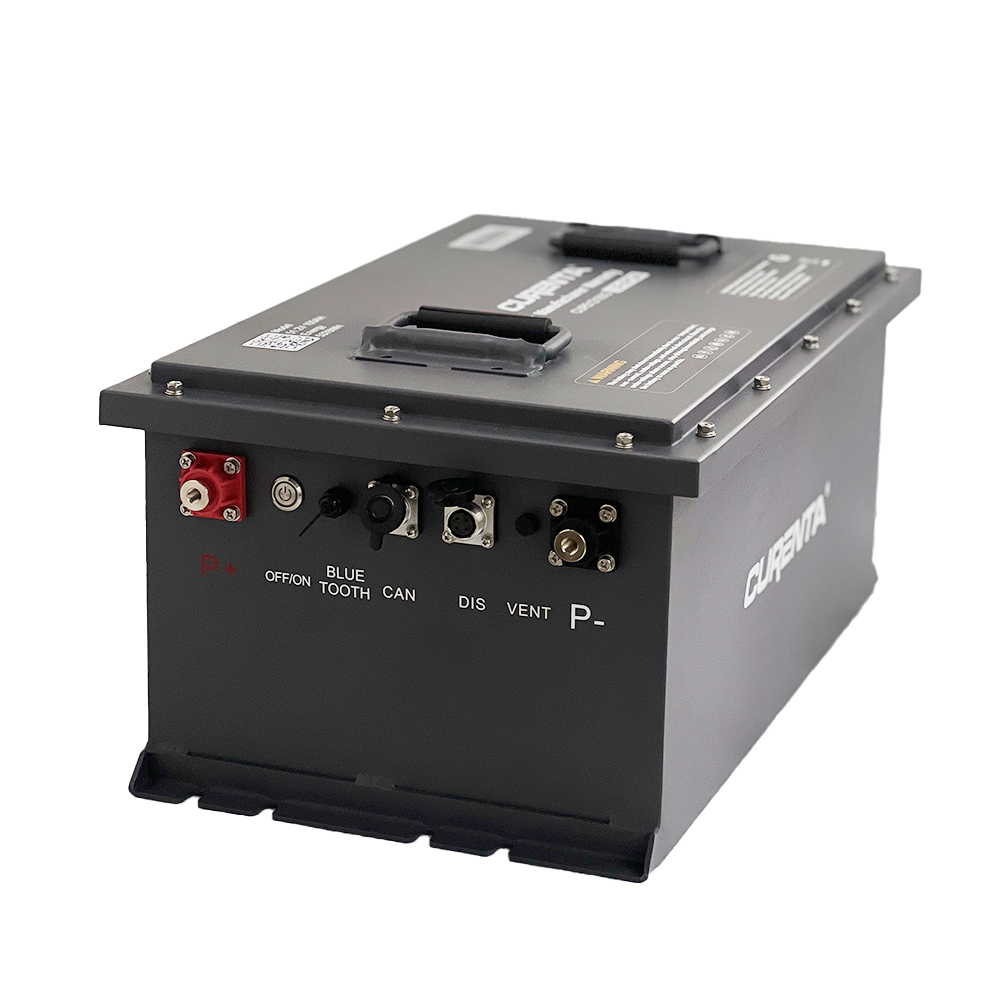


 WhatsApp