As electricity prices continue to rise and power grids face increasing pressure from extreme weather events, homeowners worldwide are looking for practical ways to improve energy security and reduce utility costs. Residential energy storage systems have become one of the fastest-growing segments in the renewable energy market, allowing households to store electricity for later use and maximize the benefits of solar power installations.
However, the performance and reliability of an energy storage solution depend heavily on the company behind it. Choosing the right residential energy storage system supplier is not simply about comparing battery capacities or pricing. It involves evaluating manufacturing capabilities, product quality, technical support, safety certifications, and long-term partnership value.
This guide explains what buyers, distributors, solar installers, and project developers should consider when selecting a residential energy storage system supplier and how high-quality battery technology contributes to long-term energy independence.
Understanding Residential Energy Storage Systems
A residential energy storage system is designed to store electrical energy for use when solar panels are not generating power or when grid electricity is unavailable or expensive.
A typical residential storage solution includes:
Battery pack
Battery management system (BMS)
Inverter
Energy management system (EMS)
Monitoring platform
Safety protection components
When integrated with rooftop solar panels, the system stores excess solar energy generated during the day and releases it when household demand increases, particularly during evenings or power outages.
The growing adoption of residential storage is driven by several factors:
Rising electricity tariffs
Increasing demand for energy independence
Expansion of solar power installations
Government incentives for renewable energy
Concerns about grid reliability
Growing awareness of sustainable living
As market demand expands, the role of a professional residential energy storage system supplier becomes increasingly important.
Why the Supplier Matters More Than the Product Specification
Many buyers focus primarily on battery capacity, cycle life, or warranty period. While these specifications are important, they only tell part of the story.
Two systems with similar specifications may perform very differently over time depending on manufacturing quality, cell consistency, thermal management design, and software integration.
A qualified residential energy storage system supplier contributes value in several critical areas:
Product Reliability
Battery storage systems are expected to operate for 10 to 15 years or longer. Manufacturing quality directly impacts:
Capacity retention
Charging efficiency
System stability
Safety performance
Maintenance requirements
Reliable suppliers implement strict quality control throughout production, ensuring consistency across every battery module.
Technical Expertise
Energy storage systems involve complex interactions between batteries, inverters, communication protocols, and energy management software.
An experienced supplier can provide:
This technical expertise helps avoid costly installation errors and operational issues.
Long-Term Support
Energy storage projects require ongoing service support.
A dependable residential energy storage system supplier offers:
Strong support infrastructure becomes especially important for distributors and installers managing multiple projects.
Key Factors to Evaluate When Selecting a Residential Energy Storage System Supplier
1. Battery Technology
The battery chemistry used in the system significantly affects safety, lifespan, and performance.
Today, Lithium Iron Phosphate (LiFePO4) technology is widely recognized as the preferred choice for residential applications because of its advantages:
Excellent thermal stability
Long cycle life
High safety performance
Low maintenance requirements
Strong depth-of-discharge capability
Compared with traditional lead-acid batteries, LiFePO4 batteries provide higher efficiency and longer operational life.
When evaluating a residential energy storage system supplier, verify the battery chemistry and cell sourcing strategy used in their products.
2. Manufacturing Capability
A supplier's production capacity reflects its ability to deliver consistent quality and meet large-volume orders.
Important considerations include:
Suppliers with advanced manufacturing infrastructure generally achieve better consistency and lower defect rates.
3. Safety Certifications
Safety remains one of the most critical concerns in residential energy storage.
A professional supplier should provide products that comply with recognized international standards.
Common certifications include:
Certifications demonstrate that the system has undergone rigorous testing under real-world operating conditions.
4. Battery Management System Quality
The Battery Management System serves as the intelligence center of the storage solution.
A high-quality BMS monitors:
Voltage
Current
Temperature
State of charge
State of health
It also provides protection against:
Overcharging
Over-discharging
Short circuits
Overheating
A residential energy storage system supplier with strong BMS development capabilities can significantly improve system reliability and longevity.
5. Scalability
Household energy demands often change over time.
Many homeowners begin with a smaller storage installation and expand capacity later.
Therefore, modular design is a valuable feature.
Look for systems that support:
Scalable solutions offer better long-term value and investment protection.
Residential Energy Storage Applications
Understanding how homeowners use battery storage can help buyers select the most suitable solution.
Solar Self-Consumption
This is currently the most common application.
Solar panels generate electricity during daylight hours, while batteries store excess production.
Stored energy is then used:
This improves solar utilization and reduces grid dependency.
Backup Power
Many homeowners install storage systems primarily for backup power protection.
During utility outages, batteries can continue powering:
The growing frequency of severe weather events has increased demand for residential backup power solutions.
Peak Shaving
In regions with time-of-use electricity pricing, homeowners can charge batteries during low-cost periods and discharge them when electricity prices are highest.
This strategy reduces utility expenses and improves return on investment.
Off-Grid Living
Remote homes often rely entirely on solar energy combined with battery storage.
In these situations, selecting an experienced residential energy storage system supplier becomes even more critical because the system must operate reliably without grid support.
Questions Buyers Should Ask Potential Suppliers
Before entering a partnership, buyers should evaluate suppliers using a structured assessment process.
Important questions include:
What Battery Cells Are Used?
Request information about:
Cell manufacturer
Cell chemistry
Cycle life testing
Performance reports
Cell quality directly influences system lifespan.
What Is the Warranty Policy?
Understand:
Clear warranty policies indicate supplier confidence in product quality.
Can the System Integrate with Multiple Inverters?
Compatibility is important for distributors and installers serving diverse markets.
A flexible residential energy storage system supplier should support communication protocols used by major inverter brands.
What Testing Procedures Are Performed?
Ask about:
Comprehensive testing reduces operational risk.
Is OEM or ODM Service Available?
For distributors and energy brands, customization may be essential.
Many suppliers provide:
OEM and ODM capabilities allow partners to build their own market presence.
Global Trends Driving Residential Energy Storage Growth
The residential storage market continues to expand worldwide.
Several trends are shaping future demand.
Electrification of Homes
More households are adopting:
These technologies increase electricity consumption and create stronger demand for battery storage.
Virtual Power Plants
Virtual Power Plant (VPP) programs connect residential batteries into larger energy networks.
Homeowners can earn incentives by allowing utilities to access stored energy during periods of high demand.
Battery systems designed for future VPP participation may become increasingly valuable.
Smart Energy Management
Modern storage solutions increasingly include intelligent software that can:
Digital energy management is becoming a key differentiator among suppliers.
Carbon Reduction Goals
Governments worldwide continue implementing policies that encourage renewable energy adoption.
Residential battery storage plays a critical role in reducing dependence on fossil-fuel-generated electricity.
Why Quality Matters More Than Initial Cost
Price remains an important consideration, but focusing exclusively on upfront cost can lead to higher expenses over time.
A lower-cost battery system may experience:
Faster capacity degradation
More frequent maintenance
Lower charging efficiency
Reduced safety margins
Shorter operational life
In contrast, products supplied by an experienced residential energy storage system supplier typically deliver:
Higher long-term reliability
Better energy efficiency
Stronger warranty protection
Lower total cost of ownership
When evaluated over a 10- to 15-year operating period, quality often generates greater financial value than the lowest purchase price.
How CURENTA BATTERY Supports Residential Energy Storage Projects
As a professional residential energy storage system supplier, CURENTA BATTERY focuses on delivering dependable lithium battery solutions designed for modern residential energy applications.
CURENTA's energy storage products are developed to support:
Residential solar energy storage
Backup power systems
Off-grid applications
Smart home energy management
Distributed renewable energy projects
Through advanced LiFePO4 technology, strict quality control processes, and comprehensive technical support, CURENTA BATTERY helps distributors, installers, and energy solution providers deliver reliable storage systems to homeowners worldwide.
Whether the goal is increasing solar self-consumption, enhancing energy resilience, or reducing electricity costs, selecting the right supplier is a critical step toward achieving long-term success.
Conclusion
The global transition toward clean and decentralized energy is creating unprecedented opportunities in residential battery storage. As homeowners seek greater control over their energy consumption, demand for dependable storage solutions will continue to rise.
Choosing a residential energy storage system supplier should involve much more than comparing technical specifications. Buyers should carefully evaluate battery technology, manufacturing capabilities, certifications, technical expertise, scalability, and after-sales support.
A trusted supplier serves as more than a product provider—it becomes a long-term partner in delivering safe, efficient, and sustainable energy solutions. By prioritizing quality, reliability, and technical competence, businesses can position themselves for success in the rapidly evolving residential energy storage market.

 English
 German
 Czech
Czech French
 Italian
 Hungarian
 Russian
 Japanese
 Korean
 Arabic
 Spanish
 Portuguese
 Danish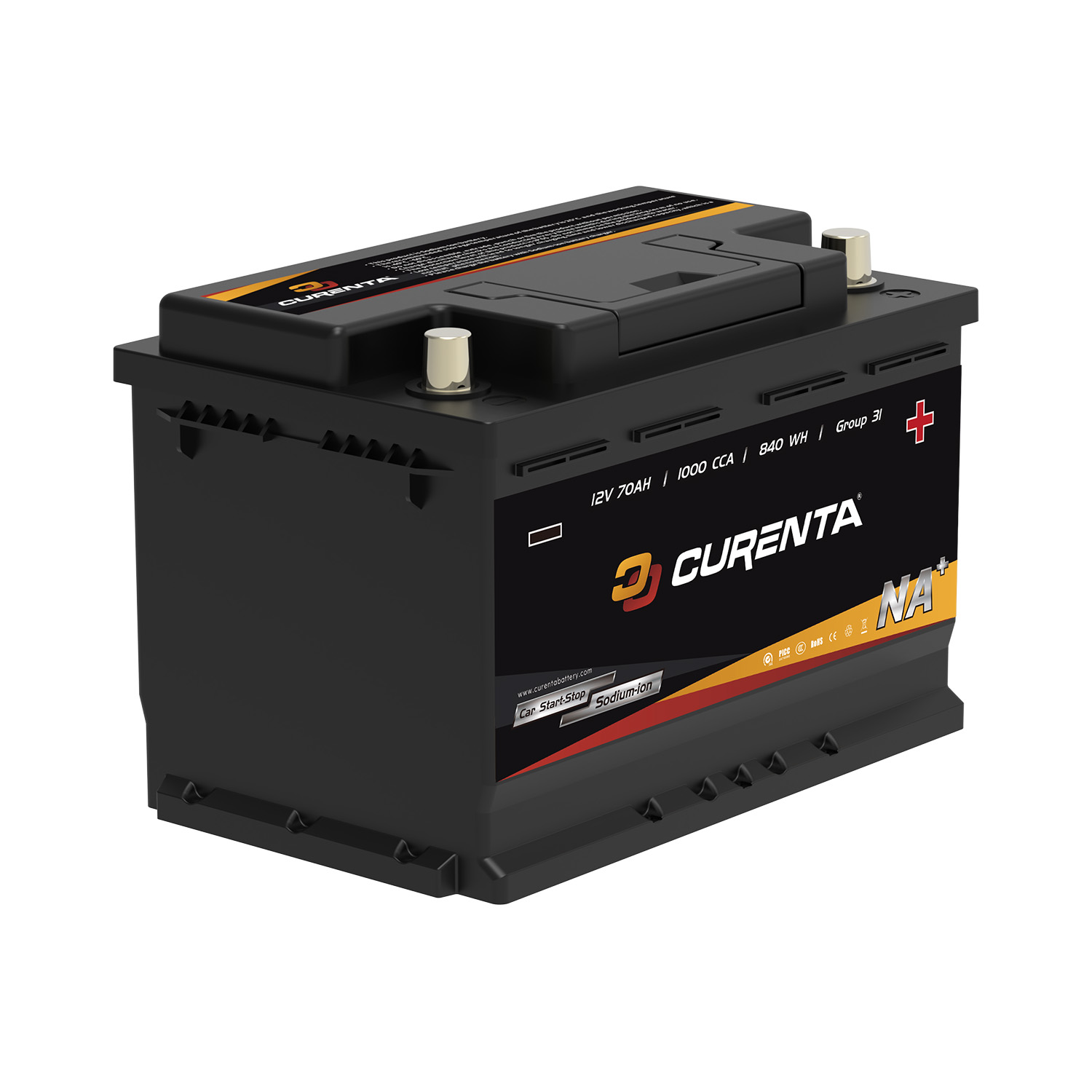


 WhatsApp