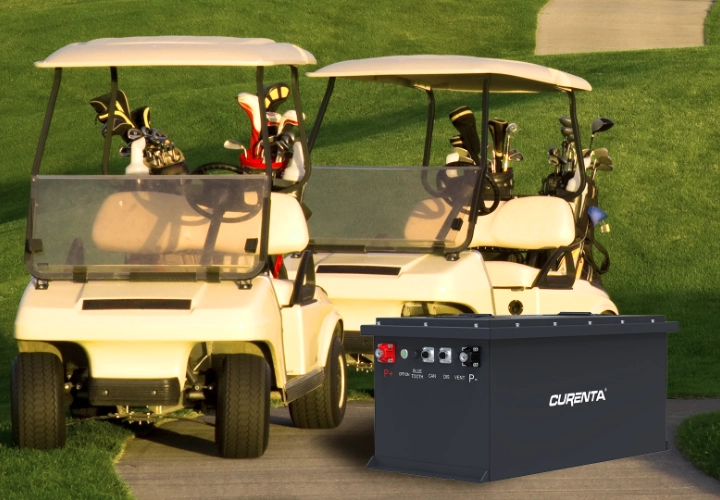
Upgrading your golf cart to lithium power is one of the best ways to improve performance, extend battery life, and reduce maintenance. A golf cart lithium battery upgrade can transform your ride, providing longer runtimes, faster acceleration, and lighter overall weight. If you’ve been relying on traditional lead-acid batteries, switching to lithium iron phosphate (LiFePO4) batteries is a smart, long-term investment. This step-by-step guide will walk you through the entire process of replacing your golf cart battery, ensuring a smooth and safe transition.
Why Consider a Golf Cart Lithium Battery Upgrade?
Before diving into installation, it’s essential to understand why a golf cart lithium battery upgrade is beneficial. Lead-acid batteries, though common, have several limitations:
Heavy weight: Lead-acid batteries add significant weight to your golf cart, reducing efficiency and putting stress on suspension components.
Limited lifespan: Most lead-acid batteries last only 4–6 years under normal use.
Slow charging: Lead-acid batteries require longer charging times, limiting your time on the course or property.
Maintenance: They require regular water refills and careful monitoring of voltage levels to prevent damage.
By upgrading to lithium, you gain several advantages:
Longer lifespan – LiFePO4 batteries can last up to 10 years or more.
Consistent power output – Lithium batteries maintain voltage more consistently, giving you smooth performance.
Faster charging – LiFePO4 batteries charge 2–3 times faster than lead-acid batteries.
Lightweight design – A lithium pack is significantly lighter, improving acceleration and handling.
Maintenance-free operation – Unlike lead-acid batteries, lithium batteries don’t require water top-ups or frequent checks.
A golf cart lithium battery upgrade is more than just a convenience; it is a long-term performance improvement.
Tools and Materials You’ll Need
Before beginning the replacement, gather all necessary tools and materials for a safe and efficient golf cart lithium battery upgrade:
LiFePO4 golf cart battery pack (compatible with your model)
Battery charger designed for lithium batteries
Wrenches and socket set
Screwdrivers
Wire connectors and crimping tool
Insulating gloves and safety glasses
Battery terminal protector spray
Multimeter for voltage verification
Having all tools on hand ensures a smooth installation and reduces the risk of errors during the upgrade process.
Step 1: Safety First
Working with batteries, whether lead-acid or lithium, involves electrical hazards. Prioritize safety during your golf cart lithium battery upgrade:
Turn off the golf cart and remove the key.
Wear insulated gloves and safety glasses.
Ensure the area is well-ventilated and free from water or flammable materials.
Keep a fire extinguisher nearby for emergencies.
Safety precautions prevent accidents and protect both you and your new battery investment.
Step 2: Remove the Old Lead-Acid Batteries
Begin the upgrade by carefully removing your old batteries:
Open the battery compartment and identify the lead-acid batteries.
Note the wiring layout; taking a photo is highly recommended for reference.
Disconnect the negative (black) terminal first, then the positive (red) terminal.
Remove any securing brackets or straps holding the batteries in place.
Carefully lift out the heavy lead-acid batteries and set them aside for proper recycling.
At this stage, a golf cart lithium battery upgrade already offers a noticeable weight reduction once you replace these heavy batteries.
Step 3: Inspect and Prepare the Battery Compartment
Before installing your new lithium pack, inspect the battery compartment:
Check for corrosion or dirt and clean the terminals and tray.
Ensure there’s adequate space for the LiFePO4 battery pack; lithium packs are often slightly smaller than lead-acid equivalents, which may allow for extra room or easier installation.
Verify that your cart’s voltage requirements match your new lithium pack.
This preparation step is crucial to avoid electrical issues and ensure proper performance during your golf cart lithium battery upgrade.
Step 4: Install the LiFePO4 Battery Pack
With the compartment ready, you can install the new battery:
Place the LiFePO4 battery pack into the compartment.
Secure the battery using brackets or straps provided by the manufacturer.
Connect the positive terminal first, followed by the negative terminal.
Apply terminal protector spray to prevent corrosion.
A proper connection ensures optimal performance and safety, making this step vital for a successful golf cart lithium battery upgrade.
Step 5: Wiring Considerations
Some golf carts may require additional adjustments when switching to LiFePO4 batteries:
Check for compatibility with the cart’s controller; most modern controllers work with lithium packs, but confirm before installation.
If your cart has a battery management system (BMS), ensure it is properly integrated. The BMS protects the battery from overcharging, overheating, and deep discharge.
Maintain proper polarity; reversing connections can damage the battery and electronics.
Correct wiring ensures long-term reliability and is a key aspect of any golf cart lithium battery upgrade.
Step 6: Charging Your New Lithium Batteries
Lithium batteries require a charger specifically designed for LiFePO4 chemistry:
Connect the charger to the battery terminals following the manufacturer’s instructions.
Monitor the charging process; lithium batteries charge faster than lead-acid batteries.
Once fully charged, disconnect the charger and check the voltage with a multimeter.
Using the correct charger is essential to maximize lifespan and performance, a core consideration in your golf cart lithium battery upgrade.
Step 7: Testing and First Ride
After installation, testing is critical:
Turn on the golf cart and observe dashboard indicators for any errors.
Take the cart for a short test drive to ensure smooth acceleration and braking.
Listen for unusual noises, check for vibrations, and monitor battery voltage during operation.
A successful test confirms that your golf cart lithium battery upgrade was executed correctly and that the cart is ready for regular use.
Step 8: Maintenance and Tips for Longevity
LiFePO4 batteries are low-maintenance but still require proper care:
Avoid deep discharges; recharge after each use if possible.
Keep the battery clean and dry.
Store the golf cart in a temperature-controlled environment, as extreme heat or cold can affect battery performance.
Schedule periodic voltage checks to ensure optimal health.
Following these tips ensures your golf cart lithium battery upgrade continues delivering reliable performance for years.
Step 9: Troubleshooting Common Issues
Even after a careful installation, some minor issues may arise:
Cart won’t start: Check terminal connections and ensure the BMS is properly functioning.
Voltage drops unexpectedly: Verify wiring integrity and confirm the charger is compatible.
Dashboard errors: Some carts require a system reset after switching to lithium. Refer to the manufacturer’s instructions.
Understanding these troubleshooting steps prepares you for any challenges during your golf cart lithium battery upgrade.
Step 10: Benefits Recap and Long-Term Value
Completing a golf cart lithium battery upgrade provides tangible advantages:
Reduced weight and improved handling.
Faster acceleration and smoother performance.
Longer battery life and lower total cost of ownership.
Minimal maintenance requirements.
Environmentally friendly disposal compared to lead-acid alternatives.
Over time, these benefits translate into both economic savings and enhanced user experience, proving that upgrading to lithium is a smart investment.
Step 11: Choosing the Right LiFePO4 Battery Pack
Not all lithium batteries are created equal. Consider these factors when selecting your battery pack:
Voltage and amp-hour rating compatible with your golf cart.
Built-in BMS for safety and longevity.
High-quality manufacturer with warranty coverage.
Lightweight yet durable construction.
Choosing the right battery ensures your golf cart lithium battery upgrade provides the performance and reliability you expect.
Step 12: Environmental Considerations
A golf cart lithium battery upgrade is not only practical but also environmentally responsible:
Lithium batteries can be recycled at the end of their life.
Reduced weight and higher efficiency lower energy consumption.
Maintenance-free operation eliminates chemical handling associated with lead-acid batteries.
By switching to lithium, you contribute to a more sustainable approach to golf cart operation.
Conclusion
Upgrading your golf cart to LiFePO4 batteries is a game-changing improvement. A proper golf cart lithium battery upgrade enhances performance, extends battery life, reduces maintenance, and provides long-term value. By following this step-by-step guide, you can safely and effectively transition from lead-acid to lithium power.
Investing in lithium is not just about better performance today—it’s about smarter, longer-lasting operation for years to come. Whether you use your golf cart for leisure, property management, or business purposes, this upgrade is a decision you won’t regret.

 English
 German
 Czech
Czech French
 Italian
 Hungarian
 Russian
 Japanese
 Korean
 Arabic
 Spanish
 Portuguese
 Danish

 WhatsApp