When comparing LiFePO4 vs lead-acid batteries, most discussions tend to focus on generic benefits like efficiency and longevity. While those points matter, the real value comes from understanding how each chemistry performs in day-to-day use, how they behave under load, what they require for maintenance, and how they affect long-term operational planning. Whether you build off-grid systems, run RV or marine power banks, or outfit industrial equipment, the differences between these batteries influence reliability, usable energy, and the frequency of replacements.
This article offers a grounded, side-by-side comparison, supported by real-world operating characteristics rather than overly simplified claims. Throughout the analysis, you’ll also find references to LiFePO4 product pages such as this one: LiFePO4 motive power solutions.
1. Usable Capacity: More Than Just Rated Ah
One of the clearest differences between LiFePO4 and lead-acid batteries lies in usable capacity. Although both may share the same rated amp-hours, their deliverable energy is not equal.
Lead-acid batteries, including AGM and gel, commonly restrict discharge to about 50 percent if you want to preserve lifespan. Heavier discharges accelerate sulfation and reduce cycle life significantly. In real usage, this means a 100Ah lead-acid battery offers about 50Ah of consistent usable capacity.
LiFePO4 batteries routinely support up to 80 to 90 percent usable capacity without compromising longevity. A 100Ah lithium iron phosphate battery can reliably supply 80 to 90Ah repeatedly. This difference impacts how many batteries you need for the same work. For applications like off-grid cabins, solar banks, or RV house power, this advantage reduces system weight, footprint, and the complexity of wiring multiple batteries in parallel.
2. Power Delivery Under Load
Both chemistries behave differently under heavy or sustained load. Lead-acid voltage tends to sag as soon as current increases. For devices that require stable voltage—such as inverters, electric motors, or refrigeration units—voltage drop can result in early shutdown or inconsistent performance.
LiFePO4 batteries deliver power with a flatter voltage curve. They maintain stable voltage until nearly the end of their discharge cycle. In practice, this means:
Inverters run more efficiently.
Motors start without hesitation.
Electronics perform predictably even as the battery drains.
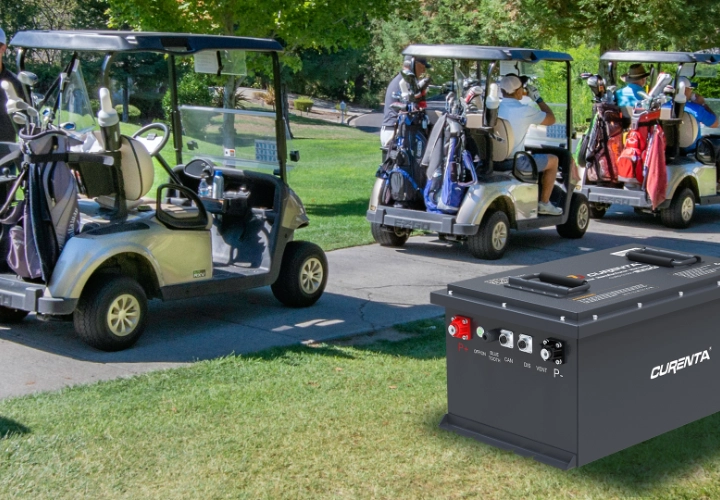
For equipment like floor scrubbers, golf carts, pallet jacks, and other motive-power applications, this characteristic directly affects productivity. Many of these use cases can be supported by LiFePO4 systems such as those offered in Curenta’s motive-power line: LiFePO4 motive power solutions.
3. Charge Speed and Charging Efficiency
Lead-acid charging is inherently slower due to absorption phases. Even high-quality chargers must taper down toward the end to prevent overcharging and heat buildup. A full charge cycle may take eight hours or more. For systems that operate daily, this slows turnaround time.
LiFePO4 batteries accept higher charge currents and maintain efficiency throughout the charge cycle. Many reach full charge in about two hours depending on charger capacity. This fast-charge capability is essential for commercial operations where downtime equates to lost productivity.
Additionally, lithium iron phosphate batteries maintain their charge integrity far better when left idle. Lead-acid self-discharges at a higher rate and requires periodic maintenance charging. LiFePO4’s low self-discharge is useful for backup power systems, seasonal equipment, and marine storage.
4. Lifespan and Replacement Intervals
Cycle life is one of the most influential factors in total-cost comparison. Lead-acid batteries may offer 300 to 500 cycles at 50 percent depth of discharge. Under harder use, their lifespan shortens considerably. Frequent replacements lead to more maintenance hours, more waste, and more system downtime.
LiFePO4 batteries often exceed 3,000 cycles at 80 percent depth of discharge. Many systems remain serviceable well beyond that mark. This difference shifts the economics significantly. Instead of replacing batteries every couple of years, LiFePO4 users can operate the same bank for many years with minimal degradation.
In industrial settings, longer lifespan reduces disruptions and planning overhead. For personal systems like RVs or off-grid homes, it means fewer battery swaps, fewer wiring changes, and far less long-term expense.
5. Maintenance Requirements
Lead-acid batteries require routine checks. Flooded lead-acid batteries in particular need water top-offs, equalization cycles, temperature monitoring, and corrosion cleanup. Even sealed AGM or gel batteries require attention, especially when stored or operated in warm climates.
LiFePO4 batteries are functionally maintenance-free. The internal battery management system (BMS) oversees protection against overcharge, over-discharge, and temperature extremes. That gives users confidence in long-term reliability with very little hands-on supervision.
For fleet managers or industrial operators, this reduction in maintenance hours is often as important as the increased lifespan.
6. Weight, Installation, and Mobility
Lead-acid batteries are significantly heavier than equivalent LiFePO4 units. A 100Ah deep-cycle lead-acid battery often weighs around twice as much as a comparable lithium iron phosphate battery. This difference does not just impact shipping. It affects installation logistics, accessibility, and system design.
For mobile systems—RV, marine, solar trailers, camping power stations—lighter weight translates to improved fuel efficiency, easier handling, and better equipment performance. The difference becomes even more noticeable when scaling power systems for off-grid living or commercial use.
7. Environmental Considerations
Lead-acid batteries contain materials that require careful handling during disposal or recycling. While the recycling industry for lead-acid is well-established, the process is energy-intensive and relies on proper channeling to avoid contamination risks.
LiFePO4 batteries do not contain lead or corrosive acid. Their longer lifespan also reduces the frequency of disposal. Over time, that means less operational strain on recycling systems and fewer battery replacements entering the waste stream.
8. Fit for Different Applications
Both chemistries still have their place. Lead-acid batteries remain common in starter batteries for vehicles, uninterruptible power supplies, and applications where upfront cost matters more than lifespan or energy density.
LiFePO4 batteries excel in deep-cycle environments:
Their consistent discharge curve, low maintenance requirements, and long lifespan make them a practical upgrade for users seeking stable, high-cycle energy storage.
For those evaluating 12V system replacements, many LiFePO4 options are now available in drop-in formats, compatible with existing 12V wiring and power architectures.
9. Long-Term Cost Considerations
While this article does not list prices, cost dynamics are shaped by lifespan, usable energy, maintenance, and reliability. A lead-acid system with a low acquisition cost may require multiple replacements over the lifetime of a single LiFePO4 unit. It may also require larger battery banks to deliver the same usable energy.
When calculating lifetime performance per cycle, LiFePO4 typically yields a lower total cost over time due to fewer replacements and higher efficiency. For individuals or businesses focused on predictable long-term operation, this stability is often the decisive factor.
10. Summary: Why LiFePO4 Has Become the Preferred Choice
LiFePO4 batteries deliver more usable power, support faster charging, maintain stable voltage, and last significantly longer than lead-acid batteries. They reduce maintenance tasks, streamline system design, and offer reliability that is measurable in daily operation rather than theoretical specifications.
Lead-acid systems still serve certain roles, but for sustained deep-cycle use, LiFePO4 has become the more dependable, long-term solution.
To explore specialized LiFePO4 options for motive power and other demanding environments, you can visit: LiFePO4 motive power solutions.

 English
 German
 Czech
Czech French
 Italian
 Hungarian
 Russian
 Japanese
 Korean
 Arabic
 Spanish
 Portuguese
 Danish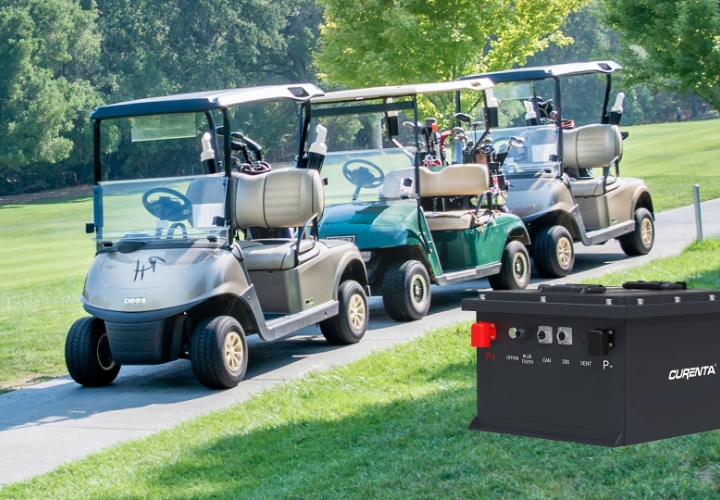
 WhatsApp