If you are considering switching from traditional lead-acid batteries to a more advanced, reliable, and long-lasting energy solution, then this LiFePO4 battery buying guide is exactly what you need. Lithium iron phosphate (LiFePO₄) batteries have transformed the energy storage world, becoming the preferred choice for golf carts, RVs, marine systems, solar energy storage, and even off-grid homes. Their exceptional safety, long cycle life, and stable performance make them one of the best investments for modern power needs.
This comprehensive LiFePO₄ battery buying guide explains everything you should know—chemistry basics, performance specs, sizing recommendations, safety considerations, real-world applications, comparisons with lead-acid, and how to choose the right brand. Whether you're shopping for a small 12V battery or designing a complete home energy storage solution, this guide covers every detail to help you make an informed purchase.
1. What Is LiFePO₄ and Why It Matters
To begin this LiFePO4 battery buying guide, it’s important to understand what a LiFePO₄ battery actually is. LiFePO₄ stands for Lithium Iron Phosphate, which is the cathode material used in the battery. This chemistry offers several advantages that make it superior to many other lithium-ion options, especially for deep-cycle uses.
1.1 LiFePO₄ Chemistry Advantages
LiFePO₄ batteries are unique because:
Extremely stable chemistry – Much safer compared to lithium cobalt oxide batteries.
Long cycle life – Often rated from 3,000 to 10,000 cycles, depending on quality.
High thermal stability – Resistant to overheating and combustion.
Consistent power delivery – Voltage remains stable throughout most of the discharge cycle.
Lightweight – Typically half the weight of AGM or flooded lead-acid batteries.
Environmentally friendly – No toxic heavy metals like lead.
Each of these characteristics makes LiFePO₄ ideal for applications like RVs, boats, and off-grid solar systems. This LiFePO4 battery buying guide emphasizes that chemistry matters because it directly affects safety, lifespan, and performance—three of the most important factors in any energy storage purchase.
2. Why Choose LiFePO₄ Over Lead-Acid?
A major focus of this LiFePO₄ battery buying guide is understanding why so many people are replacing lead-acid batteries with lithium iron phosphate. Many buyers upgrade because lead-acid batteries suffer from limitations that LiFePO₄ solves.
2.1 Lifespan Comparison
Lead-acid: 300–500 cycles (deep cycle)
AGM: 500–1,000 cycles
Gel: 700–1,100 cycles
LiFePO₄: 3,000–10,000 cycles
This dramatic increase in lifespan is one of the top reasons this LiFePO₄ battery buying guide strongly encourages users in RVs, boats, and solar systems to consider switching.
2.2 Usable Capacity Advantage
Lead-acid batteries can only be discharged to 50% without damaging the plates. LiFePO₄ can safely be discharged to 80–100%, depending on the manufacturer.
This means:
2.3 Weight Comparison
Lead-acid batteries are extremely heavy. A common 100Ah AGM battery weighs more than 60 lbs, whereas a LiFePO₄ battery of the same capacity usually weighs around 25–30 lbs. In golf carts, RVs, and boats, this weight difference is significant. That’s why many sections of this LiFePO₄ battery buying guide highlight weight as a major buying factor.
2.4 Charge Efficiency
LiFePO₄:
These features make LiFePO₄ especially appealing for solar energy systems. Faster and more efficient charging often means you can reduce generator use and improve solar harvesting.
3. Key Specs You Must Understand Before Buying
To make the most informed decision, this LiFePO₄ battery buying guide dives deeply into the specifications you’ll encounter while shopping. Understanding these specs ensures you get the right performance for your application.
3.1 Voltage (12V, 24V, 36V, 48V)
Most common LiFePO₄ battery system voltages:
12V – RVs, small boats, camping, backup power
24V – larger trolling motors, mid-sized solar systems
36V – golf carts, heavier marine motors
48V – home energy storage, larger golf carts, power walls
The voltage you choose affects wiring, inverter compatibility, and total storage capacity. In this LiFePO₄ battery buying guide, voltage selection plays a crucial role in designing your system correctly.
3.2 Capacity (Ah)
Battery capacity is measured in amp-hours (Ah), indicating how much energy the battery stores.
Common sizes:
For example:
A 12V 100Ah LiFePO₄ battery stores approx. 1.28 kWh of energy.
This guide stresses that you should estimate your daily energy consumption before choosing your battery capacity.
3.3 Discharge Rate (C-Rate)
The C-rate tells you how fast a battery can safely discharge.
Example:
High discharge rate batteries are crucial for:
This LiFePO₄ battery buying guide recommends choosing a battery with a minimum continuous discharge rate of 1C when using large inverters.
3.4 Battery Management System (BMS)
The BMS is the brain of the battery. It protects against:
overcharge
over-discharge
short circuits
overcurrent
temperature extremes
A high-quality BMS greatly impacts lifespan, safety, and performance. This LiFePO₄ battery buying guide strongly cautions against purchasing batteries with cheap or undersized BMS systems.
3.5 Internal Heating (Low Temperature Charging)
LiFePO₄ cannot be charged below 0°C (32°F) unless equipped with a built-in heater.
If you live in:
Canada
Northern US states
Europe
Cold mountain regions
You must choose a self-heating LiFePO₄ battery. This is a key recommendation repeated throughout this LiFePO₄ battery buying guide because improper low-temperature charging can permanently damage the battery.
4. How to Size a LiFePO₄ Battery for Your Application
Every application has different energy demands. This LiFePO₄ battery buying guide breaks down how to size your battery for each scenario.
4.1 Golf Carts
Golf carts are one of the biggest reasons people search for a LiFePO₄ battery buying guide, especially when upgrading from old lead-acid pack systems.
Typical golf cart systems
How many Ah do you need?
36V 50Ah – Light duty, flat terrain
36V 100Ah – Standard use
48V 50Ah – Short-distance or occasional use
48V 100Ah – Most popular upgrade
48V 200Ah – Heavy-duty carts, lifted carts, long-range use
Expected range with LiFePO₄
Most golf carts get:
50Ah pack → 20–25 miles
100Ah pack → 35–45 miles
200Ah pack → 60–80 miles
LiFePO₄ batteries dramatically improve performance because they deliver full power even when low on charge. That's a major selling point in any LiFePO₄ battery buying guide.
4.2 Marine / Trolling Motors
For boats and trolling motors, weight reduction is a game changer. In this LiFePO₄ battery buying guide, marine buyers should prioritize:
Common sizes
12V 50Ah → small trolling motors
12V 100Ah → 30–70 lb thrust motors
24V 100Ah → larger or dual-motor setups
36V 100Ah → heavy-duty professional motors
Key features for marine batteries
LiFePO₄ also avoids sulfation, making it ideal for seasonal boat owners.
4.3 RV and Camper Batteries
RVs rely heavily on deep-cycle batteries for:
lights
refrigerators
inverters
air conditioning
water pumps
This LiFePO₄ battery buying guide recommends:
Capacity recommendations
Weekend campers: 12V 100Ah
Full-time RVers: 12V 200Ah
Off-grid RVers: 12V 300–400Ah
RV solar systems: 200–600Ah
Benefits for RV owners
One-third the weight of lead-acid
Can discharge deeper without damage
Faster charging from alternators or solar panels
4.4 Home Energy Storage
LiFePO₄ is the #1 chemistry used in:
Powerwalls
Solar battery banks
Off-grid cabins
Backup power systems
In this LiFePO₄ battery buying guide, home systems require the most planning.
Typical home energy storage sizes
LiFePO₄’s long lifespan (10–20 years) makes it ideal for solar storage.
5. Key Features to Look For When Shopping
This LiFePO₄ battery buying guide presents the most important buying factors:
5.1 High-Quality BMS
Look for:
5.2 Grade A Cells
Only buy LiFePO₄ batteries using Grade A cells. These offer:
longer cycle life
higher capacity
consistent performance
5.3 Certifications
A reputable LiFePO₄ battery buying guide must highlight certifications such as:
These ensure safety and transportation compliance.
5.4 Warranty
A good LiFePO₄ battery includes:
5.5 Expandability
Many buyers want to expand their energy system over time. Look for batteries that support:
5.6 Smart Features
Modern LiFePO₄ batteries may include:
These features greatly enhance usability.
6. How to Install a LiFePO₄ Battery Properly
A proper installation ensures safety and longevity. This LiFePO₄ battery buying guide emphasizes that even though LiFePO₄ is safe, improper wiring can reduce performance.
6.1 Key installation steps
Use properly sized cables (2AWG–4AWG for high power).
Ensure secure, corrosion-resistant terminals.
Avoid mixing old and new batteries.
Never mix battery chemistries.
Mount securely to prevent vibration damage.
6.2 Charging Setup
LiFePO₄ batteries require a compatible charger with:
7. Charging Your LiFePO₄ Battery the Right Way
A major part of this LiFePO₄ battery buying guide focuses on how charging impacts battery lifespan.
7.1 Compatible Chargers
Use chargers labelled:
7.2 Alternator Charging
RVs and vehicles require:
DC-DC chargers (30A–60A)
Overvoltage protection
7.3 Solar Charging
Most MPPT controllers support LiFePO₄.
Recommended solar charging parameters for 12V batteries:
Boost: 14.4–14.6V
Float: 13.5V (optional)
8. Common Mistakes to Avoid When Buying LiFePO₄ Batteries
Every complete LiFePO₄ battery buying guide should help you avoid costly mistakes.
8.1 Buying cheap, low-quality batteries
Low prices often mean:
recycled cells
poor BMS
false capacity ratings
8.2 Not checking inverter compatibility
Some older inverters do not work well with lithium batteries.
8.3 Using incorrect chargers
Lead-acid chargers with aggressive float voltage can damage LiFePO₄ batteries.
8.4 Overloading the battery
Always check the continuous discharge rating.
8.5 Ignoring low-temperature charging
Without heaters, charging below freezing can cause permanent damage.
9. How to Compare Brands
As this LiFePO₄ battery buying guide explains, the market is full of brands—but they vary widely in quality.
Factors to compare
Cell grade (A or B)
BMS quality
Warranty
Customer support
Case material
Cold-weather performance
Actual tested capacity
Where most batteries differ
Many companies use the same cells, but:
wiring
heat dissipation
BMS quality
warranty support
make a big difference.
10. Maintenance Tips to Maximize Battery Life
LiFePO₄ batteries require little maintenance, but this LiFePO₄ battery buying guide gives tips to maximize their lifespan.
10.1 Keep Battery Above 20%
While LiFePO₄ can go to 0%, staying above 20% improves longevity.
10.2 Store at 50% Charge
For long-term storage (winter or seasonal use).
10.3 Avoid Continuous Extreme Heat
LiFePO₄ prefers:
0–45°C charging
-20–60°C discharging
10.4 Use a Proper Charger
Correct voltage keeps your battery healthy for years.
11. FAQ: LiFePO₄ Battery Buying Guide Edition
Q1: Are LiFePO₄ batteries safe?
Yes—LiFePO₄ is the safest lithium chemistry available.
Q2: Can I use my old lead-acid charger?
Not recommended unless it has a lithium mode.
Q3: Can LiFePO₄ replace lead-acid directly?
In most cases yes, but check voltage and charging specs.
Q4: Do LiFePO₄ batteries work in cold weather?
Yes, but charging below freezing requires a heater.
Q5: How long do LiFePO₄ batteries last?
Typically 10–20 years, depending on cycles.
Conclusion
This LiFePO4 battery buying guide has covered every major aspect you need to understand before upgrading: chemistry, sizing, safety, applications, installation tips, maintenance, and how to choose a reputable brand. LiFePO₄ batteries offer a massive upgrade compared to lead-acid, including longer lifespan, superior safety, higher usable capacity, lighter weight, and faster charging. Whether you're upgrading a golf cart, outfitting an RV, powering a boat, or building a home energy storage system, LiFePO₄ provides reliable, long-lasting, and efficient energy storage that pays for itself over time.
By following this complete LiFePO₄ battery buying guide, you can confidently choose the right battery for your needs and enjoy years of dependable performance.

 English
 German
 Czech
Czech French
 Italian
 Hungarian
 Russian
 Japanese
 Korean
 Arabic
 Spanish
 Portuguese
 Danish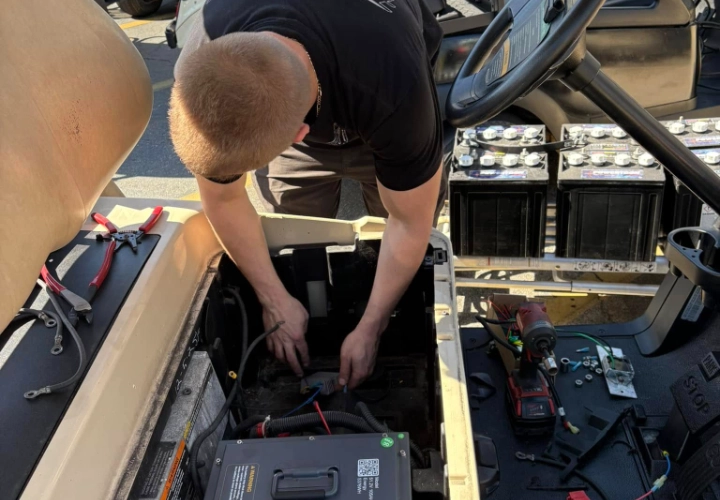

 WhatsApp