Introduction: The Growing Role of Battery Storage in Connected Energy Networks
The global energy industry is undergoing a significant transition. With the increasing adoption of renewable energy sources, rising electricity demand, and the need for more stable power infrastructure, businesses and households are looking for smarter ways to manage electricity generation, storage, and consumption.
Traditional power systems mainly depend on centralized electricity generation and one-way energy distribution. However, modern energy networks require greater flexibility. Solar power, wind energy, electric vehicles, and distributed energy resources are changing how electricity is produced and consumed. In this environment, a grid-tied battery storage system has become an important solution for improving energy efficiency, increasing power reliability, and supporting renewable energy integration.
Unlike standalone battery systems that operate independently from the electrical grid, a grid-connected storage solution works together with the utility network. It can store excess electricity when energy production is high and supply stored power when demand increases or grid conditions change. This capability allows users to optimize energy usage while reducing dependence on conventional power sources.
CURENTA BATTERY, INC is an Original LiFePO4 Battery Manufacturer with more than 15 years of experience in energy storage systems and motivation power applications. The company specializes in providing professional battery system solutions for household energy storage, solar battery systems, EV applications, lead acid battery replacement, golf cart batteries, and other industrial power requirements. With local warehouses and maintenance teams in the USA and Europe, CURENTA BATTERY supports customers with reliable products and service capabilities across international markets.
What Is a Grid-Tied Battery Storage System?
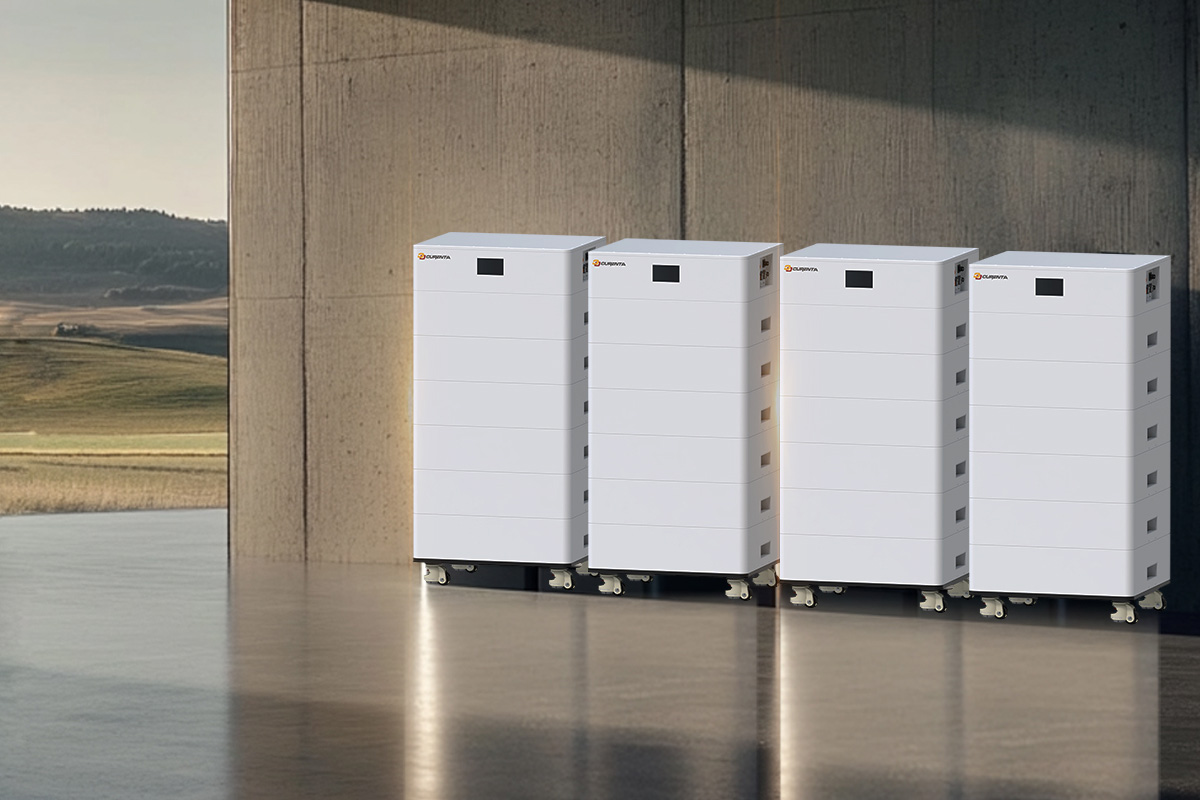
A grid-tied battery storage system is an energy storage solution connected directly to the electrical grid. It typically consists of several key components, including lithium battery modules, battery management systems (BMS), power conversion equipment, monitoring platforms, and grid connection equipment.
The main purpose of this system is to manage the relationship between electricity production, electricity consumption, and grid availability.
When renewable energy sources such as solar panels generate more electricity than a building requires, the excess energy can be stored in the battery system instead of being wasted. Later, when electricity demand increases or renewable generation decreases, the stored energy can be released to support the load.
A typical operating process includes:
Energy generation from solar panels or other renewable sources
Conversion and control through an inverter system
Storage of surplus electricity in lithium battery modules
Energy discharge during peak demand periods or power interruptions
Intelligent communication with the utility grid and energy management platform
This operating model helps create a more balanced and efficient energy ecosystem.
For commercial users, a grid-tied battery storage system can support demand management, reduce pressure during peak electricity periods, and improve operational continuity. For residential users, it provides greater control over household energy consumption and improves the utilization rate of renewable energy.
Why Lithium Iron Phosphate Batteries Are Widely Used in Grid Energy Storage
Battery technology is one of the most important factors affecting the performance of energy storage systems. Among different lithium battery technologies, LiFePO4 (Lithium Iron Phosphate) batteries have become a preferred choice for many energy storage applications because of their safety, durability, and long service life.
Compared with traditional lead acid batteries, LiFePO4 batteries offer several advantages:
Longer Service Life
Energy storage systems are designed for long-term operation. A battery that requires frequent replacement can increase maintenance complexity and affect the overall reliability of the system.
LiFePO4 batteries generally provide significantly longer cycle life compared with conventional lead acid batteries. This makes them suitable for applications where batteries need to charge and discharge regularly, including solar energy storage and grid-connected applications.
Higher Energy Efficiency
Battery efficiency directly affects how much stored electricity can actually be used. LiFePO4 batteries typically provide higher charge and discharge efficiency, allowing users to maximize the value of stored energy.
For renewable energy projects, improving energy utilization is especially important because solar and wind generation can fluctuate depending on environmental conditions.
Enhanced Safety Performance
Safety is a critical consideration for any battery storage project. LiFePO4 chemistry provides excellent thermal stability and lower risk of thermal runaway compared with some other lithium battery technologies.
This characteristic makes LiFePO4 batteries suitable for residential, commercial, and industrial energy storage applications where long-term reliability is required.
CURENTA BATTERY focuses on developing and supplying high-quality LiFePO4 battery solutions that meet different application requirements. The company's battery products have passed international certifications including CE, IEC, UKCA, UN38.3, and MSDS, helping customers meet safety and transportation requirements in global markets.
Main Applications of Grid-Tied Battery Storage Systems
A grid-tied battery storage system can be applied across multiple industries and scenarios. The flexibility of lithium battery technology allows energy storage solutions to support different power requirements.
Residential Solar Energy Storage
Residential solar systems are one of the fastest-growing applications for battery storage technology. Many homeowners install solar panels to generate clean electricity, but solar generation is naturally limited by daylight conditions.
Without energy storage, excess solar power generated during the daytime may not be fully utilized. A battery system allows homeowners to store unused solar energy and use it during evenings, cloudy periods, or unexpected power interruptions.
A properly designed system can help households:
Increase solar energy self-consumption
Improve backup power capability
Reduce dependence on grid electricity
Create more flexible energy management strategies
As energy costs and renewable energy adoption continue to evolve, residential battery storage has become an important component of modern smart energy systems.
Commercial and Industrial Energy Management
Businesses often face challenges related to electricity demand, operational reliability, and energy cost management. Manufacturing facilities, warehouses, offices, and commercial buildings require stable power supplies to maintain continuous operations.
A grid-tied battery storage system can help commercial users manage energy more effectively by storing electricity during lower-demand periods and providing additional power support when demand increases.
Common applications include:
For industrial users, battery storage is not only an energy backup solution but also a tool for improving overall energy management efficiency.
Solar Battery Systems for Renewable Energy Projects
Solar energy has become an important renewable energy source worldwide. However, solar generation depends heavily on weather conditions and daylight availability. Energy storage helps solve this challenge by providing a buffer between energy production and energy consumption.
A solar battery system combined with grid connection allows users to achieve a more stable energy supply. During periods of high solar generation, electricity can be stored. During periods of low solar output, stored energy can be used to support electrical loads.
This combination improves renewable energy utilization and helps create a more flexible energy infrastructure.
Important Factors When Selecting a Grid-Tied Battery Storage System
Choosing the right energy storage solution requires careful evaluation of several technical factors. Different applications have different requirements regarding capacity, installation environment, operating conditions, and expected service life.
Battery Capacity and Energy Requirements
The first consideration is determining how much energy needs to be stored. Battery capacity should match the user's electricity consumption pattern and backup requirements.
Oversized systems may increase unnecessary investment and space requirements, while undersized systems may not provide sufficient energy support.
A professional battery supplier can help customers evaluate energy demand and recommend suitable configurations.
Battery Management System Performance
The Battery Management System (BMS) plays a critical role in monitoring and protecting lithium battery operation.
A reliable BMS helps manage:
For long-term energy storage operation, an advanced BMS is essential for maintaining battery performance and extending service life.
System Compatibility
A grid-connected storage system must work properly with existing electrical equipment, solar inverters, and energy management platforms.
Compatibility between battery modules, inverters, and monitoring systems directly affects installation efficiency and operational stability.
Experienced battery suppliers can provide technical support to ensure smooth system integration.
Why Choose CURENTA BATTERY for Energy Storage Solutions?
CURENTA BATTERY provides professional LiFePO4 battery solutions for customers requiring reliable energy storage products and technical support.
With more than 15 years of experience in the energy storage systems and motivation power industry, the company has developed extensive knowledge in battery applications, product design, and system requirements.
CURENTA BATTERY's advantages include:
Professional experience in LiFePO4 battery technology
Solutions for household ESS, EV, solar storage, and industrial applications
International certification support including ISO9001, ISO14001, ISO45001, CE, IEC, UKCA, UN38.3, and MSDS
Local warehouse and maintenance support in the USA and Europe
Long-term commitment to product reliability with extended warranty support
The company works closely with global customers to provide battery solutions designed for practical application needs rather than standardized products only.
Conclusion
The demand for smarter and more flexible energy solutions continues to increase worldwide. A grid-tied battery storage system provides an effective way to connect renewable energy generation, electricity consumption, and grid management into one integrated system.
By storing excess renewable energy, improving power reliability, and optimizing electricity usage, battery storage technology is helping businesses and households build more efficient energy systems.
LiFePO4 battery technology, with its long service life, safety advantages, and strong performance, has become a key choice for modern energy storage applications. As an experienced battery solution provider, CURENTA BATTERY continues to support global customers with reliable battery systems for renewable energy, mobility power, and industrial applications.
For companies searching for a dependable energy storage partner, selecting a professional supplier with proven technology, certification capability, and international service experience is essential for achieving long-term system performance.

 English
 German
 Czech
Czech French
 Italian
 Hungarian
 Russian
 Japanese
 Korean
 Arabic
 Spanish
 Portuguese
 Danish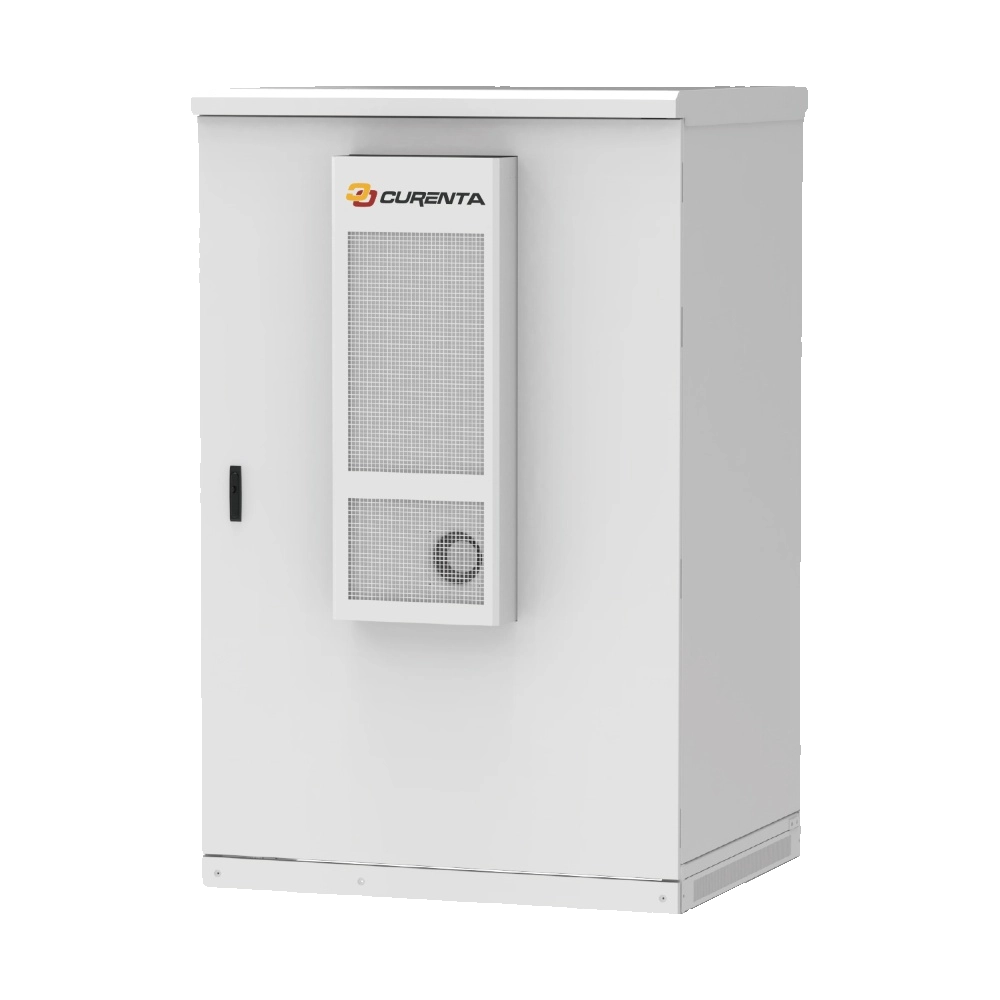

 WhatsApp