Home > search
  • All-in-One Energy Storage System: Practical Guide for B2B Energy Projects

    Introduction: Why integration is reshaping energy storage


    The global energy transition is pushing commercial and industrial users to adopt more predictable, controllable, and resilient power systems. In this context, the all-in-one energy storage system has become a dominant architecture for both new deployments and retrofit solar-plus-storage projects.

    Unlike traditional setups where batteries, inverters, Battery Management Systems (BMS), and Energy Management Systems (EMS) are sourced and integrated separately, an all-in-one configuration consolidates these subsystems into a factory-engineered cabinet. This reduces on-site engineering complexity and improves system consistency across installations.

    For manufacturers such as CURENTA BATTERY, this architecture is not just a packaging decision—it is a systems engineering approach designed to reduce failure points, improve deployment speed, and standardize performance across varied grid environments.


    1. What defines an all-in-one energy storage system


    At its core, an all-in-one energy storage system is a tightly integrated Battery Energy Storage System (BESS) that combines the main functional blocks required for energy storage and conversion into a single enclosure.

    A typical configuration includes:

    • Lithium battery modules (commonly LiFePO₄ chemistry for safety and cycle life)

    • Power Conversion System (PCS) / inverter for AC/DC bidirectional conversion

    • Battery Management System (BMS) for cell-level protection and balancing

    • Energy Management System (EMS) for system-level dispatch and optimization

    • Thermal management system (air-cooled or liquid-cooled)

    • Electrical protection and fire suppression systems

    This integrated structure eliminates the traditional multi-vendor layering that often leads to compatibility and commissioning issues in distributed ESS designs.

    From an engineering standpoint, the PCS acts as the electrical interface with the grid, while the EMS coordinates energy flow decisions based on load demand, tariff structures, and generation availability. The BMS ensures the electrochemical stability of the battery pack at all times.


    2. Why the industry is moving toward integrated ESS architectures


    The shift toward all-in-one systems is not driven by marketing—it is a response to real deployment constraints faced by EPC contractors, distributors, and industrial energy managers.


    2.1 Reduced installation complexity

    Traditional ESS projects require multiple site-level integrations: DC cabling, inverter configuration, communication protocol alignment, and safety validation across different vendors.

    An all-in-one energy storage system arrives pre-configured and factory-tested, significantly reducing commissioning time. In many commercial deployments, installation time can be reduced from several days to a matter of hours.


    2.2 Lower system incompatibility risk

    One of the most common failure points in modular ESS deployments is interoperability between components from different manufacturers. Communication mismatches between EMS and inverter systems, or inconsistent BMS protocols, can cause energy loss or system shutdowns.

    Integrated systems mitigate this risk by ensuring all components are designed around a unified control architecture.


    2.3 Higher operational efficiency

    Energy losses often occur at the interface between separately integrated subsystems. Studies of distributed ESS configurations show efficiency losses of several percentage points due to conversion and control mismatches. Integrated systems reduce these losses by optimizing internal DC coupling and control logic at the factory level.


    3. System architecture: how all-in-one ESS actually works


    Understanding the internal architecture is critical for evaluating system performance and suitability for different applications.


    3.1 DC and AC coupling design

    All-in-one systems generally adopt either:

    • DC-coupled architecture: PV arrays connect directly to a DC bus, reducing conversion stages and improving efficiency in solar-heavy applications

    • AC-coupled architecture: more flexible for retrofitting existing PV systems and grid-connected upgrades

    The choice depends on whether the system is designed for new hybrid solar-storage projects or retrofit installations.


    3.2 Energy flow control logic

    Energy flow in an integrated ESS typically follows this logic hierarchy:

    1. EMS determines load demand and grid conditions

    2. PCS executes conversion commands (AC ↔ DC)

    3. BMS ensures safe battery charge/discharge boundaries

    4. Thermal system maintains optimal operating temperature

    This layered control structure allows the system to respond dynamically to load changes, peak shaving requirements, or grid outages.


    3.3 Safety systems integration

    Modern all-in-one energy storage systems include multi-layer safety design:

    • Cell-level thermal monitoring

    • Module-level voltage and temperature control

    • System-level fire suppression

    • Electrical isolation and surge protection

    This is particularly important in industrial environments where high load variability and environmental exposure increase operational risk.


    4. Key advantages for commercial and industrial applications


    4.1 Faster project deployment

    For EPC contractors and energy developers, project turnaround time directly affects profitability. Pre-integrated systems eliminate the need for complex on-site engineering coordination, reducing delays caused by component mismatch or configuration errors.


    4.2 Predictable system performance

    Because the system is factory-integrated, performance parameters such as efficiency, charge/discharge behavior, and thermal response are standardized. This is especially important for large-scale deployments such as warehouses, factories, and EV charging hubs.


    4.3 Reduced lifecycle maintenance complexity

    Maintenance in modular ESS often requires troubleshooting across multiple vendors. With an integrated system, diagnostics are centralized, typically through the EMS platform, reducing downtime and simplifying service operations.


    4.4 Better scalability planning

    While traditional systems are highly modular, integrated systems are increasingly designed with parallel expansion capability. This allows multiple cabinets to be synchronized for higher capacity installations without redesigning the entire system architecture.


    5. Application scenarios across industries


    The all-in-one energy storage system is widely deployed across multiple sectors due to its flexibility and standardized deployment model.


    5.1 Industrial manufacturing

    Factories use ESS for peak shaving, load shifting, and backup power continuity. Energy-intensive machinery benefits from stable voltage supply and reduced demand charges.


    5.2 Commercial buildings

    Shopping malls, office complexes, and data centers use integrated ESS to stabilize energy consumption profiles and improve resilience during grid instability.


    5.3 EV charging infrastructure

    Fast-charging stations require high power bursts that can strain local grids. ESS buffers these peaks, enabling stable charging without infrastructure upgrades.


    5.4 Renewable energy integration

    Solar and wind installations rely on ESS to smooth intermittency. Integrated systems simplify coupling between renewable generation and storage assets.


    6. Technical considerations when selecting a system


    Choosing an all-in-one energy storage system requires evaluation beyond nominal capacity.


    6.1 Battery chemistry and cycle life

    Most commercial systems use lithium iron phosphate (LFP) due to its thermal stability and long cycle life. However, cycle performance should be evaluated under real-world depth-of-discharge conditions.


    6.2 PCS rating and overload capability

    The inverter must be properly sized for peak load demand, especially in industrial applications where short-term power spikes are common.


    6.3 EMS intelligence level

    A more advanced EMS enables:

    • Peak shaving optimization

    • Time-of-use tariff arbitrage

    • Grid export limitation compliance

    • Predictive load balancing

    The EMS is often the most overlooked but strategically important component in system ROI.


    6.4 Thermal management design

    Air-cooled systems are simpler but less efficient under high ambient temperatures. Liquid-cooled systems offer better performance stability in large-scale or high-density deployments.


    7. Market trends driving adoption


    Several structural trends are accelerating the adoption of integrated ESS platforms:

    • Increasing volatility in electricity pricing

    • Expansion of distributed renewable generation

    • Corporate decarbonization targets

    • Growth in EV infrastructure demand

    • Grid congestion and capacity constraints

    As a result, procurement strategies are shifting toward turnkey energy storage solutions rather than component-based sourcing.


    8. Role of manufacturers like CURENTA BATTERY


    Companies such as CURENTA BATTERY operate within this evolving landscape by focusing on integrated system design rather than standalone component supply.

    In the B2B segment, the value proposition is no longer limited to battery capacity. Instead, it includes:

    • System-level integration quality

    • Engineering compatibility across subsystems

    • Deployment efficiency

    • Long-term operational stability

    • Scalability for industrial use cases

    This aligns directly with the requirements of EPC contractors and energy project developers who prioritize predictable installation outcomes and lifecycle reliability.


    Conclusion


    The all-in-one energy storage system represents a shift from component-based energy storage toward fully integrated, software-controlled energy infrastructure. Its advantages—reduced installation complexity, improved system efficiency, and standardized performance—make it particularly suitable for commercial and industrial applications.

    As energy markets continue to evolve, demand will increasingly favor turnkey, factory-integrated solutions that simplify deployment while improving operational predictability. Manufacturers that can deliver tightly integrated systems with strong EMS intelligence and robust safety design will remain competitive in this rapidly expanding sector.


    View More

    All-in-One Energy Storage System: Practical Guide for B2B Energy Projects
  • Why Choosing the Right Industrial ESS Battery Manufacturer Matters for Modern Energy Projects

    As energy costs continue to rise and grid stability becomes more unpredictable, more businesses are investing in battery energy storage systems (ESS) to improve energy efficiency, reduce operating expenses, and support renewable energy integration. For EPC contractors, solar integrators, distributors, factory operators, and project developers, selecting a reliable industrial ESS battery manufacturer is no longer only about battery pricing. It is about long-term system stability, engineering support, safety compliance, and lifecycle value.

    CURENTA BATTERY has positioned itself as a manufacturer focused on commercial and industrial energy storage solutions, including residential ESS, high-voltage systems, and commercial-scale battery storage platforms. According to the company profile, CURENTA has more than 15 years of experience in the energy storage and motive power industry, with manufacturing capabilities centered around LiFePO4 battery technology.

    This article explores what businesses should evaluate when choosing an industrial ESS battery manufacturer, how industrial ESS systems are used in real projects, and why system integration capability matters as much as battery cells themselves.


    What Is an Industrial ESS?


    An industrial ESS (Energy Storage System) is a battery-based power management system designed to store electricity and release it when needed. These systems are widely used in:

    • Manufacturing plants

    • Commercial buildings

    • Solar farms

    • EV charging stations

    • Data centers

    • Telecom infrastructure

    • Microgrids

    • Agricultural facilities

    • Remote industrial operations

    Unlike small residential battery setups, industrial ESS projects usually involve higher voltage architecture, advanced battery management systems (BMS), thermal control systems, EMS integration, and grid coordination.

    Most modern industrial systems now use LiFePO4 chemistry because of its thermal stability, long cycle life, and relatively lower fire risk compared to some other lithium chemistries.

    According to information published by CURENTA BATTERY Energy Storage Systems, the company focuses on both residential and commercial & industrial ESS solutions, including stackable high-voltage systems and large-capacity storage platforms.


    Why Businesses Are Investing in ESS Systems


    1. Reducing Peak Demand Charges

    In many regions, industrial electricity bills are heavily influenced by peak demand usage. ESS systems can discharge stored energy during peak hours to reduce demand spikes.

    For factories operating heavy machinery, this can significantly lower monthly utility costs.

    A properly configured ESS can:

    • Charge during off-peak hours

    • Discharge during expensive demand windows

    • Reduce strain on transformers

    • Improve power quality

    This is especially useful for industrial facilities with variable production schedules.


    2. Supporting Solar Energy Systems


    Many businesses already use rooftop or ground-mounted solar systems. However, solar generation is intermittent.

    An industrial ESS battery manufacturer must provide systems capable of:

    • Managing solar charging fluctuations

    • Coordinating with PCS and EMS systems

    • Supporting hybrid inverters

    • Maintaining stable DC bus voltage

    Battery storage allows excess solar energy generated during the day to be used at night or during cloudy periods.

    Research on hybrid microgrid systems also shows that combining battery storage with renewable energy improves long-duration grid stability and operational flexibility. (arXiv)


    3. Backup Power for Critical Operations


    Industrial facilities increasingly require uninterrupted power.

    Downtime can result in:

    • Production losses

    • Data corruption

    • Equipment damage

    • Safety risks

    • Supply chain delays

    Industrial ESS systems can provide backup power for:

    • Data centers

    • Manufacturing automation

    • Medical facilities

    • Warehouses

    • Telecom systems

    Compared with diesel generators, battery storage systems provide:

    • Faster response time

    • Lower maintenance

    • Reduced emissions

    • Quieter operation


    4. Improving Grid Stability in Microgrids


    Industrial ESS systems are becoming central components in microgrid design.

    Battery systems help:

    • Stabilize frequency

    • Balance renewable fluctuations

    • Manage distributed energy resources

    • Improve energy resilience

    Studies on power system frequency regulation show ESS installations can significantly improve grid response and operational stability.


    Key Factors When Choosing an Industrial ESS Battery Manufacturer


    Not all battery suppliers are capable of supporting industrial-scale projects. Many companies assemble battery packs, but relatively few provide complete system engineering support.

    When evaluating an industrial ESS battery manufacturer, buyers should focus on the following areas.


    Battery Chemistry and Safety


    LiFePO4 batteries have become the dominant chemistry for commercial and industrial ESS because they provide:

    • Better thermal stability

    • Longer cycle life

    • Lower thermal runaway risk

    • Improved operational safety

    • Lower maintenance requirements

    CURENTA states that its ESS systems are based on LiFePO4 battery technology and integrated BMS architecture.

    Safety design should also include:

    • Fire suppression systems

    • Thermal monitoring

    • Cell balancing

    • Multi-level fault protection

    • Overcurrent protection

    • Environmental monitoring

    For example, CURENTA’s 230KWh commercial ESS platform includes liquid cooling and thermal aerosol fire extinguishing systems.


    Engineering and Integration Capability


    A qualified industrial ESS battery manufacturer should provide more than battery modules.

    Industrial projects typically require integration with:

    • PCS (Power Conversion Systems)

    • EMS (Energy Management Systems)

    • MPPT controllers

    • Solar inverters

    • Grid interfaces

    • SCADA systems

    Many smaller suppliers focus only on battery hardware but cannot support complex project integration.

    Industry discussions within the energy storage sector also highlight that EMS functionality is often more critical than basic BMS functionality in commercial applications.

    This is particularly important in:

    • Peak shaving projects

    • Demand response programs

    • Renewable integration

    • Smart factory applications


    Scalability and Modular Design


    Industrial projects often expand over time.

    A modular ESS design allows:

    • Future capacity upgrades

    • Flexible deployment

    • Easier maintenance

    • Reduced upfront investment

    According to industry discussions on modular commercial ESS architecture, scalable cabinet and container systems are becoming increasingly important for mid-size industrial users.

    CURENTA’s ESS product lineup includes stackable systems and commercial-scale storage units designed for expandable deployments.


    Cycle Life and Long-Term Reliability


    For industrial projects, lifecycle cost matters more than initial purchase price.

    A lower-cost battery system with poor cycle stability may result in:

    • Faster degradation

    • Increased replacement costs

    • Higher downtime

    • Reduced ROI

    Industrial ESS buyers should examine:

    • Cycle life data

    • DOD specifications

    • Warranty terms

    • Thermal management performance

    • Field deployment history

    CURENTA indicates that some commercial systems exceed 6000 cycles under specified operating conditions.


    Certifications and Compliance


    International projects require certified systems.

    An experienced industrial ESS battery manufacturer should support certifications such as:

    • UL

    • CE

    • IEC

    • UN38.3

    • MSDS

    • ISO9001

    • ISO14001

    According to company information published online, CURENTA products comply with multiple international certification standards.

    Certification support is critical for:

    • Customs clearance

    • Utility approvals

    • Insurance compliance

    • EPC project acceptance


    Thermal Management Technology


    Thermal control is one of the most important aspects of industrial ESS design.

    Poor thermal management can cause:

    • Capacity loss

    • Reduced lifespan

    • Performance instability

    • Safety risks

    Industrial ESS systems generally use:

    • Air cooling

    • Liquid cooling

    • Hybrid cooling systems

    Liquid cooling is increasingly used in higher-density commercial systems because it provides:

    • Better temperature uniformity

    • Higher energy density

    • Improved system stability

    CURENTA’s commercial ESS product documentation references integrated liquid cooling technology for industrial-scale applications.


    Common Industrial ESS Applications


    Manufacturing Facilities

    Factories use ESS systems for:

    • Demand charge reduction

    • Backup power

    • Voltage stabilization

    • Renewable integration

    Heavy industrial users often experience fluctuating loads that create peak demand penalties.

    Battery storage smooths energy consumption profiles.


    EV Charging Infrastructure


    Fast-charging stations create substantial grid demand spikes.

    ESS systems can:

    • Buffer charging loads

    • Reduce utility upgrade costs

    • Improve charging station reliability

    • Support solar charging integration

    This application is growing rapidly as commercial EV fleets expand.


    Data Centers


    Data centers require stable and uninterrupted power.

    Industrial ESS solutions support:

    • UPS backup

    • Grid stabilization

    • Generator reduction

    • Energy cost optimization

    Battery response times are much faster than diesel generators.


    Commercial Buildings


    Office complexes, hotels, shopping centers, and logistics hubs increasingly use ESS systems for:

    • Energy arbitrage

    • Backup power

    • Solar optimization

    • Carbon reduction targets


    Renewable Energy Projects


    Solar and wind developers use ESS systems to:

    • Stabilize renewable output

    • Improve grid compliance

    • Store excess generation

    • Support time-shifted power delivery

    Long-duration storage is also becoming a major focus in the energy sector as renewable penetration increases.


    Why OEM and ODM Capability Matters


    For distributors and EPC contractors, customization is often necessary.

    A capable industrial ESS battery manufacturer should support:

    • OEM branding

    • Customized cabinet design

    • Voltage customization

    • Communication protocol adaptation

    • Regional certification support

    • Software customization

    CURENTA states that its R&D team supports differentiated product development and customized battery solutions.

    This flexibility is important for:

    • Regional market compliance

    • Utility requirements

    • Specialized industrial applications

    • System integration projects


    After-Sales Support Is Often Overlooked


    Many ESS project issues happen after installation.

    Strong after-sales support should include:

    • Remote diagnostics

    • Firmware updates

    • Technical troubleshooting

    • Spare parts support

    • Local maintenance coordination

    CURENTA mentions local warehouse and maintenance teams in the USA and Europe as part of its support structure.

    For industrial buyers, local support availability can significantly reduce downtime risks.


    Future Trends in Industrial Energy Storage


    The industrial ESS market is evolving rapidly.

    Several important trends are shaping the industry:


    Higher Energy Density

    Manufacturers are developing systems with:

    • Higher voltage architecture

    • More compact cabinet design

    • Improved thermal efficiency


    AI-Driven EMS Platforms


    Advanced EMS software now supports:

    • Predictive load management

    • Energy forecasting

    • Automated optimization

    • Utility interaction

    Software capability is becoming as important as hardware quality.


    Long-Duration Energy Storage


    Many industrial users now require storage beyond traditional 2–4 hour systems.

    Long-duration ESS applications are expanding in:

    • Microgrids

    • Renewable stabilization

    • Remote infrastructure

    • Critical facility backup

    Industry discussions indicate growing attention toward alternative long-duration storage technologies and hybrid ESS platforms.


    Greater Focus on Safety Standards


    As ESS deployment increases globally, safety compliance requirements continue to tighten.

    Industrial ESS battery manufacturers must improve:

    • Fire protection

    • Thermal containment

    • Real-time monitoring

    • Fault isolation systems

    Safety certification is becoming a major purchasing criterion for EPC contractors and utilities.

    Choosing the right industrial ESS battery manufacturer requires more than comparing battery specifications or pricing sheets. Industrial energy storage projects demand stable engineering support, scalable system architecture, reliable thermal management, strong certification capability, and long-term technical service.

    CURENTA BATTERY focuses on LiFePO4-based residential and commercial ESS solutions, including scalable industrial systems, integrated energy storage platforms, and customized battery solutions for global markets. According to publicly available company information, CURENTA supports commercial ESS deployment with R&D capability, international certifications, and integrated system design.

    As industrial energy infrastructure continues shifting toward decentralized and renewable-based power systems, battery storage will become a core part of commercial energy management. Businesses that invest in reliable ESS technology today will be better positioned for future energy costs, grid instability, and sustainability requirements.


    View More

    Why Choosing the Right Industrial ESS Battery Manufacturer Matters for Modern Energy Projects
  • Support
    Service Support
    • Service SupportService Support
      7*24h

      Technical Support

      Service Hours

    • Service SupportService Support
      5&15min

      5min. Response
      15min. Settlement

    • Service SupportService Support
      Trackable

      Results&Process of
      Service Fully Trackable

    • Service SupportService Support
      Online&Local

      Multi-route,
      Comprehensive Service

    View More

    Support
  • Energy Storage Systems Solutions
    CURENTA, Your Trusted Partner
    • 1
      Considerate After-Sales Service
      Considerate After-Sales Service

      We have branched in USA, UK, South Africa, South America, Japan and so on, and strived to unfold completely in globalization layout. Therefore, RoyPow is able to offer more efficient and thoughtful after-sales service.

    • 2
      Technological Strength
      Technological Strength

      By virtue of powering the industry’s transition to lithium-ion alternatives, we keep our resolve to make progress in lithium battery to provide you more competitive and integrated solutions.

    • 3
      The Faster Transportation
      The Faster Transportation

      We have developed our integrated shipping service system consistently, and are able to provide the massive shipping for timely delivery.

    • 4
      Custom-Tailored
      Custom-Tailored

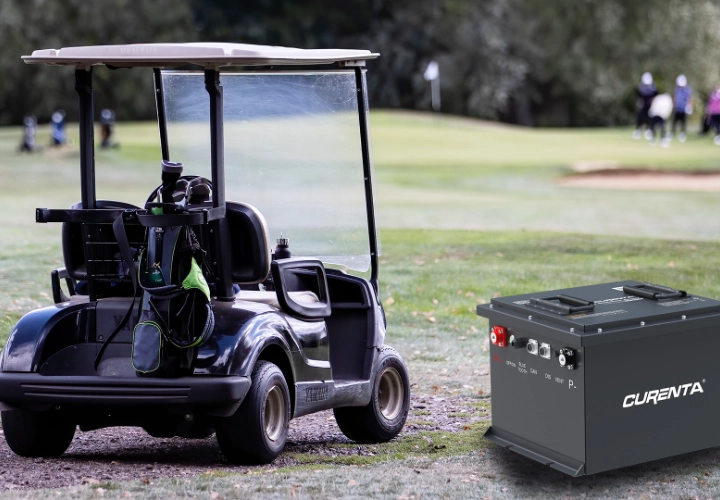
      If the available models don’t fit your requirements, we provide custom-tailor service to different golf cart models.

    View More

    Energy Storage Systems Solutions
  • Motive Power Battery Solutions
    Major Problems in Traditional Motive
    Power Systems
    • 1
      High expenditures
      High expenditures

      Most of the non-road vehicle industry are powered by lead-acid batteries. Lead-acid batteries are charged slowly and usually need to be equipped with spare batteries, which increases the operating cost of enterprises.

    • 2
      Frequent Maintenance
      Frequent Maintenance

      Another big disadvantage of lead-acid battery is that it needs daily maintenance. The batteries contain water, have the risks of gas blowoff or acid corrosions, and require periodic water top-offs, so costs for the man-hours and materials are very high.

    • 3
      Difficult Charging
      Difficult Charging

      The lead acid batteries’ charging time is slow, generally requiring 6-8 hours, which greatly affects the operation efficiency. A charging room or a separated space is needed for lead-acid batteries.

    • 4
      Potential pollution and safety risks
      Potential pollution and safety risks

      Most of the non-road vehicle industry are powered by lead-acid batteries. Lead-acid batteries are charged slowly and usually need to be equipped with spare batteries, which increases the operating cost of enterprises.

    View More

    Motive Power Battery Solutions
  • Privacy Policy
    Welcome to curentabattery.com!

    We respect your concerns about privacy and appreciate your trust and confidence in us.


    This Privacy Policy explains how we use the personal information that Curenta Battery collects or generates both in relation to the www.curentabattery.com website and its sub-domains (“Website”) and Curenta Battery products and services. Your privacy is important to us and we are committed to keeping all your Personal Data secure. 

    We use following definitions in this Privacy Policy:

    “Curenta Battery”“we” or “us” means Curenta Battery Inc, a company incorporated 5025 11th Ave, Los Angeles, CA 90043, USA and its subsidiaries.

    “Personal Data” means any data which relates to a living individual who can be identified from that data or from that data and other information which is in the possession of, or is likely to come into the possession of, Curenta Battery (or its representatives or service providers). In addition to factual information, it includes any expression of opinion about an individual and any indication of the intentions of Curenta Battery or any other person in respect of an individual.

    This Privacy Policy may be modified, e.g. as a result of new functionalities on the Website that require the processing of personal data. We therefore advise you to check this Privacy Policy regularly. Any material changes will be notified via the Website, email or other means we deem appropriate.

    When does this Privacy Policy apply?

    This Privacy policy applies to the processing of information obtained via the Website or information we receive through our products and services.

    Which personal data do we process about you?

    We will collect and process the following personal data about you:


    Information provided by you to Curenta Battery. This includes information about you that you provide to us. The nature of the products or services you are requesting will determine the kind of Personal Data we might ask for, though such information may include (by way of a non-exhaustive list):

    • Basic Personal Data such as your first name, last name, e-mail address, telephone number, address details (street, number, postcode, city, country) and other personal contact details.

    • Your correspondence with Curenta Battery which may be contain Personal Data

    • Your company name and position within the company, your preferred language and information in relation to your Curenta Battery contact;

    • Information on events or webinars you wish to attend; and any information that you choose to share on the Website or when you contact us which may be considered Personal Data.

    Information that we collect or generate about you. This includes (by way of non-exhaustive list):

    • Any information regarding the Curenta Battery products or services purchased and/or used on the Website and our interactions with you;

    • A file with your contact history;

    • Information on your session and internet usage, including your IP address, the pages you visit, the browser you use, the websites you visited earlier, geographical data such as your location, your preferred language and the time and duration of your visit;

    • Photographs or videos taken of you at Curenta Battery events;

    • Information in relation to your “ my Curenta Battery” account, including a record of your login, which includes the date and time, your login name and the unique number assigned to your account.

    Information obtained from third parties.This includes:

    • The Personal Data provided to us by third-party service providers, agencies or other publicly available sources where applicable;

    • Information from other Curenta Battery companies

    • Information provided to us by local distributors in the context of promotions or business opportunities.

    Cookies

    When you visit the Website, cookies are used to collect technical information about the services that you use, and how you use them. For more information on the cookies used please our [Cookie Policy] .

    For what purposes do we process your Personal Data?

    Your Personal Data may be stored and processed by us in the following ways and for the following purposes:

    For ongoing review and improvement of the information provided on the Website to ensure it is user friendly and to prevent any potential disruptions or cyber attacks;

    To allow you to use and access the functionality provided by Curenta Battery’s products and services;

    To assess your application for Curenta Battery products and services, where applicable;

    To create, manage and personalize your “my Curenta Battery” account;

    To process your requests for content or software (e.g. brochures or drivers)

    To conduct surveys;

    To process your online orders of Curenta Battery products;

    To provide service support for Curenta Battery products and to log tickets for technical questions;

    To register you for, and to organize and administer events or webinars;

    To process your application for our certified training program;

    To activate your license entitlement(s) for Curenta Battery products;

    To allow you to use Curenta Battery’s online tools (such as the Power Calculator);

    To conduct analysis required to detect malicious data;

    For statistical monitoring and analysis of current attacks on devices and systems and for the on-going adaptation of the solutions provided to secure devices and systems against current attacks;

    To understand feedback on Curenta Battery products and services and to help provide more information on the use of those products and services quickly and easily;

    To communicate with you to respond to your queries and to provide you with information about Curenta Battery and Curenta Battery products and services as well as any events, webinars or other news;

    For in-depth threat analysis;

    To understand your needs and interests;

    For the management and administration of our business;

    In order to comply with and in order to assess compliance with applicable laws, rules and regulations, and internal policies and procedures;

    For the administration and maintenance of databases storing Personal Data.

    However, when we use your Personal Data, we make sure that the usage complies with law and the law allows us and requires us to use Personal Data for a variety of reasons. These include:

    We have obtained your consent;

    We have legal and regulatory obligations that we have to discharge;

    We may need to do so in order to establish, exercise or defend our legal rights or for the purpose of legal proceedings;

    The use of your Personal Data as described is necessary for our legitimate business interests, such as:

    • Allowing us to effectively and efficiently manage and administer the operation of our business;

    • Maintaining compliance with internal policies and procedures;

    • Monitoring the use of our copyrighted materials;

    • For direct marketing;

    • Enabling quick and easy access to information on Curenta Battery products and services;

    • Offering optimal, up-to-date security solutions for mobile devices and IT systems;

    • Obtaining further knowledge of current threats to network security in order to update our security solutions;

    • We need to do so in order to perform our contractual obligations with our customers and third-party providers.

    Disclosure of Personal Data to Third Parties

    We may share your Personal Data within the Curenta Battery Inc. for the purposes described above.

    We may also share your Personal Data outside of the Curenta Battery group for the following purposes:

    With our business partners. For example, this could include our partners from whom you or your company or your organisation purchased Curenta Battery products. Personal Data will only be transferred to a business partner who is contractually obliged to comply with appropriate data protection obligations and the relevant privacy and confidentiality legislation;

    Distributors and resellers who are authorized to sell Curenta Battery products in order to provide sales services;

    With third party agents and contractors for the purposes of providing services to us (for example,Curenta Battery’s accountants, professional advisors and IT and communications providers). These third parties will be subject to appropriate data protection obligations and they will only use your Personal Data as described in this Privacy Policy;

    To the extent required by law, for example if we are under a duty to disclose your Personal Data in order to comply with any legal obligation (including, without limitation, in order to comply with tax reporting requirements and disclosures to regulators), or to establish, exercise or defend its legal rights;

    If we sell our business or assets, in which case we may need to disclose your Personal Data to the prospective buyer for due diligence purposes;

    If we are acquired by a third party, in which case the Personal Data held by us about you will be disclosed to the third party buyer.

    What about links to other websites and social media?

    The Website may contain references (e.g. via hyperlinks) to other websites or apps, which are offered by third parties. Curenta Battery is not responsible for the processing of your Personal Data via these websites or apps. Curenta Battery advises you to check the privacy policies, the terms and conditions of these websites and apps before downloading the apps or using their service. This Privacy Policy applies only to the Website and your use of such third party websites and apps is at your own risk.

    How are your Personal Data protected?

    Curenta Battery strives to protect your Personal Data by means of technical and organizational measures, such as firewalls and secure servers so that access to your Personal Data is limited to authorised employees.

    Marketing Communications

    You can opt-out of marketing communications we send you at any time by clicking on the “unsubscribe” link in the marketing e-mails we send you or by contacting us using the details set out under the “Contact Us” section below.

    International Transfers of Your Personal Data

    Our products and services are delivered through resources and servers located in different places, to offer our products and services, we may need to transfer your personal data among several countries. These countries may have different privacy standards that differ from the country/region where you entered the personal data. Please note that data processed in another country may be subject to different laws and may be accessible to government, judicial, law enforcement, and regulatory agencies in those countries. However, we will take appropriate measures to safeguard your rights in accordance with this Privacy Policy.


    For how long Curenta Battery will hold your Personal Data will vary and will be determined by the following criteria:

    The purpose for which AbsenEnergy is using it: AbsenEnergy is required to retain the Personal Data for as long as is necessary to satisfy or meet the purpose for which it was obtained or any other legal purpose.

    Legal Obligations: Laws or regulations may set a minimum period for which Curenta Battery must retain your Personal Data.With respect to personal data coming from the EU or UK or Switzerland, we comply with applicable legal requirements providing adequate safeguards for the transfer of personal data to countries outside of the European Economic Area ("EEA") or UK or Switzerland.

    The country that we send the data to might be approved by the European Commission as offering an adequate level of protection for personal information;

    The recipient might have signed up to a contract based on “model contractual clauses” approved by the European Commission, obliging them to protect your Personal Data;

    In other circumstances the law may permit us to otherwise transfer your Personal Data outside the EEA or UK or Switzerland.

    We may also use a variety of legal mechanisms, such as standard contractual clauses to implement the cross-border transfer of your personal data, or implement security measures like anonymization on the data before the cross border data transfer. You can obtain more details of the protection given to your Personal Data when it is transferred outside the EEA or UK or Switzerland by contacting us using the details set out under the “Contact Us” section below.


    In all the above cases in which we collect, use or store your Personal Data, you may have the following rights:

    The right to obtain information regarding the processing of your Personal Data and access to the Personal Data which we hold about you;

    The right to withdraw your consent to the processing of your Personal Data at any time. Please note, however, that we may still be entitled to process your Personal Data if we have another legitimate reason for doing so. For example, we may need to retain Personal Data to comply with a legal obligation;

    In some circumstances, the right to receive some Personal Data in a structured, commonly used and machine-readable format and/or request that we transmit those data to a third party where this is technically feasible. Please note that this right only applies to Personal Data which you have provided directly to Curenta Battery;

    The right to request that we rectify your Personal Data if it is inaccurate or incomplete;

    The right to request that we erase your Personal Data in certain circumstances. Please note that there may be circumstances where you ask us to erase your Personal Data but we are legally entitled to retain it;

    The right to object to, or request that we restrict, our processing of your Personal Data in certain circumstances. Again, there may be circumstances where you object to, or ask us to restrict, our processing of your Personal Data but we are legally entitled to refuse that request;

    The right to lodge a complaint with the relevant data protection regulator if you think that any of your rights have been infringed by us.

    You can exercise your rights by contacting us using the details set out under the “Contact Us” section below.

    Contact Us

    If you have any further questions about the processing of your Personal Data, about the Website or about this Privacy Policy you can always contact us:

    By e-mail: info@curentabattery.com

    By phone: 01-626-412-7068

    By mailing to: Curenta Battery Marketing 5025 11th Ave, Los Angeles, CA 90043, USA

    View More

    Privacy Policy
  • Sitemap

    View More

    Sitemap
  • Become a Dealer

    Join the Vanguard of the LiFePO4 Revolution: Powering a Greener Future!


    The world is at a crossroads, in need of energy solutions that are as boundless as our demands but kinder to our planet. In steps LiFePO4 batteries—the electrifying beacon of sustainable innovation. Boasting unrivaled safety, longevity, and eco-friendly attributes, these powerhouses promise a revolution in how we store and use energy. From electric vehicles to smart grids, the transformative potential is limitless.


    We're calling on visionary companies, those who share our passion for progress and our dedication to preserving the Earth. Your expertise and resources can propel this industry forward, unlocking opportunities that redefine 'green' standards across industries. Together, we're not just making batteries; we're reshaping the future.


    Join us on this exhilarating journey. Be part of a community dedicated to making a tangible difference. After all, it's not merely about better batteries—it's about a better tomorrow. The stage is set, the prospectus is green, and the potential is electric. The question is: Will you help light up the path to sustainability?


    Should you have any questions regarding Become a Dealer, please contact info@curentabattery.com

    View More

    Become a Dealer
  • About Us

    CURENTA BATTERY, INC is Original LiFePO4 Battery Manufacturer with More Then 15+ Years Experience in Energy Storage Systems and Motivation Power Industry,With Local Warehouse and Maintenance team in USA AND Europe.We are a state-supported high-tech enterprise,specializing in manufacturing and offering professional battery system solutions for EV, Household ESS, Lead acid battery replacement, Solar Battery System, Golf cart battery And many other different applications.


    We mainly focus on providing local and international customers with high quality products and services to meet customers' requirements. We stand behind our commitment to quality and reliability extend 10 years warranty, certified with ISO9001/ ISO14001/ ISO45001.We have passed the certification of CE,IEC,UKCA,UN38.3,MSDS.

    • 15+
      Year Industry Experience
    • 50+
      Patents
    • 500+
      Partners

    View More

    About Us
  • Reliable Lithium Battery Manufacturer in China: How CURENTA BATTERY Builds Trust in a Competitive Industry

    In today’s global energy transition, lithium batteries are no longer just components—they are the backbone of electric mobility, renewable energy storage, and industrial electrification. As demand grows, so does scrutiny over quality, safety, and long-term reliability. For B2B buyers, identifying a reliable lithium battery manufacturer China is not just a sourcing decision, but a strategic risk-management choice.

    CURENTA BATTERY positions itself in this landscape as a LiFePO4-focused manufacturer with over 15 years of experience in energy storage and motive power systems, serving applications ranging from residential ESS to EVs and industrial equipment.
    But beyond marketing language, what actually defines “reliable” in this industry—and how does a manufacturer like CURENTA align with those expectations?


    1. What “Reliable Lithium Battery Manufacturer China” Really Means in Practice


    In procurement terms, “reliable” is not a branding claim—it is a measurable combination of engineering discipline, compliance, and supply chain execution.

    For lithium battery sourcing, buyers typically evaluate reliability across five dimensions:

    1. Product safety consistency
    Lithium battery failures are rarely random—they are usually linked to poor thermal management, unstable cell sourcing, or weak BMS (Battery Management System) design.

    2. Certification compliance
    Global B2B markets require strict adherence to standards such as CE, UN38.3, MSDS, ISO9001, and IEC testing frameworks.

    3. Cycle life stability
    A “cheap” battery often performs well in early cycles but degrades unpredictably after 300–500 cycles. Reliable manufacturers focus on long-cycle chemistry stability, particularly LiFePO4.

    4. Manufacturing traceability
    Batch tracking, cell origin documentation, and quality control logs are essential for industrial applications.

    5. After-sales engineering support
    For ESS and EV applications, post-deployment support often determines total cost of ownership more than upfront price.

    CURENTA’s positioning as a reliable lithium battery manufacturer China is built around addressing these exact expectations rather than only focusing on product output.


    2. CURENTA BATTERY Overview: Industrial Focus and Manufacturing Scope


    CURENTA BATTERY, INC is a high-tech enterprise specializing in LiFePO4 lithium battery systems for energy storage and motive power applications.

    Unlike consumer-level battery assemblers, its production focus spans:

    • Residential energy storage systems (ESS)

    • Commercial & industrial energy storage

    • Golf cart and low-speed EV batteries

    • Forklift and industrial motive power systems

    • Marine and RV energy systems

    • Lead-acid replacement lithium solutions

    This multi-application approach is important: it indicates the company is not dependent on a single market segment, but instead develops modular battery platforms adaptable to different voltage and capacity requirements.

    From a manufacturing perspective, scalability across applications is often a key indicator of engineering maturity.


    3. Why LiFePO4 Chemistry Matters for Reliability


    One of the most important technical decisions behind any reliable lithium battery manufacturer China is chemistry selection.

    CURENTA primarily uses LiFePO4 (Lithium Iron Phosphate), which is widely adopted in industrial and storage applications because of its inherent stability.

    Key advantages include:

    • Strong thermal stability under high load conditions

    • Lower risk of thermal runaway compared to NMC chemistry

    • Long cycle life (often 3,000–6,000 cycles depending on design)

    • Better performance in deep discharge applications

    • Lower degradation rate in partial-state-of-charge operation

    This chemistry choice aligns with industrial demand patterns where downtime risk and safety compliance outweigh energy density optimization.

    For B2B buyers, this directly translates into lower maintenance costs and more predictable lifecycle planning.


    4. Manufacturing Capability and R&D Structure


    CURENTA emphasizes internal R&D capability combined with engineering talent experienced in high-performance battery design.

    A notable aspect of its structure is the integration of:

    • Battery system design engineering (pack-level optimization)

    • BMS development and software logic tuning

    • Thermal management design for high-load scenarios

    • Application-specific customization (ESS vs EV vs industrial use)

    In the lithium battery industry, manufacturers typically fall into three categories:

    1. Cell producers (chemistry-level manufacturing)

    2. Pack assemblers (integration-focused)

    3. System manufacturers (full solution providers)

    CURENTA operates closer to the third category, which is generally more aligned with enterprise and industrial buyers who require integrated system reliability rather than standalone cells.


    5. Quality Control Systems and Certification Framework


    A defining trait of a reliable lithium battery manufacturer China is how quality control is enforced—not just whether certifications exist.

    CURENTA states compliance with key international standards, including:

    • ISO 9001 (quality management systems)

    • ISO 14001 (environmental management)

    • ISO 45001 (occupational health and safety)

    • CE certification for EU compliance

    • UN38.3 for transport safety testing

    However, what matters in practice is how these systems are implemented:

    Typical industrial QC checkpoints include:

    • Incoming cell grading and impedance matching

    • Pack-level voltage balancing verification

    • Charge-discharge cycle stress testing

    • Vibration and shock simulation tests

    • Thermal runaway containment validation

    • Final system integration testing under load

    Manufacturers that consistently enforce these stages tend to show lower field failure rates in ESS and mobility deployments.


    6. Global Supply Chain Strategy and Local Support


    One often overlooked factor in evaluating a reliable lithium battery manufacturer China is international support infrastructure.

    CURENTA operates with:

    • Local warehouse capability in the United States and Europe

    • Maintenance and after-sales teams for faster response cycles

    This structure is important for B2B clients because lithium battery systems are not “plug-and-forget” assets. They require:

    • Firmware updates (BMS tuning)

    • Replacement modules in case of degradation

    • Technical troubleshooting for system integration issues

    • Compliance documentation for insurance and regulatory audits

    Without regional support, downtime costs can exceed hardware costs in industrial deployments.


    7. Application Engineering: Why Customization Matters


    Unlike standardized consumer batteries, industrial lithium systems must be engineered around real-world load profiles.

    CURENTA’s model emphasizes customization across:

    • Voltage architecture (12V / 48V / high-voltage stacks)

    • Capacity scaling (parallel ESS configurations)

    • Communication protocols (CAN, RS485 integration)

    • Mechanical form factors (rack-mounted, wall-mounted, modular stacking)

    • Environmental adaptation (marine, high-temperature, outdoor enclosures)

    This flexibility is critical in B2B environments where system integration is often more complex than the battery itself.

    A reliable supplier does not just ship batteries—it delivers integration-ready systems.


    8. Common Mistakes Buyers Make When Choosing Suppliers in China


    Even experienced procurement teams sometimes misjudge battery suppliers by focusing on the wrong signals.

    Common mistakes include:


    1. Overweighting price per kWh

    Low upfront cost often hides:

    • Lower-grade cells

    • Weak BMS protection logic

    • Inconsistent cycle life


    2. Ignoring system-level engineering

    Battery packs are not standalone units; they are electrochemical systems requiring coordination between hardware and software.


    3. Assuming certification equals performance

    Certifications confirm compliance, not necessarily long-term reliability under real-world stress.


    4. Not validating after-sales capability

    Many suppliers lack regional technical support, which becomes critical in industrial deployment.

    Manufacturers positioned as a reliable lithium battery manufacturer China differentiate themselves precisely by solving these gaps.


    9. Market Positioning: Where CURENTA Fits in the Global Battery Ecosystem


    The global lithium battery market is increasingly segmented into:

    • High-volume EV gigafactory suppliers (e.g., Tier-1 automotive battery makers)

    • Industrial ESS manufacturers

    • Mid-scale customized system providers

    • Low-cost commodity assemblers

    CURENTA’s positioning aligns with industrial ESS and motive power segments, where:

    • Flexibility is more important than scale alone

    • Reliability outweighs cost optimization

    • Engineering support is part of the product value

    This positioning is particularly relevant for distributors, system integrators, and project developers.


    10. Conclusion: Defining True Reliability in Lithium Battery Manufacturing


    A reliable lithium battery manufacturer China is not defined by production volume alone, but by a combination of engineering discipline, system integration capability, and long-term support infrastructure.

    From an industry standpoint, CURENTA BATTERY reflects several core reliability indicators:

    • Focus on stable LiFePO4 chemistry

    • Multi-application industrial design capability

    • International certification compliance

    • R&D-driven customization approach

    • Overseas logistics and support structure

    • Experience in energy storage and motive power systems

    For B2B buyers evaluating long-term partnerships, these factors are often more decisive than short-term pricing advantages.

    In a market where lithium battery failures can result in operational downtime, financial loss, or safety risks, reliability is not optional—it is the foundation of procurement strategy.

    View More

    Reliable Lithium Battery Manufacturer in China: How CURENTA BATTERY Builds Trust in a Competitive Industry
  • CE Certified Lithium Battery Factory: What It Really Means for Global Buyers in Energy Storage Procurement

    In the global lithium battery supply chain, the phrase CE certified lithium battery factory has become one of the most frequently searched terms by importers, system integrators, and OEM buyers. Yet, in practice, many procurement teams misunderstand what CE certification actually guarantees—and more importantly, what it does not.

    For companies sourcing batteries for energy storage systems, electric mobility, or industrial backup power, selecting a supplier like CURENTA BATTERY requires a deeper evaluation than a logo on a datasheet. It requires understanding manufacturing capability, compliance structure, quality control systems, and long-term engineering support.

    This article breaks down what CE certification means in lithium battery manufacturing, how it fits into global compliance frameworks, and how a professional factory such as CURENTA BATTERY implements it in real production environments.


    1. What “CE Certified Lithium Battery Factory” Actually Means


    A CE certified lithium battery factory refers to a manufacturer whose lithium battery products comply with relevant European Union safety, health, and environmental protection standards.

    For lithium batteries, CE marking is typically aligned with directives such as:

    • Low Voltage Directive (LVD)

    • Electromagnetic Compatibility Directive (EMC)

    • Battery safety-related EN/IEC standards (such as IEC 62133)

    • Transport safety frameworks like UN38.3 (often required in parallel)

    However, CE is not a single laboratory test. It is a compliance declaration system, meaning the factory must ensure:

    • Product design meets EU requirements

    • Manufacturing process is controlled and traceable

    • Testing documentation is complete and verifiable

    • Quality system supports continuous compliance

    This is where many low-tier suppliers fail—they can print CE marks, but cannot support them with a structured quality system.

    At CURENTA BATTERY, CE compliance is not treated as a marketing label. It is embedded into the production and certification pipeline.


    2. Why CE Certification Matters in Lithium Battery Procurement


    For international buyers, CE certification plays three critical roles:


    2.1 Market Access in Europe

    Without CE compliance, lithium batteries cannot legally enter the EU market. This is especially important for:

    • Solar energy storage systems

    • Residential ESS (Energy Storage Systems)

    • Industrial backup battery packs

    • Electric mobility applications (golf carts, forklifts, marine systems)


    2.2 Risk Reduction for Importers

    A CE certified lithium battery factory reduces regulatory risks:

    • Customs clearance issues

    • Product seizure or rejection

    • Insurance complications

    • End-user safety liability


    2.3 Baseline Quality Assurance

    Although CE is not as strict as UL or TÜV certification, it still indicates that the factory operates under:

    • Defined engineering standards

    • Electrical safety validation

    • Controlled production documentation

    In other words, CE is a minimum compliance threshold, not a premium safety guarantee.


    3. CURENTA BATTERY as a CE Certified Lithium Battery Factory


    CURENTA BATTERY operates as an original LiFePO4 battery manufacturer with more than 15 years of experience in energy storage and motive power applications. The company focuses on lithium battery system integration rather than simple cell assembly.

    According to its official company profile, CURENTA BATTERY has obtained multiple international certifications, including:

    • CE certification

    • ISO 9001 Quality Management System

    • ISO 14001 Environmental Management

    • ISO 45001 Occupational Health & Safety

    • UN38.3 transport certification

    • IEC safety compliance standards

    These certifications are part of a broader compliance ecosystem rather than isolated approvals. (curentabattery.com)

    What differentiates CURENTA is not just certification coverage, but the integration of certification into manufacturing workflows.


    4. Inside the Manufacturing Logic of a CE Certified Lithium Battery Factory


    To understand how CE compliance is implemented in practice, it is important to examine the factory-level system.


    4.1 R&D-Driven Product Design

    CURENTA BATTERY operates a dedicated R&D center with engineering experience drawn from high-end energy storage and automotive industries. This enables:

    • Battery pack structural optimization

    • Thermal management design

    • BMS (Battery Management System) integration

    • Cycle life and safety enhancement

    This design stage is where CE compliance begins—not at final inspection.


    4.2 Material Traceability System

    A CE certified lithium battery factory must maintain traceability across:

    • Cathode/anode materials

    • Separator films

    • Battery cells

    • BMS components

    • Assembly batches

    CURENTA implements structured tracking systems to ensure every battery pack can be traced back to its production batch, which is essential for EU compliance audits.


    4.3 In-Process Quality Control (IPQC)

    Instead of relying solely on final testing, CE-aligned manufacturing requires continuous checks:

    • Cell voltage consistency testing

    • Internal resistance balancing

    • Welding integrity inspection

    • Thermal performance validation

    • Aging simulation testing

    This reduces failure risk before batteries leave production lines.


    4.4 Final Safety Validation

    Before shipment, lithium battery packs typically undergo:

    • Electrical safety verification

    • Overcharge and over-discharge testing

    • Short-circuit protection validation

    • Mechanical vibration and shock testing

    • Packaging compliance review

    These steps align with CE expectations for safety integrity and transport readiness.


    5. CE Certification vs Other Battery Certifications


    Many buyers confuse CE with other international standards. A CE certified lithium battery factory often operates under multiple compliance frameworks simultaneously.

    Here is a practical comparison:

    • CE (Europe market entry) → Self-declared conformity with EU safety directives

    • UN38.3 (transport safety) → Required for global shipping of lithium batteries

    • IEC 62133 (cell safety standard) → Technical safety validation for rechargeable cells

    • ISO 9001 (quality system) → Manufacturing process control standard

    CURENTA BATTERY integrates all these into a single production ecosystem, which is essential for export-grade lithium battery manufacturing.


    6. Application Scenarios for CE Certified Lithium Batteries


    A CE certified lithium battery factory like CURENTA typically serves multiple industries:


    6.1 Energy Storage Systems (ESS)

    • Residential solar storage

    • Commercial backup systems

    • Off-grid energy solutions

    • High-voltage stackable battery systems


    6.2 Motive Power Applications

    • Golf carts

    • Forklifts

    • Marine battery systems

    • Electric utility vehicles


    6.3 Industrial Backup Power

    • Telecom base stations

    • Data center backup

    • Emergency power systems

    Each application requires different design constraints, but CE compliance remains the baseline requirement.


    7. Why Buyers Prefer Integrated Manufacturers Like CURENTA


    From a procurement perspective, the value of a CE certified lithium battery factory increases significantly when combined with:


    7.1 Engineering Capability

    CURENTA provides customized battery system design rather than only standard models.


    7.2 Local Support Infrastructure

    With warehouses and service teams in the USA and Europe, the company reduces after-sales risk for international buyers.


    7.3 Warranty Commitment

    Long-term warranty structures (up to 10 years depending on system configuration) demonstrate confidence in product stability.


    7.4 Production Scale

    Large-scale production capability ensures consistent supply for OEM and distributor clients.


    8. Common Misunderstandings About CE Certified Battery Factories


    Many buyers incorrectly assume:

    Misunderstanding 1: CE equals highest safety standard

    Not true. CE is a compliance baseline, not a performance benchmark.

    Misunderstanding 2: CE is independently issued

    In most cases, manufacturers self-declare conformity based on testing and documentation.

    Misunderstanding 3: CE guarantees battery quality

    Quality depends on engineering, materials, and manufacturing control—not certification alone.

    This is why experienced buyers evaluate factories holistically, not just by certification logos.


    9. How to Evaluate a True CE Certified Lithium Battery Factory


    When sourcing lithium batteries, buyers should assess:

    • Whether CE documentation is test-backed

    • Whether ISO systems are implemented in production

    • Whether traceability exists across batches

    • Whether engineering support is available

    • Whether factory has export experience

    CURENTA BATTERY meets these criteria through its structured manufacturing and compliance system.


    Conclusion


    The term CE certified lithium battery factory is often used loosely in global trade, but in real industrial procurement, it represents a structured combination of compliance, engineering discipline, and production control.

    CURENTA BATTERY positions itself not just as a certified manufacturer, but as a full-system lithium battery solution provider with:

    • CE and international compliance coverage

    • Strong R&D capability

    • Industrial-scale manufacturing

    • Global service infrastructure

    For buyers in energy storage, EV applications, or industrial backup systems, understanding what lies behind CE certification is essential to making informed sourcing decisions—and avoiding unreliable suppliers in a highly competitive global battery market.


    View More

    CE Certified Lithium Battery Factory: What It Really Means for Global Buyers in Energy Storage Procurement
  • Off Grid Solar System Battery Guide: A Comprehensive Technical and Practical Overview

    Introduction


    The global shift toward renewable energy has significantly accelerated the adoption of independent power systems. Among these, solar energy systems stand out as one of the most practical and scalable solutions for residential, commercial, and remote applications. At the core of any autonomous solar setup lies a critical component—the battery storage system. This off grid solar system battery guide is designed to provide a deep, structured understanding of how battery storage works, how to select the right configuration, and how to optimize performance for long-term energy independence.

    For companies like CURENTA BATTERY, which specialize in supplying off grid solar system battery solutions, understanding system architecture and battery behavior is essential not only for product application but also for system integration success.

    This article will explore technical fundamentals, battery types, sizing strategies, installation principles, maintenance requirements, safety considerations, and emerging trends. It serves as a complete off grid solar system battery guide for engineers, installers, system designers, and end-users.


    1. Understanding Off Grid Solar Power Systems


    To fully benefit from this off grid solar system battery guide, it is essential to understand the system it supports.

    An off-grid solar system operates independently from the utility grid. It typically includes:

    • Solar photovoltaic (PV) panels

    • Charge controller (MPPT or PWM)

    • Battery storage system

    • Inverter (DC to AC conversion)

    • Backup generator (optional)

    Unlike grid-tied systems, off-grid setups rely entirely on stored energy. This makes the battery the most critical and sensitive component in the system architecture.

    In a properly designed system, solar panels generate electricity during daylight hours, which is either consumed immediately or stored in the battery bank for later use. The reliability of the entire system depends heavily on the performance and capacity of the battery system, making this off grid solar system battery guide particularly important.


    2. Role of Batteries in Off Grid Systems


    The battery in an off-grid system is not just an energy container—it is a dynamic energy management component.

    According to this off grid solar system battery guide, batteries perform several essential functions:

    • Energy storage for nighttime and cloudy periods

    • Voltage stabilization for consistent power delivery

    • Load balancing during peak consumption

    • Backup power during system fluctuations

    Without a properly sized and configured battery system, solar energy cannot be effectively utilized, leading to power shortages or system failure.

    For suppliers like CURENTA BATTERY, ensuring high-quality battery chemistry and cycle stability is key to delivering reliable off-grid performance.


    3. Types of Off Grid Solar Batteries


    One of the most important sections in this off grid solar system battery guide is understanding battery technologies. Each type has different performance characteristics, costs, and use cases.


    3.1 Lead-Acid Batteries

    Traditional lead-acid batteries are still widely used due to their low cost and availability.

    Subtypes include:

    • Flooded lead-acid (FLA)

    • Absorbent Glass Mat (AGM)

    • Gel batteries

    Advantages:

    • Lower upfront cost

    • Proven technology

    • Easy availability

    Disadvantages:

    • Shorter cycle life

    • Lower depth of discharge (DoD)

    • Higher maintenance requirements


    3.2 Lithium-Ion Batteries

    Lithium-ion technology is becoming the standard in modern off-grid systems.

    Within this off grid solar system battery guide, lithium iron phosphate (LiFePO4) is particularly important.

    Advantages:

    • High cycle life (3,000–6,000+ cycles)

    • Deep discharge capability (80–95%)

    • Lightweight and compact

    • High efficiency

    Disadvantages:

    • Higher initial cost

    • Requires battery management system (BMS)


    3.3 Emerging Battery Technologies

    Advanced chemistries such as sodium-ion and solid-state batteries are still in development stages but are expected to redefine future off-grid storage systems. This off grid solar system battery guide anticipates their role in reducing cost and improving energy density.


    4. Battery Sizing and System Design


    Proper sizing is one of the most critical topics in this off grid solar system battery guide.


    4.1 Load Assessment

    The first step is calculating daily energy consumption in kilowatt-hours (kWh). This includes:

    • Lighting

    • Appliances

    • HVAC systems

    • Industrial loads (if applicable)


    4.2 Autonomy Days

    Autonomy refers to how many days the system can operate without solar input.

    Typical values:

    • Residential: 1–3 days

    • Commercial: 2–5 days

    • Remote critical systems: 5–7+ days


    4.3 Battery Capacity Formula

    A simplified approach used in this off grid solar system battery guide:

    Battery Capacity (kWh) = Daily Load × Autonomy Days ÷ Depth of Discharge

    For lithium batteries:

    • DoD ≈ 80–90%

    For lead-acid:

    • DoD ≈ 50%


    5. Charging and Discharging Principles


    Understanding energy flow is essential in any off grid solar system battery guide.


    5.1 Charging Cycle

    Solar panels charge the battery through a charge controller. The process includes:

    • Bulk charging (rapid energy intake)

    • Absorption stage (controlled voltage)

    • Float stage (maintenance charging)


    5.2 Discharging Behavior

    During discharge, batteries release stored DC energy to the inverter. Proper discharge management ensures:

    • Longer battery lifespan

    • Stable voltage output

    • Reduced degradation


    6. Installation Best Practices


    This off grid solar system battery guide emphasizes installation quality as a key determinant of system performance.


    6.1 Environmental Conditions

    Batteries should be installed in:

    • Temperature-controlled environments (15°C–30°C optimal)

    • Dry, ventilated spaces

    • Protected enclosures


    6.2 Wiring and Configuration

    • Use correctly rated cables

    • Maintain balanced series/parallel configurations

    • Ensure proper fuse and breaker protection


    6.3 Battery Management System (BMS)

    For lithium systems, a BMS is mandatory. It ensures:

    • Overcharge protection

    • Over-discharge protection

    • Thermal management

    • Cell balancing


    7. Maintenance and Lifecycle Optimization


    A major focus of this off grid solar system battery guide is extending battery lifespan.


    7.1 Regular Monitoring

    • Voltage checks

    • State of charge (SoC) monitoring

    • Temperature tracking


    7.2 Preventing Deep Discharge

    Deep discharge reduces battery life significantly, especially in lead-acid systems.


    7.3 Equalization (Lead-Acid Only)

    Periodic equalization helps balance cell voltage and reduce sulfation.


    8. Safety Considerations


    Safety is a critical section in this off grid solar system battery guide.


    8.1 Electrical Safety

    • Avoid short circuits

    • Use insulated tools

    • Install proper protection devices


    8.2 Thermal Safety

    Lithium batteries must be protected against:

    • Overheating

    • Thermal runaway conditions

    • External heat exposure


    8.3 Fire Protection

    Install batteries in fire-resistant enclosures where required.


    9. Cost Analysis and ROI


    Understanding financial implications is essential in this off grid solar system battery guide.


    9.1 Initial Investment

    • Lithium systems: Higher upfront cost

    • Lead-acid systems: Lower initial cost but frequent replacement


    9.2 Long-Term Value

    Lithium batteries typically offer:

    • Lower cost per cycle

    • Reduced maintenance cost

    • Longer operational life


    9.3 Return on Investment

    ROI improves significantly when:

    • Energy consumption is optimized

    • System is properly sized

    • High-efficiency components are used


    10. Applications of Off Grid Solar Battery Systems


    This off grid solar system battery guide applies to a wide range of use cases:

    • Residential solar homes

    • Remote villages and rural electrification

    • Telecommunications towers

    • Agricultural irrigation systems

    • Emergency backup power systems

    • Industrial off-grid facilities

    Each application requires different sizing, chemistry, and design considerations.


    11. Future Trends in Off Grid Battery Systems


    The evolution of energy storage is rapid, and this off grid solar system battery guide highlights key trends:


    11.1 Higher Energy Density

    New chemistries are increasing storage capacity while reducing size.


    11.2 Smart Battery Systems

    Integration with IoT and AI allows:

    • Predictive maintenance

    • Smart load balancing

    • Remote monitoring


    11.3 Renewable Integration

    Future systems will integrate:

    • Solar

    • Wind

    • Hybrid microgrids


    11.4 Recycling and Sustainability

    Battery recycling will become a major industry focus, improving environmental sustainability.


    12. Choosing the Right Supplier


    Selecting a reliable manufacturer is a crucial part of this off grid solar system battery guide.

    CURENTA BATTERY focuses on:

    • High-performance lithium and hybrid battery solutions

    • Scalable off-grid energy storage systems

    • Stable cycle life and safety compliance

    • Customized energy storage configurations

    A reliable supplier ensures system stability, long-term durability, and consistent performance under varying load conditions.


    Conclusion


    This off grid solar system battery guide has explored the full lifecycle of battery-based solar energy systems—from technical fundamentals and battery chemistry to system design, installation, safety, and future trends.

    Off-grid energy independence depends heavily on correct battery selection, proper system integration, and disciplined maintenance practices. As renewable energy adoption continues to grow, advanced battery technologies will play an even more central role in enabling stable, sustainable power systems.

    For manufacturers like CURENTA BATTERY, delivering reliable and efficient off-grid storage solutions is not just a product challenge but a key contribution to global energy transformation.


    View More

    Off Grid Solar System Battery Guide: A Comprehensive Technical and Practical Overview
  • Energy Storage Solution Provider for a Transforming Global Energy Landscape

    In today’s rapidly evolving energy ecosystem, the role of an energy storage solution provider has become central to enabling grid stability, renewable integration, and efficient power management. As the global demand for cleaner and more resilient energy systems continues to rise, companies like CURENTA BATTERY are stepping forward to deliver advanced storage technologies that bridge the gap between energy generation and consumption. An energy storage solution provider is no longer just a hardware supplier; it is a strategic partner in building the infrastructure of tomorrow’s energy economy. From residential backup systems to utility-scale battery farms, the need for scalable, reliable, and intelligent storage systems is reshaping how energy is produced and consumed worldwide.

    The global energy transition, driven by solar and wind expansion, has introduced significant intermittency challenges. This is where an energy storage solution provider plays a critical role by stabilizing fluctuations and ensuring continuous power availability. Without effective storage systems, renewable energy cannot reach its full potential. CURENTA BATTERY focuses on delivering integrated storage solutions that support this transition by combining high-performance lithium battery systems, advanced battery management systems (BMS), and optimized energy conversion technologies. By doing so, an energy storage solution provider becomes an essential enabler of decarbonization and energy independence across industries and regions.


    CURENTA BATTERY as a Modern Energy Storage Solution Provider


    As a professional energy storage solution provider, CURENTA BATTERY is committed to designing and manufacturing advanced energy storage systems tailored for diverse applications. The company integrates research, development, production, and system integration to deliver end-to-end solutions. Unlike traditional battery suppliers, an energy storage solution provider like CURENTA BATTERY focuses on system-level optimization, ensuring that every component—from cells to inverters—works seamlessly together. This holistic approach improves efficiency, extends system lifespan, and enhances safety across all deployment scenarios.

    CURENTA BATTERY specializes in lithium-ion based energy storage systems, which are widely recognized for their high energy density, long cycle life, and fast response capabilities. As an energy storage solution provider, the company serves multiple sectors including residential energy storage, commercial and industrial (C&I) systems, and large-scale utility projects. Each solution is engineered to meet specific operational requirements, whether it is peak shaving, load shifting, backup power, or grid stabilization. By aligning technical innovation with real-world applications, CURENTA BATTERY strengthens its position as a reliable energy storage solution provider in the global market.


    Technology Foundation of an Energy Storage Solution Provider


    The backbone of any successful energy storage solution provider lies in its technological foundation. At CURENTA BATTERY, advanced lithium battery chemistry, intelligent battery management systems, and modular architecture form the core of its product design philosophy. These technologies ensure that energy storage systems operate safely, efficiently, and reliably under varying environmental conditions. A modern energy storage solution provider must also focus on digitalization, enabling remote monitoring, predictive maintenance, and real-time energy optimization.

    Battery Management Systems (BMS) play a crucial role in ensuring safety and performance. As an energy storage solution provider, CURENTA BATTERY integrates multi-layer protection mechanisms that monitor voltage, temperature, and current in real time. This prevents overcharging, deep discharge, and thermal runaway, significantly improving system reliability. In addition, the company incorporates advanced Power Conversion Systems (PCS) that allow seamless interaction between stored energy and the grid. This integration is essential for any energy storage solution provider aiming to support smart grid infrastructure and renewable energy integration.


    Application Scenarios for an Energy Storage Solution Provider


    The applications of an energy storage solution provider are vast and continuously expanding. In residential settings, CURENTA BATTERY offers compact and efficient home energy storage systems that allow users to store solar energy during the day and use it at night. This reduces dependence on the grid and lowers electricity costs. For homeowners, an energy storage solution provider delivers not just equipment, but energy independence and resilience during outages.

    In commercial and industrial sectors, energy storage systems are used for peak shaving, demand charge reduction, and backup power. As an energy storage solution provider, CURENTA BATTERY designs scalable systems that can be customized according to facility size and energy consumption patterns. Manufacturing plants, data centers, and logistics hubs benefit significantly from these solutions, as they ensure uninterrupted operations and improved energy efficiency. On a larger scale, utility companies rely on an energy storage solution provider to stabilize grid frequency, integrate renewable energy, and manage peak demand fluctuations.


    Utility-Scale Systems and Grid Integration


    At the utility level, the role of an energy storage solution provider becomes even more critical. Large-scale battery energy storage systems (BESS) are essential for balancing supply and demand in modern power grids. CURENTA BATTERY develops high-capacity storage solutions capable of storing megawatt-hours of electricity, making renewable energy sources like wind and solar more predictable and reliable. These systems act as buffers, absorbing excess energy during low demand and releasing it when demand spikes.

    Grid operators increasingly depend on energy storage solution provider companies to maintain frequency regulation and voltage stability. Without these systems, integrating high percentages of renewable energy would lead to instability and inefficiency. CURENTA BATTERY’s utility-scale solutions are designed with modular scalability, allowing rapid deployment and expansion. As an energy storage solution provider, the company ensures that its systems comply with international grid standards and safety certifications, enabling seamless integration into global energy infrastructures.


    Safety and Reliability in Energy Storage Systems


    Safety is a defining factor for any energy storage solution provider. Lithium-based systems require strict thermal and electrical management to prevent failures. CURENTA BATTERY implements multi-level safety architectures that include thermal insulation, fire suppression systems, and intelligent fault detection. These measures ensure that every energy storage system operates within safe parameters, even under extreme conditions.

    Reliability is equally important. An energy storage solution provider must guarantee long-term performance with minimal degradation. CURENTA BATTERY achieves this through rigorous testing, high-quality cell selection, and advanced lifecycle management strategies. Each system undergoes extensive validation to ensure consistent performance over thousands of charge-discharge cycles. This commitment to safety and reliability reinforces the company’s reputation as a trusted energy storage solution provider in global markets.


    Manufacturing Excellence and Quality Control


    The manufacturing process is a critical aspect of any energy storage solution provider. CURENTA BATTERY employs advanced production facilities equipped with automated assembly lines, precision testing equipment, and strict quality control systems. Every battery module is tested for capacity, resistance, and thermal stability before deployment. This ensures that each product meets the highest industry standards.

    Quality assurance is integrated at every stage of production. As an energy storage solution provider, CURENTA BATTERY follows international certifications and compliance standards to ensure global compatibility. From raw material sourcing to final system integration, every step is carefully monitored. This disciplined manufacturing approach allows the company to deliver consistent and high-performance energy storage systems to customers worldwide.


    Sustainability and Environmental Impact


    Sustainability is a core mission for any energy storage solution provider operating in today’s energy sector. CURENTA BATTERY is committed to reducing carbon emissions by enabling greater adoption of renewable energy systems. Energy storage plays a crucial role in this process by ensuring that clean energy is available whenever it is needed, not just when it is generated.

    By acting as an energy storage solution provider, the company helps reduce reliance on fossil fuels and supports global decarbonization efforts. Additionally, CURENTA BATTERY focuses on environmentally responsible manufacturing practices, including recyclable materials and energy-efficient production processes. This holistic approach ensures that sustainability is embedded throughout the product lifecycle, from design to end-of-life recycling.


    Market Trends Driving Energy Storage Demand


    The global demand for energy storage solution provider companies is growing rapidly due to several key market trends. The expansion of renewable energy, electrification of transportation, and increasing grid instability are driving the need for advanced storage systems. Governments worldwide are also implementing policies that encourage energy storage adoption, further accelerating market growth.

    As an energy storage solution provider, CURENTA BATTERY is well-positioned to capitalize on these trends. The company continuously invests in research and development to improve battery efficiency, reduce costs, and enhance system intelligence. Emerging technologies such as AI-driven energy management and hybrid storage systems are expected to further transform the industry in the coming years.


    Future Outlook for Energy Storage Solution Provider Industry


    The future of the energy storage solution provider industry is highly promising. As global energy systems become more decentralized and renewable-focused, the demand for intelligent storage solutions will continue to increase. CURENTA BATTERY is actively developing next-generation technologies that will redefine energy storage efficiency, scalability, and intelligence.

    Future systems will likely integrate advanced artificial intelligence, machine learning, and IoT connectivity to optimize energy distribution in real time. As an energy storage solution provider, CURENTA BATTERY is committed to staying at the forefront of these innovations, ensuring that its customers benefit from cutting-edge energy solutions that are both efficient and sustainable.


    Conclusion


    In conclusion, the role of an energy storage solution provider is fundamental to the global energy transition. Companies like CURENTA BATTERY are not only supplying advanced battery systems but also enabling a more sustainable, resilient, and efficient energy future. Through innovation, quality manufacturing, and a strong commitment to sustainability, CURENTA BATTERY continues to strengthen its position as a leading energy storage solution provider in the global market. As energy demands evolve, the importance of reliable storage solutions will only grow, making this industry one of the most critical pillars of the modern energy landscape.


    View More

    Energy Storage Solution Provider for a Transforming Global Energy Landscape
  • Turnkey ESS Solution Provider: Delivering End-to-End Energy Storage Excellence

    In today’s rapidly evolving energy landscape, the demand for reliable, scalable, and intelligent energy storage has never been higher. Industries, utilities, and commercial operators are actively transitioning toward renewable energy integration and grid stabilization, making energy storage systems (ESS) a core infrastructure component. Within this transformation, the role of a turnkey ESS solution provider has become essential, offering fully integrated systems that eliminate complexity and accelerate deployment.

    CURENTA BATTERY positions itself as a professional turnkey ESS solution provider, delivering complete energy storage solutions that cover design, manufacturing, integration, commissioning, and lifecycle support. Unlike fragmented supply chains where multiple vendors handle different parts of the system, a turnkey approach ensures seamless performance, reduced risk, and optimized cost efficiency.


    Understanding the Role of a Turnkey ESS Solution Provider


    A turnkey ESS solution provider is responsible for delivering a fully operational energy storage system that is ready for immediate use upon installation. This includes battery packs, battery management systems (BMS), power conversion systems (PCS), energy management systems (EMS), thermal management, and system integration.

    CURENTA BATTERY, as a turnkey ESS solution provider, ensures that every component is engineered to work harmoniously. This eliminates compatibility issues that often arise when systems are assembled from multiple suppliers. The turnkey model simplifies procurement and ensures consistent performance across the entire system lifecycle.

    In modern energy applications, businesses are not only looking for batteries—they are looking for intelligent energy ecosystems. A professional turnkey ESS solution provider bridges this gap by combining hardware, software, and engineering expertise into a unified solution.


    Why Turnkey ESS Solutions Are Becoming Industry Standard


    The global shift toward renewable energy sources such as solar and wind has created variability in power generation. Energy storage systems are essential to balance supply and demand. As a result, the role of a turnkey ESS solution provider has become increasingly important in ensuring grid stability and energy reliability.

    CURENTA BATTERY delivers turnkey ESS systems that support peak shaving, load shifting, backup power, and renewable energy integration. By offering a complete solution rather than individual components, the company reduces installation time and operational complexity for clients.

    One of the key advantages of working with a turnkey ESS solution provider is risk mitigation. Instead of coordinating multiple suppliers, clients rely on a single accountable provider. This reduces engineering conflicts, improves system reliability, and ensures faster project completion.


    Core Components Delivered by a Turnkey ESS Solution Provider


    A comprehensive turnkey ESS solution provider delivers multiple integrated components that form a complete energy storage system. CURENTA BATTERY ensures each subsystem is optimized for performance, safety, and scalability.


    1. Battery System

    At the core of every ESS is the battery pack. As a turnkey ESS solution provider, CURENTA BATTERY specializes in lithium-ion battery technologies designed for high energy density, long cycle life, and enhanced safety.


    2. Battery Management System (BMS)

    The BMS is essential for monitoring voltage, temperature, and state of charge. A reliable turnkey ESS solution provider ensures advanced BMS integration for real-time protection and performance optimization.


    3. Power Conversion System (PCS)

    The PCS manages energy flow between AC and DC systems. CURENTA BATTERY integrates high-efficiency PCS units as part of its turnkey ESS solution provider offering, ensuring seamless grid interaction.


    4. Energy Management System (EMS)

    The EMS is the intelligence layer of the system. It controls charging and discharging strategies, optimizing energy usage. A turnkey ESS solution provider ensures EMS software is tailored to specific customer applications.


    5. Thermal Management System

    Temperature control is critical for battery safety and performance. As a turnkey ESS solution provider, CURENTA BATTERY incorporates advanced cooling and heating systems to maintain optimal operating conditions.


    Applications of Turnkey ESS Solutions Across Industries


    The demand for a reliable turnkey ESS solution provider spans multiple industries. Energy storage is no longer limited to utility-scale projects; it is now widely used in commercial, industrial, and residential sectors.


    Renewable Energy Integration

    Solar and wind power systems rely heavily on storage to manage intermittency. CURENTA BATTERY, as a turnkey ESS solution provider, enables smooth integration between renewable generation and grid consumption.


    Industrial Energy Management

    Factories and large industrial facilities use ESS to reduce peak demand charges. A turnkey ESS solution provider helps optimize energy usage patterns, reducing operational costs.


    Commercial Buildings

    Shopping malls, data centers, and office buildings require backup power and energy optimization. Turnkey ESS systems ensure uninterrupted power supply and efficient energy distribution.


    Microgrids and Remote Areas

    Remote communities and islands benefit significantly from ESS deployment. A turnkey ESS solution provider delivers fully autonomous systems capable of operating independently from the main grid.


    Advantages of Choosing a Turnkey ESS Solution Provider


    Selecting a turnkey ESS solution provider like CURENTA BATTERY offers several strategic advantages for businesses and energy developers.


    Simplified Project Management

    Instead of coordinating multiple vendors, clients work with a single provider responsible for the entire system. This significantly reduces administrative overhead.


    Faster Deployment

    Turnkey systems are pre-engineered and tested, enabling faster installation and commissioning. A turnkey ESS solution provider accelerates project timelines.


    Cost Efficiency

    Integrated solutions reduce hidden costs associated with compatibility issues, redesigns, and delays. A turnkey ESS solution provider optimizes total cost of ownership.


    Enhanced System Reliability

    Since all components are designed to work together, system failures are minimized. A professional turnkey ESS solution provider ensures high operational reliability.


    Scalable Architecture

    CURENTA BATTERY designs ESS systems that can be scaled based on energy demand. This flexibility is a key benefit of working with a turnkey ESS solution provider.


    Engineering Excellence Behind Turnkey ESS Solutions


    A high-quality turnkey ESS solution provider relies on advanced engineering capabilities. CURENTA BATTERY invests heavily in research and development to ensure its systems meet international standards.

    Engineering teams focus on battery chemistry optimization, thermal safety design, system integration protocols, and software intelligence. Every turnkey ESS solution provider must ensure compliance with global certifications such as UL, IEC, and CE standards.

    Simulation tools and digital twin technology are often used to predict system behavior under different load conditions. This ensures that every ESS deployment is optimized before physical installation.


    Safety Standards in Turnkey ESS Systems


    Safety is a critical concern in energy storage deployment. A responsible turnkey ESS solution provider prioritizes multiple layers of protection.

    CURENTA BATTERY integrates electrical protection, thermal runaway prevention, fire suppression systems, and real-time monitoring into its ESS solutions. These safety mechanisms ensure that the system operates reliably under all conditions.

    Battery enclosures are designed with flame-retardant materials and intelligent ventilation systems. As a turnkey ESS solution provider, CURENTA BATTERY ensures compliance with strict safety regulations across global markets.


    The Role of Digitalization in Turnkey ESS Solutions


    Modern energy systems are increasingly digital. A turnkey ESS solution provider must incorporate advanced software platforms to manage energy flow efficiently.

    CURENTA BATTERY integrates cloud-based EMS platforms that allow users to monitor energy consumption, storage levels, and system performance in real time. Predictive analytics and AI-based optimization further enhance system efficiency.

    Digitalization also enables remote diagnostics and maintenance. This reduces downtime and ensures continuous system performance, reinforcing the value of a turnkey ESS solution provider.


    Future Trends in Turnkey ESS Development


    The energy storage industry is evolving rapidly, and the role of a turnkey ESS solution provider will continue to expand.

    Key trends include:

    • Increased adoption of solid-state batteries

    • Greater integration with smart grids

    • Expansion of virtual power plants

    • AI-driven energy optimization

    • Higher demand for distributed energy systems

    CURENTA BATTERY is actively developing next-generation ESS technologies to align with these trends. As a forward-looking turnkey ESS solution provider, the company focuses on innovation and sustainability.


    CURENTA BATTERY: A Trusted Turnkey ESS Solution Provider


    CURENTA BATTERY has established itself as a reliable turnkey ESS solution provider by delivering high-performance energy storage systems across multiple industries. The company’s strength lies in its ability to provide end-to-end solutions tailored to customer needs.

    From system design to after-sales support, every stage is handled with precision and technical expertise. This integrated approach ensures that clients receive a fully optimized and ready-to-use energy storage system.

    As global energy demands continue to grow, the importance of a dependable turnkey ESS solution provider will only increase. CURENTA BATTERY is committed to supporting this transition with innovative, efficient, and scalable energy storage solutions.


    Conclusion


    The energy transition is reshaping how power is generated, stored, and consumed. In this evolving landscape, the role of a turnkey ESS solution provider is critical for enabling reliable and efficient energy systems.

    CURENTA BATTERY delivers comprehensive turnkey ESS solutions that simplify deployment, enhance performance, and ensure long-term reliability. By integrating advanced technology, engineering expertise, and intelligent energy management, the company provides a complete solution for modern energy challenges.

    As industries move toward cleaner and smarter energy systems, partnering with a professional turnkey ESS solution provider becomes not just an advantage—but a necessity.


    View More

    Turnkey ESS Solution Provider: Delivering End-to-End Energy Storage Excellence
  • Golf Cart Battery Lithium vs Lead Acid: A Complete Technical and Practical Comparison

    The choice between a golf cart battery lithium vs lead acid system has become one of the most important decisions for golf cart owners, fleet operators, and commercial course managers. As electric mobility evolves, battery technology directly impacts performance, maintenance cost, operational uptime, and long-term return on investment.

    At CURENTA BATTERY, we specialize in supplying advanced golf cart battery solutions, with a strong focus on lithium technology while also supporting traditional lead acid configurations. This article provides a deep, structured comparison of golf cart battery lithium vs lead acid, helping you understand not just the technical differences but also the real-world implications of each option.


    1. Understanding Golf Cart Battery Systems


    Before comparing golf cart battery lithium vs lead acid, it is essential to understand how these two systems function in electric golf carts.

    A golf cart battery is the core energy storage unit that powers the electric motor, controller, and auxiliary systems. The two dominant technologies are:

    • Lead acid batteries (flooded, AGM, or gel types)

    • Lithium-ion batteries (mainly LiFePO4 for golf cart applications)

    Each type has a different electrochemical structure, charging behavior, and lifecycle characteristics, which significantly affects performance.


    2. What Are Lead Acid Golf Cart Batteries?


    Lead acid batteries have been the industry standard for decades. In a traditional golf cart battery setup, multiple 6V, 8V, or 12V lead acid units are connected in series to achieve the required system voltage (typically 36V or 48V).


    Key Characteristics of Lead Acid Batteries

    • Heavy, liquid-based chemistry (flooded or sealed variants)

    • Established and widely available technology

    • Lower upfront cost

    • Requires regular maintenance (watering, cleaning terminals)

    • Sensitive to deep discharge cycles

    When evaluating golf cart battery lithium vs lead acid, lead acid remains attractive due to its affordability and availability, especially for budget-conscious users.


    3. What Are Lithium Golf Cart Batteries?


    Lithium golf cart batteries, particularly lithium iron phosphate (LiFePO4), represent the modern evolution of energy storage.

    Instead of multiple heavy cells, lithium systems use a compact battery pack with an integrated Battery Management System (BMS).


    Key Characteristics of Lithium Batteries

    • Lightweight and compact

    • High energy density

    • Deep discharge capability (up to 80–100%)

    • Maintenance-free operation

    • Fast charging capability

    In the context of golf cart battery lithium vs lead acid, lithium batteries are widely considered the premium solution due to efficiency and longevity.


    4. Weight Comparison: Lithium vs Lead Acid


    One of the most noticeable differences in golf cart battery lithium vs lead acid is weight.


    Lead Acid Batteries

    A full lead acid battery set for a 48V golf cart can weigh between 250–400 kg depending on configuration.


    Lithium Batteries

    A comparable lithium battery system typically weighs 60–120 kg.


    Practical Impact

    • Improved acceleration with lithium

    • Reduced strain on motor and controller

    • Increased efficiency on hills and rough terrain

    • Lower tire and suspension wear

    This weight difference alone often convinces fleet operators to switch when evaluating golf cart battery lithium vs lead acid systems.


    5. Energy Efficiency and Power Delivery


    Efficiency is a critical factor in golf cart battery lithium vs lead acid comparisons.


    Lead Acid Efficiency

    • 70–80% energy efficiency

    • Voltage drops significantly as discharge progresses

    • Slower acceleration under load


    Lithium Efficiency

    • 95–98% energy efficiency

    • Stable voltage throughout discharge cycle

    • Consistent torque and speed

    Lithium batteries maintain near-constant power output until nearly depleted, whereas lead acid batteries gradually lose performance. This difference directly impacts driving experience on golf courses.


    6. Lifespan and Cycle Life


    One of the most decisive aspects in golf cart battery lithium vs lead acid is lifecycle durability.


    Lead Acid Battery Life

    • 300–800 cycles depending on maintenance

    • Typically 2–4 years in golf cart usage

    • Performance declines sharply if deeply discharged


    Lithium Battery Life

    • 2,000–5,000 cycles depending on quality

    • 8–12 years lifespan in typical usage

    • Minimal degradation over time

    From a total cost of ownership perspective, lithium clearly dominates in the golf cart battery lithium vs lead acid comparison.


    7. Charging Time and Convenience


    Charging speed significantly influences operational efficiency.


    Lead Acid Charging

    • 6–10 hours full charge

    • Requires full charge cycles to avoid sulfation

    • Cannot be partially charged frequently without damage


    Lithium Charging

    • 2–4 hours full charge

    • Opportunity charging (partial charging) is safe

    • Higher charging efficiency reduces downtime

    For commercial golf courses, the golf cart battery lithium vs lead acid decision often comes down to minimizing cart downtime—and lithium clearly offers an advantage.


    8. Maintenance Requirements


    Maintenance is another major differentiator in golf cart battery lithium vs lead acid systems.


    Lead Acid Maintenance

    • Regular water refilling (flooded types)

    • Terminal cleaning to prevent corrosion

    • Equalization charging required

    • Monitoring acid levels


    Lithium Maintenance

    • No water or acid handling

    • No equalization needed

    • Built-in BMS manages safety and balancing

    Lithium batteries from providers like CURENTA BATTERY are designed as plug-and-play systems, reducing operational complexity significantly.


    9. Depth of Discharge (DoD)


    Depth of discharge plays a crucial role in usable capacity.


    Lead Acid

    • Recommended DoD: 50%

    • Deep discharge shortens lifespan significantly


    Lithium

    • Safe DoD: 80–100%

    • Minimal impact on cycle life

    In real-world usage, lithium batteries provide nearly double usable capacity compared to lead acid, a key factor in golf cart battery lithium vs lead acid evaluation.


    10. Performance in Real Golf Cart Applications


    When comparing golf cart battery lithium vs lead acid, real-world performance differences are highly noticeable.


    Acceleration

    Lithium provides instant torque delivery, making carts faster off the line.


    Hill Climbing

    Lithium maintains voltage under load, improving uphill performance.


    Range Stability

    Lead acid carts slow down as the battery drains, while lithium carts maintain consistent speed.


    11. Environmental Considerations


    Sustainability is increasingly influencing golf cart battery lithium vs lead acid decisions.


    Lead Acid Environmental Impact

    • Contains lead and sulfuric acid

    • Requires controlled recycling processes

    • Higher risk of leakage if damaged


    Lithium Environmental Impact

    • Longer lifespan reduces waste

    • No liquid acid content

    • More efficient energy usage

    While both systems are recyclable, lithium offers a cleaner lifecycle footprint.


    12. Total Cost of Ownership (TCO)


    Upfront price often misleads buyers in the golf cart battery lithium vs lead acid comparison.


    Lead Acid

    • Low initial cost

    • Higher long-term maintenance and replacement costs


    Lithium

    • Higher initial investment

    • Lower maintenance cost

    • Longer lifespan reduces replacement frequency

    Over a 5–10 year period, lithium is typically more cost-effective despite higher upfront pricing.


    13. Safety Considerations


    Safety is a critical part of golf cart battery lithium vs lead acid evaluation.


    Lead Acid Risks

    • Acid leakage

    • Hydrogen gas emission during charging

    • Corrosion risks


    Lithium Safety Features

    • Integrated BMS protection

    • Overcharge/over-discharge protection

    • Thermal stability (especially LiFePO4 chemistry)

    Modern lithium systems supplied by CURENTA BATTERY are engineered with multiple safety layers for stable operation.


    14. Installation and Compatibility


    Another important aspect in golf cart battery lithium vs lead acid is installation complexity.


    Lead Acid Systems

    • Standard tray fitment

    • Simple replacement process

    • Heavy handling required


    Lithium Systems

    • Drop-in replacement kits available

    • Lightweight, easier installation

    • May require voltage compatibility checks

    Most modern lithium kits are designed to retrofit directly into existing golf carts without modification.


    15. Cold and Hot Weather Performance


    Temperature sensitivity varies significantly in golf cart battery lithium vs lead acid systems.


    Lead Acid

    • Performance drops significantly in cold weather

    • Slower charging in low temperatures


    Lithium

    • Better temperature stability

    • Built-in thermal management in advanced systems

    • Optional heating modules in premium packs


    16. Which Battery Is Better for Golf Courses?


    For fleet operators, the golf cart battery lithium vs lead acid decision often depends on usage intensity.


    Lead Acid is suitable when:

    • Budget is limited

    • Carts are used occasionally

    • Maintenance staff is available


    Lithium is preferred when:

    • High utilization rates exist

    • Downtime must be minimized

    • Long-term cost efficiency is prioritized


    17. Why Lithium Is Becoming the Industry Standard


    The shift in golf cart battery lithium vs lead acid adoption is accelerating globally.

    Reasons include:

    • Rising labor costs (maintenance reduction matters)

    • Demand for faster charging

    • Fleet electrification trends

    • Performance expectations from users

    Manufacturers like CURENTA BATTERY are increasingly focusing on lithium-based golf cart systems to meet these evolving demands.


    18. Future Trends in Golf Cart Battery Technology


    The future of golf cart battery lithium vs lead acid is clearly leaning toward lithium dominance.

    Expected developments include:

    • Smart BMS integration with IoT monitoring

    • Ultra-fast charging stations at golf courses

    • Modular battery swapping systems

    • Increased energy density improvements

    Lead acid technology is expected to gradually phase out in premium and commercial applications.


    19. Final Comparison Summary


    When summarizing golf cart battery lithium vs lead acid, the differences are clear:

    FeatureLead AcidLithium
    CostLow upfrontHigher upfront
    Lifespan2–4 years8–12 years
    MaintenanceHighNone
    WeightHeavyLightweight
    EfficiencyLowerHigh
    Charging TimeLongFast
    Depth of Discharge50%Up to 100%

    Conclusion


    The decision between golf cart battery lithium vs lead acid ultimately depends on priorities: initial cost versus long-term performance and efficiency.

    Lead acid batteries remain relevant for low-budget or low-usage applications, but lithium batteries clearly represent the future of golf cart energy systems. With superior lifespan, efficiency, and convenience, lithium is becoming the preferred choice for modern golf courses and fleet operators.

    At CURENTA BATTERY, we continue to develop and supply advanced lithium golf cart battery solutions designed to maximize performance, reduce downtime, and lower total cost of ownership over time.

    If you are evaluating golf cart battery lithium vs lead acid, the long-term trend is unmistakable: lithium is not just an upgrade—it is a transformation in how golf carts are powered.


    View More

    Golf Cart Battery Lithium vs Lead Acid: A Complete Technical and Practical Comparison
  • Custom Lithium Battery Pack Supplier Solutions by CURENTA BATTERY

    In today’s rapidly evolving energy landscape, the demand for high-performance, safe, and application-specific energy storage solutions continues to rise. As a custom lithium battery pack supplier, CURENTA BATTERY is positioned at the forefront of this transformation, delivering engineered lithium battery systems tailored to diverse industrial and commercial requirements. Unlike standardized battery products, a reliable custom lithium battery pack supplier focuses on designing energy systems that align precisely with voltage, capacity, size, discharge rate, and environmental conditions required by end-use applications.

    CURENTA BATTERY has built its reputation as a professional custom lithium battery pack supplier by integrating advanced lithium-ion technology with deep engineering expertise. This combination enables the company to serve industries ranging from electric mobility and renewable energy storage to medical devices and industrial automation.


    Understanding the Role of a Custom Lithium Battery Pack Supplier


    A professional custom lithium battery pack supplier does far more than assemble cells into a pack. It involves system-level engineering, including battery management system (BMS) integration, thermal design, safety protection, and lifecycle optimization. CURENTA BATTERY, as an experienced custom lithium battery pack supplier, ensures that every solution is designed according to the client’s technical and operational requirements.

    Unlike off-the-shelf products, customized battery packs require precise engineering. A qualified custom lithium battery pack supplier evaluates load profiles, operating temperature ranges, charge/discharge cycles, and mechanical constraints before designing the final product. This ensures optimal performance and long-term reliability.


    Engineering Capabilities of CURENTA BATTERY


    As a leading custom lithium battery pack supplier, CURENTA BATTERY invests heavily in R&D and engineering innovation. The company employs advanced simulation tools and testing systems to ensure that each battery pack meets strict performance and safety standards.

    A key advantage of working with a professional custom lithium battery pack supplier like CURENTA BATTERY is the ability to customize:

    • Voltage configurations (from low-voltage to high-voltage systems)

    • Capacity scaling for different energy demands

    • Form factors (cylindrical, prismatic, pouch-based assemblies)

    • Communication protocols for smart battery systems

    • Environmental protection levels (IP-rated waterproof and dustproof designs)

    These engineering capabilities position CURENTA BATTERY as a trusted custom lithium battery pack supplier in global markets.


    Manufacturing Excellence and Production Control


    Manufacturing precision is critical for any custom lithium battery pack supplier. CURENTA BATTERY operates under strict quality control systems that ensure consistency and reliability across all production stages.

    From cell selection to module assembly and final system integration, every step is monitored through automated and manual inspection processes. A high-quality custom lithium battery pack supplier must guarantee consistency in cell matching, welding strength, insulation performance, and electrical stability.

    CURENTA BATTERY’s production lines are designed to support both small-batch prototyping and large-scale manufacturing, making it a flexible custom lithium battery pack supplier for startups and industrial enterprises alike.


    Safety Standards and Quality Assurance


    Safety is a defining factor for any custom lithium battery pack supplier. Lithium battery systems must comply with international safety standards to prevent risks such as thermal runaway, overcharging, and short circuits.

    CURENTA BATTERY implements multi-layer protection mechanisms including:

    • Battery Management System (BMS) protection

    • Over-voltage and under-voltage safeguards

    • Temperature monitoring systems

    • Short-circuit protection

    • Cell balancing technology

    As a responsible custom lithium battery pack supplier, CURENTA BATTERY conducts rigorous testing such as vibration tests, drop tests, thermal cycling, and aging simulations to ensure long-term durability.


    Application Industries Served


    A versatile custom lithium battery pack supplier must be capable of serving multiple industries with different technical requirements. CURENTA BATTERY provides tailored solutions for a wide range of applications, including:


    1. Electric Mobility

    Electric bikes, scooters, forklifts, and low-speed vehicles rely on efficient energy systems. As a custom lithium battery pack supplier, CURENTA BATTERY delivers high-energy-density solutions optimized for range and durability.


    2. Energy Storage Systems

    Solar and wind energy systems require stable storage solutions. A professional custom lithium battery pack supplier like CURENTA BATTERY designs scalable battery packs for residential, commercial, and industrial ESS applications.


    3. Marine Applications

    Marine environments require waterproof and corrosion-resistant battery systems. CURENTA BATTERY, as a specialized custom lithium battery pack supplier, provides robust marine-grade lithium packs.


    4. Medical Equipment

    Precision and reliability are essential in medical devices. A trusted custom lithium battery pack supplier ensures uninterrupted power for critical healthcare applications.


    5. Industrial Automation

    Factories and automated systems depend on stable energy sources. CURENTA BATTERY supports these needs with engineered solutions as a dependable custom lithium battery pack supplier.


    Customization Process and Collaboration Model


    Working with a professional custom lithium battery pack supplier involves a structured engineering process. CURENTA BATTERY follows a collaborative model that ensures clients receive fully optimized solutions.

    The process typically includes:

    1. Requirement analysis and technical consultation

    2. Battery system design and simulation

    3. Prototype development

    4. Testing and validation

    5. Mass production and delivery support

    This structured workflow ensures that every project handled by the custom lithium battery pack supplier meets both technical and commercial expectations.


    Advantages of Choosing CURENTA BATTERY


    Selecting the right custom lithium battery pack supplier can significantly impact product performance and operational efficiency. CURENTA BATTERY offers several key advantages:

    • Deep engineering customization capabilities

    • Strong focus on safety and compliance

    • Scalable production capacity

    • Competitive cost structure

    • Fast prototyping and delivery cycles

    • Global supply chain experience

    These advantages make CURENTA BATTERY a preferred custom lithium battery pack supplier for global OEMs and system integrators.


    Technological Innovation and R&D Focus


    Innovation is essential for any modern custom lithium battery pack supplier. CURENTA BATTERY continuously invests in next-generation technologies such as high-density lithium-ion cells, smart BMS systems, and modular battery architecture.

    The company’s R&D team focuses on improving:

    • Energy density optimization

    • Cycle life extension

    • Fast charging capability

    • Thermal management efficiency

    • Smart monitoring and IoT integration

    By prioritizing innovation, CURENTA BATTERY strengthens its position as a forward-thinking custom lithium battery pack supplier.


    Sustainability and Environmental Responsibility


    A responsible custom lithium battery pack supplier must also consider environmental impact. CURENTA BATTERY emphasizes sustainable manufacturing practices and recyclable material usage.

    Key sustainability initiatives include:

    • Use of eco-friendly materials

    • Reduction of production waste

    • Battery recycling support systems

    • Energy-efficient manufacturing processes

    As a sustainable custom lithium battery pack supplier, the company contributes to global carbon reduction goals through cleaner energy solutions.


    Global Market Reach and Supply Chain Strength


    In a globalized economy, a competitive custom lithium battery pack supplier must maintain a strong supply chain network. CURENTA BATTERY works with international logistics partners to ensure stable delivery across multiple regions.

    The company’s global reach allows it to serve customers in Europe, North America, Southeast Asia, and other emerging markets. This makes CURENTA BATTERY a reliable custom lithium battery pack supplier for international OEM projects.


    How to Choose the Right Custom Lithium Battery Pack Supplier


    Selecting the right custom lithium battery pack supplier requires careful evaluation. Key factors include:

    • Engineering expertise and customization capability

    • Manufacturing quality control systems

    • Safety certifications and compliance

    • Industry experience

    • After-sales technical support

    CURENTA BATTERY meets all these criteria, making it a dependable custom lithium battery pack supplier for long-term partnerships.


    Future Trends in Custom Lithium Battery Technology


    The future of energy storage will continue to evolve, and a forward-looking custom lithium battery pack supplier must adapt to these changes. Emerging trends include:

    • Solid-state battery development

    • Higher energy density materials

    • AI-driven battery management systems

    • Ultra-fast charging technologies

    • Modular and swappable battery designs

    CURENTA BATTERY is actively exploring these innovations to maintain its leadership as a competitive custom lithium battery pack supplier.


    Conclusion


    As global industries increasingly shift toward electrification and renewable energy, the role of a reliable custom lithium battery pack supplier becomes more critical than ever. CURENTA BATTERY stands out by offering fully engineered, safe, and high-performance lithium battery solutions tailored to diverse applications.

    With strong R&D capabilities, strict quality control, and a customer-focused engineering approach, CURENTA BATTERY continues to reinforce its position as a trusted custom lithium battery pack supplier in the global energy storage market. Whether for industrial systems, electric mobility, or renewable energy storage, the company delivers solutions that combine innovation, safety, and performance at every level.


    View More

    Custom Lithium Battery Pack Supplier Solutions by CURENTA BATTERY
  • Industrial Battery Energy Storage Solutions: A Comprehensive Guide by CURENTA BATTERY

    Introduction


    In today’s rapidly evolving energy landscape, industrial battery energy storage solutions have emerged as a critical component for achieving efficiency, sustainability, and resilience across various industries. As global energy demands continue to rise and renewable energy sources become more prevalent, the need for reliable storage systems has never been more pressing. CURENTA BATTERY, as a professional supplier of advanced energy systems, is at the forefront of delivering innovative industrial battery energy storage solutions tailored to diverse industrial applications.

    Industrial sectors, including manufacturing, utilities, transportation, and infrastructure, are increasingly adopting energy storage technologies to stabilize power supply, reduce operational costs, and enhance grid independence. This article explores the fundamentals, technologies, applications, and future trends of industrial battery energy storage solutions, providing a comprehensive overview for businesses seeking to optimize their energy strategies.


    Understanding Industrial Battery Energy Storage Solutions


    Industrial battery energy storage solutions refer to systems that store electrical energy in battery form for later use in industrial operations. These systems are designed to manage energy supply and demand efficiently, ensuring continuous operation even during power fluctuations or outages.

    At their core, industrial battery energy storage solutions consist of battery modules, battery management systems (BMS), power conversion systems (PCS), and energy management software. Together, these components enable industries to store excess energy, particularly from renewable sources, and deploy it when needed.

    CURENTA BATTERY specializes in providing high-performance industrial battery energy storage solutions that integrate seamlessly with existing infrastructure. These solutions are engineered for scalability, allowing businesses to expand their storage capacity as their energy needs grow.


    Key Components of Industrial Battery Energy Storage Systems


    1. Battery Cells and Modules

    The foundation of any industrial battery energy storage solution lies in its battery cells. Common chemistries include lithium-ion, lead-acid, and emerging solid-state technologies. Lithium-ion batteries are widely preferred due to their high energy density, long cycle life, and efficiency.

    CURENTA BATTERY utilizes advanced lithium-ion technology to deliver robust industrial battery energy storage solutions that meet the rigorous demands of industrial environments.

    2. Battery Management System (BMS)

    The BMS plays a crucial role in monitoring and controlling battery performance. It ensures safety by regulating voltage, temperature, and charge cycles. In industrial battery energy storage solutions, an intelligent BMS enhances reliability and prolongs battery lifespan.

    3. Power Conversion System (PCS)

    The PCS converts stored DC energy into AC power suitable for industrial use. It also enables bidirectional energy flow, allowing batteries to charge and discharge efficiently. High-quality PCS units are essential for optimizing industrial battery energy storage solutions.

    4. Energy Management System (EMS)

    The EMS acts as the brain of the system, analyzing energy usage patterns and optimizing storage and distribution. With advanced algorithms, EMS ensures that industrial battery energy storage solutions operate at maximum efficiency.


    Benefits of Industrial Battery Energy Storage Solutions


    Enhanced Energy Efficiency

    Industrial battery energy storage solutions allow companies to store excess energy during low-demand periods and use it during peak demand. This reduces energy waste and improves overall efficiency.

    Cost Savings

    By implementing industrial battery energy storage solutions, businesses can significantly lower electricity costs through peak shaving and demand charge reduction. CURENTA BATTERY provides customized solutions that maximize return on investment.

    Improved Power Reliability

    Power outages can disrupt industrial operations and lead to substantial losses. Industrial battery energy storage solutions provide backup power, ensuring uninterrupted production.

    Integration with Renewable Energy

    Renewable energy sources like solar and wind are intermittent. Industrial battery energy storage solutions enable seamless integration by storing surplus energy for later use, enhancing sustainability.

    Grid Stability and Support

    Industrial battery energy storage solutions contribute to grid stability by balancing supply and demand. They can also participate in demand response programs, generating additional revenue streams.


    Applications of Industrial Battery Energy Storage Solutions


    Manufacturing Industry

    Manufacturers rely heavily on consistent power supply. Industrial battery energy storage solutions help maintain operational continuity and reduce downtime.

    Renewable Energy Plants

    Solar and wind farms use industrial battery energy storage solutions to store generated energy and supply it when production is low.

    Data Centers

    Data centers require uninterrupted power to protect sensitive data. Industrial battery energy storage solutions provide reliable backup and ensure data integrity.

    Transportation and Logistics

    Electric vehicle charging stations and logistics hubs benefit from industrial battery energy storage solutions by managing energy demand efficiently.

    Utilities and Grid Services

    Utilities deploy industrial battery energy storage solutions to stabilize the grid, manage peak loads, and improve energy distribution.


    Types of Industrial Battery Technologies


    Lithium-Ion Batteries

    Lithium-ion batteries dominate industrial battery energy storage solutions due to their high efficiency, fast charging, and long lifespan. CURENTA BATTERY offers cutting-edge lithium-ion systems optimized for industrial use.

    Lead-Acid Batteries

    While older, lead-acid batteries are still used in certain industrial battery energy storage solutions due to their lower initial cost.

    Flow Batteries

    Flow batteries provide scalability and long-duration storage, making them suitable for large-scale industrial battery energy storage solutions.

    Solid-State Batteries

    An emerging technology, solid-state batteries promise higher energy density and improved safety for future industrial battery energy storage solutions.


    Design Considerations for Industrial Battery Energy Storage Solutions


    Capacity and Scalability

    Choosing the right capacity is crucial. Industrial battery energy storage solutions should be scalable to accommodate future growth.

    Safety and Compliance

    Safety is paramount. Systems must comply with industry standards and include features like thermal management and fire protection.

    Environmental Conditions

    Industrial battery energy storage solutions must be designed to withstand harsh environments, including extreme temperatures and humidity.

    Integration with Existing Systems

    Seamless integration ensures optimal performance. CURENTA BATTERY designs industrial battery energy storage solutions that easily integrate with industrial infrastructure.


    Challenges in Implementing Industrial Battery Energy Storage Solutions


    High Initial Investment

    The upfront cost of industrial battery energy storage solutions can be significant. However, long-term savings often justify the investment.

    Technical Complexity

    Designing and managing industrial battery energy storage solutions requires expertise and advanced technology.

    Battery Degradation

    Over time, batteries degrade. Proper maintenance and advanced BMS can mitigate this issue.

    Regulatory Barriers

    Different regions have varying regulations that can impact the deployment of industrial battery energy storage solutions.


    Future Trends in Industrial Battery Energy Storage Solutions


    Increased Adoption of Renewable Energy

    As renewable energy grows, industrial battery energy storage solutions will become even more essential.

    Advancements in Battery Technology

    Innovations such as solid-state batteries will enhance the performance of industrial battery energy storage solutions.

    Smart Energy Management

    AI-driven EMS will optimize industrial battery energy storage solutions for better efficiency and cost savings.

    Decentralized Energy Systems

    Microgrids and distributed energy systems will rely heavily on industrial battery energy storage solutions.


    Why Choose CURENTA BATTERY?


    CURENTA BATTERY is a trusted provider of industrial battery energy storage solutions, offering:

    • Advanced technology and innovation

    • Customizable system designs

    • High safety standards

    • Global support and service

    • Competitive pricing and long-term reliability

    With a strong commitment to quality and sustainability, CURENTA BATTERY delivers industrial battery energy storage solutions that empower industries to achieve energy independence and operational excellence.


    Conclusion


    Industrial battery energy storage solutions are transforming the way industries manage and utilize energy. From enhancing efficiency and reducing costs to enabling renewable integration and ensuring reliability, these systems are indispensable in modern industrial operations.

    As technology continues to evolve, industrial battery energy storage solutions will play an increasingly vital role in shaping a sustainable energy future. Partnering with experienced providers like CURENTA BATTERY ensures access to cutting-edge solutions tailored to your specific needs.

    Investing in industrial battery energy storage solutions today is not just a strategic decision—it is a necessary step toward a resilient, efficient, and sustainable industrial ecosystem.


    View More

    Industrial Battery Energy Storage Solutions: A Comprehensive Guide by CURENTA BATTERY
  • Forklift Lithium Battery OEM Supplier: A Comprehensive Guide to Advanced Energy Solutions for Material Handling

    In today’s rapidly evolving material handling industry, the demand for efficient, durable, and cost-effective energy storage solutions is at an all-time high. As electrification continues to replace traditional internal combustion systems, the role of a forklift lithium battery OEM supplier becomes increasingly critical. Companies like CURENTA BATTERY, operating as a professional forklift lithium battery OEM supplier, are driving this transformation by delivering advanced lithium battery systems tailored for diverse industrial applications. This article explores the technology, benefits, manufacturing considerations, customization capabilities, and market trends associated with selecting a reliable forklift lithium battery OEM supplier.


    1. The Growing Importance of Forklift Lithium Battery OEM Supplier in Modern Logistics


    The global logistics and warehousing sector is undergoing a structural shift toward electrification. A professional forklift lithium battery OEM supplier plays a central role in this transition by offering high-performance lithium battery packs designed specifically for forklift operations. Unlike conventional lead-acid systems, lithium solutions provide faster charging, longer lifespan, and higher energy efficiency.

    A forklift lithium battery OEM supplier such as CURENTA BATTERY not only provides standard battery packs but also develops customized solutions that match different forklift classes, operational environments, and duty cycles. This flexibility is essential for industries such as e-commerce warehousing, cold chain logistics, manufacturing plants, and port operations.

    As demand continues to rise, the forklift lithium battery OEM supplier has become a strategic partner rather than just a component provider, ensuring optimized fleet performance and reduced total cost of ownership.


    2. Why Businesses Choose a Forklift Lithium Battery OEM Supplier


    Companies increasingly prefer working with a forklift lithium battery OEM supplier instead of purchasing generic battery systems. The reason lies in customization, scalability, and engineering support.

    A professional forklift lithium battery OEM supplier provides:

    • Tailor-made voltage and capacity configurations

    • Integration with various forklift brands

    • Battery Management System (BMS) optimization

    • Safety compliance and certification support

    • Long-term technical maintenance solutions

    CURENTA BATTERY, as a trusted forklift lithium battery OEM supplier, ensures that each battery system is engineered for real-world industrial conditions. This includes high-temperature environments, heavy-duty cycling, and multi-shift operations.

    By collaborating with a forklift lithium battery OEM supplier, businesses can significantly improve uptime and reduce operational disruptions caused by battery failure or inefficiency.


    3. Core Technology Behind Forklift Lithium Battery OEM Supplier Solutions


    A high-quality forklift lithium battery OEM supplier relies on advanced lithium-ion chemistries such as LiFePO4 (Lithium Iron Phosphate), known for its thermal stability and long cycle life. These batteries are engineered to withstand thousands of charge-discharge cycles while maintaining consistent performance.

    The forklift lithium battery OEM supplier integrates several critical technologies:

    • Intelligent Battery Management Systems (BMS)

    • Thermal regulation modules

    • High-efficiency cell balancing systems

    • Modular pack design for scalability

    CURENTA BATTERY, as a professional forklift lithium battery OEM supplier, incorporates these technologies to ensure maximum reliability and safety. The result is a battery system that not only powers forklifts efficiently but also communicates real-time data for predictive maintenance.


    4. Advantages of Working with a Forklift Lithium Battery OEM Supplier


    Partnering with a forklift lithium battery OEM supplier offers significant operational and financial benefits. Compared to off-the-shelf solutions, OEM systems deliver superior efficiency and longevity.

    Key advantages include:

    • Faster charging (often 1–2 hours)

    • Opportunity charging without battery damage

    • Zero maintenance compared to lead-acid batteries

    • Higher energy density and compact design

    • Extended lifespan of up to 8–10 years

    A forklift lithium battery OEM supplier like CURENTA BATTERY ensures these advantages are fully realized through precise engineering and quality control.

    For logistics operators, this translates into fewer downtime interruptions and improved warehouse productivity. As a result, the forklift lithium battery OEM supplier becomes a critical factor in optimizing supply chain performance.


    5. Customization Capabilities of Forklift Lithium Battery OEM Supplier


    One of the most important roles of a forklift lithium battery OEM supplier is providing customization. Different forklifts have different power requirements, and industrial environments vary widely.

    A professional forklift lithium battery OEM supplier offers customization in:

    • Battery voltage (24V, 36V, 48V, 80V, etc.)

    • Capacity (Ah ratings based on duty cycle)

    • Physical dimensions for battery compartments

    • Communication protocols (CAN, RS485, etc.)

    • Connector types and mounting systems

    CURENTA BATTERY stands out as a forklift lithium battery OEM supplier that prioritizes engineering flexibility. This ensures seamless integration into both new forklift fleets and retrofitted systems.

    Through customization, a forklift lithium battery OEM supplier helps businesses maximize compatibility and performance without redesigning their entire equipment infrastructure.


    6. Safety Standards Maintained by Forklift Lithium Battery OEM Supplier


    Safety is a top priority for any forklift lithium battery OEM supplier. Industrial batteries must operate under demanding conditions, often involving heavy loads and continuous usage.

    A reputable forklift lithium battery OEM supplier implements strict safety measures such as:

    • Overcharge and over-discharge protection

    • Short-circuit protection systems

    • Thermal runaway prevention mechanisms

    • IP-rated enclosures for dust and water resistance

    • Compliance with international certifications (CE, UL, UN38.3)

    CURENTA BATTERY, as a responsible forklift lithium battery OEM supplier, adheres to rigorous testing protocols to ensure that every battery system meets global safety standards.

    This commitment to safety reduces workplace risks and ensures stable forklift operations across all industrial environments.


    7. Manufacturing Process of a Forklift Lithium Battery OEM Supplier


    The production process of a forklift lithium battery OEM supplier involves multiple precision-driven stages:

    1. Cell selection and grading

    2. Module assembly

    3. Battery pack integration

    4. BMS configuration

    5. Thermal system installation

    6. Final testing and quality inspection

    Each stage is carefully controlled to ensure consistency and reliability. A forklift lithium battery OEM supplier like CURENTA BATTERY uses automated production lines and strict quality assurance systems to eliminate defects and improve efficiency.

    Through this structured manufacturing process, the forklift lithium battery OEM supplier ensures that every product delivered meets industrial-grade performance expectations.


    8. Applications Supported by Forklift Lithium Battery OEM Supplier Solutions


    A forklift lithium battery OEM supplier serves a wide range of industries beyond traditional warehousing.

    Common applications include:

    • E-commerce distribution centers

    • Manufacturing plants

    • Cold storage logistics

    • Ports and container terminals

    • Retail supply chains

    In each of these environments, a forklift lithium battery OEM supplier provides energy solutions that enhance productivity and reduce operational costs.

    CURENTA BATTERY, as a global forklift lithium battery OEM supplier, supports diverse operational needs by offering scalable and adaptable battery systems.


    9. Cost Efficiency and ROI from Forklift Lithium Battery OEM Supplier


    Although lithium battery systems may require a higher initial investment, working with a forklift lithium battery OEM supplier delivers strong long-term ROI.

    Cost benefits include:

    • Reduced maintenance expenses

    • Lower energy consumption

    • Fewer battery replacements

    • Improved forklift utilization rates

    A forklift lithium battery OEM supplier such as CURENTA BATTERY ensures optimized energy efficiency, helping businesses recover investment costs faster.

    Over time, companies that partner with a forklift lithium battery OEM supplier experience significantly lower total cost of ownership compared to traditional battery systems.


    10. Innovation Trends in Forklift Lithium Battery OEM Supplier Industry


    The forklift lithium battery OEM supplier industry is continuously evolving. Emerging trends include:

    • Smart battery monitoring via IoT

    • AI-driven predictive maintenance

    • Fast-charging infrastructure integration

    • Modular and swappable battery systems

    • Enhanced energy density improvements

    As a forward-looking forklift lithium battery OEM supplier, CURENTA BATTERY actively integrates these innovations into product development.

    These advancements are reshaping how industrial fleets manage energy, making the forklift lithium battery OEM supplier a key driver of smart logistics transformation.


    11. How to Choose the Right Forklift Lithium Battery OEM Supplier


    Selecting the right forklift lithium battery OEM supplier requires careful evaluation of several factors:

    • Manufacturing capability and scale

    • Engineering customization support

    • Certification and compliance standards

    • After-sales service and technical support

    • Industry experience and reputation

    A reliable forklift lithium battery OEM supplier like CURENTA BATTERY provides not only products but also long-term technical partnerships.

    By choosing the right forklift lithium battery OEM supplier, businesses ensure stable operations, reduced risk, and optimized performance across their forklift fleets.


    12. Future Outlook of Forklift Lithium Battery OEM Supplier Market


    The global demand for electrified material handling equipment is expected to continue growing. As a result, the role of a forklift lithium battery OEM supplier will become even more strategic in the coming years.

    With increasing automation and smart warehouse systems, forklift lithium battery OEM supplier companies will focus on:

    • Fully digital battery ecosystems

    • Integrated fleet energy management

    • Higher energy efficiency standards

    • Sustainable and recyclable battery materials

    CURENTA BATTERY, as a dedicated forklift lithium battery OEM supplier, is positioned to support this transition by delivering next-generation lithium solutions that align with global sustainability goals.


    Conclusion


    The importance of a forklift lithium battery OEM supplier cannot be overstated in modern industrial logistics. From improving operational efficiency to reducing long-term costs, OEM lithium battery solutions are reshaping how forklifts are powered and managed.

    As a professional forklift lithium battery OEM supplier, CURENTA BATTERY delivers advanced, safe, and customized lithium battery systems that meet the evolving needs of global industries. By partnering with a reliable forklift lithium battery OEM supplier, businesses can future-proof their operations, enhance productivity, and achieve sustainable growth in an increasingly competitive market.


    View More

    Forklift Lithium Battery OEM Supplier: A Comprehensive Guide to Advanced Energy Solutions for Material Handling
  • Long Cycle Life Lithium Battery: A Comprehensive Guide for Modern Energy Storage

    Introduction to Long Cycle Life Lithium Battery Technology


    A long cycle life lithium battery is a high-performance energy storage solution designed to withstand a significantly greater number of charge and discharge cycles compared to conventional lithium-ion batteries. In modern energy systems, the demand for durability, stability, and long-term cost efficiency has made the long cycle life lithium battery a core technology across multiple industries, including renewable energy storage, electric mobility, industrial backup power, and smart grid infrastructure. Unlike standard lithium batteries that degrade more quickly over repeated cycles, a long cycle life lithium battery is engineered with advanced electrode materials, optimized electrolyte formulations, and improved battery management systems to extend operational lifespan while maintaining consistent performance.

    The importance of a long cycle life lithium battery lies not only in its extended durability but also in its ability to reduce total cost of ownership over time. Users benefit from fewer replacements, reduced maintenance frequency, and improved system reliability. As global energy consumption continues to rise and sustainability becomes a central focus, the long cycle life lithium battery is increasingly recognized as a foundational technology for clean energy transitions. Companies like CURENTA BATTERY are actively contributing to this evolution by supplying high-quality solutions tailored for demanding applications.

    In essence, a long cycle life lithium battery is more than just an energy storage unit; it is a long-term investment in efficiency, sustainability, and operational stability. This article explores its structure, advantages, applications, and future trends in detail.


    Core Working Principles of Long Cycle Life Lithium Battery Systems


    A long cycle life lithium battery operates based on the reversible movement of lithium ions between the cathode and anode during charging and discharging cycles. What differentiates a long cycle life lithium battery from standard lithium-ion cells is the optimization of internal chemistry and structural stability to minimize degradation over time. Each cycle typically causes minor structural changes within the electrodes, but in a long cycle life lithium battery, these changes are significantly reduced through advanced material engineering.

    One key factor contributing to the performance of a long cycle life lithium battery is the use of stable cathode materials such as lithium iron phosphate (LiFePO4), which offers strong thermal stability and minimal capacity loss over time. Additionally, improved electrolyte additives help form a more stable solid electrolyte interface (SEI), which protects the electrodes from continuous degradation. These enhancements allow a long cycle life lithium battery to achieve thousands of cycles while maintaining high capacity retention.

    Battery management systems (BMS) also play a crucial role. In a long cycle life lithium battery, the BMS continuously monitors voltage, temperature, and current distribution to prevent overcharging, deep discharging, and thermal stress. This intelligent control system ensures that each cell operates within safe parameters, thereby extending the overall lifespan of the long cycle life lithium battery system.


    Key Materials Used in Long Cycle Life Lithium Battery Production


    The performance of a long cycle life lithium battery is heavily dependent on the materials used in its construction. Advanced cathode materials such as lithium iron phosphate and nickel-manganese-cobalt (NMC) blends are commonly employed to achieve a balance between energy density and longevity. In a long cycle life lithium battery, the choice of cathode material directly influences cycle stability and degradation rate.

    On the anode side, graphite remains widely used due to its stability, but silicon-based composites are increasingly being integrated into long cycle life lithium battery designs to enhance capacity while maintaining structural integrity. These materials are carefully engineered to reduce volume expansion during lithium intercalation, which is a major cause of battery wear.

    Electrolytes in a long cycle life lithium battery are also specially formulated with additives that improve ionic conductivity and reduce side reactions. Solid-state and semi-solid electrolytes are emerging technologies that promise to further enhance the lifespan of long cycle life lithium battery systems. Separators, typically made from advanced polymer membranes, ensure safe ion flow while preventing short circuits.

    Together, these materials form a highly coordinated system that enables the long cycle life lithium battery to perform reliably over extended periods, even under demanding operational conditions.


    Advantages of Long Cycle Life Lithium Battery Technology


    One of the most significant advantages of a long cycle life lithium battery is its extended operational lifespan, often reaching 3,000 to 8,000 cycles depending on design and usage conditions. This makes it highly cost-effective for long-term applications. Compared to traditional batteries, a long cycle life lithium battery reduces replacement frequency and overall lifecycle costs.

    Another key advantage is stability. A long cycle life lithium battery maintains consistent performance over time, with minimal capacity degradation even after years of use. This reliability is particularly important in critical systems such as medical equipment, telecommunications infrastructure, and renewable energy storage systems.

    Safety is also enhanced in a long cycle life lithium battery due to improved thermal stability and advanced battery management systems. These features significantly reduce risks such as overheating, thermal runaway, and short-circuit failures.

    Environmental benefits further contribute to its appeal. By reducing the frequency of battery disposal, a long cycle life lithium battery helps minimize environmental impact and supports sustainability goals. Manufacturers like CURENTA BATTERY focus on delivering solutions that align with global green energy initiatives.

    Overall, the long cycle life lithium battery stands out as a superior energy storage solution that combines durability, efficiency, safety, and environmental responsibility.


    Applications in Renewable Energy Systems


    The adoption of long cycle life lithium battery technology in renewable energy systems has transformed how solar and wind energy are stored and utilized. A long cycle life lithium battery is particularly well-suited for these applications because renewable energy sources produce intermittent power that requires efficient and reliable storage solutions.

    In solar photovoltaic systems, a long cycle life lithium battery stores excess energy generated during peak sunlight hours and releases it during nighttime or cloudy conditions. This ensures continuous power supply and improves energy independence. Similarly, in wind energy systems, a long cycle life lithium battery helps stabilize fluctuating power output caused by variable wind conditions.

    Grid-scale energy storage projects also rely heavily on long cycle life lithium battery systems to balance supply and demand, prevent outages, and enhance grid stability. These batteries are capable of handling frequent charge-discharge cycles, making them ideal for daily cycling in renewable energy environments.

    As the global shift toward renewable energy accelerates, the demand for long cycle life lithium battery solutions continues to grow rapidly, positioning them as a cornerstone of sustainable infrastructure development.


    Role in Electric Vehicles and Transportation


    The electric vehicle (EV) industry is one of the largest consumers of long cycle life lithium battery technology. EV manufacturers require batteries that can withstand thousands of charging cycles while maintaining high energy efficiency and safety. A long cycle life lithium battery meets these requirements by offering extended driving range, reduced degradation, and improved reliability.

    In electric cars, a long cycle life lithium battery ensures that vehicle performance remains stable over many years of use. This reduces concerns about battery replacement costs and improves resale value. In electric buses and commercial fleets, the long cycle life lithium battery is especially valuable due to high-frequency charging and intensive operational schedules.

    Electric two-wheelers, trucks, and even marine transportation systems are also increasingly adopting long cycle life lithium battery technology. The ability to deliver consistent power output over extended cycles makes it ideal for all forms of electric mobility.

    As governments worldwide push for cleaner transportation alternatives, the long cycle life lithium battery continues to play a central role in accelerating the electrification of transport systems.


    Industrial and Commercial Use Cases


    In industrial and commercial environments, reliability and uptime are critical. A long cycle life lithium battery is widely used in uninterruptible power supply (UPS) systems, backup power stations, and heavy-duty machinery applications. Its ability to endure repeated cycling without significant degradation makes it ideal for high-demand settings.

    Factories and manufacturing facilities use long cycle life lithium battery systems to ensure continuous operation during power fluctuations or outages. Data centers also rely on these batteries to protect sensitive equipment and maintain uninterrupted service.

    In commercial buildings, a long cycle life lithium battery supports energy management systems by storing electricity during off-peak hours and supplying it during peak demand periods. This helps reduce energy costs and improves efficiency.

    The robustness of a long cycle life lithium battery ensures it can perform reliably even in harsh industrial environments, making it a preferred choice for businesses seeking long-term operational stability.


    Battery Management Systems and Optimization


    A critical component of any long cycle life lithium battery system is the battery management system (BMS). The BMS is responsible for monitoring and controlling key parameters such as voltage, temperature, and current to ensure optimal performance and safety.

    In a long cycle life lithium battery, the BMS uses advanced algorithms to balance cell charging, preventing individual cells from overcharging or undercharging. This balancing process is essential for extending battery lifespan and maintaining consistent performance.

    Thermal management is another important function. A long cycle life lithium battery generates heat during operation, and the BMS ensures that temperature remains within safe limits through cooling mechanisms or load adjustments.

    Data analytics and predictive maintenance are increasingly integrated into modern BMS systems. For a long cycle life lithium battery, this means operators can anticipate performance degradation and schedule maintenance proactively, further extending battery life and improving system efficiency.


    Manufacturing Standards and Quality Control


    The production of a long cycle life lithium battery requires strict adherence to quality control standards and advanced manufacturing techniques. Precision in electrode coating, cell assembly, and electrolyte filling is essential to ensure consistent performance across all units.

    Manufacturers like CURENTA BATTERY implement rigorous testing protocols for each long cycle life lithium battery, including cycle testing, thermal stability testing, and safety validation. These processes ensure that each battery meets performance expectations under real-world conditions.

    Cleanroom environments are often used during production to prevent contamination, which could negatively impact battery performance. Automation and robotics also play a key role in maintaining consistency and reducing human error in long cycle life lithium battery manufacturing.

    Through these stringent processes, manufacturers ensure that every long cycle life lithium battery delivers reliable, long-lasting performance suitable for demanding applications.


    Future Trends in Long Cycle Life Lithium Battery Development


    The future of long cycle life lithium battery technology is closely tied to advancements in materials science and energy storage innovation. Solid-state batteries are expected to significantly enhance cycle life by eliminating flammable liquid electrolytes and improving structural stability.

    Nanotechnology is also being explored to enhance electrode performance in long cycle life lithium battery systems. By manipulating materials at the atomic level, researchers aim to reduce degradation and increase energy density simultaneously.

    Artificial intelligence and machine learning are increasingly being integrated into battery management systems, enabling smarter optimization of long cycle life lithium battery performance over time.

    As global demand for sustainable energy solutions continues to rise, the long cycle life lithium battery will remain at the forefront of innovation in energy storage technology.


    Conclusion: The Strategic Value of Long Cycle Life Lithium Battery


    In conclusion, the long cycle life lithium battery represents a critical advancement in modern energy storage technology. Its ability to deliver extended durability, high efficiency, and stable performance makes it indispensable across renewable energy systems, electric vehicles, and industrial applications.

    Companies such as CURENTA BATTERY play a vital role in supplying high-quality long cycle life lithium battery solutions that meet the evolving demands of global industries. As technology continues to advance, the long cycle life lithium battery will remain a cornerstone of sustainable energy infrastructure.

    Ultimately, investing in a long cycle life lithium battery is not just a technical decision—it is a strategic move toward long-term efficiency, cost reduction, and environmental responsibility.


    View More

    Long Cycle Life Lithium Battery: A Comprehensive Guide for Modern Energy Storage
  • Containerized Battery Energy Storage System: The Future of Scalable Energy Solutions

    In today’s rapidly evolving energy landscape, the demand for efficient, reliable, and scalable storage solutions has never been greater. As renewable energy sources such as solar and wind continue to expand globally, the need to balance intermittent power generation becomes critical. This is where a containerized battery energy storage system plays a transformative role. CURENTA BATTERY, a leading provider of advanced energy storage technologies, delivers cutting-edge containerized solutions designed to meet modern energy challenges with flexibility, efficiency, and reliability.

    A containerized battery energy storage system integrates advanced lithium-ion battery technology, power conversion systems, thermal management, and control systems into a standardized container. This modular design allows for easy transportation, rapid deployment, and seamless integration into various applications, making it an ideal solution for utilities, commercial enterprises, and industrial operations.


    Understanding the Containerized Battery Energy Storage System


    A containerized battery energy storage system is essentially a fully integrated energy storage solution housed within a shipping container or similar enclosure. These systems are engineered to store electrical energy during periods of low demand or high generation and release it when needed.

    The core components of a containerized battery energy storage system include battery modules, inverters, battery management systems (BMS), energy management systems (EMS), and cooling units. Each component works in harmony to ensure optimal performance, safety, and longevity. CURENTA BATTERY focuses on delivering highly integrated systems that reduce installation complexity and improve operational efficiency.

    One of the key advantages of a containerized battery energy storage system is its plug-and-play nature. Unlike traditional energy storage installations that require extensive on-site construction, containerized systems can be deployed quickly, significantly reducing project timelines and costs.


    Key Features of Containerized Battery Energy Storage Systems


    A containerized battery energy storage system offers a range of features that make it highly attractive for modern energy applications. First and foremost is modularity. Systems can be easily scaled up or down depending on energy requirements, allowing users to expand capacity without significant infrastructure changes.

    Another critical feature is mobility. Because the system is housed in a container, it can be transported to different locations as needed. This makes a containerized battery energy storage system particularly useful for temporary projects, remote sites, or emergency power applications.

    CURENTA BATTERY ensures that each containerized battery energy storage system is equipped with advanced safety mechanisms, including fire suppression systems, temperature monitoring, and fault detection. These features are essential for maintaining safe operation under various environmental conditions.

    Additionally, the integration of smart monitoring and control systems allows operators to manage energy usage efficiently. A containerized battery energy storage system can be remotely monitored and controlled, providing real-time data insights and enabling predictive maintenance.


    Advantages of Using a Containerized Battery Energy Storage System


    The adoption of a containerized battery energy storage system provides numerous benefits across different sectors. One of the most significant advantages is cost efficiency. By reducing installation time and infrastructure requirements, these systems lower overall project costs.

    Another major benefit is flexibility. A containerized battery energy storage system can be deployed in urban, rural, or off-grid locations with minimal site preparation. This versatility makes it suitable for a wide range of applications, from renewable energy integration to industrial backup power.

    Energy reliability is another critical advantage. With a containerized battery energy storage system, users can ensure a stable power supply even during grid outages or fluctuations. This is particularly important for industries that rely on continuous power, such as manufacturing and data centers.

    CURENTA BATTERY designs its containerized battery energy storage system solutions with high energy density and long cycle life, ensuring maximum return on investment for customers.


    Applications of Containerized Battery Energy Storage Systems


    A containerized battery energy storage system is used in a wide variety of applications due to its adaptability and efficiency. One of the most common uses is in renewable energy integration. Solar and wind power generation can be unpredictable, but a containerized battery energy storage system helps store excess energy and release it when needed, ensuring a consistent power supply.

    Another important application is peak shaving. Businesses can use a containerized battery energy storage system to reduce energy costs by storing electricity during off-peak hours and using it during peak demand periods when electricity prices are higher.

    Grid stabilization is also a key use case. A containerized battery energy storage system can provide frequency regulation and voltage support, helping maintain grid stability. This is especially important as more renewable energy sources are integrated into the grid.

    In remote and off-grid areas, a containerized battery energy storage system provides a reliable power source where traditional grid infrastructure is unavailable. CURENTA BATTERY offers customized solutions tailored to the specific needs of such environments.


    Design and Engineering Excellence at CURENTA BATTERY


    CURENTA BATTERY is committed to delivering high-performance containerized battery energy storage system solutions through advanced engineering and innovative design. Each system is carefully designed to meet international standards and customer-specific requirements.

    The company utilizes high-quality lithium-ion batteries to ensure superior performance and longevity. In every containerized battery energy storage system, the battery modules are optimized for high energy density, fast charging, and long cycle life.

    Thermal management is another critical aspect. CURENTA BATTERY incorporates advanced cooling systems into each containerized battery energy storage system to maintain optimal operating temperatures and prevent overheating.

    Furthermore, the integration of intelligent energy management systems allows for efficient energy distribution and usage. A containerized battery energy storage system from CURENTA BATTERY provides real-time monitoring, fault diagnostics, and automated control features.


    Safety and Reliability Considerations


    Safety is a top priority in any containerized battery energy storage system. CURENTA BATTERY implements multiple layers of safety protection to ensure reliable operation. These include battery management systems that monitor voltage, current, and temperature to prevent overcharging, over-discharging, and thermal runaway.

    Fire safety systems are also integrated into each containerized battery energy storage system, providing rapid response in case of emergencies. Additionally, the container structure itself is designed to withstand harsh environmental conditions, including extreme temperatures and humidity.

    Reliability is equally important. A containerized battery energy storage system is built for long-term operation with minimal maintenance. CURENTA BATTERY conducts rigorous testing and quality control to ensure each system meets high performance standards.


    Scalability and Future Expansion


    One of the defining characteristics of a containerized battery energy storage system is its scalability. As energy demands grow, additional containers can be added to increase storage capacity. This modular approach allows users to invest incrementally rather than committing to a large upfront investment.

    CURENTA BATTERY designs its containerized battery energy storage system solutions with future expansion in mind. The systems are compatible with various grid configurations and can be easily integrated with renewable energy sources.

    This scalability makes a containerized battery energy storage system an ideal choice for businesses and utilities looking to future-proof their energy infrastructure.


    Environmental Impact and Sustainability


    A containerized battery energy storage system plays a crucial role in promoting sustainability and reducing carbon emissions. By enabling the efficient use of renewable energy, these systems help reduce reliance on fossil fuels.

    CURENTA BATTERY is committed to environmentally responsible manufacturing and design practices. Each containerized battery energy storage system is developed with a focus on energy efficiency and minimal environmental impact.

    Additionally, the use of recyclable materials and advanced battery technologies ensures that a containerized battery energy storage system contributes to a circular economy.


    Why Choose CURENTA BATTERY?


    Choosing the right provider for a containerized battery energy storage system is essential for achieving optimal performance and reliability. CURENTA BATTERY stands out as a trusted partner due to its expertise, innovation, and commitment to quality.

    The company offers customized solutions tailored to specific customer needs, ensuring that each containerized battery energy storage system delivers maximum value. From design and manufacturing to installation and support, CURENTA BATTERY provides end-to-end services.

    With a strong focus on research and development, CURENTA BATTERY continues to push the boundaries of energy storage technology, making its containerized battery energy storage system solutions among the most advanced in the industry.


    Conclusion


    As the global demand for clean and reliable energy continues to rise, the importance of efficient energy storage solutions cannot be overstated. A containerized battery energy storage system offers a versatile, scalable, and cost-effective solution for a wide range of applications.

    CURENTA BATTERY is at the forefront of this technological advancement, providing innovative containerized battery energy storage system solutions that meet the evolving needs of modern energy systems. With its commitment to quality, safety, and sustainability, the company is well-positioned to support the transition to a more resilient and sustainable energy future.

    Whether for renewable energy integration, grid stabilization, or backup power, a containerized battery energy storage system from CURENTA BATTERY represents a smart investment in the future of energy.


    View More

    Containerized Battery Energy Storage System: The Future of Scalable Energy Solutions
  • Solar Battery Storage Solutions: The Future of Reliable, Clean Energy

    Introduction: Why Solar Battery Storage Solutions Matter More Than Ever


    As global energy demands continue to rise and environmental concerns intensify, businesses and homeowners alike are turning to renewable energy systems to achieve sustainability and energy independence. Among these technologies, solar battery storage solutions have emerged as a critical component in modern energy infrastructure. While solar panels generate electricity during daylight hours, solar battery storage solutions ensure that excess energy is stored efficiently for use at night or during grid outages.

    CURENTA BATTERY is at the forefront of delivering advanced solar battery storage solutions designed to maximize energy efficiency, reduce costs, and provide reliable backup power. Whether for residential, commercial, or industrial applications, these systems are transforming the way energy is consumed and managed.

    In this comprehensive article, we will explore every aspect of solar battery storage solutions, including their working principles, benefits, types, applications, technological innovations, and why CURENTA BATTERY stands out as a trusted provider.


    Understanding Solar Battery Storage Solutions


    Solar battery storage solutions are systems that store electricity generated by solar panels for later use. Without storage, excess energy produced during the day is typically sent back to the grid. However, with solar battery storage solutions, that energy can be retained and used when solar production is low or demand is high.

    At their core, solar battery storage solutions consist of:

    • Battery units (usually lithium-ion or similar chemistries)

    • Battery management systems (BMS)

    • Inverters

    • Energy management software

    These components work together to ensure safe, efficient, and intelligent energy storage and distribution.

    CURENTA BATTERY integrates cutting-edge technology into its solar battery storage solutions to provide users with seamless performance, enhanced safety, and long operational life.


    How Solar Battery Storage Solutions Work


    To fully appreciate the value of solar battery storage solutions, it’s important to understand how they function within a solar energy system.

    1. Energy Generation
      Solar panels convert sunlight into direct current (DC) electricity.

    2. Conversion
      An inverter converts DC electricity into alternating current (AC), which can be used by household appliances.

    3. Storage
      Excess electricity is stored in the battery instead of being sent to the grid.

    4. Usage
      When solar panels are not producing enough energy (e.g., at night), stored energy is discharged from the battery.

    5. Monitoring and Optimization
      Smart systems optimize energy use based on consumption patterns and grid conditions.

    CURENTA BATTERY’s solar battery storage solutions utilize intelligent energy management systems to optimize charging and discharging cycles, ensuring maximum efficiency.


    Key Benefits of Solar Battery Storage Solutions


    1. Energy Independence

    One of the most compelling advantages of solar battery storage solutions is the ability to reduce reliance on the traditional power grid. Users can generate and store their own electricity, minimizing exposure to fluctuating energy prices and grid instability.


    2. Backup Power During Outages

    Solar battery storage solutions provide uninterrupted power during blackouts. This is particularly valuable for critical operations in businesses and essential household needs.


    3. Cost Savings

    By storing energy during low-demand periods and using it during peak hours, solar battery storage solutions help reduce electricity bills. Time-of-use optimization becomes a significant financial advantage.


    4. Environmental Sustainability

    Solar battery storage solutions contribute to reducing carbon emissions by maximizing the use of renewable energy and minimizing reliance on fossil fuels.


    5. Grid Stability

    On a larger scale, solar battery storage solutions support grid stability by balancing supply and demand, especially in regions with high solar penetration.

    CURENTA BATTERY designs its solar battery storage solutions with these benefits in mind, ensuring users achieve both economic and environmental gains.


    Types of Solar Battery Storage Solutions


    1. Lithium-Ion Batteries

    Lithium-ion batteries are the most widely used technology in solar battery storage solutions due to their high energy density, long lifespan, and efficiency.


    2. Lead-Acid Batteries

    Although more traditional, lead-acid batteries are still used in some solar battery storage solutions due to their lower upfront cost.


    3. Flow Batteries

    Flow batteries offer scalability and long cycle life, making them suitable for large-scale solar battery storage solutions.


    4. Sodium-Ion and Emerging Technologies

    New innovations are continuously improving solar battery storage solutions, with alternative chemistries offering improved safety and cost efficiency.

    CURENTA BATTERY primarily focuses on advanced lithium-based solar battery storage solutions, ensuring optimal performance and durability.


    Applications of Solar Battery Storage Solutions


    Residential Use

    Homeowners are increasingly adopting solar battery storage solutions to reduce electricity bills and ensure backup power. These systems enable households to operate independently from the grid.


    Commercial Use

    Businesses use solar battery storage solutions to manage energy costs, improve sustainability, and maintain operations during outages.


    Industrial Applications

    Large-scale industries rely on solar battery storage solutions for load management, peak shaving, and energy security.


    Off-Grid Systems

    In remote areas, solar battery storage solutions provide a reliable source of electricity where grid access is unavailable.

    CURENTA BATTERY offers tailored solar battery storage solutions for each of these applications, ensuring optimal performance across diverse use cases.


    Technological Innovations in Solar Battery Storage Solutions


    The rapid evolution of technology has significantly enhanced the capabilities of solar battery storage solutions. Some key innovations include:

    • Advanced Battery Management Systems (BMS)
      Ensures safety, efficiency, and longevity.

    • Smart Energy Management Software
      Enables real-time monitoring and optimization.

    • Modular Design
      Allows scalability of solar battery storage solutions.

    • Improved Thermal Management
      Enhances safety and performance.

    CURENTA BATTERY integrates these innovations into its solar battery storage solutions to provide cutting-edge performance.


    Factors to Consider When Choosing Solar Battery Storage Solutions


    Selecting the right solar battery storage solutions requires careful consideration of several factors:


    Capacity and Power Rating

    Ensure the system can meet your energy needs.


    Battery Lifespan

    Look for solar battery storage solutions with long cycle life.


    Efficiency

    Higher efficiency means less energy loss.


    Safety Features

    Advanced protection mechanisms are essential.


    Cost and ROI

    Evaluate long-term savings versus initial investment.

    CURENTA BATTERY provides expert guidance to help customers select the most suitable solar battery storage solutions.


    Why Choose CURENTA BATTERY for Solar Battery Storage Solutions


    CURENTA BATTERY has established itself as a leading provider of solar battery storage solutions through:


    Advanced Technology

    Utilizing state-of-the-art battery systems for superior performance.


    Customization

    Offering tailored solar battery storage solutions for diverse applications.


    Quality Assurance

    Strict quality control ensures reliability and durability.


    Global Expertise

    Serving customers worldwide with proven energy solutions.


    Comprehensive Support

    From consultation to installation and maintenance.

    By choosing CURENTA BATTERY, customers gain access to industry-leading solar battery storage solutions designed for long-term success.


    Future Trends in Solar Battery Storage Solutions


    The future of solar battery storage solutions is promising, with several trends shaping the industry:

    • Increased adoption of renewable energy

    • Integration with smart grids

    • Advancements in battery chemistry

    • Declining costs of solar battery storage solutions

    • Expansion of electric vehicle (EV) integration

    CURENTA BATTERY is continuously innovating to stay ahead in the evolving landscape of solar battery storage solutions.


    Conclusion


    Solar battery storage solutions are revolutionizing the energy sector by enabling efficient, reliable, and sustainable power management. From residential homes to large industrial facilities, these systems provide unparalleled benefits in terms of cost savings, energy independence, and environmental impact.

    CURENTA BATTERY remains committed to delivering high-quality solar battery storage solutions that meet the growing demands of modern energy users. With advanced technology, customized solutions, and a focus on sustainability, CURENTA BATTERY is your trusted partner in the transition to clean energy.

    As the world moves toward a greener future, investing in solar battery storage solutions is not just a smart choice—it is an essential step toward energy resilience and sustainability.


    View More

    Solar Battery Storage Solutions: The Future of Reliable, Clean Energy
  • Why Are More Boat Owners Abandoning Lead-Acid Batteries?

    Introduction


    In marine power systems, energy reliability is not a convenience metric—it is a safety-critical engineering requirement. Whether on commercial vessels, fishing boats, or high-performance yachts, onboard electrical systems directly support navigation electronics, communication systems, propulsion auxiliaries, lighting, refrigeration, and safety equipment. Any instability in power delivery can cascade into operational inefficiency or, in extreme cases, navigational risk.

    Traditional lead-acid batteries have long dominated marine applications due to their low upfront cost and mature supply chain. However, in real-world marine environments characterized by high humidity, salt aerosol corrosion, vibration, and irregular charging cycles, lead-acid systems reveal structural limitations: rapid capacity degradation, sulfation effects, slow recharge rates, and significant voltage instability under load.

    As operational expectations evolve toward longer endurance voyages, higher electrical load density, and reduced maintenance dependency, a new energy architecture has emerged: the Marine Lithium Battery system based on LiFePO4 chemistry and intelligent Battery Management Systems (BMS).

    Modern marine lithium battery manufacturing is no longer simply about assembling cells into a pack. It is a system engineering discipline integrating electrochemistry, thermal dynamics, power electronics, and environmental protection design. When properly implemented, a marine lithium battery solution can deliver not only higher energy efficiency but also fundamentally improved operational safety and lifecycle economics.

    The question is no longer whether lithium batteries are “better,” but rather how engineered lithium systems redefine marine power reliability in measurable, technical terms.


    Section 1: Core Advantages of Marine Lithium Battery Manufacturing


    From an engineering standpoint, the performance of a marine lithium battery is determined by three foundational pillars:

    1. Cell Chemistry Selection (LiFePO4 dominance)

    2. Precision Manufacturing and Quality Control

    3. System-Level Electrical and Environmental Design


    1.1 A-Grade LiFePO4 Cells: The Foundation of Long Cycle Life

    At the core of our Marine Lithium Battery architecture is A-grade lithium iron phosphate (LiFePO4) cells. Unlike nickel-based chemistries, LiFePO4 offers intrinsic thermal stability due to its strong P–O covalent bond structure, which significantly reduces oxygen release under abuse conditions.

    This structural advantage translates into:

    • Cycle life exceeding 4000 cycles (80% DOD standard)

    • Stable discharge voltage plateau (~3.2V nominal per cell)

    • Low internal resistance growth over time

    • Exceptional thermal runaway resistance threshold

    In marine usage profiles—where partial state-of-charge cycling is common and deep discharge events may occur unpredictably—cycle life is not a laboratory figure but a real operational cost driver. A system rated for 4000+ cycles under controlled conditions maintains usable performance over 8–12 years depending on duty cycle, dramatically outperforming lead-acid systems which typically degrade after 300–500 cycles.


    1.2 Precision Manufacturing in Marine Lithium Battery Manufacturing

    In high-reliability marine systems, manufacturing consistency is as critical as chemistry selection. Our marine lithium battery manufacturing process integrates multi-layer quality control:

    • Cell grading and internal resistance matching

    • Automated laser welding for busbar uniformity

    • High-precision ultrasonic testing for weld integrity

    • 100% capacity and impedance screening before pack integration

    • Insulation resistance testing for salt-humidity environments

    This level of control minimizes cell imbalance—a primary cause of early lithium battery failure. In marine environments, even slight imbalance under repeated cycling can lead to accelerated degradation in weaker cells, resulting in pack-level performance collapse.

    By ensuring tight tolerances at the cell-to-pack level, we achieve:

    • Reduced voltage deviation across series strings

    • Improved usable capacity under high-load discharge

    • Lower thermal stress concentration during peak demand events


    1.3 Electrical Stability: Eliminating Voltage Collapse Under Load

    One of the most critical limitations of lead-acid systems is voltage sag under high current draw. In marine applications, this directly affects inverter stability, navigation systems, and propulsion support equipment.

    LiFePO4 systems maintain a much flatter discharge curve:

    • Stable voltage output across 20%–90% SOC range

    • Minimal internal resistance fluctuation

    • Higher discharge efficiency (>95% round-trip efficiency)

    This translates into a more stable onboard power bus, ensuring that sensitive electronics receive consistent voltage without requiring oversized buffer capacity.


    Section 2: Marine Lithium Battery Solution and Intelligent BMS Architecture


    A true marine lithium battery solution is not defined by the battery alone, but by the integration of Battery Management System (BMS), thermal regulation, and system compatibility engineering.


    2.1 Intelligent BMS: The Core of Safety Intelligence

    Our intelligent BMS is a multi-layer protection and control system designed specifically for marine operating environments. It continuously monitors and regulates:

    • Cell voltage (individual and pack level)

    • Charge/discharge current

    • Temperature distribution (multi-point sensing)

    • State of Charge (SOC) and State of Health (SOH)

    Key Protection Mechanisms:

    1. Overcharge Protection
    The BMS prevents any cell from exceeding safe voltage thresholds (~3.65V per LiFePO4 cell). In marine charging scenarios where alternators or solar regulators may fluctuate, this prevents electrolyte stress and irreversible capacity loss.

    2. Over-discharge Protection
    Deep discharge can permanently damage lithium cells. The BMS disconnects load when voltage approaches critical thresholds, preserving cycle integrity and avoiding cell reversal.

    3. Short Circuit Protection
    In marine environments, saltwater intrusion or wiring fatigue can create high-risk short circuits. The BMS reacts in milliseconds to isolate faults, preventing thermal escalation.

    4. Overcurrent Protection
    During inverter startup or propulsion load spikes, current surges are actively controlled to avoid stress on both cells and busbars.

    5. Thermal Protection
    Temperature sensors distributed across the pack ensure real-time monitoring. If abnormal heat accumulation is detected, the system reduces output or shuts down safely.


    2.2 High-Humidity and High-Salt Resistance Engineering

    Marine environments introduce unique failure modes not present in land-based energy storage:

    • Salt crystallization on terminals

    • Corrosion of busbars and connectors

    • Moisture ingress causing insulation breakdown

    To address this, our marine lithium battery solution integrates:

    • IP-rated sealed enclosure design (corrosion-resistant aluminum alloy housing)

    • Conformal coating on PCB surfaces

    • Anti-corrosion nickel-plated busbars

    • Multi-layer sealing gasket systems

    This ensures stable electrical isolation even in prolonged exposure to salt fog conditions, significantly extending operational reliability.


    2.3 System Compatibility and “Drop-in Replacement” Capability

    A frequent customer concern is:

    “Can marine lithium batteries directly replace lead-acid batteries?”

    The answer is yes—when the system is properly engineered.

    Our solution supports:

    • Voltage compatibility (12V / 24V / 48V systems)

    • Drop-in replacement form factors

    • Compatibility with existing marine chargers (with lithium mode support)

    • Integration with inverters, solar controllers, and onboard DC systems

    The key engineering factor is not physical replacement, but charge profile adaptation. Lithium batteries require CC-CV charging logic rather than float charging typical of lead-acid systems. Our BMS and recommended charging configurations ensure seamless transition without modifying vessel electrical architecture.


    Section 3: Performance and Efficiency Advantages in Real Marine Operations


    Beyond theoretical specifications, the true value of a marine lithium battery is measured in operational efficiency under real maritime conditions.


    3.1 Extended Continuous Operation per Charge Cycle

    Compared to lead-acid systems, LiFePO4-based marine batteries provide:

    • Higher usable capacity (up to 90% depth of discharge vs ~50% for lead-acid)

    • More stable discharge under sustained load

    • Reduced energy loss during conversion cycles

    In practical terms, this enables:

    • Longer trolling motor runtime for fishing vessels

    • Extended auxiliary power support for navigation systems

    • Reduced generator runtime in hybrid marine setups

    This is not just an energy density advantage—it is a system-level endurance improvement.


    3.2 Lifecycle Cost Reduction (3–5x Lead-Acid Replacement Ratio)

    Lead-acid batteries typically require replacement every 1.5–3 years in marine environments due to sulfation and capacity degradation. In contrast, a properly designed lithium system delivers:

    • 4000+ cycles lifespan

    • 8–12 years operational service life

    • Minimal maintenance intervention

    When evaluated on Total Cost of Ownership (TCO), lithium systems significantly reduce:

    • Battery replacement frequency

    • Labor costs associated with maintenance

    • Downtime caused by power system failure


    3.3 Higher Energy Efficiency and Reduced Losses

    Lithium systems exhibit:

    • 95% charge/discharge efficiency

    • Minimal self-discharge rate

    • Lower heat generation during cycling

    This directly reduces wasted energy in onboard generation systems, improving fuel efficiency in hybrid marine setups where generators are frequently used.


    Frequently Asked Technical Questions (Engineering-Level Answers)


    1. Is marine lithium battery technology truly safe?

    Yes—provided it is built on LiFePO4 chemistry and governed by a properly engineered BMS. The combination of intrinsic thermal stability and active electronic control eliminates the primary failure modes associated with lithium-ion systems.

    Unlike consumer electronics batteries, marine-grade systems incorporate:

    • Multi-layer redundancy protection

    • Real-time thermal monitoring

    • Automatic fault isolation

    This makes them safer than lead-acid systems in several respects, particularly regarding gas emission and acid leakage risks.


    2. Can it fully replace traditional lead-acid batteries?

    Yes, but replacement must be system-aware rather than component-level.

    Key considerations include:

    • Charger compatibility (lithium charging profile required)

    • Inverter voltage thresholds

    • Load distribution design

    When properly configured, lithium systems not only replace lead-acid batteries but significantly improve electrical stability across the entire vessel.


    3. How does it perform under extreme marine weather conditions?

    Marine lithium battery systems are engineered for:

    • High humidity exposure

    • Salt fog corrosion environments

    • Wide temperature operating ranges (typically -20°C to 60°C with thermal management)

    The BMS dynamically adjusts performance based on temperature to prevent lithium plating at low temperatures and thermal stress at high loads.

    In severe weather scenarios, system stability is maintained through:

    • Thermal derating logic

    • Environmental sealing

    • Redundant safety cutoffs


    Conclusion: The Structural Shift in Marine Energy Architecture


    The transition from lead-acid to lithium-based systems is not a simple product upgrade—it represents a fundamental shift in marine energy architecture.

    Through advanced marine lithium battery manufacturing, high-integrity LiFePO4 cell selection, and intelligent BMS-driven system design, modern marine power systems achieve:

    • Higher operational safety margins

    • Significantly extended lifecycle (>4000 cycles)

    • Reduced maintenance dependency

    • More stable onboard electrical performance

    As marine electrical loads continue to increase and operational reliability requirements tighten, the adoption of integrated marine lithium battery solution platforms is becoming not just advantageous, but structurally necessary for long-term cost control and system resilience.

    In this context, lithium battery systems are no longer an alternative to lead-acid technology—they are the new baseline for marine energy reliability engineering.


    View More

    Why Are More Boat Owners Abandoning Lead-Acid Batteries?
  • High-Performance Golf Cart Lithium Battery Solution

    Introduction: The Real Operational Problem Behind Traditional Lead-Acid Golf Cart Batteries


    In most golf course fleets, resort transportation systems, and commercial utility vehicle operations, the battery system is not just a consumable component—it is a direct determinant of operational efficiency, service continuity, and total cost of ownership.

    However, despite decades of widespread use, traditional lead-acid batteries continue to present structural limitations that directly impact fleet profitability and user experience:

    First, inconsistent range performance is one of the most common operational complaints. As lead-acid batteries discharge, voltage drops rapidly and non-linearly. This results in a noticeable decline in vehicle speed and torque, especially during the second half of a shift. For fleet operators, this means unpredictable performance across identical routes and inconsistent user experience.

    Second, long and inefficient charging cycles significantly reduce fleet utilization. Typical lead-acid systems require 6–10 hours for full charging and often demand controlled charging profiles to avoid degradation. In multi-vehicle fleets, this creates scheduling bottlenecks and reduces daily vehicle availability.

    Third, frequent replacement cycles and maintenance requirements impose hidden operational costs. Water refilling, equalization charging, terminal corrosion management, and periodic capacity loss monitoring all require labor resources. More critically, most lead-acid systems degrade significantly within 12–18 months under high-frequency use, forcing repeated capital expenditure.

    Finally, under continuous or high-load operation conditions, such as uphill driving, heavy passenger loads, or extended runtime scenarios, lead-acid batteries exhibit pronounced voltage sag. This leads to reduced motor torque, sluggish acceleration, and premature shutdown risk when SOC (state of charge) becomes low.

    These challenges are not minor inconveniences—they are structural inefficiencies that directly reduce fleet productivity and increase cost per operating hour.

    This is exactly why modern operators are shifting toward advanced LiFePO4-based golf cart lithium battery systems, engineered specifically for high-duty-cycle motive power applications.


    1. LiFePO4 Lithium Technology: Redefining Cycle Life, Voltage Stability, and Energy Efficiency


    At the core of our golf cart lithium battery platform is advanced Lithium Iron Phosphate (LiFePO4) chemistry, which has become the industry benchmark for high-reliability motive power applications.

    Unlike lead-acid systems that rely on reversible chemical reactions with significant internal resistance growth over time, LiFePO4 chemistry provides a fundamentally more stable electrochemical structure.


    1.1 Ultra-Long Cycle Life: Beyond 4000–6000 Cycles

    One of the most critical advantages is cycle durability. Our engineered LiFePO4 systems are designed to deliver:

    • 4000+ full depth-of-discharge cycles (minimum design threshold)

    • In optimized operating conditions: up to 6000 cycles or more

    To put this into operational context, a fleet vehicle operating one full cycle per day can achieve:

    • 4000 cycles ≈ 10–12 years of service life

    • Compared to lead-acid: 500–800 cycles ≈ 1.5–2 years

    This represents a 3–5x lifecycle extension, fundamentally changing capital expenditure cycles for fleet operators.


    1.2 Stable Voltage Output Across Entire Discharge Curve

    One of the most significant performance improvements is flat discharge voltage behavior.

    Where lead-acid batteries exhibit a steep voltage decline, LiFePO4 maintains a near-linear voltage profile throughout the discharge cycle.

    This directly results in:

    • Consistent motor torque output

    • Stable vehicle speed under varying SOC

    • No “mid-cycle performance collapse”

    • Predictable driving behavior across full shift operation

    For golf cart users, this means the vehicle drives the same at 90% SOC as it does at 20% SOC—an essential requirement for commercial reliability.


    1.3 Higher Energy Utilization Efficiency

    Lead-acid systems typically operate at 70–75% usable capacity due to discharge limitations.

    In contrast, LiFePO4 systems deliver:

    • 90–95% usable energy efficiency

    • Lower internal resistance losses

    • Reduced heat generation under load

    This translates directly into longer effective driving range per charge without increasing nominal battery capacity.


    2. System-Level Advantage: Why a Motive Power Battery Solutions Provider Matters


    Battery performance is not determined by cell chemistry alone. Real-world reliability depends on system-level engineering.

    As a dedicated Motive Power Battery Solutions provider and professional golf cart lithium battery manufacturer, we design complete energy systems rather than standalone battery packs.

    This includes:

    • Cell matching and grading for consistency

    • Structural pack engineering for vibration resistance

    • Thermal management architecture

    • High-current busbar optimization

    • Application-specific discharge tuning

    This system approach ensures that performance is not only achieved in laboratory conditions but consistently maintained under real-world fleet operations.


    3. Intelligent BMS: The Core of Safety, Stability, and Performance Optimization


    At the heart of every high-performance golf cart lithium battery system is an advanced Battery Management System (BMS).

    The BMS is not simply a protective circuit—it is the intelligent control layer that defines how the battery behaves under dynamic load conditions.


    3.1 Multi-Layer Protection Architecture

    Our BMS integrates:

    • Overcharge protection

    • Over-discharge protection

    • Over-current protection

    • Short-circuit protection

    • Temperature cut-off control

    These protections ensure safe operation even under extreme usage conditions.


    3.2 Active Cell Balancing for Long-Term Consistency

    One of the key causes of lithium battery degradation is cell imbalance over time.

    Our BMS performs continuous:

    • Passive and active balancing

    • Cell voltage equalization

    • Capacity drift correction

    This ensures that all cells age uniformly, directly contributing to extended cycle life beyond 4000 cycles.


    3.3 Thermal Intelligence for High-Load Operation

    Temperature is a critical factor in lithium battery performance.

    Our system continuously monitors:

    • Cell-level temperature

    • Pack-level thermal distribution

    • Load-induced heating patterns

    This enables adaptive control to prevent overheating during:

    • Continuous uphill driving

    • High-load passenger transport

    • Long-duration operation cycles


    4. Fast Charging Capability: Increasing Fleet Utilization Rate


    One of the most commercially impactful advantages of lithium battery systems is charging efficiency.

    Our golf cart lithium battery platform supports:

    • 2–3 hour full charge capability (depending on configuration)

    • Opportunity charging during short operational breaks

    • High charge acceptance rate without degradation


    4.1 Operational Impact of Fast Charging

    For fleet operators, charging time directly determines vehicle availability.

    Reducing charging time from 8 hours to 2–3 hours enables:

    • Multiple usage cycles per day per vehicle

    • Reduced fleet size requirement for same throughput

    • Higher revenue per asset

    In commercial environments such as resorts or rental fleets, this translates directly into improved ROI per vehicle.


    5. Continuous High-Power Output: Stability Under Real Load Conditions


    Golf carts are not constant-load systems. They experience dynamic stress profiles:

    • Acceleration bursts

    • Slope climbing

    • Passenger load variation

    • Stop-and-go operation

    Our lithium battery system is engineered to maintain:

    • Stable high-current discharge capability

    • No voltage collapse under peak load

    • Consistent torque delivery throughout discharge cycle

    This ensures reliable performance even under extended operation periods exceeding 6–10 hours per day.


    6. Real-World Performance Metrics and Operational Scenarios


    To translate technical performance into operational value, consider the following real-world benchmarks:


    6.1 Daily High-Intensity Operation

    A fully charged system supports:

    • Full-day operation (8–10 hours continuous use)

    • 70–120 km range depending on vehicle type and load

    • Stable performance from start to finish


    6.2 Lifecycle Comparison with Lead-Acid Systems

    • Lithium system: 4000+ cycles

    • Lead-acid system: 500–800 cycles

    This results in:

    • 3–5 replacement cycles avoided over product lifetime

    • Significant reduction in downtime and labor cost


    6.3 Maintenance Elimination

    Unlike lead-acid systems, lithium systems eliminate:

    • Water refilling

    • Equalization charging

    • Acid corrosion management

    This reduces operational complexity and maintenance labor cost to near zero.


    7. ROI Impact: Why Lithium Is a Financial Decision, Not a Technical Upgrade


    A common procurement question is:

    “Is upgrading to lithium batteries for golf carts actually worth it?”

    From a financial perspective, the answer is driven by lifecycle economics:


    7.1 Total Cost of Ownership Reduction

    Although initial investment is higher, lithium systems provide:

    • 3–5x longer service life

    • Lower maintenance cost

    • Higher fleet utilization rate

    • Reduced downtime loss


    7.2 Cost Per Operating Hour Advantage

    When amortized over lifecycle cycles, lithium batteries significantly reduce:

    • Cost per charge cycle

    • Cost per kilometer driven

    • Cost per operating hour

    This is where ROI becomes compelling for fleet operators.


    8. How to Choose a Reliable Golf Cart Lithium Battery Manufacturer


    Another frequently asked procurement question is:

    “How do I choose a reliable golf cart lithium battery manufacturer?”

    Key evaluation criteria include:

    • Verified cycle life performance (>4000 cycles real test data)

    • BMS engineering capability (not just basic protection board)

    • System integration experience with OEM golf cart platforms

    • Thermal and discharge stability validation

    • Customization capability for different vehicle models

    A true golf cart lithium battery manufacturer should provide not just products, but complete Motive Power Battery Solutions tailored to operational requirements.


    9. Application Scenarios: Where Performance Matters Most


    Our systems are widely applied in:

    • Golf course fleet operations

    • Resort and hotel transportation systems

    • Tourist attraction shuttle fleets

    • Industrial utility vehicles

    • Campus and campus logistics mobility

    In each scenario, the key value drivers remain consistent:

    • Maximum uptime

    • Stable performance under load

    • Predictable operational cost

    • Reduced fleet downtime


    Conclusion: Engineering Power Systems for the Next Generation of Fleet Mobility


    The transition from lead-acid to lithium is not simply a technology upgrade—it is a structural transformation in how fleet energy systems are managed, deployed, and optimized.

    Our golf cart lithium battery solutions are engineered to deliver:

    • Over 4000+ cycle life performance

    • Stable voltage output under all load conditions

    • Fast charging within 2–3 hours

    • Intelligent BMS-driven safety and balancing

    • Significant reduction in total cost of ownership

    As a professional Motive Power Battery Solutions provider and golf cart lithium battery manufacturer, our mission is to enable fleet operators, distributors, and OEM partners to achieve higher operational efficiency, lower lifecycle cost, and uncompromising performance stability in real-world applications.

    View More

    High-Performance Golf Cart Lithium Battery Solution
  • Rechargeable Golf Cart Batteries: A Comprehensive Guide by CURENTA BATTERY

    Rechargeable golf cart batteries have become the backbone of modern electric mobility in golf courses, resorts, residential communities, and industrial facilities. As the demand for cleaner, quieter, and more energy-efficient transportation continues to grow, rechargeable golf cart batteries play a critical role in enabling reliable and sustainable performance. At CURENTA BATTERY, we specialize in delivering high-quality rechargeable golf cart batteries engineered to meet diverse operational needs while ensuring long service life, optimal efficiency, and consistent power delivery.

    This comprehensive guide explores everything you need to know about rechargeable golf cart batteries, including their types, advantages, maintenance practices, technological advancements, and how to choose the right solution for your application.


    Understanding Rechargeable Golf Cart Batteries


    Rechargeable golf cart batteries are deep-cycle energy storage units designed to provide steady and sustained power over long periods. Unlike traditional starter batteries, which deliver short bursts of high energy, rechargeable golf cart batteries are built to discharge deeply and recharge repeatedly without significant degradation.

    These batteries are essential components in electric golf carts, where performance depends heavily on battery reliability and efficiency. Rechargeable golf cart batteries typically consist of multiple cells connected in series to achieve the required voltage, commonly 36V, 48V, or even higher in advanced systems.

    At CURENTA BATTERY, we design rechargeable golf cart batteries to ensure consistent energy output, superior cycle life, and enhanced durability under varying environmental conditions.


    Types of Rechargeable Golf Cart Batteries


    Rechargeable golf cart batteries come in several types, each with distinct characteristics and applications. Understanding these types helps users select the most suitable solution.


    1. Lead-Acid Rechargeable Golf Cart Batteries

    Lead-acid batteries are the most traditional and widely used rechargeable golf cart batteries. They are available in two main subtypes:

    • Flooded Lead-Acid Batteries

    • Sealed Lead-Acid (AGM and Gel) Batteries

    Flooded lead-acid batteries are cost-effective and reliable but require regular maintenance, such as checking electrolyte levels and cleaning terminals. Sealed versions, on the other hand, are maintenance-free and provide better convenience.

    Despite being an older technology, lead-acid rechargeable golf cart batteries remain popular due to their affordability and proven reliability.


    2. Lithium-Ion Rechargeable Golf Cart Batteries

    Lithium-ion rechargeable golf cart batteries represent the most advanced battery technology available today. These batteries offer several advantages:

    • Lightweight design

    • Faster charging times

    • Longer lifespan

    • Higher energy density

    • Maintenance-free operation

    Rechargeable golf cart batteries based on lithium-ion technology are becoming increasingly popular among golf course operators and private users who demand high performance and efficiency.

    CURENTA BATTERY specializes in advanced lithium-based rechargeable golf cart batteries designed for high-cycle applications and long-term durability.


    3. Lithium Iron Phosphate (LiFePO4) Batteries

    A subtype of lithium-ion technology, LiFePO4 rechargeable golf cart batteries are known for their exceptional safety and thermal stability. These batteries offer:

    • High cycle life (often over 3000 cycles)

    • Enhanced safety features

    • Stable discharge voltage

    • Minimal degradation over time

    LiFePO4 rechargeable golf cart batteries are ideal for users who require long-term reliability and safety in demanding environments.


    Advantages of Rechargeable Golf Cart Batteries


    Rechargeable golf cart batteries provide numerous benefits that make them the preferred power source for electric golf carts and other small electric vehicles.


    1. Eco-Friendly Operation

    Rechargeable golf cart batteries produce zero emissions during operation, making them an environmentally friendly alternative to fuel-powered engines. This helps reduce the carbon footprint and supports sustainable practices.


    2. Cost Efficiency

    Although the initial investment in rechargeable golf cart batteries may vary depending on the type, they provide long-term cost savings due to reduced fuel expenses and lower maintenance requirements.


    3. Quiet Performance

    Rechargeable golf cart batteries enable silent operation, which is particularly important in environments such as golf courses, resorts, and residential areas.


    4. High Efficiency

    Modern rechargeable golf cart batteries deliver high energy efficiency, ensuring that more stored energy is converted into usable power, reducing waste and improving performance.


    5. Long Service Life

    Advanced rechargeable golf cart batteries, especially lithium-based models, can last significantly longer than traditional alternatives, reducing replacement frequency and overall lifecycle costs.


    Key Factors to Consider When Choosing Rechargeable Golf Cart Batteries


    Selecting the right rechargeable golf cart batteries is crucial for achieving optimal performance and longevity. Several factors must be considered.


    1. Voltage Requirements

    Different golf carts require different voltage systems, typically 36V, 48V, or 72V. Ensuring compatibility between the rechargeable golf cart batteries and the cart’s electrical system is essential.


    2. Capacity (Ah Rating)

    The ampere-hour (Ah) rating determines how long the rechargeable golf cart batteries can power the cart before needing a recharge. Higher capacity batteries provide longer runtime.


    3. Battery Type

    Choosing between lead-acid, AGM, or lithium-ion rechargeable golf cart batteries depends on budget, maintenance preferences, and performance requirements.


    4. Weight and Space

    Rechargeable golf cart batteries vary in size and weight. Lithium batteries are significantly lighter, improving efficiency and reducing strain on the cart.


    5. Charging Time

    Faster charging rechargeable golf cart batteries can reduce downtime and increase operational efficiency, especially in commercial settings.


    6. Cycle Life

    The cycle life of rechargeable golf cart batteries indicates how many charge-discharge cycles the battery can endure before performance declines.


    Maintenance Tips for Rechargeable Golf Cart Batteries


    Proper maintenance is essential to maximize the lifespan and performance of rechargeable golf cart batteries.


    1. Regular Charging

    Rechargeable golf cart batteries should be charged after each use to prevent deep discharge, which can shorten battery life.


    2. Avoid Overcharging

    Using a smart charger designed for rechargeable golf cart batteries can help prevent overcharging and extend battery lifespan.


    3. Clean Terminals

    Keeping battery terminals clean ensures proper conductivity and prevents corrosion-related issues.


    4. Check Water Levels

    For flooded lead-acid rechargeable golf cart batteries, regularly checking and maintaining electrolyte levels is necessary.


    5. Proper Storage

    If rechargeable golf cart batteries are not in use for extended periods, they should be stored in a cool, dry place and charged periodically.


    Technological Innovations in Rechargeable Golf Cart Batteries


    The rechargeable golf cart battery industry is evolving rapidly, with new technologies improving performance, safety, and efficiency.


    Smart Battery Management Systems (BMS)

    Modern rechargeable golf cart batteries are often equipped with BMS technology that monitors temperature, voltage, and current to ensure optimal performance and safety.


    Fast Charging Technology

    Advancements in charging systems have significantly reduced the time required to recharge golf cart batteries, improving operational efficiency.


    Energy Density Improvements

    Lithium-based rechargeable golf cart batteries offer higher energy density, allowing for more compact and lightweight designs without sacrificing performance.


    Enhanced Safety Features

    New rechargeable golf cart batteries incorporate multiple safety mechanisms, including thermal protection, overcharge protection, and short-circuit prevention.


    Applications of Rechargeable Golf Cart Batteries


    Rechargeable golf cart batteries are not limited to golf carts alone. They are widely used in various applications:

    • Golf carts and utility carts

    • Electric personal transport vehicles

    • Resort and hotel transportation vehicles

    • Industrial material handling equipment

    • Campus and airport shuttle systems

    Their versatility makes rechargeable golf cart batteries a key component in multiple industries.


    Environmental Impact of Rechargeable Golf Cart Batteries


    Rechargeable golf cart batteries contribute significantly to environmental sustainability. By reducing reliance on fossil fuels, they help decrease greenhouse gas emissions.

    Lithium-based rechargeable golf cart batteries, in particular, are more environmentally friendly due to their longer lifespan and higher efficiency, resulting in less frequent replacements and reduced waste.


    Future Trends in Rechargeable Golf Cart Batteries


    The future of rechargeable golf cart batteries is shaped by continuous innovation and increasing demand for sustainable energy solutions.


    1. Increased Adoption of Lithium Technology

    Lithium rechargeable golf cart batteries are expected to dominate the market due to their superior performance and longevity.


    2. Integration with Smart Systems

    Future rechargeable golf cart batteries will likely integrate with IoT systems, allowing real-time monitoring and predictive maintenance.


    3. Improved Recycling Technologies

    As demand grows, recycling methods for rechargeable golf cart batteries will become more advanced, reducing environmental impact.


    4. Higher Energy Efficiency

    Ongoing research aims to improve the efficiency and energy density of rechargeable golf cart batteries, enabling longer runtimes and faster charging.


    Why Choose CURENTA BATTERY


    At CURENTA BATTERY, we are committed to delivering high-performance rechargeable golf cart batteries that meet the highest standards of quality and reliability.

    Our rechargeable golf cart batteries are engineered with advanced technology, ensuring:

    • Superior cycle life

    • High energy efficiency

    • Robust safety features

    • Customizable solutions

    • Competitive pricing

    We understand the demands of modern golf carts and provide tailored solutions to meet the needs of both individual users and commercial operators.


    Conclusion


    Rechargeable golf cart batteries are essential components that power modern electric mobility. With advancements in battery technology, these energy solutions have become more efficient, durable, and environmentally friendly than ever before.

    Whether you are looking for cost-effective lead-acid rechargeable golf cart batteries or high-performance lithium solutions, understanding the key features, maintenance requirements, and technological trends is crucial.

    CURENTA BATTERY continues to innovate and deliver premium rechargeable golf cart batteries designed to meet evolving industry demands, ensuring reliable performance and long-term value.

    Investing in high-quality rechargeable golf cart batteries is not just a choice—it is a strategic decision toward efficiency, sustainability, and superior performance.


    View More

    Rechargeable Golf Cart Batteries: A Comprehensive Guide by CURENTA BATTERY
  • Battery Energy Storage Solutions: A Comprehensive Guide for Modern Energy Systems

    Introduction


    In today’s evolving energy landscape, battery energy storage solutions have become a critical component in ensuring reliable, efficient, and flexible power systems. As energy demand grows and renewable energy sources such as solar and wind become more widespread, the need for effective storage technologies continues to increase. Companies like CURENTA BATTERY are at the forefront of delivering advanced battery energy storage solutions that support modern power infrastructure across industries.

    These systems are no longer optional add-ons but essential elements that help balance supply and demand, stabilize power grids, and enable the transition toward more sustainable energy use. This article provides a detailed overview of how battery energy storage solutions work, where they are used, and why they are becoming indispensable.


    How Battery Energy Storage Solutions Work


    At a fundamental level, battery energy storage solutions store electrical energy in chemical form and release it when needed. This process involves charging the battery when energy is abundant and discharging it when demand increases.

    A typical system consists of several key components:

    • Battery modules that store energy

    • A battery management system (BMS) that monitors safety and performance

    • Power conversion systems (PCS) that manage the flow of electricity

    • Energy management systems (EMS) that optimize operation

    Together, these components ensure that battery energy storage solutions operate safely and efficiently while responding quickly to changes in energy demand.


    Types of Battery Energy Storage Solutions


    There are several categories of battery energy storage solutions, each suited for different applications:


    Lithium-ion Systems

    Lithium-ion technology is the most widely used due to its high efficiency, long lifespan, and fast response times. These systems are commonly used in residential, commercial, and utility-scale applications.


    Lead-acid Systems

    Although older, lead-acid batteries remain relevant for backup power and smaller-scale applications due to their reliability and lower initial cost.


    Flow Battery Systems

    Flow batteries offer long-duration storage and are particularly useful for large-scale installations where energy needs to be stored for extended periods.


    Emerging Technologies

    New developments, including solid-state batteries, are expected to enhance safety, energy density, and overall performance of future battery energy storage solutions.


    Applications Across Industries


    Battery energy storage solutions are widely used across different sectors:


    Renewable Energy Integration

    These systems store excess energy generated from renewable sources and release it when production is low. This ensures a stable and continuous power supply.


    Industrial and Commercial Use

    Factories, commercial buildings, and data centers use battery energy storage solutions to manage peak demand, reduce energy costs, and ensure uninterrupted operations.


    Utility-Scale Grid Support

    Large installations help stabilize electrical grids by providing services such as frequency regulation and voltage control.


    Residential Energy Systems

    Homeowners use battery energy storage solutions alongside solar panels to store energy and reduce dependence on the grid.


    Backup Power

    Critical facilities rely on these systems to maintain operations during power outages, ensuring safety and continuity.


    Benefits of Battery Energy Storage Solutions


    The advantages of battery energy storage solutions extend across economic, operational, and environmental aspects.


    Improved Energy Efficiency

    By storing excess energy and using it when needed, these systems reduce waste and optimize energy use.


    Cost Savings

    Businesses can reduce electricity costs by avoiding peak pricing and improving energy management.


    Grid Stability

    Rapid response capabilities allow these systems to support grid stability and prevent disruptions.


    Environmental Impact

    By enabling greater use of renewable energy, battery energy storage solutions help reduce greenhouse gas emissions and support cleaner energy systems.


    System Components and Design


    A typical battery energy storage solution integrates multiple components into a unified system:

    • Battery modules for energy storage

    • Cooling systems to maintain optimal temperature

    • Protection systems to ensure safety

    • Monitoring systems for real-time performance tracking

    These components work together to create a reliable and efficient energy storage system capable of operating under various conditions.


    Industry Developments and Trends


    The energy storage industry continues to evolve rapidly, with ongoing improvements in technology and system design. Some notable developments include:

    • Increased adoption of modular systems that can be scaled as needed

    • Integration with digital monitoring and control systems

    • Continued improvements in battery lifespan and performance

    • Growing deployment of large-scale storage facilities worldwide

    These advancements are making battery energy storage solutions more accessible and efficient across all sectors.


    The Role of CURENTA BATTERY


    CURENTA BATTERY provides advanced battery energy storage solutions designed to meet the needs of modern energy systems. The company focuses on delivering reliable, efficient, and customizable systems that support a wide range of applications.

    With expertise in system design, manufacturing, and support, CURENTA BATTERY helps clients implement solutions that improve energy reliability and efficiency. Whether for industrial use, commercial applications, or utility-scale projects, the company offers comprehensive support throughout the project lifecycle.


    Future Outlook


    The future of battery energy storage solutions is closely tied to the global transition toward renewable energy and smarter power systems. As technology advances, these systems are expected to become more efficient, more affordable, and more widely adopted.

    Emerging innovations will likely improve energy density, reduce charging times, and extend system lifespans. At the same time, integration with digital technologies will enable smarter energy management and more responsive systems.

    As energy demands continue to grow, battery energy storage solutions will play an increasingly important role in ensuring reliable and sustainable power supply.


    Conclusion


    Battery energy storage solutions are a key element of modern energy infrastructure. They provide the flexibility needed to integrate renewable energy, improve grid stability, and support a wide range of applications from residential systems to large-scale industrial installations.

    With continued advancements and growing adoption, these systems are set to remain a cornerstone of the global energy transition. Companies like CURENTA BATTERY are contributing to this progress by delivering high-quality and reliable solutions that meet the evolving needs of the energy sector.


    View More

    Battery Energy Storage Solutions: A Comprehensive Guide for Modern Energy Systems
  • Comprehensive Guide to Solar Energy Storage Systems

    As the global demand for renewable energy continues to rise, businesses and homeowners alike are turning to advanced technologies to maximize efficiency and sustainability. One of the most critical innovations in this domain is the solar energy storage system. These systems not only ensure energy availability during periods of low sunlight but also optimize electricity consumption, reduce energy costs, and contribute to a cleaner environment.


    Understanding Solar Energy Storage Systems


    A solar energy storage system is a technology designed to capture and store energy generated by solar panels for later use. Unlike conventional energy systems that rely solely on the immediate consumption of electricity, these systems allow users to store excess energy produced during peak sunlight hours. This stored energy can then be used during nighttime or cloudy days, providing a reliable and consistent power supply.

    At its core, a solar energy storage system consists of three primary components:

    1. Solar Panels: These capture sunlight and convert it into direct current (DC) electricity.

    2. Battery Storage: The captured energy is stored in specialized batteries for later use.

    3. Inverter System: Converts DC electricity into alternating current (AC) electricity suitable for home or commercial use.

    By combining these elements, a solar energy storage system provides energy autonomy, reduces dependency on grid power, and supports the integration of renewable energy into existing infrastructures.


    Types of Solar Energy Storage Systems


    Solar energy storage systems come in various types, each suited for specific applications and user needs. Understanding these types can help in selecting the right system.


    1. Lithium-Ion Battery Systems

    Lithium-ion batteries are the most popular choice for solar energy storage systems due to their high energy density, long lifespan, and efficiency. These batteries can handle frequent charging and discharging cycles, making them ideal for residential and commercial solar applications.

    A lithium-ion-based solar energy storage system can store large amounts of electricity in a compact form factor, allowing users to maximize the efficiency of their solar panels. Additionally, these batteries require minimal maintenance, offering a hassle-free solution for long-term energy storage.


    2. Lead-Acid Battery Systems

    Lead-acid batteries are a traditional option for solar energy storage systems. They are known for their reliability and affordability. However, they are larger and heavier compared to lithium-ion batteries and have a shorter lifecycle. Despite this, lead-acid batteries remain a viable choice for certain off-grid solar energy storage systems, especially in rural or remote areas.


    3. Flow Battery Systems

    Flow batteries are emerging as a high-capacity solution for large-scale solar energy storage systems. They offer long-duration storage capabilities and are highly scalable. Flow batteries store energy in liquid electrolytes, which allows for easy expansion of capacity by adding more electrolyte tanks. This makes them ideal for commercial and industrial solar energy storage applications where continuous energy supply is critical.


    4. Hybrid Solar Energy Storage Systems

    Hybrid systems combine solar energy storage with other energy sources, such as wind or grid power, to provide enhanced reliability. A hybrid solar energy storage system allows users to store energy when solar production is high and supplement it with grid electricity when needed. This flexibility ensures continuous energy availability and helps reduce electricity costs.


    Benefits of Solar Energy Storage Systems


    The adoption of a solar energy storage system brings numerous advantages for residential, commercial, and industrial users. Some of the key benefits include:


    1. Energy Independence

    A solar energy storage system allows households and businesses to reduce reliance on the grid. By storing excess solar energy, users can operate independently during peak demand hours or power outages. This autonomy ensures uninterrupted energy access and reduces vulnerability to rising electricity prices.


    2. Cost Savings

    One of the most compelling reasons to invest in a solar energy storage system is the potential for significant cost savings. Stored solar energy can be used during peak electricity rates, avoiding high utility bills. Over time, the reduction in grid electricity consumption can result in substantial financial savings.


    3. Environmental Sustainability

    By utilizing stored solar energy, a solar energy storage system helps decrease the consumption of fossil fuels. This results in lower greenhouse gas emissions and contributes to a cleaner, more sustainable environment. For businesses, adopting such systems can also enhance corporate social responsibility initiatives and green energy branding.


    4. Energy Reliability

    A solar energy storage system enhances the reliability of energy supply. Even during periods of low sunlight or unexpected outages, stored energy can power essential appliances and operations. This reliability is especially crucial for hospitals, data centers, and other facilities that cannot afford interruptions.


    5. Grid Optimization

    When integrated with smart grids, solar energy storage systems can balance electricity supply and demand. During periods of high solar production, excess energy can be fed back into the grid, providing economic incentives and reducing strain on power infrastructure.


    Components of a Solar Energy Storage System


    A typical solar energy storage system comprises several interconnected components, each playing a crucial role in energy management:


    Solar Panels

    Solar panels capture sunlight and convert it into electricity. The efficiency of the panels directly affects the performance of the storage system. High-quality panels with advanced photovoltaic technology ensure maximum energy capture.


    Battery Storage

    The battery is the heart of a solar energy storage system. It stores excess energy for later use. Battery capacity is measured in kilowatt-hours (kWh), and selecting the appropriate size is critical for meeting energy needs.


    Inverters

    Inverters convert stored DC electricity into AC electricity suitable for household or industrial appliances. Modern inverters also incorporate smart features, enabling real-time monitoring and energy optimization.


    Battery Management System (BMS)

    A BMS ensures safe operation of batteries by regulating charge and discharge cycles, monitoring temperature, and protecting against overvoltage or deep discharge. It prolongs battery life and ensures consistent performance.


    Monitoring and Control Systems

    Advanced solar energy storage systems feature monitoring systems that allow users to track energy production, consumption, and storage in real-time. These systems optimize energy use and enhance operational efficiency.


    Applications of Solar Energy Storage Systems


    Solar energy storage systems are versatile and find applications across multiple sectors:


    Residential Applications

    Homeowners are increasingly adopting solar energy storage systems to reduce electricity bills, achieve energy independence, and support sustainable living. With solar battery storage, homes can operate off-grid during outages and store excess energy for nighttime use.


    Commercial and Industrial Applications

    Businesses and industrial facilities benefit from solar energy storage systems by lowering operational costs, ensuring continuous power supply, and supporting green energy initiatives. Large-scale systems can handle significant energy loads and integrate with smart energy management solutions.


    Off-Grid and Remote Areas

    In remote locations with limited access to the electricity grid, solar energy storage systems provide a reliable and sustainable energy solution. These systems enable communities to access electricity without relying on diesel generators or other fossil fuel sources.


    Utility-Scale Solar Farms

    Utility-scale solar energy storage systems store vast amounts of energy generated by solar farms. They enable grid stabilization, peak demand management, and energy trading, making renewable energy more viable and profitable for utilities.


    Installation and Maintenance


    Proper installation and maintenance are critical for maximizing the performance of a solar energy storage system. Professional installation ensures the correct configuration of panels, inverters, and battery systems. Routine maintenance includes cleaning solar panels, monitoring battery health, and updating software for intelligent energy management systems. Regular inspections can prevent issues, prolong system life, and maintain optimal efficiency.


    Innovations and Future Trends


    The solar energy storage system market continues to evolve with technological advancements:


    1. Advanced Battery Technologies

    Research into next-generation batteries, such as solid-state batteries and sodium-ion batteries, promises higher energy densities, faster charging, and longer lifespans. These innovations will further enhance the efficiency and adoption of solar energy storage systems.


    2. Smart Energy Management

    Integration of artificial intelligence (AI) and IoT in solar energy storage systems allows for predictive energy management, real-time monitoring, and automated optimization. Users can track energy patterns and make informed decisions to reduce costs and maximize performance.


    3. Hybrid Renewable Energy Systems

    Future solar energy storage systems are likely to integrate multiple renewable sources, such as wind, hydro, and solar, to create resilient and highly efficient energy ecosystems. Hybrid systems enhance reliability and reduce dependency on any single energy source.


    4. Grid-Interactive Storage

    With the rise of smart grids, solar energy storage systems will play a vital role in grid stabilization. Energy can be dynamically distributed, stored, or fed back into the grid, enabling efficient load management and reducing energy waste.


    Choosing the Right Solar Energy Storage System


    Selecting the appropriate solar energy storage system depends on several factors:

    • Energy Needs: Assess daily energy consumption and peak demand.

    • Battery Capacity: Choose batteries that can store sufficient energy for nighttime or cloudy day use.

    • Budget: Consider upfront costs, long-term savings, and potential incentives.

    • Maintenance Requirements: Evaluate ease of maintenance and battery lifespan.

    • Scalability: Ensure the system can be expanded as energy needs grow.

    Partnering with a reputable supplier ensures that users receive high-quality components, professional installation, and after-sales support. Companies like CURENTA BATTERY specialize in providing reliable solar energy storage systems for diverse applications.


    Cost Considerations and ROI


    Investing in a solar energy storage system requires understanding the financial aspects:

    1. Initial Investment: Includes cost of panels, batteries, inverters, and installation.

    2. Operational Savings: Reduced electricity bills and energy independence.

    3. Government Incentives: Many regions offer tax credits, rebates, and subsidies for renewable energy adoption.

    4. Return on Investment (ROI): A properly designed solar energy storage system can pay for itself within 5-10 years, depending on energy consumption and local energy rates.

    Considering these factors ensures a clear understanding of the financial benefits and long-term sustainability.


    Conclusion


    The adoption of a solar energy storage system represents a strategic investment in energy efficiency, sustainability, and independence. From residential homes to industrial facilities and utility-scale applications, these systems provide reliable, cost-effective, and environmentally friendly solutions for modern energy needs. With ongoing innovations in battery technology, smart management systems, and hybrid renewable integration, the future of solar energy storage systems is poised for rapid growth and broader adoption.

    For those looking to optimize energy usage, reduce costs, and support a greener future, investing in a high-quality solar energy storage system from trusted suppliers like CURENTA BATTERY is a decisive step toward energy resilience and sustainability.

    View More

    Comprehensive Guide to Solar Energy Storage Systems
  • 36V Golf Cart Battery Manufacturer: Powering Efficiency, Performance, and Reliability with CURENTA BATTERY

    Introduction


    In today’s rapidly evolving electric mobility landscape, the demand for efficient, durable, and high-performance energy solutions continues to grow. Among these, the 36V golf cart battery manufacturer segment has emerged as a critical pillar supporting not only golf carts but also a wide array of electric vehicles and industrial equipment. As a trusted name in the industry, CURENTA BATTERY specializes in delivering advanced battery solutions tailored to meet the needs of modern users who demand both reliability and sustainability.

    Choosing the right 36V golf cart battery manufacturer is essential for ensuring optimal performance, longevity, and cost-effectiveness. Whether you operate a golf course, manage a fleet of utility vehicles, or use electric carts for personal transportation, the quality of your battery directly impacts operational efficiency. This comprehensive guide explores everything you need to know about selecting a reliable manufacturer, understanding battery technologies, and why CURENTA BATTERY stands out in a competitive market.


    Understanding the Importance of a 36V Golf Cart Battery


    A 36V system is one of the most widely used configurations in golf carts due to its balance between power output and energy efficiency. A professional 36V golf cart battery manufacturer ensures that each battery pack delivers consistent voltage, optimal capacity, and long cycle life.

    The primary role of a 36V battery system is to provide sufficient power to drive the motor, support onboard electronics, and maintain operational stability under varying load conditions. A reputable 36V golf cart battery manufacturer like CURENTA BATTERY designs batteries that minimize voltage drops, enhance torque performance, and extend driving range.

    Additionally, modern applications demand more from batteries than ever before. Beyond golf courses, 36V systems are now used in:

    • Neighborhood electric vehicles (NEVs)

    • Industrial carts and trolleys

    • Electric scooters and small EVs

    • Utility vehicles in resorts and campuses

    This growing demand highlights why selecting a dependable 36V golf cart battery manufacturer is crucial for long-term performance and safety.


    Types of 36V Golf Cart Batteries


    A professional 36V golf cart battery manufacturer typically offers multiple battery chemistries to cater to diverse customer needs. Understanding these options helps buyers make informed decisions.


    1. Lead-Acid Batteries

    Traditional lead-acid batteries have long been the standard offering from any 36V golf cart battery manufacturer. These batteries are cost-effective and widely available.

    Advantages:

    • Lower initial cost

    • Proven technology

    • Easy replacement

    Limitations:

    • Heavy weight

    • Requires regular maintenance

    • Shorter lifespan compared to lithium batteries

    While many customers still rely on lead-acid solutions, forward-thinking companies like CURENTA BATTERY are focusing on advanced alternatives.


    2. Lithium-Ion Batteries

    Lithium-ion technology represents the future of the industry, and any leading 36V golf cart battery manufacturer now prioritizes lithium solutions.

    Advantages:

    • Lightweight design

    • Longer cycle life (2000–5000 cycles)

    • Fast charging capability

    • Maintenance-free operation

    CURENTA BATTERY, as an innovative 36V golf cart battery manufacturer, integrates cutting-edge lithium technologies to deliver superior energy density and safety.


    3. Lithium Iron Phosphate (LiFePO4)

    Among lithium variants, LiFePO4 is the preferred choice for a high-quality 36V golf cart battery manufacturer due to its stability and safety.

    Key Benefits:

    • Excellent thermal stability

    • Longer lifespan

    • High discharge efficiency

    • Enhanced safety profile

    CURENTA BATTERY utilizes LiFePO4 chemistry to provide durable and reliable battery packs, reinforcing its position as a trusted 36V golf cart battery manufacturer.


    Key Features of a Reliable 36V Golf Cart Battery Manufacturer


    Selecting the right 36V golf cart battery manufacturer involves evaluating several critical factors that determine product quality and long-term value.


    1. Advanced Battery Management System (BMS)

    A professional 36V golf cart battery manufacturer integrates an intelligent BMS to monitor voltage, temperature, and current.

    CURENTA BATTERY incorporates advanced BMS technology to:

    • Prevent overcharging and over-discharging

    • Balance cell performance

    • Enhance safety and efficiency

    This commitment ensures that every battery meets the highest standards expected from a premium 36V golf cart battery manufacturer.


    2. High Energy Density

    Energy density determines how much power a battery can store relative to its size. A top-tier 36V golf cart battery manufacturer focuses on maximizing energy density without compromising safety.

    CURENTA BATTERY designs compact yet powerful battery systems, enabling longer driving distances and improved performance—hallmarks of a leading 36V golf cart battery manufacturer.


    3. Long Cycle Life

    Durability is a key metric when evaluating a 36V golf cart battery manufacturer. Customers seek batteries that can withstand years of use without significant degradation.

    CURENTA BATTERY ensures:

    • Extended cycle life

    • Minimal capacity loss over time

    • Reduced replacement costs

    This reliability reinforces its reputation as a dependable 36V golf cart battery manufacturer.


    4. Fast Charging Capability

    Modern users require quick turnaround times. A competitive 36V golf cart battery manufacturer provides batteries capable of rapid charging without compromising safety.

    CURENTA BATTERY’s lithium solutions support fast charging, allowing users to minimize downtime and maximize productivity.


    Applications of 36V Golf Cart Batteries


    A versatile 36V golf cart battery manufacturer caters to a wide range of applications beyond traditional golf carts.


    Golf Courses

    Golf courses remain the primary market for any 36V golf cart battery manufacturer. Reliable batteries ensure smooth operation across large terrains.


    Resorts and Hotels

    Hospitality businesses rely on electric carts for transportation. A high-quality 36V golf cart battery manufacturer ensures quiet, efficient, and eco-friendly operation.


    Industrial and Commercial Use

    Factories and warehouses use electric carts for material handling. CURENTA BATTERY, as a trusted 36V golf cart battery manufacturer, provides robust solutions for demanding environments.


    Residential Communities

    Gated communities increasingly use electric carts. A reliable 36V golf cart battery manufacturer ensures safe and consistent performance for daily transportation.


    Why Choose CURENTA BATTERY as Your 36V Golf Cart Battery Manufacturer


    CURENTA BATTERY stands out as a premier 36V golf cart battery manufacturer due to its commitment to innovation, quality, and customer satisfaction.


    1. Cutting-Edge Technology

    As a forward-thinking 36V golf cart battery manufacturer, CURENTA BATTERY invests heavily in research and development.


    2. Strict Quality Control

    Each product undergoes rigorous testing, ensuring it meets international standards expected from a professional 36V golf cart battery manufacturer.


    3. Customization Capabilities

    CURENTA BATTERY offers tailored solutions, making it a flexible 36V golf cart battery manufacturer for various applications.


    4. Global Supply Chain

    With efficient logistics and global distribution, CURENTA BATTERY ensures timely delivery—an essential trait for any reliable 36V golf cart battery manufacturer.


    Environmental Benefits


    Sustainability is a growing concern, and a responsible 36V golf cart battery manufacturer must address environmental impact.

    CURENTA BATTERY focuses on:

    • Eco-friendly materials

    • Recyclable battery components

    • Reduced carbon footprint

    By choosing a green 36V golf cart battery manufacturer, businesses contribute to a cleaner future.


    Maintenance and Safety Tips


    Even with a high-quality 36V golf cart battery manufacturer, proper maintenance is essential.


    Best Practices:

    • Avoid deep discharges

    • Use compatible chargers

    • Store batteries in moderate temperatures

    • Regularly inspect connections

    CURENTA BATTERY provides detailed guidelines, reinforcing its role as a customer-focused 36V golf cart battery manufacturer.


    Future Trends in 36V Battery Technology


    The future of the 36V golf cart battery manufacturer industry is driven by innovation.


    Key Trends:

    • Smart batteries with IoT integration

    • Faster charging technologies

    • Increased energy density

    • Enhanced safety features

    CURENTA BATTERY continues to lead advancements, positioning itself as a next-generation 36V golf cart battery manufacturer.


    Conclusion


    Choosing the right 36V golf cart battery manufacturer is a strategic decision that impacts performance, cost, and sustainability. With a strong focus on innovation, quality, and customer satisfaction, CURENTA BATTERY has established itself as a trusted partner in the industry.

    From advanced lithium technologies to robust quality control and global support, CURENTA BATTERY exemplifies what customers should expect from a professional 36V golf cart battery manufacturer. As the demand for efficient and eco-friendly energy solutions continues to grow, partnering with a reliable manufacturer ensures long-term success and operational excellence.

    If you are seeking a dependable 36V golf cart battery manufacturer, CURENTA BATTERY offers the expertise, technology, and commitment needed to power your journey into the future.


    View More

    36V Golf Cart Battery Manufacturer: Powering Efficiency, Performance, and Reliability with CURENTA BATTERY
  • 12V 40Ah Car Cranking Battery: Reliable Starting Power for Modern Vehicles

    Introduction to the 12V 40Ah Car Cranking Battery


    In modern automotive systems, reliable engine starting power is essential. Whether it is a passenger vehicle, small utility vehicle, or specialized equipment, the battery must deliver stable and instant current when the ignition system is activated. A 12V 40Ah Car Cranking Battery is specifically designed to provide dependable starting performance while maintaining durability and efficiency under various operating conditions.

    As a professional energy storage manufacturer, CURENTA BATTERY focuses on developing high-performance automotive power solutions that meet the needs of modern vehicles. The 12V 40Ah Car Cranking Battery combines stable voltage output, strong cranking power, and long service life, making it an ideal choice for drivers, automotive service providers, and equipment manufacturers.

    With the rapid advancement of vehicle electronics and start-stop systems, the demand for a reliable 12V 40Ah Car Cranking Battery continues to grow. This type of battery plays a critical role in ensuring consistent engine startup, powering vehicle electronics during ignition, and supporting onboard electrical systems.


    Understanding the Function of a 12V 40Ah Car Cranking Battery


    A 12V 40Ah Car Cranking Battery is designed to deliver high bursts of current required to start an internal combustion engine. The battery provides electrical energy to the starter motor, ignition system, fuel injection system, and other electronic control units.

    When a driver turns the ignition key or presses the start button, the 12V 40Ah Car Cranking Battery instantly releases stored electrical energy. This energy powers the starter motor, which turns the engine crankshaft until combustion begins. Once the engine is running, the alternator takes over the task of generating electricity and recharging the battery.

    The capacity rating of 40Ah (ampere-hours) indicates how much electrical charge the battery can store. A 12V 40Ah Car Cranking Battery can theoretically supply 40 amperes for one hour, or a proportionally smaller current for a longer time. This capacity makes it suitable for many compact vehicles and automotive systems that require stable energy output.

    Another important specification associated with the 12V 40Ah Car Cranking Battery is its cranking ability. The battery must provide high current output within a short period, especially in cold temperatures when engine oil becomes thicker and starting resistance increases.


    Key Features of a 12V 40Ah Car Cranking Battery


    A high-quality 12V 40Ah Car Cranking Battery incorporates several advanced design features to ensure reliability and performance.


    High Starting Power

    One of the most important characteristics of a 12V 40Ah Car Cranking Battery is its strong starting capability. The battery must deliver high current to the starter motor instantly. Advanced electrode materials and optimized plate structures allow the battery to provide stable power even under demanding conditions.


    Stable Voltage Output

    Vehicle electrical systems rely on stable voltage levels. A premium 12V 40Ah Car Cranking Battery maintains consistent voltage output during ignition and throughout the starting process, preventing electronic system failures or interruptions.


    Compact and Efficient Design

    Modern vehicles often have limited space for battery installation. The 12V 40Ah Car Cranking Battery is typically designed with a compact form factor that allows easy installation while still providing sufficient energy capacity.


    Fast Recharge Capability

    After the engine starts, the alternator recharges the battery. A high-performance 12V 40Ah Car Cranking Battery is engineered to accept charge quickly, ensuring that it recovers efficiently after each starting cycle.


    Long Service Life

    Durability is a key factor in automotive batteries. A well-designed 12V 40Ah Car Cranking Battery uses high-quality materials and advanced manufacturing processes to extend operational lifespan and maintain performance over time.


    Advantages of Using a 12V 40Ah Car Cranking Battery


    There are several advantages to selecting a 12V 40Ah Car Cranking Battery for automotive applications.


    Reliable Engine Starting

    A major benefit of the 12V 40Ah Car Cranking Battery is its ability to deliver consistent starting power. Even after repeated use, the battery can provide reliable current output, ensuring that the engine starts smoothly every time.


    Compatibility with Various Vehicles

    The 12V 40Ah Car Cranking Battery is widely used in compact cars, light-duty vehicles, small trucks, and certain utility equipment. Its voltage and capacity configuration make it compatible with many automotive electrical systems.


    Improved Energy Efficiency

    Modern battery technology allows the 12V 40Ah Car Cranking Battery to achieve high energy efficiency. Reduced internal resistance ensures minimal energy loss during discharge and charging cycles.


    Enhanced Safety

    Safety is critical in automotive power systems. A well-engineered 12V 40Ah Car Cranking Battery includes protective features such as sealed construction, vibration resistance, and stable chemical composition to minimize potential risks.


    Cost-Effective Performance

    Because of its balanced capacity and strong starting capability, the 12V 40Ah Car Cranking Battery offers excellent cost-performance value. Vehicle owners benefit from dependable performance without excessive energy storage capacity that may not be necessary.


    Applications of the 12V 40Ah Car Cranking Battery


    The 12V 40Ah Car Cranking Battery can be used across a wide range of automotive and equipment applications.


    Passenger Vehicles

    Many compact and mid-size passenger vehicles use a 12V 40Ah Car Cranking Battery to provide ignition power and support onboard electronics.


    Light Commercial Vehicles

    Light delivery vehicles and service vans may rely on a 12V 40Ah Car Cranking Battery for reliable engine starting during frequent stop-and-go operations.


    Small Utility Equipment

    Certain types of equipment, including small generators, agricultural machines, and maintenance vehicles, can benefit from the stable energy supply of a 12V 40Ah Car Cranking Battery.


    Backup Power Systems

    In some cases, a 12V 40Ah Car Cranking Battery can also serve as a backup power source for emergency systems, providing short-term energy when needed.


    Technical Structure of a 12V 40Ah Car Cranking Battery


    Understanding the internal structure of a 12V 40Ah Car Cranking Battery helps explain how it delivers high cranking performance.


    Battery Plates

    The positive and negative plates inside the 12V 40Ah Car Cranking Battery store and release electrical energy through electrochemical reactions. Advanced plate materials improve conductivity and durability.


    Electrolyte System

    The electrolyte allows ions to move between plates, enabling the battery to generate electrical current. The electrolyte composition in a 12V 40Ah Car Cranking Battery is optimized for efficient energy transfer.


    Separator Technology

    Separators prevent the battery plates from contacting each other while allowing ionic flow. High-quality separators improve safety and extend the service life of the 12V 40Ah Car Cranking Battery.


    Battery Case and Terminals

    The external casing protects internal components from physical damage and environmental factors. Strong terminals ensure secure electrical connections when installing the 12V 40Ah Car Cranking Battery in vehicles.


    Factors to Consider When Choosing a 12V 40Ah Car Cranking Battery


    Selecting the right 12V 40Ah Car Cranking Battery involves evaluating several technical and operational factors.


    Cranking Performance

    The battery should provide sufficient current to start the engine under various temperature conditions. A high-quality 12V 40Ah Car Cranking Battery maintains reliable performance even in colder environments.


    Durability and Cycle Life

    Frequent engine starts can stress automotive batteries. Choosing a durable 12V 40Ah Car Cranking Battery ensures long-term reliability.


    Compatibility with Vehicle Systems

    Before purchasing a 12V 40Ah Car Cranking Battery, it is important to confirm that its dimensions, terminal layout, and electrical specifications match the vehicle's requirements.


    Manufacturer Reputation

    Working with an experienced manufacturer such as CURENTA BATTERY ensures that the 12V 40Ah Car Cranking Battery meets strict quality standards and performance expectations.


    Maintenance Tips for a 12V 40Ah Car Cranking Battery


    Proper maintenance can significantly extend the life of a 12V 40Ah Car Cranking Battery.


    Keep Terminals Clean

    Corrosion on battery terminals can reduce electrical conductivity. Regular inspection and cleaning help maintain optimal performance of the 12V 40Ah Car Cranking Battery.


    Avoid Deep Discharge

    Although designed primarily for starting power, a 12V 40Ah Car Cranking Battery should not be repeatedly discharged deeply. Keeping the battery properly charged improves longevity.


    Monitor Charging System

    A faulty alternator or voltage regulator can negatively affect the 12V 40Ah Car Cranking Battery. Ensuring the vehicle’s charging system functions correctly is essential.


    Secure Battery Installation

    Vibration and movement may damage internal components. Proper mounting ensures that the 12V 40Ah Car Cranking Battery remains stable during vehicle operation.


    Why Choose CURENTA BATTERY for 12V 40Ah Car Cranking Battery Solutions


    CURENTA BATTERY is committed to delivering advanced battery technology and reliable energy storage solutions. The company specializes in developing high-performance automotive batteries designed for demanding environments.

    The 12V 40Ah Car Cranking Battery produced by CURENTA BATTERY is manufactured using strict quality control procedures. Each battery undergoes testing to ensure consistent voltage output, strong cranking capability, and long operational lifespan.

    By combining innovative engineering with high-quality materials, CURENTA BATTERY provides a 12V 40Ah Car Cranking Battery that meets the expectations of global automotive markets.

    Customers benefit from dependable performance, efficient energy output, and professional technical support when choosing CURENTA BATTERY products.


    Future Trends in Automotive Cranking Battery Technology


    Automotive power systems are evolving rapidly as vehicles integrate more electronic components and advanced technologies. The 12V 40Ah Car Cranking Battery will continue to play an important role in supporting these systems.

    Future improvements may include enhanced energy density, improved temperature tolerance, and smarter battery management systems. Manufacturers like CURENTA BATTERY are continuously researching new materials and technologies to improve the performance of the 12V 40Ah Car Cranking Battery.

    As vehicle electrification progresses, hybrid systems and auxiliary electrical devices will increase the demand for reliable starting batteries. The 12V 40Ah Car Cranking Battery will remain a fundamental component in automotive power systems.


    Conclusion


    A dependable automotive battery is essential for reliable vehicle operation. The 12V 40Ah Car Cranking Battery provides strong starting power, stable voltage output, and efficient energy storage for a wide range of vehicles and equipment.

    With its balanced capacity, compact design, and durable construction, the 12V 40Ah Car Cranking Battery continues to be a practical solution for modern automotive applications. Whether used in passenger cars, light commercial vehicles, or specialized equipment, this battery ensures consistent ignition performance.

    By choosing a trusted manufacturer like CURENTA BATTERY, customers gain access to high-quality 12V 40Ah Car Cranking Battery solutions designed for reliability, safety, and long-term value.

    View More

    12V 40Ah Car Cranking Battery: Reliable Starting Power for Modern Vehicles
  • 72 Volt Lithium Battery for Golf Cart: High-Performance Energy Solutions by CURENTA BATTERY

    Introduction to 72 Volt Lithium Battery for Golf Cart Technology


    The modern golf cart industry has undergone a significant technological transformation in recent years, driven by the demand for greater efficiency, longer driving ranges, and reduced maintenance costs. One of the most important innovations supporting this transformation is the 72 volt lithium battery for golf cart systems developed by advanced battery manufacturers such as CURENTA BATTERY. Compared with traditional lead-acid batteries, lithium battery technology offers superior energy density, lighter weight, longer lifespan, and faster charging capabilities.

    A 72 volt lithium battery for golf cart is specifically designed to provide stable and reliable power for high-performance electric golf carts used in golf courses, resorts, communities, industrial parks, and commercial transportation environments. With the rapid growth of electric mobility solutions, golf carts are no longer limited to golf courses. They are widely used in tourism transportation, security patrol vehicles, campus mobility, and airport shuttle services. These expanded applications require battery systems that can support longer operational hours, greater reliability, and improved energy efficiency.

    CURENTA BATTERY focuses on the development and supply of advanced lithium battery solutions tailored for electric vehicle applications. Their 72 volt lithium battery for golf cart products are engineered with cutting-edge lithium-ion chemistry and intelligent battery management systems to ensure safety, durability, and optimal performance in demanding operating conditions.

    In this article, we will explore the design principles, technological advantages, performance characteristics, operational benefits, and industry applications of the 72 volt lithium battery for golf cart, providing a comprehensive understanding of why lithium battery technology has become the preferred power solution for modern golf cart systems.


    Evolution of Golf Cart Battery Technology


    Historically, golf carts relied on lead-acid battery packs to deliver the necessary voltage and power for electric motors. Although lead-acid batteries served the industry for decades, they present several limitations including heavy weight, short lifespan, slow charging speed, and significant maintenance requirements. As electric vehicle technology evolved, manufacturers began exploring lithium battery solutions to overcome these challenges.

    The emergence of the 72 volt lithium battery for golf cart marked a major improvement in power delivery and efficiency. Lithium batteries can store more energy in a smaller and lighter package, allowing golf carts to achieve greater driving ranges without increasing vehicle weight. This not only enhances performance but also improves overall vehicle handling and energy consumption.

    CURENTA BATTERY has recognized these industry trends and invested heavily in lithium battery development to support the next generation of electric golf cart power systems. Their 72 volt lithium battery for golf cart integrates advanced lithium-ion cells, robust battery management systems, and durable battery housing designed to withstand outdoor operational environments.

    With continuous advancements in lithium battery chemistry and electronic control technologies, the 72 volt lithium battery for golf cart has become a key component enabling the modernization of electric mobility solutions across multiple industries.


    Structural Design of 72 Volt Lithium Battery for Golf Cart


    The structural design of a 72 volt lithium battery for golf cart plays a critical role in ensuring operational safety, electrical stability, and long-term reliability. At CURENTA BATTERY, the engineering team focuses on building battery packs that combine high energy density with robust mechanical protection.

    A typical 72 volt lithium battery for golf cart consists of multiple lithium-ion cells connected in series and parallel configurations to achieve the desired voltage and capacity. These cells are arranged in carefully designed modules that allow for efficient thermal management and electrical balancing. The battery pack also includes protective casing made from high-strength materials to prevent damage from vibration, moisture, and external impacts.

    An intelligent Battery Management System (BMS) is integrated within every 72 volt lithium battery for golf cart produced by CURENTA BATTERY. The BMS continuously monitors voltage, current, temperature, and charging conditions to ensure the battery operates within safe limits. If any abnormal conditions are detected, the system automatically triggers protective mechanisms to prevent overcharging, over-discharging, short circuits, or thermal instability.

    Thermal management is another important aspect of the structural design. The 72 volt lithium battery for golf cart incorporates advanced heat dissipation pathways that help maintain stable operating temperatures even during high load conditions. Proper temperature control significantly extends battery life and improves overall performance consistency.


    Performance Advantages of 72 Volt Lithium Battery for Golf Cart


    One of the primary reasons why golf cart manufacturers and operators are switching to lithium technology is the exceptional performance offered by the 72 volt lithium battery for golf cart. Compared with conventional battery solutions, lithium battery systems provide numerous operational advantages.


    Higher Energy Density

    The 72 volt lithium battery for golf cart delivers significantly higher energy density than lead-acid batteries. This means more energy can be stored within a smaller battery pack, reducing overall vehicle weight while increasing driving range.


    Faster Charging Capability

    Charging efficiency is a major concern for golf cart fleet operators. The 72 volt lithium battery for golf cart supports rapid charging technologies that allow the battery to reach high charge levels in a shorter time. This enables vehicles to return to service quickly, improving operational productivity.


    Longer Cycle Life

    Durability is another important advantage. A high-quality 72 volt lithium battery for golf cart can typically achieve thousands of charge-discharge cycles without significant capacity degradation. This extended lifespan greatly reduces replacement costs and overall maintenance expenses.


    Stable Voltage Output

    Unlike lead-acid batteries that experience significant voltage drops during discharge, the 72 volt lithium battery for golf cart maintains stable voltage output throughout most of its operating cycle. This results in consistent motor performance and smoother vehicle operation.


    Reduced Weight

    Weight reduction is a key factor for improving electric vehicle efficiency. The 72 volt lithium battery for golf cart is much lighter than traditional battery systems, which contributes to better acceleration, improved energy efficiency, and enhanced vehicle handling.


    Safety Features in 72 Volt Lithium Battery for Golf Cart Systems


    Safety is a critical factor in the design and deployment of lithium battery systems. CURENTA BATTERY implements comprehensive safety measures within every 72 volt lithium battery for golf cart to ensure reliable and secure operation.

    The integrated Battery Management System provides real-time monitoring of critical parameters including voltage balance, current flow, and temperature levels. If any abnormal conditions occur, the BMS can automatically disconnect the battery to prevent potential hazards.

    Additional protective features incorporated into the 72 volt lithium battery for golf cart include:

    • Overcharge protection

    • Over-discharge protection

    • Short circuit protection

    • Overcurrent protection

    • Temperature monitoring

    • Cell balancing technology

    These advanced safety mechanisms help ensure that the 72 volt lithium battery for golf cart operates safely even under demanding environmental conditions or high power loads.

    Furthermore, the battery casing is engineered to provide mechanical protection against vibration and shock, which are common in golf cart applications operating on uneven terrain.


    Environmental Benefits of Lithium Battery Technology


    Environmental sustainability has become an increasingly important consideration in modern energy solutions. The 72 volt lithium battery for golf cart contributes to environmental protection in several key ways.

    First, lithium batteries do not contain harmful heavy metals such as lead or mercury, which are commonly found in traditional battery technologies. This reduces environmental pollution risks during battery production, usage, and disposal.

    Second, the longer lifespan of a 72 volt lithium battery for golf cart means fewer batteries need to be manufactured and replaced over time. This reduces resource consumption and lowers the environmental impact associated with battery production.

    Third, the higher energy efficiency of lithium battery systems allows golf carts to consume less electricity per kilometer traveled. As electric vehicles become more widely adopted, these efficiency improvements contribute to reduced overall energy consumption and carbon emissions.

    By adopting the 72 volt lithium battery for golf cart, operators can support cleaner and more sustainable transportation systems.


    Applications of 72 Volt Lithium Battery for Golf Cart


    Although originally developed for golf course transportation, the 72 volt lithium battery for golf cart is now widely used across many different industries and operational environments.


    Golf Courses

    Golf courses remain the primary application scenario for the 72 volt lithium battery for golf cart. Lithium batteries allow golf carts to operate throughout the entire day with minimal downtime for charging.


    Resorts and Hotels

    Luxury resorts and hotels often rely on electric carts for guest transportation. The 72 volt lithium battery for golf cart provides quiet operation, long driving range, and reliable performance for these environments.


    Residential Communities

    Many gated communities and retirement neighborhoods utilize golf carts for short-distance mobility. The 72 volt lithium battery for golf cart ensures convenient and efficient transportation within these communities.


    Industrial Facilities

    Large factories, warehouses, and industrial parks frequently use electric carts for personnel and material transport. The durability and long operating time of the 72 volt lithium battery for golf cart make it suitable for such demanding applications.


    Airports and Tourist Attractions

    Airports, theme parks, and scenic tourist sites also rely on electric transport vehicles. The 72 volt lithium battery for golf cart supports continuous operation in these high-traffic environments.


    Why Choose CURENTA BATTERY


    CURENTA BATTERY has established itself as a reliable supplier of advanced lithium battery solutions for electric vehicle applications. Their 72 volt lithium battery for golf cart products are developed with a strong focus on performance, safety, and long-term reliability.

    The company maintains strict quality control throughout the battery manufacturing process. Each 72 volt lithium battery for golf cart undergoes rigorous testing to ensure it meets international safety and performance standards.

    CURENTA BATTERY also offers customization services, allowing clients to tailor battery capacity, configuration, and interface specifications according to specific golf cart models or operational requirements.

    Through continuous technological innovation and customer-oriented engineering, CURENTA BATTERY provides lithium battery solutions that help improve the efficiency and sustainability of electric mobility systems.


    Future Development of 72 Volt Lithium Battery for Golf Cart


    The future of electric transportation will continue to rely heavily on advanced energy storage technologies. As lithium battery research progresses, the 72 volt lithium battery for golf cart is expected to achieve even higher energy density, improved safety characteristics, and enhanced charging capabilities.

    Emerging technologies such as solid-state batteries, improved cathode materials, and advanced battery management algorithms will further enhance the performance of lithium battery systems used in electric vehicles.

    CURENTA BATTERY remains committed to advancing battery technology and supporting the evolving needs of the electric mobility industry. Their ongoing research and development efforts aim to deliver next-generation 72 volt lithium battery for golf cart products that offer greater efficiency, reliability, and environmental benefits.


    Conclusion


    The 72 volt lithium battery for golf cart represents a major technological advancement in electric vehicle power systems. With advantages such as higher energy density, longer lifespan, faster charging, and improved safety features, lithium battery technology has become the preferred energy solution for modern golf cart applications.

    Through innovative engineering and strict quality standards, CURENTA BATTERY provides high-performance lithium battery systems designed to meet the diverse needs of golf cart manufacturers and operators worldwide. Their 72 volt lithium battery for golf cart delivers reliable power, enhanced efficiency, and sustainable performance across a wide range of mobility applications.

    As the demand for clean and efficient transportation solutions continues to grow, lithium battery technology will play an increasingly important role in shaping the future of electric mobility. The 72 volt lithium battery for golf cart stands at the forefront of this transformation, offering a powerful and reliable energy solution for the next generation of electric vehicles.


    View More

    72 Volt Lithium Battery for Golf Cart: High-Performance Energy Solutions by CURENTA BATTERY
  • Marine Lithium Deep Cycle Battery – Advanced Power Solutions by CURENTA BATTERY

    In the modern marine industry, reliable and efficient onboard energy storage is no longer optional—it is fundamental. Whether powering trolling motors, navigation electronics, onboard appliances, or auxiliary systems, a high-performance marine lithium deep cycle battery has become the preferred solution for boat owners and marine system integrators worldwide. At CURENTA BATTERY, we specialize in engineering and supplying advanced marine lithium deep cycle battery systems designed for durability, safety, and long-term performance in demanding marine environments.

    This comprehensive guide explores the technical architecture, performance advantages, application scenarios, safety standards, and customization capabilities of our marine lithium deep cycle battery solutions.


    1. Understanding the Marine Lithium Deep Cycle Battery


    A marine lithium deep cycle battery is specifically engineered to provide sustained power over extended discharge cycles while operating in high-humidity, vibration-prone, and corrosive environments. Unlike starting batteries, which deliver short bursts of current for engine ignition, a marine lithium deep cycle battery is designed to discharge deeply and recharge repeatedly without significant degradation.

    Most modern marine lithium deep cycle battery systems utilize Lithium Iron Phosphate (LiFePO₄) chemistry. This chemistry offers superior thermal stability, extended cycle life, and enhanced safety compared to traditional lead-acid or other lithium variants.

    At CURENTA BATTERY, each marine lithium deep cycle battery is built with:

    •   Automotive-grade LiFePO₄ cells

    •   Intelligent Battery Management System (BMS)

    •   Marine-grade casing and sealing

    •   Corrosion-resistant terminals

    •   Advanced cell balancing technology

    The result is a marine lithium deep cycle battery that delivers stable voltage output, consistent capacity retention, and minimal maintenance requirements.


    2. Why Upgrade to a Marine Lithium Deep Cycle Battery?


    Boat owners transitioning from traditional flooded or AGM batteries quickly recognize the advantages of a marine lithium deep cycle battery.


    2.1 Superior Cycle Life

    A high-quality marine lithium deep cycle battery can provide 4000–6000 cycles at 80% depth of discharge (DOD). In contrast, traditional lead-acid marine batteries often deliver only 300–500 cycles under similar conditions. This extended cycle life dramatically reduces total cost of ownership.


    2.2 Deep Discharge Capability

    A marine lithium deep cycle battery can safely discharge up to 80–100% of its rated capacity without significant damage. Lead-acid batteries, by comparison, are typically limited to 50% DOD to prevent premature failure.


    2.3 Lightweight Design

    Weight reduction is critical in marine applications. A marine lithium deep cycle battery is typically 50–70% lighter than an equivalent lead-acid battery. Reduced weight improves fuel efficiency, vessel balance, and overall performance.


    2.4 Fast Charging Performance

    A marine lithium deep cycle battery supports rapid charging with high charge acceptance rates. This means shorter downtime at dock and faster recovery using solar panels or onboard alternators.


    3. Technical Structure of a Marine Lithium Deep Cycle Battery


    A professional-grade marine lithium deep cycle battery integrates multiple engineering systems to ensure long-term performance and safety.


    3.1 LiFePO₄ Cell Chemistry

    Lithium Iron Phosphate is widely recognized for:

    •   Excellent thermal stability

    •   Long lifespan

    •   High discharge efficiency

    •   Low internal resistance

    •   Non-toxic material composition

    The chemistry inside a marine lithium deep cycle battery ensures stable performance even under high load conditions such as trolling motors or marine refrigeration systems.


    3.2 Intelligent Battery Management System (BMS)

    The BMS is the core safety mechanism of any marine lithium deep cycle battery. CURENTA BATTERY integrates multi-layer protection features, including:

    •   Overcharge protection

    •   Over-discharge protection

    •   Short circuit protection

    •   Overcurrent protection

    •   Overtemperature protection

    •   Cell balancing function

    The BMS ensures that every marine lithium deep cycle battery operates within safe parameters in harsh marine environments.


    3.3 Marine-Grade Enclosure

    Saltwater corrosion and humidity are major concerns in marine environments. Our marine lithium deep cycle battery casings are engineered with:

    •   IP65–IP67 waterproof ratings

    •   Vibration-resistant internal structure

    •   Flame-retardant housing materials

    •   Sealed design for moisture protection

    This ensures long-term reliability for every marine lithium deep cycle battery installed on yachts, fishing boats, sailboats, and commercial vessels.


    4. Applications of Marine Lithium Deep Cycle Battery


    A marine lithium deep cycle battery is versatile and suitable for a wide range of onboard systems.


    4.1 Trolling Motors

    Trolling motors demand consistent and long-duration power output. A marine lithium deep cycle battery delivers steady voltage, allowing anglers to operate at peak performance throughout the day.


    4.2 Marine Electronics

    Navigation systems, sonar equipment, radar, communication devices, and autopilot systems all benefit from the stable voltage profile of a marine lithium deep cycle battery.


    4.3 House Power Systems

    On larger vessels, a marine lithium deep cycle battery supports:

    •   Refrigerators

    •   Lighting systems

    •   Water pumps

    •   Entertainment systems

    •   HVAC units

    The deep cycle capability ensures uninterrupted operation even during extended anchoring periods.


    4.4 Solar Marine Systems

    Solar integration is increasingly popular in marine energy systems. A marine lithium deep cycle battery pairs efficiently with solar charge controllers, maximizing renewable energy utilization.


    5. Performance Specifications of CURENTA Marine Lithium Deep Cycle Battery


    At CURENTA BATTERY, we offer customizable marine lithium deep cycle battery solutions in various configurations:

    •   12V marine lithium deep cycle battery

    •   24V marine lithium deep cycle battery

    •   36V marine lithium deep cycle battery

    •   48V marine lithium deep cycle battery

    Capacity ranges typically include:

    •   50Ah

    •   100Ah

    •   150Ah

    •   200Ah

    •   300Ah and above

    Each marine lithium deep cycle battery is tested for:

    •   Internal resistance stability

    •   Capacity accuracy

    •   Thermal performance

    •   Waterproof integrity

    •   Vibration endurance


    6. Environmental and Economic Benefits


    Switching to a marine lithium deep cycle battery offers both environmental and financial advantages.


    6.1 Reduced Environmental Impact

    LiFePO₄ chemistry contains no heavy metals such as lead. A marine lithium deep cycle battery has lower environmental contamination risks and longer usable life, reducing overall battery waste.


    6.2 Long-Term Cost Efficiency

    Although the initial investment of a marine lithium deep cycle battery may be higher than lead-acid alternatives, the extended lifespan and minimal maintenance significantly lower total ownership cost.


    6.3 Maintenance-Free Operation

    A marine lithium deep cycle battery requires:

    •   No water refilling

    •   No equalization charging

    •   No acid handling

    This simplifies vessel maintenance and reduces operational complexity.


    7. Safety Standards and Certifications


    CURENTA BATTERY ensures every marine lithium deep cycle battery complies with international safety and quality standards, including:

    •   UN38.3 transportation certification

    •   CE certification

    •   RoHS compliance

    •   MSDS documentation

    Each marine lithium deep cycle battery undergoes strict quality control before shipment.


    8. Custom Marine Lithium Deep Cycle Battery Solutions


    Marine power systems vary widely depending on vessel type and usage pattern. CURENTA BATTERY provides customized marine lithium deep cycle battery solutions, including:

    •   Bluetooth monitoring functionality

    •   CAN/RS485 communication

    •   Low-temperature self-heating systems

    •   Custom dimensions

    •   OEM/ODM branding

    •   Integrated battery packs

    Our engineering team collaborates closely with marine system designers to ensure every marine lithium deep cycle battery meets specific operational requirements.


    9. Installation Considerations


    When installing a marine lithium deep cycle battery, several technical factors must be evaluated:

    •   Charging system compatibility

    •   Alternator output regulation

    •   Solar charge controller settings

    •   Ventilation requirements

    •   Proper mounting and securing

    Although a marine lithium deep cycle battery does not emit gas like lead-acid batteries, secure installation is essential for long-term reliability.


    10. Comparison: Marine Lithium Deep Cycle Battery vs Lead-Acid


       Feature    Marine Lithium Deep Cycle Battery    Lead-Acid Marine Battery
       Cycle Life    4000–6000 cycles    300–500 cycles
       Weight    Lightweight    Heavy
       Maintenance    Maintenance-free    Requires maintenance
       Charging Speed    Fast    Slow
       Depth of Discharge    Up to 100%    ~50% recommended
       Voltage Stability    Very stable    Voltage drops under load

    The performance advantage of a marine lithium deep cycle battery is clear in virtually all operational categories.


    11. Durability in Extreme Marine Conditions


    A marine lithium deep cycle battery must withstand:

    •   Salt spray exposure

    •   High humidity

    •   Engine vibration

    •   Temperature fluctuations

    CURENTA marine lithium deep cycle battery systems are tested in simulated marine conditions to guarantee performance reliability.


    12. Smart Monitoring and Digital Integration


    Modern boat owners demand data visibility. Our marine lithium deep cycle battery can integrate:

    •   Bluetooth app monitoring

    •   Real-time voltage tracking

    •   Remaining capacity display

    •   Temperature monitoring

    •   Fault alerts

    Digital monitoring enhances user confidence and operational safety of every marine lithium deep cycle battery system.


    13. Commercial Marine Applications


    Beyond recreational boating, a marine lithium deep cycle battery is widely adopted in:

    •   Passenger ferries

    •   Workboats

    •   Patrol vessels

    •   Offshore support vessels

    •   Aquaculture platforms

    The reliability and extended lifespan of a marine lithium deep cycle battery reduce downtime and operational risk in commercial environments.


    14. Global Supply and Export Capability


    CURENTA BATTERY supplies marine lithium deep cycle battery solutions worldwide. We support:

    •   Bulk OEM orders

    •   Private labeling

    •   Custom voltage platforms

    •   International shipping compliance

    Our marine lithium deep cycle battery products are packaged for safe global transportation with UN-certified logistics support.


    15. Future Trends in Marine Energy Storage


    The marine industry is steadily shifting toward electrification and hybrid propulsion systems. As this transition accelerates, the marine lithium deep cycle battery plays a foundational role in:

    •   Electric propulsion systems

    •   Hybrid yacht power systems

    •   Energy storage for marine renewable systems

    •   Silent operation technology

    Continuous advancements in lithium technology will further enhance marine lithium deep cycle battery energy density, charging speed, and lifespan.


    Conclusion


    A high-performance marine lithium deep cycle battery is no longer a luxury—it is a strategic upgrade for vessel owners seeking reliability, efficiency, and long-term value. From recreational boats to commercial marine fleets, the benefits of switching to a marine lithium deep cycle battery are measurable in performance, durability, and cost savings.

    CURENTA BATTERY is committed to delivering advanced marine lithium deep cycle battery solutions engineered for demanding marine environments. With customizable configurations, strict quality control, and global supply capability, we provide dependable energy systems that power the future of marine mobility.

    If you are seeking a professional supplier of marine lithium deep cycle battery systems, CURENTA BATTERY stands ready to support your project with precision-engineered lithium energy solutions designed for the sea.


    View More

    Marine Lithium Deep Cycle Battery – Advanced Power Solutions by CURENTA BATTERY
  • 48V Lithium Battery for Golf Cart – Advanced Power Solutions by CURENTA BATTERY

    As the global golf industry continues to modernize, the demand for efficient, lightweight, and long-lasting energy systems has grown significantly. At the center of this transformation is the 48v lithium battery for golf cart, a high-performance solution that is redefining how golf carts operate on courses, in resorts, in communities, and across commercial properties.

    CURENTA BATTERY specializes in the design, engineering, and supply of premium 48v lithium battery for golf cart systems that deliver exceptional reliability, extended cycle life, and optimized energy density. Whether you are upgrading from traditional lead-acid batteries or configuring a new fleet of electric carts, choosing the right 48v lithium battery for golf cart directly impacts operational efficiency, maintenance costs, and overall performance.

    This comprehensive guide explores everything you need to know about selecting, using, and maintaining a 48v lithium battery for golf cart applications, while highlighting why CURENTA BATTERY stands out as a trusted supplier in the global market.


    The Evolution of Golf Cart Power Systems


    For decades, golf carts relied heavily on flooded lead-acid or AGM batteries. While these systems served their purpose, they presented limitations in weight, charging efficiency, lifespan, and maintenance requirements. As lithium battery technology matured—particularly lithium iron phosphate (LiFePO4) chemistry—the 48v lithium battery for golf cart emerged as a superior alternative.

    The transition from lead-acid to a 48v lithium battery for golf cart has been driven by several technical and economic advantages:

    •   Higher energy density

    •   Faster charging capabilities

    •   Reduced maintenance

    •   Longer cycle life

    •   Stable voltage output

    •   Lower total cost of ownership

    CURENTA BATTERY has focused on integrating advanced lithium chemistry with intelligent battery management systems to create a 48v lithium battery for golf cart that meets the demands of modern mobility solutions.


    Understanding the 48V Lithium Battery Configuration


    A 48v lithium battery for golf cart typically consists of multiple lithium cells connected in series to achieve a nominal voltage of approximately 51.2V (for LiFePO4 chemistry). This voltage platform is widely adopted because most golf carts are designed to operate within a 48V electrical architecture.

    Key specifications of a high-quality 48v lithium battery for golf cart include:

    •   Nominal Voltage: 48V (51.2V typical LiFePO4)

    •   Capacity Range: 50Ah – 200Ah+

    •   Cycle Life: 3000–6000 cycles

    •   Integrated Battery Management System (BMS)

    •   Built-in safety protections

    •   Lightweight aluminum or ABS casing

    CURENTA BATTERY engineers each 48v lithium battery for golf cart with strict quality control standards to ensure voltage stability, thermal safety, and long-term durability under varying environmental conditions.


    Why Choose a 48V Lithium Battery for Golf Cart?


    1. Superior Energy Density

    One of the primary reasons users upgrade to a 48v lithium battery for golf cart systems is energy density. Lithium batteries store more usable energy per kilogram compared to lead-acid batteries. This means:

    •   Longer driving range

    •   Reduced vehicle weight

    •   Improved acceleration

    •   Enhanced motor efficiency

    By using a 48v lithium battery for golf cart from CURENTA BATTERY, users can achieve greater performance without increasing battery compartment size.


    2. Extended Cycle Life

    Cycle life is a critical factor in evaluating any 48v lithium battery for golf cart. Traditional lead-acid batteries often last 500–1000 cycles, while lithium batteries commonly deliver 3000–6000 cycles under proper conditions.

    The extended lifespan of a 48v lithium battery for golf cart significantly reduces replacement frequency, lowering long-term operational costs for golf course operators and fleet managers.


    3. Rapid Charging Capability

    Charging efficiency is another strong advantage of a 48v lithium battery for golf cart. Lithium batteries can typically charge up to 3–5 times faster than lead-acid systems.

    For commercial operations where downtime affects revenue, installing a 48v lithium battery for golf cart allows:

    •   Opportunity charging between rounds

    •   Reduced overnight charging time

    •   Faster turnaround for rental fleets

    CURENTA BATTERY integrates high-efficiency charging compatibility into each 48v lithium battery for golf cart to maximize operational uptime.


    4. Maintenance-Free Operation

    Unlike flooded lead-acid batteries that require regular watering and equalization, a 48v lithium battery for golf cart is fully sealed and maintenance-free. There is:

    •   No acid leakage

    •   No corrosion

    •   No water refilling

    •   No ventilation requirement

    This simplicity makes the 48v lithium battery for golf cart ideal for golf clubs, resorts, and private communities seeking low-maintenance power solutions.


    5. Consistent Voltage Output

    Lead-acid batteries experience voltage sag as they discharge, which results in reduced cart speed and torque toward the end of a charge cycle. In contrast, a 48v lithium battery for golf cart maintains a stable voltage output throughout most of its discharge curve.

    This stable voltage profile ensures:

    •   Consistent driving performance

    •   Smooth acceleration

    •   Reliable hill-climbing capability

    •   Enhanced motor lifespan

    CURENTA BATTERY designs every 48v lithium battery for golf cart to deliver reliable power across the entire discharge range.


    Technical Advantages of LiFePO4 Chemistry


    CURENTA BATTERY primarily utilizes lithium iron phosphate (LiFePO4) chemistry in its 48v lithium battery for golf cart systems. This chemistry offers distinct advantages:

    •   High thermal stability

    •   Strong chemical bond structure

    •   Non-toxic materials

    •   Lower risk of thermal runaway

    •   Long cycle life

    Compared to other lithium chemistries, LiFePO4 makes the 48v lithium battery for golf cart safer for enclosed battery compartments and high-temperature environments.


    Built-in Battery Management System (BMS)


    Every premium 48v lithium battery for golf cart from CURENTA BATTERY includes an intelligent Battery Management System (BMS). The BMS is responsible for:

    •   Cell balancing

    •   Overcharge protection

    •   Over-discharge protection

    •   Overcurrent protection

    •   Short-circuit protection

    •   Temperature monitoring

    The integrated BMS ensures that each 48v lithium battery for golf cart operates within safe parameters, extending battery life and preventing system failures.


    Environmental Benefits of a 48V Lithium Battery for Golf Cart


    Sustainability is increasingly important for golf courses and recreational facilities. A 48v lithium battery for golf cart contributes to environmental goals by:

    •   Reducing hazardous waste

    •   Eliminating acid spills

    •   Lowering carbon footprint

    •   Increasing energy efficiency

    •   Supporting renewable charging systems

    By switching to a 48v lithium battery for golf cart, organizations can align their fleet operations with green energy initiatives.


    Weight Reduction and Performance Gains


    Weight plays a critical role in golf cart performance. A traditional lead-acid 48V system may weigh 300–400 lbs, while a 48v lithium battery for golf cart can weigh significantly less.

    Reduced weight offers:

    •   Increased driving range

    •   Lower tire wear

    •   Improved suspension life

    •   Reduced strain on motors

    •   Enhanced handling

    CURENTA BATTERY carefully optimizes the structural design of its 48v lithium battery for golf cart to maximize weight savings without compromising durability.


    Applications Beyond the Golf Course


    Although primarily designed for golf carts, a 48v lithium battery for golf cart is also widely used in:

    •   Utility carts

    •   Resort transport vehicles

    •   Industrial electric vehicles

    •   Campus shuttles

    •   Community mobility vehicles

    The versatility of a 48v lithium battery for golf cart makes it a practical solution for numerous low-speed electric vehicle applications.


    Total Cost of Ownership Analysis


    While the initial investment in a 48v lithium battery for golf cart may be higher than lead-acid alternatives, the long-term savings are substantial.

    Cost advantages include:

    •   Reduced replacement frequency

    •   Lower maintenance expenses

    •   Decreased electricity usage

    •   Minimal downtime

    •   No watering labor costs

    When evaluated over 5–8 years, a 48v lithium battery for golf cart often delivers a lower total cost of ownership compared to traditional battery technologies.


    Installation and Compatibility


    CURENTA BATTERY designs its 48v lithium battery for golf cart as a drop-in replacement solution for most standard 48V golf cart systems. Installation typically involves:

    •   Removing existing lead-acid batteries

    •   Installing the lithium battery pack

    •   Connecting power cables

    •   Configuring compatible charger

    The compact design of the 48v lithium battery for golf cart ensures seamless integration into most major cart brands without structural modification.


    Safety Standards and Quality Assurance


    Safety is a top priority in every 48v lithium battery for golf cart manufactured by CURENTA BATTERY. Each unit undergoes:

    •   Voltage calibration

    •   Capacity testing

    •   Thermal stability analysis

    •   Vibration resistance testing

    •   Overcurrent simulation

    Compliance with international battery standards ensures that every 48v lithium battery for golf cart meets rigorous performance and safety benchmarks.


    Customization Options


    CURENTA BATTERY offers customized solutions for its 48v lithium battery for golf cart products. Custom options include:

    •   Capacity customization

    •   Bluetooth monitoring integration

    •   LCD display modules

    •   CAN communication

    •   Custom enclosure design

    •   OEM branding

    These customization capabilities make the 48v lithium battery for golf cart suitable for OEM manufacturers and large-scale fleet operators.


    Smart Monitoring and Connectivity


    Modern golf fleets benefit from real-time battery data. An advanced 48v lithium battery for golf cart can include Bluetooth or telematics integration, allowing operators to monitor:

    •   State of Charge (SOC)

    •   State of Health (SOH)

    •   Temperature

    •   Voltage

    •   Cycle count

    This smart functionality enhances predictive maintenance and maximizes the lifespan of each 48v lithium battery for golf cart.


    Performance in Extreme Conditions


    CURENTA BATTERY engineers its 48v lithium battery for golf cart to perform in diverse climates. With optional low-temperature heating modules and high-temperature protection systems, the battery remains reliable in:

    •   Cold winters

    •   Hot summer climates

    •   Humid coastal regions

    This adaptability ensures that the 48v lithium battery for golf cart delivers consistent performance regardless of geographical location.


    Charging Infrastructure Compatibility


    A 48v lithium battery for golf cart typically requires a lithium-compatible charger. CURENTA BATTERY provides matched charging solutions that optimize:

    •   Charge curve accuracy

    •   Voltage precision

    •   Battery longevity

    •   Energy efficiency

    Using a dedicated charger ensures that the 48v lithium battery for golf cart operates at peak efficiency.


    Fleet Conversion Strategy


    For golf course managers planning to upgrade, transitioning to a 48v lithium battery for golf cart system can be implemented in phases:

    1.   Pilot conversion

    2.   Performance analysis

    3.   Gradual fleet replacement

    4.   Full-scale integration

    CURENTA BATTERY provides technical support and consultation to ensure smooth conversion to a 48v lithium battery for golf cart fleet.


    Conclusion


    The 48v lithium battery for golf cart represents a major advancement in electric vehicle power systems. With superior energy density, long cycle life, reduced maintenance, and environmental benefits, it has become the preferred solution for modern golf carts and utility vehicles.

    CURENTA BATTERY remains committed to delivering high-performance 48v lithium battery for golf cart solutions that meet the evolving needs of golf courses, resorts, communities, and commercial fleets worldwide.

    By choosing a premium 48v lithium battery for golf cart, operators gain reliability, efficiency, and long-term cost savings—making it a strategic investment in sustainable mobility and operational excellence.

    If you are considering upgrading your fleet or sourcing a reliable supplier, CURENTA BATTERY stands ready to provide industry-leading 48v lithium battery for golf cart solutions engineered for performance, safety, and longevity.


    View More

    48V Lithium Battery for Golf Cart – Advanced Power Solutions by CURENTA BATTERY
  • Off Grid Solar System Solutions by CURENTA BATTERY

    As global energy demand continues to grow and electricity costs remain volatile, more individuals, businesses, and institutions are turning to the off grid solar system as a stable, long-term power solution. An off grid solar system allows users to generate, store, and consume electricity independently, without relying on public utility grids. This makes it particularly valuable for remote locations, unstable power regions, and applications requiring high energy reliability.

    CURENTA BATTERY specializes in supplying complete off grid solar system solutions designed for residential, commercial, and industrial users. By integrating high-performance lithium battery storage with reliable solar generation and intelligent energy management, CURENTA BATTERY enables customers to achieve energy independence, operational continuity, and long-term cost control. This article provides a comprehensive overview of the off grid solar system concept, its components, applications, design principles, and long-term value.


    1. Understanding the Off Grid Solar System Concept


    An off grid solar system is a standalone energy system that operates independently of the public electricity grid. Unlike grid-tied systems, which depend on utility power for backup, an off grid solar system must generate and store all the electricity required for daily operation. This independence makes system design, energy storage, and load management critical factors.

    At its core, an off grid solar system converts sunlight into electrical energy through photovoltaic (PV) panels. This energy is then regulated by a charge controller, stored in batteries, and delivered to loads through an inverter. Every component must be correctly sized to ensure continuous power availability, even during periods of low sunlight or high energy demand.

    CURENTA BATTERY approaches off grid solar system design from a system-level perspective, ensuring that solar panels, battery storage, inverters, and control systems work together efficiently. This integrated approach reduces energy losses, improves system stability, and extends the operational lifespan of the entire off grid solar system.


    2. Key Components of an Off Grid Solar System


    A reliable off grid solar system depends on the correct selection and integration of its core components. Each component plays a specific role in ensuring safe, efficient, and continuous energy supply.

    2.1 Solar Panels in an Off Grid Solar System

    Solar panels are the primary energy generation source in an off grid solar system. They capture sunlight and convert it into direct current (DC) electricity. The performance of an off grid solar system is directly influenced by panel efficiency, installation angle, orientation, and environmental conditions.

    High-quality solar modules with stable output characteristics are essential for off grid solar system applications, especially in regions with variable weather. Proper panel sizing ensures that sufficient energy is produced not only for immediate consumption but also for charging batteries.

    2.2 Battery Storage as the Core of an Off Grid Solar System

    Battery storage is the most critical component of any off grid solar system. Without reliable energy storage, excess solar power generated during the day cannot be used at night or during cloudy periods. CURENTA BATTERY focuses on advanced lithium battery technologies specifically optimized for off grid solar system applications.

    Compared with traditional lead-acid batteries, lithium batteries offer higher energy density, deeper discharge capability, longer cycle life, and greater efficiency. These characteristics significantly improve the overall performance and economic value of an off grid solar system.

    2.3 Inverters and Power Conversion

    In an off grid solar system, the inverter converts DC electricity from the batteries into alternating current (AC) electricity suitable for household appliances, machinery, and industrial equipment. The inverter must handle variable loads while maintaining stable voltage and frequency.

    For off grid solar system installations, inverter reliability is especially important because there is no grid backup. CURENTA BATTERY supports off grid solar system solutions with high-quality inverters designed for continuous operation, surge capacity, and compatibility with lithium battery storage.

    2.4 Charge Controllers and Energy Management

    Charge controllers regulate the flow of electricity from solar panels to batteries within an off grid solar system. They prevent overcharging, optimize battery charging profiles, and improve overall system efficiency. Modern off grid solar system designs often include intelligent energy management systems that monitor power generation, storage status, and load consumption in real time.


    3. How an Off Grid Solar System Works in Daily Operation


    The operation of an off grid solar system follows a continuous energy cycle. During daylight hours, solar panels generate electricity that is used to power loads directly while simultaneously charging the battery bank. Excess energy is stored for later use.

    At night or during periods of low solar irradiance, the off grid solar system draws energy from the batteries to supply electricity to connected loads. Intelligent controllers manage power distribution to ensure stable operation and protect battery health.

    CURENTA BATTERY designs off grid solar system solutions with optimized charge and discharge strategies. This ensures that batteries operate within safe parameters while maximizing usable capacity, which is essential for long-term system reliability.


    4. Applications of Off Grid Solar Systems


    The versatility of an off grid solar system makes it suitable for a wide range of applications across different industries and environments.

    4.1 Residential Off Grid Solar System Solutions

    In remote or rural areas where grid access is unavailable or unreliable, an off grid solar system provides homeowners with complete energy independence. Residential off grid solar system installations typically power lighting, refrigeration, communication devices, and essential household appliances.

    CURENTA BATTERY supplies battery solutions that enable residential off grid solar systems to deliver stable power throughout the day and night, supporting comfortable and modern living standards even in isolated locations.

    4.2 Commercial and Industrial Off Grid Solar Systems

    Many commercial and industrial operations rely on off grid solar system solutions to ensure uninterrupted power supply. Applications include mining sites, construction projects, agricultural facilities, and manufacturing plants located far from utility infrastructure.

    In these environments, an off grid solar system must support high loads, variable demand, and continuous operation. CURENTA BATTERY’s lithium battery systems are engineered to meet these requirements, providing scalable energy storage for demanding off grid solar system projects.

    4.3 Telecommunications and Infrastructure Projects

    Telecommunication towers, data relay stations, and monitoring equipment often operate in remote areas where grid access is impractical. An off grid solar system ensures reliable power for these critical infrastructure projects.

    Battery reliability is essential in such applications, as power interruptions can disrupt communication networks. CURENTA BATTERY provides off grid solar system battery solutions with long cycle life and stable performance under harsh environmental conditions.

    4.4 Emergency and Backup Power Systems

    Off grid solar system solutions are increasingly used as emergency power sources for disaster-prone regions, medical facilities, and temporary installations. In situations where grid power fails, an off grid solar system continues to operate independently, ensuring energy availability when it is needed most.


    5. Advantages of Choosing an Off Grid Solar System


    The growing adoption of off grid solar system technology is driven by several key advantages that make it an attractive energy solution.

    5.1 Energy Independence and Security

    An off grid solar system allows users to generate and control their own electricity supply. This independence protects against grid outages, fuel shortages, and rising electricity prices. For businesses and critical facilities, energy security provided by an off grid solar system translates directly into operational reliability.

    5.2 Long-Term Cost Stability

    Although the initial investment in an off grid solar system may be higher than traditional power solutions, long-term operating costs are significantly lower. Solar energy is free, and modern battery systems offer extended service life. Over time, an off grid solar system reduces dependence on external energy sources and stabilizes energy expenses.

    5.3 Environmental Sustainability

    An off grid solar system produces clean energy with no direct emissions during operation. By replacing diesel generators or fossil fuel-based power sources, off grid solar system installations contribute to reduced carbon emissions and improved environmental performance.

    CURENTA BATTERY supports sustainability goals by supplying battery technologies designed for efficient energy storage and reduced environmental impact.

    5.4 Scalability and Flexibility

    Off grid solar system designs can be scaled to meet changing energy demands. Additional solar panels and battery capacity can be integrated as loads increase. This flexibility makes the off grid solar system suitable for both small-scale and large-scale applications.


    6. Designing a Reliable Off Grid Solar System


    Proper system design is essential for the success of any off grid solar system project. Poorly designed systems can suffer from power shortages, reduced battery life, and operational instability.

    6.1 Load Analysis and Energy Consumption

    The first step in designing an off grid solar system is a detailed analysis of energy consumption. All electrical loads must be identified, and their daily and peak power requirements calculated. This data forms the basis for sizing solar panels, batteries, and inverters.

    6.2 Battery Capacity and Autonomy

    Battery capacity determines how long an off grid solar system can operate without sunlight. CURENTA BATTERY works with system designers to determine appropriate battery autonomy based on application requirements, climate conditions, and desired reliability levels.

    Lithium battery technology allows for deeper discharge and higher usable capacity, making it particularly suitable for off grid solar system applications requiring extended autonomy.

    6.3 System Redundancy and Reliability

    In critical applications, redundancy is an important design consideration. An off grid solar system can be configured with redundant inverters or modular battery banks to improve fault tolerance. This approach ensures continuous power availability even if individual components require maintenance.


    7. The Role of CURENTA BATTERY in Off Grid Solar System Solutions


    CURENTA BATTERY plays a central role in delivering high-performance off grid solar system solutions by focusing on advanced energy storage technology and system compatibility.

    7.1 Advanced Lithium Battery Technology

    CURENTA BATTERY supplies lithium batteries engineered specifically for off grid solar system applications. These batteries offer high cycle life, stable discharge characteristics, and robust safety features, making them ideal for long-term energy storage.

    7.2 System Integration and Compatibility

    An effective off grid solar system requires seamless integration between batteries, inverters, and energy management systems. CURENTA BATTERY ensures compatibility with a wide range of off grid solar system components, simplifying system design and installation.

    7.3 Support for Global Off Grid Solar System Projects

    With experience supporting off grid solar system projects across different regions and climates, CURENTA BATTERY understands the challenges associated with remote installations. This experience allows the company to provide practical, application-driven battery solutions tailored to specific project requirements.


    8. Maintenance and Long-Term Performance of an Off Grid Solar System


    While an off grid solar system requires less maintenance than traditional fuel-based power systems, regular monitoring and upkeep are still important for long-term performance.

    Battery health monitoring, system diagnostics, and periodic inspection of electrical connections help ensure that the off grid solar system continues to operate efficiently. Modern lithium battery systems supplied by CURENTA BATTERY often include built-in monitoring features that simplify maintenance and enhance reliability.


    9. Future Trends in Off Grid Solar System Development


    The off grid solar system market continues to evolve as technology advances and global energy needs change. Improvements in battery energy density, inverter efficiency, and digital energy management are driving the next generation of off grid solar system solutions.

    CURENTA BATTERY remains committed to innovation, supporting off grid solar system development with battery technologies that meet future performance, safety, and sustainability requirements.


    10. Conclusion: Off Grid Solar System as a Strategic Energy Solution


    The off grid solar system represents a practical and forward-looking approach to energy generation and storage. By enabling energy independence, long-term cost control, and environmental sustainability, the off grid solar system has become an essential solution for residential, commercial, and industrial users worldwide.

    CURENTA BATTERY supports this transition by supplying reliable, high-performance battery storage solutions tailored for off grid solar system applications. Through careful system design, advanced lithium battery technology, and a commitment to quality, CURENTA BATTERY helps customers build off grid solar system solutions that deliver consistent power, operational security, and long-term value.

    As demand for independent energy solutions continues to grow, the off grid solar system will remain a key component of the global energy landscape, and CURENTA BATTERY will continue to play a vital role in powering that future.

    View More

    Off Grid Solar System Solutions by CURENTA BATTERY
  • 36V Lithium Golf Cart Battery: A Complete Performance Upgrade for Modern Electric Golf Carts

    As electric golf carts continue to evolve, battery technology has become the single most critical factor determining performance, reliability, and long-term operating cost. Among the available power solutions, the 36v lithium golf cart battery has emerged as a clear upgrade over traditional lead-acid systems. At CURENTA BATTERY, we specialize in supplying advanced lithium battery solutions engineered specifically for golf carts, utility vehicles, and light electric transportation platforms.

    This article provides a comprehensive, in-depth analysis of the 36v lithium golf cart battery, covering its structure, advantages, technical characteristics, real-world performance, safety considerations, application scenarios, and long-term value. Whether you are a golf course operator, fleet manager, distributor, or end user considering a battery replacement, understanding the full capabilities of a 36v lithium golf cart battery is essential for making an informed decision.


    Understanding the Role of a 36V Lithium Golf Cart Battery


    A 36v lithium golf cart battery is designed to deliver stable, high-efficiency electrical power to 36-volt golf cart systems. Traditionally, 36V golf carts relied on six 6V lead-acid batteries connected in series. While functional, these older systems present significant limitations in terms of weight, charging efficiency, maintenance requirements, and lifespan.

    Modern 36v lithium golf cart battery systems consolidate power into a compact, integrated lithium battery pack using lithium iron phosphate (LiFePO4) or similar chemistry. This configuration allows the battery to deliver consistent voltage output, deeper usable capacity, and higher energy density without the drawbacks of lead-acid technology.

    At CURENTA BATTERY, our 36v lithium golf cart battery products are engineered to provide seamless compatibility with existing 36V golf cart platforms while dramatically improving overall system performance.


    Why the 36V Platform Remains Popular in Golf Carts


    Despite the increasing availability of 48V and 72V systems, the 36V platform remains widely used across golf courses, resorts, gated communities, and industrial facilities. A 36v lithium golf cart battery is particularly relevant because millions of legacy 36V golf carts are still in active service worldwide.

    Many operators prefer upgrading to a 36v lithium golf cart battery instead of replacing entire vehicles. This approach minimizes capital expenditure while achieving immediate performance gains. The 36V system strikes a balance between power efficiency and component simplicity, making it ideal for standard golf carts used for transportation, course maintenance, and light-duty hauling.

    By installing a high-quality 36v lithium golf cart battery, older carts can match or even outperform newer models in terms of acceleration, runtime, and reliability.


    Core Advantages of a 36V Lithium Golf Cart Battery


    Higher Energy Efficiency

    One of the most significant advantages of a 36v lithium golf cart battery is its superior energy efficiency. Lithium batteries maintain a flatter discharge curve compared to lead-acid batteries, which means consistent power delivery from full charge to near depletion.

    This allows golf carts powered by a 36v lithium golf cart battery to maintain steady speed and torque even as the battery discharges, eliminating the sluggish performance commonly experienced with lead-acid systems.

    Reduced Weight and Improved Handling

    A typical 36v lithium golf cart battery weighs 40–60% less than an equivalent lead-acid battery bank. This weight reduction directly improves vehicle handling, braking performance, and tire wear.

    With less mass to move, carts equipped with a 36v lithium golf cart battery accelerate faster, climb hills more easily, and place less strain on motors and controllers. For golf courses with varied terrain, this translates into a noticeably smoother driving experience.

    Maintenance-Free Operation

    Unlike lead-acid batteries, a 36v lithium golf cart battery requires no watering, no equalization charging, and no corrosion cleanup. This maintenance-free design significantly reduces labor costs and downtime.

    Fleet operators benefit from simplified battery management, while individual users enjoy the convenience of a clean, sealed battery system that can be installed and forgotten.


    Lithium Chemistry Used in 36V Golf Cart Batteries


    Most high-quality 36v lithium golf cart battery products use lithium iron phosphate (LiFePO4) chemistry. This chemistry is widely regarded as the safest and most stable lithium option for motive power applications.

    LiFePO4 cells offer excellent thermal stability, long cycle life, and strong resistance to overcharging and overheating. These characteristics make them ideal for golf carts that operate daily under varying load conditions.

    CURENTA BATTERY selects premium-grade lithium cells and integrates them with advanced battery management systems to ensure long-term reliability and safety in every 36v lithium golf cart battery we supply.


    Battery Management System (BMS): The Brain of a 36V Lithium Golf Cart Battery


    A 36v lithium golf cart battery is only as reliable as its battery management system. The BMS continuously monitors cell voltage, temperature, current, and state of charge to protect the battery from unsafe operating conditions.

    Key functions of a high-quality BMS include:

    •   Overcharge protection

    •   Over-discharge protection

    •   Short-circuit protection

    •   Overcurrent protection

    •   Thermal monitoring and cutoff

    In CURENTA BATTERY products, the BMS is designed specifically for golf cart load profiles, ensuring smooth power delivery during acceleration, hill climbing, and regenerative braking where applicable.

    This intelligent control system extends the lifespan of the 36v lithium golf cart battery while ensuring consistent and safe operation in real-world environments.


    Charging Characteristics of a 36V Lithium Golf Cart Battery


    Charging efficiency is another major advantage of a 36v lithium golf cart battery. Lithium batteries accept higher charging currents and reach full charge significantly faster than lead-acid alternatives.

    While lead-acid batteries may require 8–10 hours to fully charge, a 36v lithium golf cart battery can often reach full capacity in 3–5 hours, depending on charger specifications.

    Additionally, lithium batteries do not require full charging cycles to maintain health. Partial charging does not degrade performance, allowing flexible charging schedules that align with daily operations.

    CURENTA BATTERY provides guidance on compatible chargers to ensure optimal charging performance and long-term battery health.


    Deep Discharge Capability and Usable Capacity


    One often overlooked advantage of a 36v lithium golf cart battery is its deep discharge capability. Lead-acid batteries typically allow only 50–60% usable capacity before performance degradation occurs.

    In contrast, a 36v lithium golf cart battery can safely use 80–90% of its rated capacity without damage. This means more usable energy per charge, longer driving range, and fewer charging cycles.

    For golf courses, this translates into fewer interruptions during peak hours and more consistent cart availability throughout the day.


    Lifespan and Cycle Life of a 36V Lithium Golf Cart Battery


    A well-designed 36v lithium golf cart battery offers a dramatically longer service life than lead-acid batteries. While lead-acid systems may last 300–500 cycles, lithium batteries often exceed 2,000–4,000 cycles under normal operating conditions.

    This extended lifespan significantly reduces total cost of ownership. Even though the initial investment may be higher, the long-term savings in replacement costs, maintenance, and downtime make a 36v lithium golf cart battery a financially sound choice.

    CURENTA BATTERY engineers each battery system to maximize cycle life under real-world usage patterns, ensuring dependable performance year after year.


    Environmental Benefits of 36V Lithium Golf Cart Batteries


    Environmental responsibility is increasingly important for golf courses and commercial operators. A 36v lithium golf cart battery supports sustainability goals by eliminating lead, acid leakage, and frequent battery disposal.

    Lithium batteries are more energy-efficient, reducing overall power consumption. Their longer lifespan also means fewer batteries enter the waste stream over time.

    By upgrading to a 36v lithium golf cart battery, operators can reduce environmental impact while maintaining high operational standards.


    Application Scenarios for 36V Lithium Golf Cart Batteries


    A 36v lithium golf cart battery is suitable for a wide range of applications beyond traditional golf course use. These include:

    •   Golf carts for courses and driving ranges

    •   Resort and hotel transportation vehicles

    •   Gated community mobility carts

    •   Industrial utility carts

    •   Campus and facility transport vehicles

    In each scenario, the consistent power output, low maintenance, and long lifespan of a 36v lithium golf cart battery provide tangible operational advantages.


    Compatibility and Retrofit Considerations


    One common concern when upgrading to a 36v lithium golf cart battery is compatibility with existing vehicles. Most 36V golf carts can be retrofitted with lithium batteries with minimal modification.

    Key considerations include:

    •   Charger compatibility

    •   Controller voltage limits

    •   Mounting and space requirements

    CURENTA BATTERY designs its 36v lithium golf cart battery products to be drop-in compatible whenever possible, simplifying installation and minimizing downtime.


    Safety Standards and Quality Control


    Safety is a non-negotiable factor when selecting a 36v lithium golf cart battery. High-quality lithium batteries must comply with international safety standards and undergo rigorous testing.

    CURENTA BATTERY implements strict quality control processes, including cell grading, electrical testing, vibration testing, and thermal performance evaluation. Every 36v lithium golf cart battery is designed to operate safely in demanding outdoor environments.


    Performance in Extreme Temperatures


    Golf carts often operate in challenging weather conditions. A 36v lithium golf cart battery is designed to perform more reliably than lead-acid batteries in both high and low temperatures.

    While extreme cold can affect charging performance, lithium batteries maintain better voltage stability during discharge. Advanced BMS systems help regulate operation to protect battery health across temperature ranges.


    Cost Analysis: Long-Term Value of a 36V Lithium Golf Cart Battery


    When evaluating a 36v lithium golf cart battery, it is important to consider total cost of ownership rather than upfront price alone.

    Factors contributing to long-term value include:

    •   Longer lifespan

    •   Reduced maintenance costs

    •   Lower energy consumption

    •   Increased uptime and productivity

    Over several years of operation, a 36v lithium golf cart battery typically delivers lower overall cost compared to repeated lead-acid replacements.


    Why Choose CURENTA BATTERY for 36V Lithium Golf Cart Batteries


    CURENTA BATTERY is committed to delivering reliable, high-performance lithium energy solutions tailored to real-world applications. Our 36v lithium golf cart battery products are developed with a focus on durability, safety, and long-term value.

    We combine advanced cell technology, intelligent battery management systems, and strict quality control to ensure every battery meets demanding operational requirements.

    By choosing CURENTA BATTERY, customers gain access to professional technical support, consistent product quality, and a long-term energy partner.


    Future Trends in 36V Lithium Golf Cart Battery Technology


    As battery technology continues to evolve, the 36v lithium golf cart battery will benefit from ongoing advancements in cell energy density, BMS intelligence, and charging infrastructure.

    Future developments may include enhanced connectivity, real-time battery monitoring, and even longer cycle life. These innovations will further solidify the role of lithium batteries as the standard power solution for electric golf carts.

    CURENTA BATTERY remains actively engaged in these developments, ensuring our products stay aligned with industry progress.


    Conclusion


    The 36v lithium golf cart battery represents a decisive step forward in electric golf cart performance, efficiency, and sustainability. By replacing outdated lead-acid systems with modern lithium technology, operators can achieve longer runtime, reduced maintenance, and improved driving experience.

    For golf courses, resorts, and commercial users seeking a dependable power upgrade, a 36v lithium golf cart battery offers measurable operational and financial benefits. With proven lithium chemistry, advanced battery management, and robust design, CURENTA BATTERY provides solutions engineered for long-term success.

    As the electric mobility landscape continues to evolve, the 36v lithium golf cart battery stands as a reliable foundation for efficient, modern transportation.

    View More

    36V Lithium Golf Cart Battery: A Complete Performance Upgrade for Modern Electric Golf Carts
  • EZGO Golf Buggy Batteries: Reliable Power Solutions from CURENTA BATTERY

    Introduction: The Growing Demand for High-Performance EZGO Golf Buggy Batteries


    In recent years, electric golf buggies have become an essential part of golf courses, resorts, gated communities, industrial parks, and commercial transportation systems worldwide. Among all electric golf buggy brands, EZGO stands out for its durability, engineering reliability, and wide global user base. As a result, the demand for high-quality ezgo golf buggy batteries continues to rise. Battery performance directly determines vehicle range, power output, operating cost, and service life, making battery selection one of the most critical decisions for operators and owners.

    CURENTA BATTERY specializes in supplying advanced ezgo golf buggy batteries designed to meet the operational demands of both leisure and commercial applications. Whether powering a single personal golf buggy or an entire fleet operating daily, the right battery solution ensures consistent performance, reduced downtime, and long-term cost efficiency. This article provides a comprehensive overview of ezgo golf buggy batteries, covering battery technologies, specifications, performance considerations, maintenance practices, and why CURENTA BATTERY is a trusted supplier in this sector.


    Understanding EZGO Golf Buggy Battery Systems


    EZGO golf buggies rely entirely on their battery systems to deliver smooth acceleration, stable cruising, and reliable hill-climbing capability. Unlike internal combustion vehicles, electric buggies are only as strong as their batteries. For this reason, ezgo golf buggy batteries are engineered to deliver sustained power over extended discharge cycles while maintaining voltage stability under varying loads.

    Most EZGO golf buggies operate on 36V, 48V, or higher voltage battery systems depending on the model and generation. These systems are typically composed of multiple battery units connected in series. The quality, consistency, and compatibility of ezgo golf buggy batteries within the system directly influence overall vehicle performance. CURENTA BATTERY designs its battery solutions to ensure electrical balance, high discharge efficiency, and compatibility with standard EZGO configurations.


    Types of EZGO Golf Buggy Batteries Available on the Market


    When selecting ezgo golf buggy batteries, understanding available battery technologies is essential. Each technology offers different advantages in terms of lifespan, maintenance, weight, and total cost of ownership.

    Lead-Acid EZGO Golf Buggy Batteries

    Traditional lead-acid ezgo golf buggy batteries have been widely used for decades due to their mature technology and lower upfront cost. These batteries are typically available in flooded lead-acid or sealed AGM variants. Flooded batteries require regular water refilling and maintenance, while AGM batteries reduce maintenance but still carry weight and limited cycle life.

    CURENTA BATTERY supplies lead-acid ezgo golf buggy batteries that meet strict manufacturing standards, offering stable discharge curves and dependable performance for budget-conscious users or applications with moderate daily usage.

    Lithium-Ion EZGO Golf Buggy Batteries

    Lithium-ion ezgo golf buggy batteries represent the modern evolution of golf buggy power systems. Compared to lead-acid alternatives, lithium batteries are significantly lighter, charge faster, last longer, and provide consistent power output across the entire discharge cycle.

    CURENTA BATTERY focuses heavily on lithium-based ezgo golf buggy batteries, utilizing advanced battery management systems (BMS) to ensure safety, thermal stability, overcharge protection, and balanced cell performance. These batteries are ideal for fleets seeking lower lifetime costs, minimal maintenance, and higher vehicle uptime.


    Voltage and Capacity Considerations for EZGO Golf Buggy Batteries


    Selecting the correct voltage and capacity is fundamental when choosing ezgo golf buggy batteries. EZGO models may require different voltage systems, and mismatched configurations can reduce efficiency or damage components.

    Capacity, measured in ampere-hours (Ah), determines how long the buggy can operate on a single charge. Higher-capacity ezgo golf buggy batteries support longer driving ranges, making them suitable for large golf courses, resorts, or industrial sites with extended daily routes.

    CURENTA BATTERY offers ezgo golf buggy batteries in multiple voltage and capacity configurations, allowing customers to optimize their power systems based on terrain, payload, usage frequency, and charging infrastructure.


    Performance Characteristics of High-Quality EZGO Golf Buggy Batteries


    The performance of ezgo golf buggy batteries goes beyond simple voltage and capacity. Several critical characteristics determine real-world usability and reliability.

    Discharge Efficiency

    High-quality ezgo golf buggy batteries deliver stable voltage under load, ensuring smooth acceleration and consistent speed even as the battery state of charge decreases. CURENTA BATTERY designs its batteries to minimize voltage sag, improving driving comfort and protecting motor controllers.

    Cycle Life

    Cycle life refers to the number of charge-discharge cycles a battery can complete before capacity significantly degrades. Premium lithium ezgo golf buggy batteries can deliver several thousand cycles, far exceeding traditional lead-acid batteries. This directly reduces replacement frequency and operating costs.

    Temperature Resistance

    Golf buggies often operate outdoors in varying climates. Reliable ezgo golf buggy batteries must perform well in both high and low temperatures. CURENTA BATTERY incorporates thermal management strategies to ensure battery stability across a wide operating range.


    Charging Compatibility and Efficiency


    Charging efficiency is a crucial factor in the daily operation of ezgo golf buggy batteries. Poor charging compatibility can lead to incomplete charging, overheating, or shortened battery life.

    CURENTA BATTERY designs ezgo golf buggy batteries to be compatible with standard EZGO chargers or provides matched charging solutions for lithium systems. Intelligent charging profiles help maximize energy efficiency while protecting battery cells from overvoltage or excessive current.

    Fast-charging capability is another advantage of modern ezgo golf buggy batteries, particularly lithium-based systems. Faster charging reduces downtime and increases vehicle availability for commercial operations.


    Maintenance Requirements for EZGO Golf Buggy Batteries


    Maintenance requirements vary significantly depending on the type of ezgo golf buggy batteries in use. Proper maintenance extends battery life and ensures consistent performance.

    Lead-acid ezgo golf buggy batteries require regular inspection, terminal cleaning, and electrolyte level checks. Neglecting maintenance can lead to sulfation, reduced capacity, and premature failure.

    In contrast, lithium ezgo golf buggy batteries supplied by CURENTA BATTERY are virtually maintenance-free. Built-in BMS technology automatically manages cell balancing and protection, eliminating routine maintenance tasks and reducing labor costs.


    Safety Standards and Battery Protection Systems


    Safety is a non-negotiable aspect of ezgo golf buggy batteries, especially in public or commercial environments. Battery failures can pose risks such as overheating, electrical faults, or system shutdowns.

    CURENTA BATTERY integrates multiple layers of protection into its ezgo golf buggy batteries, including overcharge protection, over-discharge protection, short-circuit protection, and thermal monitoring. These features ensure safe operation even under demanding conditions.

    Compliance with international safety and quality standards further reinforces the reliability of CURENTA BATTERY’s ezgo golf buggy batteries for global markets.


    Applications of EZGO Golf Buggy Batteries Beyond Golf Courses


    While golf courses remain the primary application, ezgo golf buggy batteries are increasingly used in a wide range of non-golf environments. Resorts, hotels, airports, warehouses, factories, and residential communities rely on electric buggies for quiet, efficient transportation.

    In these applications, ezgo golf buggy batteries must support frequent starts, variable loads, and extended operating hours. CURENTA BATTERY’s solutions are engineered to meet these diverse requirements, providing dependable power across multiple industries.


    Cost Efficiency and Total Cost of Ownership


    When evaluating ezgo golf buggy batteries, upfront cost is only part of the equation. Total cost of ownership includes battery lifespan, maintenance expenses, energy efficiency, and replacement frequency.

    Although lithium ezgo golf buggy batteries typically have a higher initial cost, their extended cycle life, reduced maintenance, and improved efficiency often result in lower long-term costs. CURENTA BATTERY helps customers analyze these factors to select the most cost-effective battery solution for their specific use case.


    Environmental Benefits of Advanced EZGO Golf Buggy Batteries


    Sustainability is an increasingly important consideration for golf courses and commercial operators. Modern ezgo golf buggy batteries contribute to reduced environmental impact by enabling zero-emission transportation.

    Lithium-based ezgo golf buggy batteries offer higher energy efficiency and longer service life, reducing material consumption and waste over time. CURENTA BATTERY emphasizes environmentally responsible manufacturing and supports battery recycling initiatives to further minimize environmental impact.


    Customization Options for EZGO Golf Buggy Batteries


    Different users have different operational requirements, and a one-size-fits-all approach is not always ideal. CURENTA BATTERY provides customization options for ezgo golf buggy batteries, including tailored voltage configurations, capacity adjustments, enclosure designs, and communication interfaces.

    Customized ezgo golf buggy batteries allow fleet operators to optimize performance for specific routes, payloads, and usage patterns, improving efficiency and user satisfaction.


    Why Choose CURENTA BATTERY as Your EZGO Golf Buggy Battery Supplier


    CURENTA BATTERY has established itself as a reliable supplier of ezgo golf buggy batteries by focusing on quality, performance, and customer support. The company combines advanced battery technology with strict quality control to deliver products that meet real-world operational demands.

    From product selection and technical consultation to after-sales support, CURENTA BATTERY provides end-to-end solutions for ezgo golf buggy batteries. This comprehensive approach ensures customers receive not only a battery, but a dependable power system designed for long-term success.


    Quality Control and Manufacturing Standards


    Every ezgo golf buggy battery supplied by CURENTA BATTERY undergoes rigorous testing before delivery. Quality control processes include capacity testing, voltage consistency checks, thermal performance evaluation, and safety inspections.

    By adhering to international manufacturing standards, CURENTA BATTERY ensures its ezgo golf buggy batteries deliver consistent performance and reliability across different operating environments.


    Logistics, Supply Stability, and Global Distribution


    Reliable supply is critical for fleet operators and distributors who depend on timely battery availability. CURENTA BATTERY maintains stable production capacity and efficient logistics systems to support global distribution of ezgo golf buggy batteries.

    Whether supplying small orders or large-scale fleet replacements, CURENTA BATTERY ensures consistent product quality and dependable delivery schedules.


    Future Trends in EZGO Golf Buggy Batteries


    The future of ezgo golf buggy batteries is closely tied to advancements in battery chemistry, energy density, and intelligent management systems. Lithium technology continues to evolve, offering higher capacity, faster charging, and improved safety features.

    CURENTA BATTERY actively invests in research and development to stay at the forefront of ezgo golf buggy battery innovation. By anticipating future market needs, the company ensures its customers benefit from the latest technological advancements.


    Conclusion: Powering EZGO Golf Buggies with Confidence


    Choosing the right ezgo golf buggy batteries is essential for achieving reliable performance, operational efficiency, and long-term cost savings. From traditional lead-acid solutions to advanced lithium systems, battery selection directly impacts vehicle usability and user experience.

    CURENTA BATTERY provides high-quality ezgo golf buggy batteries designed to meet the demands of modern electric mobility. With a strong focus on performance, safety, and customer satisfaction, CURENTA BATTERY is a trusted partner for golf courses, fleet operators, and distributors worldwide seeking dependable battery solutions.

    View More

    EZGO Golf Buggy Batteries: Reliable Power Solutions from CURENTA BATTERY
  • 48V Lithium Battery Pack for Golf Cart: The Ultimate Guide by CURENTA BATTERY

    In the rapidly evolving world of electric vehicles, golf carts have become more than just leisure vehicles—they are efficient, eco-friendly transport solutions for resorts, campuses, and communities. One of the most critical components of any electric golf cart is its battery system. At CURENTA BATTERY, we specialize in providing 48v lithium battery pack for golf cart solutions designed to deliver superior performance, long lifespan, and minimal maintenance requirements. This comprehensive guide explores everything you need to know about 48V lithium battery packs for golf carts, from their benefits and technical specifications to installation, maintenance, and sustainability considerations.


    Why Choose a 48V Lithium Battery Pack for Golf Cart?


    Traditionally, golf carts have relied on lead-acid batteries, which, while affordable upfront, come with several limitations. They are heavy, require frequent maintenance, and have a shorter lifespan. In contrast, a 48v lithium battery pack for golf cart offers a range of advantages that make it a compelling choice for modern users:

    1. Lightweight and Compact Design
      Lithium-ion cells are significantly lighter than lead-acid batteries. A 48V lithium battery pack for golf cart reduces overall vehicle weight, improving efficiency and handling. This weight reduction also extends the life of the motor and suspension components.

    2. Longer Lifespan
      While lead-acid batteries typically last 300–500 cycles, high-quality 48v lithium battery packs for golf carts can deliver over 2,000 cycles. This means a longer interval before battery replacement, reducing long-term costs.

    3. Faster Charging
      A 48V lithium battery pack for golf cart supports rapid charging, often reaching full charge in 4–6 hours, compared to 8–10 hours for lead-acid systems. This enables more continuous usage of golf carts, particularly in commercial environments such as golf resorts or university campuses.

    4. Consistent Power Output
      Unlike lead-acid batteries, which lose voltage under load, a 48v lithium battery pack for golf cart provides stable voltage throughout the discharge cycle. This translates to consistent speed and torque, enhancing the driving experience.

    5. Eco-Friendly Solution
      Lithium-ion batteries contain fewer toxic materials and are more energy-efficient. By upgrading to a 48v lithium battery pack for golf cart, operators can reduce their carbon footprint and contribute to sustainable transportation practices.


    Technical Specifications of a 48V Lithium Battery Pack for Golf Cart


    A typical 48v lithium battery pack for golf cart consists of high-quality lithium cells, a battery management system (BMS), and durable housing designed to withstand vibrations and outdoor conditions. Below are the key technical specifications you should consider:

    • Voltage: 48V nominal

    • Capacity Range: 50Ah to 200Ah depending on application

    • Chemistry: Lithium Iron Phosphate (LiFePO4) is preferred for golf carts due to safety and stability

    • Cycle Life: 2,000+ cycles at 80% Depth of Discharge (DoD)

    • Charging Time: 4–6 hours for full charge

    • Operating Temperature: -20°C to 60°C (-4°F to 140°F)

    • Battery Management System: Integrated BMS for overcharge, over-discharge, short-circuit, and temperature protection

    By selecting a 48v lithium battery pack for golf cart with these specifications, users can ensure reliable performance, safety, and longevity for their electric vehicles.


    Installation Process for a 48V Lithium Battery Pack for Golf Cart


    Installing a 48v lithium battery pack for golf cart is straightforward, but proper handling is critical to maximize performance and ensure safety. The process includes the following steps:

    1. Safety First
      Ensure the golf cart is powered off and disconnected from any charging source. Wear protective gloves and eyewear.

    2. Remove Existing Batteries
      If upgrading from lead-acid batteries, carefully remove the old battery bank, noting the series and parallel connections. Dispose of old batteries according to local regulations.

    3. Prepare the Battery Compartment
      Clean the compartment and verify that the 48v lithium battery pack for golf cart fits securely. Ensure ventilation and clearance around the battery.

    4. Connect the Battery Pack
      Follow the manufacturer’s wiring diagram. Most 48v lithium battery packs for golf carts include clearly labeled terminals for positive (+) and negative (-) connections. Secure all connections with appropriate torque to avoid loose contact.

    5. Install the Battery Management System (BMS)
      Many lithium battery packs come with an integrated BMS. Verify that it is properly connected and configured according to the manufacturer’s instructions.

    6. Initial Charge
      Charge the new 48v lithium battery pack for golf cart fully before first use to balance the cells and activate the BMS.

    7. Test the Golf Cart
      Turn on the cart and perform a short test run to ensure the battery delivers consistent voltage and the vehicle operates as expected.

    Following this process guarantees safe and optimal performance of your 48v lithium battery pack for golf cart.


    Maintenance Tips for a 48V Lithium Battery Pack for Golf Cart


    One of the most significant benefits of switching to a 48v lithium battery pack for golf cart is minimal maintenance. However, proper care can extend the battery life even further:

    1. Regular Charging
      Avoid letting the battery fully discharge. A lithium battery performs best when maintained between 20–80% state of charge.

    2. Clean Terminals
      Keep battery terminals free from corrosion. Although lithium batteries are less prone to leakage, occasional inspection is recommended.

    3. Temperature Management
      Extreme temperatures can affect performance. Avoid prolonged exposure to high heat or freezing conditions. Most 48v lithium battery packs for golf carts come with temperature protection in the BMS.

    4. Software Updates
      Some modern lithium battery packs include smart BMS features. Check for firmware updates from the manufacturer to optimize charging algorithms and performance.

    By following these maintenance practices, a 48v lithium battery pack for golf cart can deliver reliable power for years.


    Choosing the Right 48V Lithium Battery Pack for Golf Cart


    Not all lithium battery packs are created equal. When selecting a 48v lithium battery pack for golf cart, consider the following factors:

    • Capacity and Range Requirements: Determine how far the golf cart needs to travel between charges. Higher capacity packs provide longer range but may increase cost.

    • Chemistry and Safety: Lithium Iron Phosphate (LiFePO4) is recommended for golf carts due to thermal stability and long cycle life.

    • Warranty and Support: Opt for manufacturers offering comprehensive warranties and responsive technical support.

    • Integration with Existing Systems: Ensure the new 48v lithium battery pack for golf cart is compatible with the cart’s motor, controller, and charging system.

    • Environmental Considerations: Look for battery packs designed with sustainable manufacturing and recycling in mind.

    CURENTA BATTERY provides a variety of options to meet these criteria, ensuring that each 48v lithium battery pack for golf cart delivers optimal performance and safety.


    Advantages Over Lead-Acid Batteries


    Transitioning from lead-acid batteries to a 48v lithium battery pack for golf cart offers several clear benefits:

       Feature    Lead-Acid Battery    48V Lithium Battery Pack
       Weight    Heavy, reduces efficiency    Lightweight, improves handling
       Lifespan    300–500 cycles    2,000+ cycles
       Maintenance    Frequent watering, cleaning    Minimal maintenance
       Charging Time    8–10 hours    4–6 hours
       Environmental Impact    Contains toxic materials    Eco-friendly, recyclable

    This comparison highlights why more golf cart operators are switching to 48v lithium battery pack for golf cart systems to reduce costs, improve efficiency, and contribute to sustainability.


    Applications of 48V Lithium Battery Pack for Golf Cart


    While golf courses remain the most common use case, the versatility of a 48v lithium battery pack for golf cart extends to various environments:

    1. Resorts and Hotels
      Shuttle guests efficiently across large properties with minimal noise and zero emissions.

    2. University Campuses
      Support campus transportation with electric golf carts powered by reliable 48v lithium battery pack for golf cart systems.

    3. Industrial Complexes
      Facilitate material transport and personnel mobility within warehouses and manufacturing facilities.

    4. Recreational Communities
      Enable residents of gated communities and parks to use electric carts for convenient, eco-friendly transportation.

    5. Maintenance and Security Operations
      Provide uninterrupted power for golf carts used in landscaping, security patrols, and other operational tasks.

    The adaptability of a 48v lithium battery pack for golf cart makes it suitable for both personal and commercial applications, offering consistent performance and reduced operational costs.


    Future Trends in Golf Cart Batteries


    The golf cart industry is evolving rapidly, and battery technology is a key driver. Some trends shaping the future of 48v lithium battery pack for golf cart systems include:

    • Smart Battery Systems: Integration with IoT for monitoring, remote diagnostics, and predictive maintenance.

    • Improved Energy Density: New lithium chemistries that allow longer range without increasing battery size.

    • Faster Charging Technologies: Advancements in chargers capable of safely reducing recharge times to under 2 hours.

    • Recycling and Sustainability: Greater focus on lifecycle management and environmentally responsible disposal.

    • Modular Battery Packs: Flexible systems that allow operators to scale capacity based on usage requirements.

    These innovations ensure that 48v lithium battery pack for golf cart solutions will continue to evolve, providing more efficient, safer, and environmentally friendly power for electric vehicles.


    Why Choose CURENTA BATTERY for Your 48V Lithium Battery Pack for Golf Cart?


    At CURENTA BATTERY, we combine expertise, quality, and customer support to deliver the best 48v lithium battery pack for golf cart solutions in the industry. Here’s why clients trust us:

    • High-Quality Components: Our lithium cells and BMS systems meet strict international standards.

    • Customizable Solutions: We offer battery packs tailored to specific cart models, usage patterns, and capacity requirements.

    • Technical Support: Our team provides guidance on installation, maintenance, and optimization.

    • Warranty and Reliability: Each 48v lithium battery pack for golf cart comes with comprehensive warranty coverage for peace of mind.

    • Sustainability Focus: We prioritize eco-friendly production and recycling practices in all our battery solutions.

    By choosing CURENTA BATTERY, operators can upgrade their golf carts with confidence, enjoying superior performance, long lifespan, and minimal maintenance requirements.


    Conclusion


    Upgrading to a 48v lithium battery pack for golf cart represents a smart investment for both individual and commercial golf cart operators. The benefits—lighter weight, longer lifespan, faster charging, consistent power, and environmental friendliness—make lithium battery systems the preferred choice for modern electric vehicles. By selecting a high-quality 48v lithium battery pack for golf cart from CURENTA BATTERY, users can ensure optimal performance, safety, and reliability while reducing long-term operational costs.

    Whether you operate a resort, university campus, industrial facility, or recreational community, a 48v lithium battery pack for golf cart is the ultimate solution for efficient, eco-friendly, and low-maintenance transportation. Trust CURENTA BATTERY to deliver premium battery packs tailored to your specific needs, empowering your golf carts with the power, range, and longevity they deserve.

    Ready to upgrade your golf cart? Explore our full range of 48v lithium battery pack for golf cart products today and experience the CURENTA BATTERY difference.

    View More

    48V Lithium Battery Pack for Golf Cart: The Ultimate Guide by CURENTA BATTERY
  • How to Choose the Right Inverter for a Lithium Battery System

    Selecting the right inverter for lithium battery applications is one of the most critical decisions when designing a modern energy system. Whether you are building a residential solar setup, a commercial backup power solution, or a mobile energy system for an RV, marine vessel, or electric vehicle conversion, the inverter plays a central role in efficiency, safety, and long-term reliability. Lithium battery technologies—especially LiFePO₄ (lithium iron phosphate)—have unique electrical characteristics that require careful inverter matching. This guide provides a comprehensive, practical framework to help you make the right choice with confidence.


    Understanding the Role of an Inverter in a Lithium Battery System


    An inverter is the device that converts direct current (DC) stored in a lithium battery into alternating current (AC) used by most appliances and electrical systems. Choosing the wrong inverter for lithium battery use can lead to inefficiency, system instability, or even battery damage. Unlike lead-acid systems, lithium batteries operate across a different voltage curve, respond faster to load changes, and often communicate digitally with system components.

    In a lithium-based system, the inverter is more than a simple power converter. A well-matched inverter for lithium battery installations must support high discharge rates, tolerate rapid voltage changes, and ideally communicate with the battery management system (BMS). These requirements are especially important in applications like solar energy storage or off-grid power, where reliability is non-negotiable.


    Why Lithium Batteries Require a Specialized Inverter


    Lithium batteries, particularly LiFePO₄ chemistry, differ significantly from traditional battery technologies. Selecting an inverter for lithium battery systems requires understanding these differences to avoid common pitfalls. Lithium batteries maintain a relatively flat voltage curve across most of their discharge cycle, unlike lead-acid batteries, which experience steady voltage decline.

    Because of this flat voltage behavior, an inverter for lithium battery applications must have configurable voltage parameters. If the inverter is designed only for lead-acid profiles, it may misinterpret lithium voltage levels, triggering premature low-voltage shutdowns or failing to fully utilize available battery capacity.


    Types of Lithium Batteries and Inverter Compatibility


    Not all lithium batteries are identical, and inverter compatibility can vary depending on chemistry. When choosing an inverter for lithium battery systems, it is essential to confirm which lithium type you are using. The most common lithium chemistries include LiFePO₄ (LFP), lithium nickel manganese cobalt oxide (NMC), and lithium titanate (LTO).

    LiFePO₄ batteries are the most widely used in stationary energy storage, and most modern inverter manufacturers design their inverter for lithium battery products specifically with LFP profiles. These batteries are safer, more stable, and have predictable voltage limits, making inverter integration more straightforward compared to other lithium chemistries.


    Pure Sine Wave vs Modified Sine Wave Inverters


    One of the first technical decisions when selecting an inverter for lithium battery systems is waveform type. Pure sine wave inverters produce clean, utility-grade AC power, while modified sine wave inverters generate a stepped approximation. For lithium battery systems, pure sine wave inverters are strongly recommended.

    A pure sine wave inverter for lithium battery installations ensures compatibility with sensitive electronics, variable-speed motors, medical devices, and modern appliances. Modified sine wave inverters can cause overheating, noise, or inefficiency, negating many of the performance advantages that lithium batteries provide.


    Determining the Correct Inverter Power Rating


    Sizing is a critical step when selecting an inverter for lithium battery use. Inverter power ratings are typically specified in watts (W) for continuous output and surge capacity. Continuous power refers to what the inverter can supply indefinitely, while surge power addresses short-term startup loads.

    A properly sized inverter for lithium battery systems should handle both the continuous load of your appliances and the peak surge demand. Lithium batteries can deliver high current instantly, so the inverter must be capable of accepting that current without triggering protection mechanisms or overheating under surge conditions.


    Matching Inverter Voltage with Lithium Battery Voltage


    Voltage compatibility is fundamental when choosing an inverter for lithium battery applications. Common lithium battery system voltages include 12V, 24V, 48V, and increasingly 51.2V nominal for LiFePO₄ systems. The inverter’s DC input voltage must match the battery bank voltage exactly.

    Using a mismatched inverter for lithium battery setups can cause inefficiency or complete system failure. For larger systems, higher voltage configurations such as 48V or 51.2V are preferred, as they reduce current, minimize cable losses, and allow the inverter to operate more efficiently.


    Battery Management System (BMS) Communication


    Modern lithium batteries incorporate a BMS that monitors cell voltage, temperature, current, and state of charge. A high-quality inverter for lithium battery systems should support BMS communication protocols such as CAN bus or RS485. This communication enables real-time coordination between the inverter and the battery.

    When an inverter for lithium battery systems communicates with the BMS, it can adjust charging parameters, respond to fault conditions, and optimize performance. Without communication, the system relies on fixed voltage settings, which may reduce battery lifespan or limit usable capacity.


    Inverter Charging Functions and Lithium Profiles


    Many inverters are actually inverter-chargers, combining DC-to-AC inversion with AC-to-DC battery charging. When selecting an inverter for lithium battery use, ensure it includes a dedicated lithium charging profile or fully programmable charging parameters.

    Lithium batteries require precise charge voltage limits and typically do not need float charging. An inverter-charger without lithium-specific settings may overcharge or continuously float the battery, reducing cycle life. A properly configured inverter for lithium battery systems ensures safe, efficient charging and long-term performance.


    Solar Integration and MPPT Compatibility


    In solar applications, the inverter for lithium battery systems often works alongside a solar charge controller or includes an integrated MPPT (maximum power point tracking) controller. MPPT technology ensures optimal solar energy harvest under varying light conditions.

    For solar-powered systems, selecting an inverter for lithium battery with integrated MPPT simplifies system design and improves efficiency. It also ensures charging parameters are correctly aligned with lithium battery requirements, reducing wiring complexity and component mismatch risks.


    Off-Grid vs Grid-Tied Inverters for Lithium Batteries


    Another important consideration when choosing an inverter for lithium battery systems is whether the application is off-grid, grid-tied, or hybrid. Off-grid inverters are designed to operate independently, supplying power directly from the battery and solar array.

    Grid-tied and hybrid inverter for lithium battery systems can interact with the utility grid, allowing energy export, self-consumption optimization, or backup power during outages. Hybrid inverters are increasingly popular for lithium battery systems due to their flexibility and intelligent energy management capabilities.


    Inverter Efficiency and Energy Losses


    Efficiency is a key metric when evaluating an inverter for lithium battery installations. Inverter efficiency determines how much of the stored battery energy is converted into usable AC power. High-quality inverters often exceed 95% efficiency under optimal conditions.

    Even small efficiency differences matter over time, especially in off-grid or solar systems. Choosing a high-efficiency inverter for lithium battery setups maximizes usable energy, reduces heat generation, and improves overall system economics across thousands of charge-discharge cycles.


    Thermal Management and Operating Temperature


    Lithium batteries can operate across a wide temperature range, but the inverter for lithium battery systems must also be capable of handling thermal stress. Inverters generate heat during operation, and insufficient cooling can reduce efficiency or trigger protective shutdowns.

    Look for an inverter for lithium battery use with robust thermal management, including heat sinks, active cooling fans, and temperature derating features. Proper ventilation and installation location further ensure reliable performance in demanding environments.


    Safety Certifications and Compliance Standards


    Safety should never be compromised when selecting an inverter for lithium battery systems. Reputable inverters comply with international standards such as UL, IEC, CE, or UN38.3, depending on the market and application.

    A certified inverter for lithium battery use provides assurance of electrical safety, electromagnetic compatibility, and reliable operation under fault conditions. Compliance is especially important for residential and commercial installations subject to local electrical codes and insurance requirements.


    Surge Handling and High-Load Applications


    Lithium batteries excel at delivering high current quickly, but the inverter for lithium battery systems must be equally capable of managing surge loads. Appliances such as air conditioners, pumps, and compressors require significant startup power.

    An inverter with inadequate surge capacity may trip or shut down despite sufficient battery capacity. Selecting an inverter for lithium battery setups with strong surge ratings ensures stable operation even under demanding load conditions.


    Monitoring, Display, and Remote Management


    System visibility is another important factor when choosing an inverter for lithium battery installations. Modern inverters offer LCD displays, mobile apps, or web-based dashboards that provide real-time system data.

    Advanced monitoring features in an inverter for lithium battery systems allow users to track power flow, battery state of charge, and fault alerts. This information is invaluable for system optimization, preventive maintenance, and troubleshooting.


    Scalability and Future Expansion


    Energy needs often grow over time, making scalability an important consideration when selecting an inverter for lithium battery systems. Some inverters support parallel operation, allowing multiple units to work together for higher power output.

    A scalable inverter for lithium battery solution enables future expansion without replacing the entire system. This flexibility is particularly valuable for solar-plus-storage installations where capacity may increase as budgets or energy demands change.


    Mobile and Vehicle-Based Lithium Battery Systems


    In mobile applications such as RVs, boats, and specialty vehicles, selecting the right inverter for lithium battery systems requires additional considerations. Space constraints, vibration resistance, and DC voltage stability are all critical factors.

    A compact, rugged inverter for lithium battery use designed for mobile environments ensures reliable power delivery while withstanding motion and environmental stress. Many mobile inverters also include low idle consumption to preserve battery capacity during standby periods.


    Common Mistakes When Choosing an Inverter for Lithium Battery Systems


    One common mistake is assuming any inverter will work with lithium batteries. Using a lead-acid-only inverter for lithium battery systems can result in poor performance or shortened battery life. Another frequent error is undersizing the inverter, leading to nuisance shutdowns under load.

    Avoiding these mistakes requires careful specification review and system planning. Selecting a purpose-built inverter for lithium battery use ensures compatibility, safety, and long-term reliability.


    Cost Considerations and Total System Value


    While lithium-compatible inverters may have a higher upfront cost, the total value over time is often superior. A high-quality inverter for lithium battery systems maximizes energy efficiency, protects the battery investment, and reduces maintenance costs.

    Evaluating cost should include efficiency, lifespan, warranty, and system performance rather than purchase price alone. A reliable inverter for lithium battery installation delivers measurable returns over years of operation.


    Final Checklist for Choosing the Right Inverter


    Before making a final decision, review a comprehensive checklist for selecting an inverter for lithium battery systems. Confirm voltage compatibility, power rating, lithium charging profiles, BMS communication, and safety certifications.

    Ensuring each of these elements aligns with your application guarantees a well-balanced system. The right inverter for lithium battery use transforms stored energy into dependable, high-quality power across residential, commercial, and mobile environments.


    Conclusion: Making an Informed Inverter Choice


    Choosing the right inverter for lithium battery systems is not a one-size-fits-all decision. It requires understanding battery chemistry, load requirements, system architecture, and future expansion plans. With lithium batteries becoming the standard for energy storage, inverter selection has never been more important.

    By following the principles outlined in this guide, you can confidently select an inverter for lithium battery installations that delivers safety, efficiency, and long-term value. A properly matched inverter unlocks the full potential of lithium battery technology, ensuring reliable power wherever and whenever it is needed.


    View More

    How to Choose the Right Inverter for a Lithium Battery System
  • Lithium Battery ROI: How Much Money You Save Over 10 Years

    Introduction: Why Lithium Battery ROI Matters in Long-Term Energy Decisions


    When organizations and individuals evaluate energy storage systems, upfront price is often the first metric considered. However, purchase cost alone rarely reflects the true economic picture. The concept of lithium battery ROI focuses on total financial performance over time, capturing how an investment pays back through lower operating costs, longer service life, and higher efficiency. For applications where batteries are used daily—such as forklifts, solar energy storage, marine power, telecom backup, and off-grid systems—return on investment becomes the most rational basis for comparison.

    Over a 10-year horizon, differences between lithium-ion and lead-acid batteries compound dramatically. Charging efficiency, cycle life, maintenance labor, downtime, and replacement frequency all influence cash flow. This article presents a data-driven comparison designed to quantify lithium battery ROI using realistic assumptions. By examining total cost of ownership (TCO), operational savings, and productivity impacts, we can clearly see how lithium technology delivers measurable economic advantages over lead-acid systems.


    Defining Lithium Battery ROI in Practical Terms


    Before analyzing numbers, it is essential to define what lithium battery ROI actually means in a practical business context. ROI, or return on investment, measures how much financial benefit you gain relative to the capital you invest. In battery systems, this benefit is not limited to direct energy output. Instead, it includes avoided costs, operational efficiency, and reduced risk.

    Lithium battery ROI typically incorporates several cost categories: initial purchase price, installation costs, energy losses during charging and discharging, maintenance expenses, replacement costs, and downtime-related losses. Over a 10-year period, these variables can outweigh the original purchase price several times over. A battery with a higher upfront cost but lower recurring expenses can deliver a substantially higher ROI than a cheaper alternative that requires frequent replacement.


    Baseline Assumptions for a Fair 10-Year Comparison


    To calculate lithium battery ROI accurately, we must establish consistent assumptions. This article compares a lithium-ion battery system and a lead-acid battery system designed for the same application and daily usage pattern. The systems are assumed to deliver equivalent usable energy capacity at the point of installation.

    Key assumptions include daily cycling (one full charge-discharge cycle per day), indoor or sheltered installation, and standard electricity pricing. Labor costs for maintenance are based on typical industrial or commercial rates. These assumptions reflect common real-world use cases, ensuring that the lithium battery ROI figures presented here remain grounded and transferable to many industries.


    Initial Capital Cost: The First Impression


    At first glance, lithium batteries appear expensive. A lithium-ion battery system can cost 1.5 to 2.5 times more than a comparable lead-acid system at the time of purchase. This price difference is often cited as the primary barrier to adoption, particularly for cost-sensitive buyers. However, lithium battery ROI analysis does not stop at the purchase invoice.

    Lead-acid batteries may seem attractive due to their lower upfront cost, but this advantage erodes quickly when daily usage is involved. Lithium battery ROI calculations intentionally separate capital expenditure from lifecycle costs, revealing how the initial price premium is recovered over time. In most daily-use scenarios, the breakeven point occurs well before the midpoint of a 10-year service period.


    Cycle Life and Replacement Frequency


    Cycle life is one of the most influential drivers of lithium battery ROI. Lead-acid batteries typically offer 500 to 1,200 cycles at 50% depth of discharge, depending on design and maintenance quality. When used daily, this translates into a lifespan of 1.5 to 3 years. In contrast, lithium-ion batteries commonly deliver 3,000 to 6,000 cycles at 80% or even 100% depth of discharge.

    Over a 10-year horizon, a lead-acid system may require three to five full replacements. Each replacement includes not only the battery cost but also labor, disposal fees, and downtime. Lithium batteries, by contrast, are often installed once and remain in service throughout the entire period. This replacement avoidance is a central pillar of lithium battery ROI.


    Usable Capacity and Depth of Discharge


    Another often overlooked factor in lithium battery ROI is usable capacity. Lead-acid batteries suffer accelerated degradation when deeply discharged, forcing users to limit depth of discharge to around 50%. This means a lead-acid battery rated at 100 kWh effectively provides only 50 kWh of usable energy.

    Lithium batteries, on the other hand, can routinely operate at 80–100% depth of discharge without significant lifespan penalties. As a result, a lithium system with the same nominal capacity delivers far more usable energy. When normalized for usable capacity, the cost difference between lithium and lead-acid narrows significantly, strengthening the lithium battery ROI case.


    Charging Efficiency and Energy Costs


    Energy efficiency directly affects long-term operating expenses and therefore lithium battery ROI. Lead-acid batteries typically exhibit round-trip efficiency between 70% and 85%. The remaining energy is lost as heat during charging. Lithium-ion batteries routinely achieve 95% or higher round-trip efficiency.

    In daily-use applications, this efficiency gap accumulates into substantial electricity cost differences over 10 years. Lower charging losses mean less energy purchased from the grid or generated by a solar system. When electricity prices rise, the value of high efficiency increases, further improving lithium battery ROI.


    Charging Speed and Opportunity Charging


    Lithium battery ROI is also influenced by charging speed. Lead-acid batteries require long, staged charging cycles and mandatory rest periods to prevent damage. These limitations reduce operational flexibility and often require spare batteries or oversized systems.

    Lithium batteries support fast charging and opportunity charging without degradation. In material handling or industrial environments, this capability eliminates the need for battery swapping rooms and spare inventory. Reduced infrastructure and higher equipment utilization translate into measurable financial gains that enhance lithium battery ROI.


    Maintenance Requirements and Labor Costs


    Maintenance is a recurring cost that significantly affects lithium battery ROI. Lead-acid batteries require regular watering, equalization charging, corrosion cleaning, and ventilation management. These tasks consume labor hours and introduce the risk of human error.

    Lithium batteries are essentially maintenance-free. There is no watering, no acid handling, and no equalization. Over a 10-year period, the labor savings alone can represent a large percentage of the initial lithium battery investment. When labor costs are high, lithium battery ROI improves even faster.


    Downtime and Productivity Losses


    Downtime has a direct financial impact, particularly in operations that rely on continuous power availability. Lead-acid batteries are more prone to voltage sag and unexpected failures, especially toward the end of their service life. Each failure event can halt operations and create cascading costs.

    Lithium batteries deliver stable voltage throughout the discharge cycle and include battery management systems that provide early warning of potential issues. Reduced downtime improves productivity and operational predictability, contributing indirectly but significantly to lithium battery ROI.


    Space, Weight, and Infrastructure Savings


    Physical footprint is another contributor to lithium battery ROI. Lead-acid batteries are heavy and bulky, often requiring reinforced floors, dedicated battery rooms, and ventilation systems. These infrastructure requirements carry both capital and operating costs.

    Lithium batteries are lighter and more compact, allowing flexible installation and freeing valuable space. In warehouses, marine vessels, or mobile platforms, reduced weight can also lower energy consumption. These indirect savings further enhance lithium battery ROI over time.


    Safety, Compliance, and Risk Costs


    Safety-related costs are difficult to quantify but cannot be ignored in lithium battery ROI analysis. Lead-acid batteries involve corrosive acid, hydrogen gas emissions, and spill risks. Compliance with safety regulations often requires additional equipment and training.

    Lithium battery systems incorporate advanced protection features and sealed designs. While proper system selection and installation are essential, the overall risk profile is often lower. Reduced incidents and compliance burdens translate into long-term cost avoidance that strengthens lithium battery ROI.


    Environmental Costs and End-of-Life Considerations


    Environmental responsibility increasingly influences financial outcomes. Lead-acid batteries require frequent recycling and handling of hazardous materials. While recycling infrastructure exists, it adds logistical complexity and cost.

    Lithium batteries last longer, reducing the number of units entering the waste stream over a decade. Many jurisdictions also offer incentives for energy-efficient and low-emission technologies, indirectly boosting lithium battery ROI through tax benefits or grants.


    10-Year Cost Breakdown: Lead-Acid System


    To illustrate lithium battery ROI numerically, consider a lead-acid system with an initial cost of $10,000. Assuming a 2.5-year lifespan under daily use, the system requires four replacements over 10 years. The total battery purchase cost alone reaches $40,000.

    Adding maintenance labor, energy losses, downtime, and disposal fees pushes the total cost significantly higher. Even with conservative estimates, the 10-year total cost of ownership for lead-acid systems often exceeds $55,000 to $60,000 in daily-use scenarios.


    10-Year Cost Breakdown: Lithium Battery System


    Now consider a lithium battery system with an initial cost of $22,000. With a service life exceeding 10 years under daily cycling, no replacements are required. Maintenance costs are negligible, and energy efficiency reduces electricity expenses.

    Over the same period, total cost of ownership typically falls in the range of $25,000 to $30,000. This difference forms the quantitative foundation of lithium battery ROI, demonstrating how higher upfront investment leads to substantially lower lifetime cost.


    Calculating Lithium Battery ROI Step by Step


    Lithium battery ROI can be calculated using a simple formula: (Total Savings – Additional Investment) ÷ Additional Investment. In this example, the additional investment is the difference in initial cost between lithium and lead-acid systems.

    If lithium costs $12,000 more upfront but saves $30,000 over 10 years, the net gain is $18,000. Dividing by the additional investment yields a lithium battery ROI of 150%. This means the extra capital invested returns 1.5 times its value over the analysis period.


    Payback Period: When Lithium Becomes Cheaper


    Payback period is another useful metric closely related to lithium battery ROI. In many daily-use applications, the cumulative cost of lead-acid ownership surpasses lithium within 2 to 4 years. After this point, every additional year represents pure savings.

    Shorter payback periods reduce financial risk and improve cash flow predictability. For organizations with long-term operational horizons, lithium battery ROI aligns well with strategic planning and capital allocation principles.


    Sensitivity Analysis: What If Conditions Change?


    A robust lithium battery ROI analysis considers variations in key assumptions. Higher electricity prices amplify the value of lithium efficiency. Increased labor costs make maintenance-free systems even more attractive. More frequent cycling accelerates lead-acid degradation, widening the cost gap.

    Even under conservative assumptions that favor lead-acid systems, lithium battery ROI typically remains positive over 10 years. This resilience highlights why lithium adoption continues to accelerate across industries.


    Industry-Specific ROI Examples


    In material handling, lithium battery ROI is driven by productivity gains and elimination of battery changeouts. In solar energy storage, higher efficiency and deeper discharge maximize usable renewable energy. In marine and RV applications, weight savings and reliability translate into operational and fuel cost reductions.

    Across these sectors, the underlying economics remain consistent: lithium batteries convert higher upfront cost into sustained long-term value. This consistency reinforces confidence in lithium battery ROI projections.


    Common Misconceptions About Lithium Battery ROI


    One common misconception is that lithium batteries are only economical for large-scale systems. In reality, daily-use patterns at almost any scale favor lithium battery ROI. Another misconception is that technological risk offsets financial benefits. However, lithium technology has matured significantly, with proven performance across millions of installations.

    Understanding these misconceptions helps decision-makers evaluate lithium battery ROI objectively rather than relying on outdated assumptions.


    Strategic Implications for Buyers and Investors


    Lithium battery ROI extends beyond operational savings. It affects asset valuation, sustainability metrics, and competitive positioning. Organizations that adopt lithium technology often gain operational resilience and cost predictability, both of which are valuable in uncertain economic environments.

    For investors, strong lithium battery ROI signals lower lifecycle risk and higher long-term returns. These strategic implications elevate battery selection from a technical decision to a financial strategy.


    Conclusion: The Financial Case for Lithium Over 10 Years


    When evaluated through the lens of total cost of ownership and long-term performance, lithium battery ROI is compelling. Despite higher upfront costs, lithium batteries consistently deliver lower lifetime expenses, faster payback, and higher operational efficiency than lead-acid alternatives.

    Over a 10-year period of daily use, lithium systems can save tens of thousands of dollars while reducing maintenance, downtime, and environmental impact. For decision-makers focused on sustainable value creation, lithium battery ROI provides a clear, data-driven justification for choosing lithium over lead-acid energy storage solutions.


    View More

    Lithium Battery ROI: How Much Money You Save Over 10 Years
  • How Fast Can You Charge a LiFePO4 Battery? (Charging Rates Explained)

    Introduction: Why LiFePO4 Charging Rate Matters More Than You Think


    Lithium iron phosphate (LiFePO4 or LFP) batteries have become the preferred energy storage solution for RVs, marine systems, solar installations, off-grid power, backup energy, and electric mobility. One of the most common questions users ask is: How fast can you charge a LiFePO4 battery safely? The answer depends largely on the LiFePO4 charging rate, which determines not only how quickly energy can be replenished, but also battery lifespan, thermal stability, and overall system reliability.

    Unlike lead-acid batteries, LiFePO4 batteries can accept much higher charging currents without damage—if charging is done within specified limits. However, misunderstanding LiFePO4 charging rate concepts such as C-rate, voltage stages, temperature limits, and charger compatibility often leads to unrealistic expectations or unsafe practices. Charging too slowly can waste valuable time, while charging too fast can shorten battery life or trigger battery management system (BMS) protection.

    This article provides a deep, practical, and technically grounded explanation of LiFePO4 charging rate fundamentals. We will explore how fast LiFePO4 batteries can charge, what limits are safe, how C-rates work, what affects real-world charging speed, and how to achieve the fastest safe charging without damaging your battery investment.


    Understanding the Basics of LiFePO4 Battery Chemistry and Charging Behavior


    Before analyzing LiFePO4 charging rate limits, it is important to understand how LiFePO4 chemistry behaves during charging. LiFePO4 batteries use lithium iron phosphate as the cathode material, which provides excellent thermal stability, long cycle life, and strong resistance to thermal runaway. These properties allow LiFePO4 batteries to tolerate higher charging currents compared to many other lithium chemistries.

    A key advantage of LiFePO4 chemistry is its flat voltage curve. During most of the charging process, voltage rises slowly while current remains relatively constant. This behavior allows higher current input during the bulk charging stage, directly influencing the achievable LiFePO4 charging rate. However, once the battery approaches full charge, voltage rises rapidly and current must taper off to prevent overvoltage.

    Because of this characteristic, LiFePO4 batteries use a CC/CV charging profile—constant current followed by constant voltage. The chosen LiFePO4 charging rate primarily applies during the constant current phase, where charging speed is at its maximum. Understanding how this process works is essential to charging LiFePO4 batteries quickly yet safely.


    What Is a LiFePO4 Charging Rate? Explaining C-Rate in Simple Terms


    The most common way to express LiFePO4 charging rate is through the C-rate, which standardizes current relative to battery capacity. A 1C charging rate means charging a battery at a current equal to its rated capacity in amp-hours (Ah). For example:

    •   A 100Ah LiFePO4 battery charged at 1C = 100A charging current

    •   The same battery at 0.5C = 50A charging current

    •   At 0.2C = 20A charging current

    In theory, charging at 1C would fully charge a battery in one hour. In practice, the constant voltage phase extends total charging time slightly beyond one hour. Nevertheless, C-rate remains the most important reference for determining safe LiFePO4 charging rate limits.

    Most LiFePO4 battery manufacturers specify:

    • Recommended LiFePO4 charging rate: 0.2C to 0.5C

    • Maximum LiFePO4 charging rate: 1C (sometimes higher for specialty cells)

    Staying within these limits ensures optimal balance between fast charging and long cycle life. Exceeding the maximum LiFePO4 charging rate may not cause immediate failure, but it increases internal stress, heat generation, and long-term capacity degradation.


    Typical LiFePO4 Charging Rates: What Manufacturers Recommend


    While LiFePO4 batteries are capable of fast charging, manufacturers design their specifications around longevity and safety. For most commercially available LiFePO4 batteries, the recommended LiFePO4 charging rate typically falls between 0.3C and 0.5C.

    For example:

    •   A 100Ah battery at 0.5C charges at 50A

    •   A 200Ah battery at 0.3C charges at 60A

    Charging within this range usually results in:

    •   Minimal heat buildup

    •   Stable voltage behavior

    •   Maximum cycle life (often 4,000–6,000 cycles)

    The maximum LiFePO4 charging rate is often rated at 1C, meaning a 100Ah battery can accept 100A. However, charging continuously at the maximum LiFePO4 charging rate may reduce total cycle life, even if it remains within technical safety limits. This is why many manufacturers differentiate between recommended and maximum charging rates in their documentation.

    Understanding these distinctions helps users design charging systems that match performance needs without sacrificing battery health.


    How Fast Can You Really Charge a LiFePO4 Battery?


    In real-world conditions, the fastest safe LiFePO4 charging rate depends on several interacting factors. While laboratory tests may show that LiFePO4 cells can accept charging rates above 1C, practical systems rarely operate at those extremes for extended periods.

    Under ideal conditions—proper temperature, high-quality cells, a robust BMS, and a compatible charger—a LiFePO4 battery can often reach 80% state of charge in 30–45 minutes when charged at a high LiFePO4 charging rate. However, the final 20% takes longer due to voltage tapering during the constant voltage stage.

    For example, charging a 100Ah LiFePO4 battery at a 1C LiFePO4 charging rate:

    •   0–80%: ~40 minutes

    •   80–100%: additional 20–30 minutes

    This behavior explains why manufacturers often emphasize fast partial charging rather than full charging speed. For many applications—such as solar energy storage or electric vehicles—rapid replenishment to 80–90% is more practical than pushing to 100%.


    The Role of Battery Management Systems (BMS) in Charging Speed


    No discussion of LiFePO4 charging rate is complete without addressing the role of the Battery Management System (BMS). The BMS monitors voltage, current, temperature, and cell balance to ensure safe operation. Even if a charger is capable of delivering a high LiFePO4 charging rate, the BMS may limit current to protect the battery.

    Common BMS charging limits include:

    •   Maximum charge current (e.g., 100A)

    •   Temperature-based current derating

    •   Cell voltage balancing thresholds

    If charging current exceeds BMS limits, the system may reduce current or disconnect charging entirely. This means the practical LiFePO4 charging rate is always the lowest limit set by the battery, BMS, charger, and wiring.

    High-performance LiFePO4 batteries designed for fast charging often include BMS units rated for higher continuous currents. When designing a fast-charging system, BMS specifications should always be reviewed alongside cell data.


    Temperature and Its Critical Impact on LiFePO4 Charging Rate


    Temperature is one of the most important constraints on LiFePO4 charging rate. Although LiFePO4 chemistry is thermally stable, charging at extreme temperatures can damage cells or trigger BMS protection.

    Charging at Low Temperatures

    Most LiFePO4 batteries must not be charged below 0°C (32°F). At low temperatures, lithium plating can occur on the anode, permanently reducing capacity. As a result, many BMS units block charging entirely when temperatures drop below freezing, regardless of the requested LiFePO4 charging rate.

    Some advanced systems use:

    •   Internal battery heaters

    •   Temperature-controlled charging current reduction

    These solutions allow safe charging at higher LiFePO4 charging rates once cells are warmed to acceptable levels.

    Charging at High Temperatures

    Excessive heat also limits LiFePO4 charging rate. While LiFePO4 cells tolerate heat better than other lithium chemistries, charging above 45–50°C can accelerate degradation. Many BMS systems gradually reduce allowable LiFePO4 charging rate as temperature increases to prevent thermal stress.

    In practice, the fastest LiFePO4 charging rates are achieved within a moderate temperature range of 10°C to 35°C.


    Charger Design and Its Influence on LiFePO4 Charging Rate


    Even if a battery supports a high LiFePO4 charging rate, the charger must be specifically designed for LiFePO4 chemistry. Using an incompatible charger can severely limit charging speed or cause improper voltage control.

    A proper LiFePO4 charger must provide:

    •   Correct bulk and absorption voltage (typically 14.2–14.6V for 12V systems)

    •   Adequate current capacity to reach desired LiFePO4 charging rate

    •   Stable CC/CV profile with minimal ripple

    Undersized chargers are a common bottleneck. For instance, a 20A charger connected to a 200Ah LiFePO4 battery limits the LiFePO4 charging rate to just 0.1C, regardless of the battery’s capability. To achieve faster charging, charger current must be sized appropriately.


    Solar Charging and LiFePO4 Charging Rate Considerations


    In solar applications, LiFePO4 charging rate is influenced by solar array size, charge controller capacity, and sunlight conditions. Unlike grid chargers, solar systems rarely maintain constant maximum current throughout the charging cycle.

    Key factors affecting LiFePO4 charging rate in solar systems include:

    •   Solar panel wattage

    •   MPPT controller current rating

    •   Battery voltage and state of charge

    •   Sun angle and weather conditions

    For example, a 100Ah LiFePO4 battery charging at 0.5C requires about 640W of solar input (accounting for efficiency losses). Insufficient array capacity will result in a lower effective LiFePO4 charging rate, extending total charging time.

    Designing a solar system to support higher LiFePO4 charging rates requires careful balancing of component ratings.


    Fast Charging vs Battery Longevity: The Trade-Off


    While LiFePO4 batteries are capable of fast charging, higher LiFePO4 charging rates inevitably create trade-offs. Charging at 1C or above increases internal resistance heating and mechanical stress within the electrodes. Over thousands of cycles, this stress can reduce usable capacity.

    Studies and manufacturer data consistently show:

    •   Charging at 0.3C–0.5C maximizes cycle life

    •   Occasional 1C charging has minimal impact

    •   Continuous maximum LiFePO4 charging rate reduces total cycles

    For users who prioritize long-term reliability—such as stationary energy storage—moderate LiFePO4 charging rates are ideal. For applications where downtime must be minimized, faster charging may be worth the trade-off.


    Practical Examples of LiFePO4 Charging Rates in Common Applications


    RV and Camper Systems

    In RV applications, alternator and shore power charging determine LiFePO4 charging rate. Upgraded alternators and DC-DC chargers often enable 0.5C charging, allowing batteries to recharge rapidly during short drives.

    Marine Systems

    Marine LiFePO4 systems frequently use high-capacity chargers to achieve higher LiFePO4 charging rates while engines are running. Proper thermal management is critical in enclosed spaces.

    Electric Vehicles and Mobility

    Custom LiFePO4 battery packs in electric motorcycles or utility vehicles may support very high LiFePO4 charging rates, but only with cells and BMS designed for fast charge operation.


    How to Achieve the Fastest Safe LiFePO4 Charging Rate


    To safely maximize LiFePO4 charging rate, follow these best practices:

    1.   Choose batteries with clearly specified charging limits

    2.   Match charger current to desired C-rate

    3.   Ensure BMS supports required current

    4.   Maintain proper operating temperature

    5.   Use high-quality wiring to minimize voltage drop

    Fast charging is not achieved by a single component—it is the result of a well-designed system where every part supports the targeted LiFePO4 charging rate.


    Common Myths About LiFePO4 Charging Speed


    Many misconceptions surround LiFePO4 charging rate. Some believe LiFePO4 batteries can be charged “as fast as possible” without consequence, while others fear fast charging altogether. The truth lies in understanding specifications and system design.

    LiFePO4 batteries are not fragile, but they are also not immune to physics. Respecting charging limits ensures safe, predictable performance over thousands of cycles.


    Final Thoughts: Finding the Right LiFePO4 Charging Rate for Your Needs


    So, how fast can you charge a LiFePO4 battery? The answer depends on battery design, system configuration, and your priorities. With proper equipment, LiFePO4 batteries can safely charge much faster than traditional alternatives. Understanding LiFePO4 charging rate principles—especially C-rate, temperature limits, and BMS constraints—allows users to make informed decisions.

    Whether you value speed, longevity, or a balance of both, the key is designing a charging system that respects the battery’s capabilities. When done correctly, LiFePO4 technology delivers fast, efficient, and reliable energy storage that outperforms older battery chemistries by a wide margin.

    By mastering LiFePO4 charging rate fundamentals, you can confidently optimize your system for safe, rapid, and long-lasting performance.


    View More

    How Fast Can You Charge a LiFePO4 Battery? (Charging Rates Explained)
  • 12V vs 24V vs 48V Systems: Which Voltage Is Right for You?

    When designing or upgrading an electrical or energy storage system, one of the most critical decisions you will face is voltage selection. Whether you are building a small off-grid solar setup, powering a golf cart fleet, upgrading a marine electrical system, or designing a commercial energy storage solution, the debate around 12V vs 24V vs 48V battery system configurations is unavoidable. Each voltage level has distinct technical characteristics, cost implications, safety considerations, and performance advantages that make it suitable for specific applications.

    This article provides a comprehensive, practical, and application-oriented analysis of the 12V vs 24V vs 48V battery system, helping you understand not just the theory, but also how voltage choice directly impacts efficiency, scalability, reliability, and long-term operating costs. By the end, you will be able to confidently determine which voltage system is right for your solar, golf cart, marine, RV, industrial, or commercial energy needs.


    Understanding Voltage in Battery Systems


    Before diving deeper into the comparison of 12V vs 24V vs 48V battery system options, it is essential to understand what voltage means in practical terms. Voltage can be thought of as electrical “pressure” that drives current through a circuit. Higher voltage allows the same amount of power to be transmitted with lower current, which has significant consequences for system design.

    Power is calculated using the formula:

    Power (W) = Voltage (V) × Current (A)

    In a 12V vs 24V vs 48V battery system discussion, this formula explains why higher-voltage systems are often more efficient. To deliver 2400 watts of power:

    •   A 12V system requires 200 amps

    •   A 24V system requires 100 amps

    •   A 48V system requires only 50 amps

    Lower current reduces resistive losses, allows the use of thinner cables, improves inverter efficiency, and enhances overall system stability.


    Overview of 12V Battery Systems


    The 12V system is the most widely recognized and historically dominant option in the 12V vs 24V vs 48V battery system comparison. It has been the standard voltage for automotive electrical systems for decades and remains extremely popular in small-scale energy applications.

    Key Characteristics of 12V Systems

    A 12V battery system typically consists of a single 12V battery or multiple 12V batteries connected in parallel. It is simple to design, easy to troubleshoot, and supported by an enormous ecosystem of compatible devices.

    In the context of 12V vs 24V vs 48V battery system selection, 12V is often chosen for its simplicity rather than its efficiency.

    Advantages of 12V Battery Systems

    One of the biggest advantages of a 12V system is accessibility. Components such as inverters, DC appliances, chargers, and controllers are widely available and generally less expensive. This makes the 12V option attractive in the 12V vs 24V vs 48V battery system debate for beginners or small installations.

    Additional benefits include:

    •   Simple wiring and system architecture

    •   Lower upfront cost for small systems

    •   Broad compatibility with automotive, RV, and marine accessories

    •   Easier DIY installation and maintenance

    Limitations of 12V Battery Systems

    Despite its popularity, a 12V configuration has clear drawbacks in the 12V vs 24V vs 48V battery system comparison. As power demand increases, current rises rapidly, leading to:

    •   Higher cable losses

    •   Thicker and more expensive wiring

    •   Reduced efficiency at higher loads

    •   Practical limitations on system expansion

    For systems exceeding 1–2 kW, 12V becomes increasingly inefficient and difficult to scale.


    Common Applications for 12V Systems


    In real-world scenarios, the 12V vs 24V vs 48V battery system choice often starts with 12V for small-scale use cases.

    Small Solar Power Systems

    In small off-grid solar setups such as cabins, sheds, or emergency backup systems, 12V remains common. Charge controllers, small inverters, and battery banks are easy to configure, making 12V appealing in the 12V vs 24V vs 48V battery system decision for low-energy users.

    Recreational Vehicles and Camper Vans

    Most RVs and camper vans are designed around 12V electrical systems. Lighting, water pumps, fans, and control electronics typically operate on 12V DC, reinforcing the dominance of 12V in the 12V vs 24V vs 48V battery system comparison for mobile living.

    Marine Electronics and Small Boats

    Navigation lights, radios, fish finders, and basic marine electronics generally run on 12V, making it the default option in small marine applications within the 12V vs 24V vs 48V battery system framework.


    Overview of 24V Battery Systems


    Moving up in the 12V vs 24V vs 48V battery system hierarchy, 24V systems offer a balance between simplicity and efficiency. They are created by connecting two 12V batteries in series or using dedicated 24V battery modules.

    Why 24V Exists as a Middle Ground

    The 24V configuration addresses many of the shortcomings of 12V systems without the complexity of higher-voltage designs. In the 12V vs 24V vs 48V battery system discussion, 24V is often described as the “sweet spot” for medium-sized installations.

    Advantages of 24V Battery Systems

    Compared to 12V, a 24V system cuts current in half for the same power output. This leads to:

    •   Improved efficiency

    •   Reduced heat generation

    •   Smaller cable sizes

    •   Better inverter performance

    In the 12V vs 24V vs 48V battery system comparison, 24V is often chosen for systems in the 2–5 kW range.

    Limitations of 24V Battery Systems

    While 24V is more efficient than 12V, it still faces scalability limits. At higher power levels, current can still become significant, making 48V more attractive in larger systems within the 12V vs 24V vs 48V battery system evaluation.


    Common Applications for 24V Systems


    Mid-Sized Solar Installations

    In residential off-grid solar systems or hybrid solar setups, 24V is a popular choice. It supports larger inverters and battery banks while keeping system complexity manageable, making it a strong contender in the 12V vs 24V vs 48V battery system analysis.

    Golf Carts and Electric Utility Vehicles

    Many golf carts operate on 24V or 36V systems. In the 12V vs 24V vs 48V battery system context, 24V is often used in smaller carts or utility vehicles where moderate power and efficiency are required.

    Telecom and Backup Power Systems

    Telecommunications equipment often uses 24V DC for reliability and efficiency, reinforcing its relevance in the 12V vs 24V vs 48V battery system decision for infrastructure applications.


    Overview of 48V Battery Systems


    At the top end of the 12V vs 24V vs 48V battery system comparison lies the 48V configuration. This voltage has become the industry standard for modern solar energy storage, commercial installations, and high-performance electric systems.

    Why 48V Is Increasingly Popular

    With the rapid growth of lithium battery technology and high-efficiency inverters, 48V systems offer unmatched performance advantages. In the 12V vs 24V vs 48V battery system debate, 48V is often seen as the future-proof choice.

    Advantages of 48V Battery Systems

    Key benefits include:

    •   Very low current for high power delivery

    •   Minimal resistive losses

    •   Compact wiring and cleaner system design

    •   Superior inverter and charge controller efficiency

    •   Easier scalability for large battery banks

    For systems above 5 kW, the 12V vs 24V vs 48V battery system comparison almost always favors 48V.

    Limitations of 48V Battery Systems

    The main drawbacks are higher initial costs and increased design complexity. Safety standards are stricter, and components must be carefully matched. However, these challenges are often outweighed by long-term efficiency gains in the 12V vs 24V vs 48V battery system assessment.


    Common Applications for 48V Systems


    Residential and Commercial Solar Energy Storage

    Most modern home energy storage systems and commercial solar installations use 48V battery banks. In the 12V vs 24V vs 48V battery system comparison, 48V dominates in grid-tied, hybrid, and off-grid solar solutions.

    Electric Vehicles and Industrial Equipment

    Many electric forklifts, automated guided vehicles, and light EVs use 48V architectures, highlighting its importance in the 12V vs 24V vs 48V battery system landscape.

    Data Centers and Critical Power Systems

    High reliability and efficiency make 48V the preferred choice for data centers and critical infrastructure, further strengthening its position in the 12V vs 24V vs 48V battery system debate.


    Efficiency Comparison: 12V vs 24V vs 48V Battery System


    Efficiency is one of the most decisive factors when comparing a 12V vs 24V vs 48V battery system. As voltage increases, current decreases, and resistive losses drop dramatically.

    Cable Losses and Heat Generation

    Power loss in cables is proportional to the square of the current. This means that in a 12V vs 24V vs 48V battery system comparison, 12V systems suffer exponentially higher losses at high loads.

    Inverter and Charger Performance

    Most modern inverters operate more efficiently at higher DC input voltages. As a result, 48V systems consistently outperform 12V and 24V setups in real-world efficiency tests within the 12V vs 24V vs 48V battery system framework.


    Cost Considerations Across Voltage Levels


    When evaluating 12V vs 24V vs 48V battery system options, cost must be assessed holistically.

    Initial Equipment Cost

    12V systems usually have the lowest entry cost. 24V systems are moderately priced, while 48V systems require higher upfront investment in batteries, inverters, and safety components.

    Long-Term Operating Costs

    Over time, efficiency gains, reduced cable requirements, and improved system longevity often make 48V systems more economical in the 12V vs 24V vs 48V battery system comparison.


    Safety and Standards


    Safety considerations also differ across 12V vs 24V vs 48V battery system options. While 12V is generally considered low risk, 48V systems require proper insulation, fusing, and compliance with electrical standards.

    However, modern 48V lithium battery systems are designed with robust battery management systems, making them safe and reliable when installed correctly within the 12V vs 24V vs 48V battery system framework.


    Choosing the Right Voltage for Your Application


    Solar Power Systems

    For small solar setups, 12V may suffice. For medium systems, 24V is often optimal. For large residential or commercial solar projects, the 12V vs 24V vs 48V battery system decision strongly favors 48V.

    Golf Carts and Mobility

    Golf carts typically use 24V or 48V systems. In the 12V vs 24V vs 48V battery system comparison, 48V offers better torque and efficiency for modern electric carts.

    Marine and RV Applications

    Small boats and RVs lean toward 12V, while larger yachts and advanced RV systems increasingly adopt 24V or 48V, reflecting evolving trends in the 12V vs 24V vs 48V battery system market.

    Commercial and Industrial Use

    For commercial energy storage, telecom, and industrial equipment, 48V is almost always the preferred choice in the 12V vs 24V vs 48V battery system evaluation.


    Future Trends in Voltage Systems


    As energy demands grow and lithium battery technology advances, higher-voltage systems are becoming more common. The future of the 12V vs 24V vs 48V battery system debate clearly points toward 48V dominance, especially in scalable and high-efficiency applications.


    Conclusion


    Choosing between a 12V vs 24V vs 48V battery system is not about which voltage is universally “better,” but which voltage best aligns with your power requirements, budget, scalability goals, and application environment.

    • 12V systems are ideal for small, simple, and low-power setups.

    • 24V systems strike a balance for medium-scale applications.

    • 48V systems deliver superior efficiency, scalability, and long-term value for large and professional installations.

    By understanding the technical, economic, and practical differences outlined in this guide, you can make a confident and informed decision that ensures optimal performance and reliability for years to come.


    View More

    12V vs 24V vs 48V Systems: Which Voltage Is Right for You?
  • 2026 PGA Show Exhibition Summary

    The 2026 PGA Show once again proved to be a premier global platform for innovation, networking, and industry exchange within the golf and mobility sectors. As a leading energy solution provider, CURENTA was proud to participate in this influential event, welcoming visitors from around the world at Booth #3656.

    Throughout the exhibition, CURENTA showcased its latest advancements in battery and energy storage technology under the brand philosophy “The Way We Power.” Our booth attracted strong interest from golf course operators, OEM partners, distributors, and industry professionals seeking reliable, high-performance power solutions for modern mobility and marine applications.


    2026 PGA Show


    Highlighted Products at the 2026 PGA Show

    At this year’s PGA Show, CURENTA focused on three core product categories, each reflecting our commitment to efficiency, safety, and long-term value:


    Golf Cart Battery Conversion Kit

    One of the most discussed products at our booth, the Golf Cart Battery Conversion Kit demonstrated how traditional lead-acid systems can be efficiently upgraded to advanced lithium battery solutions. Visitors showed particular interest in the kit’s advantages, including reduced weight, longer lifespan, faster charging, and improved overall performance for golf carts operating in demanding daily-use environments.


    Marine ESS (Energy Storage System)

    CURENTA’s Marine ESS attracted attention from marine industry professionals looking for stable and scalable onboard power solutions. Designed to deliver high energy density, enhanced safety, and reliable performance in harsh marine conditions, this system highlights CURENTA’s growing capabilities in marine and offshore energy storage applications.


    Car Stop-Start Battery

    The Car Stop-Start Battery on display reinforced CURENTA’s expertise in automotive energy solutions. Engineered to support frequent engine start-stop cycles, this battery offers excellent durability, rapid response, and consistent power output, meeting the needs of modern vehicles focused on fuel efficiency and emissions reduction.


    Strong Engagement and Market Feedback

    During the exhibition, the CURENTA team engaged in in-depth discussions with visitors from different regions and market segments. Feedback from partners and potential clients confirmed a growing demand for high-quality lithium battery systems, particularly in golf carts and specialty vehicles where performance, reliability, and total cost of ownership are critical decision factors.

    The PGA Show also provided an excellent opportunity to exchange insights on future industry trends, including electrification, energy efficiency, and sustainable power solutions. These conversations will play a valuable role in shaping CURENTA’s ongoing product development and market strategy.


    2026 PGA Show


    Looking Ahead

    CURENTA’s participation in the 2026 PGA Show further strengthened our global presence and reinforced our position as a trusted battery and energy storage solution provider. We sincerely thank all visitors, partners, and industry peers who took the time to visit Booth #3656 and share their perspectives with us.

    Moving forward, CURENTA will continue to invest in innovation, quality, and customer-focused solutions—delivering reliable power wherever it is needed.

    CURENTA – The Way We Power.

    View More

    2026 PGA Show Exhibition Summary
  • LiFePO4 Safety: Why This Chemistry Is the Safest Lithium Battery Type

    Introduction: Why Battery Safety Matters More Than Ever


    As lithium batteries become foundational to electric vehicles (EVs), renewable energy storage, marine power systems, and industrial backup solutions, safety has emerged as a primary decision-making factor. While energy density, cycle life, and cost often dominate purchasing discussions, LiFePO4 safety has become the defining advantage that sets lithium iron phosphate batteries apart from other lithium chemistries. From preventing thermal runaway to withstanding extreme abuse conditions, LiFePO₄ batteries are widely regarded as the safest lithium battery type available today.

    The global shift toward electrification means batteries are no longer confined to controlled laboratory environments. They are installed in homes, vehicles, ships, factories, and remote infrastructure. Under these real-world conditions, battery safety is not theoretical—it is operational, regulatory, and financial. This is where LiFePO4 safety plays a decisive role, offering predictable behavior, inherent thermal stability, and superior tolerance to misuse.

    This article provides an in-depth, technical yet practical examination of LiFePO4 safety, covering electrochemical fundamentals, thermal characteristics, abuse testing, certification standards, and real-world applications. By the end, it will be clear why lithium iron phosphate chemistry has earned the trust of EV manufacturers, energy storage integrators, and safety-conscious industries worldwide.


    Understanding LiFePO₄ Chemistry at a Fundamental Level


    To understand LiFePO4 safety, it is essential to begin with the chemistry itself. LiFePO₄ stands for lithium iron phosphate, a cathode material composed of lithium ions (Li⁺), iron (Fe²⁺/Fe³⁺), phosphate (PO₄³⁻), and oxygen. This composition forms a stable olivine crystal structure that is fundamentally different from the layered oxide structures used in other lithium-ion chemistries.

    The olivine structure is a key contributor to LiFePO4 safety. In this lattice, oxygen atoms are tightly bound within phosphate groups, significantly reducing the risk of oxygen release during high-temperature or overcharge conditions. Oxygen release is a primary driver of combustion and thermal runaway in lithium cobalt oxide (LCO) and nickel-rich chemistries, making its suppression a major safety advantage.

    Additionally, iron-phosphate bonds are chemically stronger than cobalt-oxygen or nickel-oxygen bonds. This intrinsic stability ensures that even under severe electrical or thermal stress, the cathode material remains structurally intact. As a result, LiFePO4 safety is rooted not only in external protection systems but in the atomic-level stability of the material itself.


    Thermal Stability: The Core of LiFePO4 Safety


    Thermal stability is widely regarded as the most critical factor in lithium battery safety, and it is here that LiFePO4 safety clearly distinguishes itself. Thermal runaway—a self-accelerating chain reaction leading to fire or explosion—occurs when internal battery temperature exceeds critical thresholds. LiFePO₄ batteries have significantly higher thermal runaway onset temperatures than other lithium chemistries.

    Typical thermal runaway onset temperatures are:

    •   LiFePO₄: approximately 250–300°C

    •   NMC (Nickel Manganese Cobalt): approximately 170–210°C

    •   LCO (Lithium Cobalt Oxide): approximately 150–180°C

    This wide safety margin means that LiFePO4 safety provides critical response time during abnormal conditions such as overcharging, external heating, or internal short circuits. In practical terms, LiFePO₄ cells are far less likely to ignite, and even if severely abused, they tend to fail gradually rather than catastrophically.

    Thermal stability also enhances system-level safety. Lower heat generation during normal operation reduces cooling requirements, simplifies thermal management system design, and minimizes the risk of cascading failures in large battery packs. This is why LiFePO4 safety is particularly valued in stationary energy storage systems and commercial EV fleets.


    Overcharge and Overdischarge Tolerance


    Overcharging is one of the most dangerous conditions for any lithium battery. When excessive voltage is applied, unwanted chemical reactions occur, leading to heat generation, gas formation, and structural damage. LiFePO4 safety is enhanced by the chemistry’s strong resistance to overcharge-induced decomposition.

    LiFePO₄ cells exhibit a flat voltage curve and a lower nominal voltage (approximately 3.2 V per cell) compared to other lithium-ion batteries. This inherently limits the energy released during overcharge events. Even when pushed beyond recommended voltage limits, lithium iron phosphate cathodes resist oxygen evolution, reducing the risk of fire.

    Similarly, LiFePO4 safety extends to overdischarge conditions. While overdischarge can degrade performance and shorten battery life, LiFePO₄ cells are less prone to copper dissolution and internal short circuits than many alternative chemistries. This makes them more forgiving in real-world applications where perfect battery management is not always guaranteed.


    Mechanical Abuse Resistance and Structural Integrity


    Battery packs are often exposed to vibration, shock, compression, and impact, especially in EVs, marine vessels, and industrial equipment. Mechanical abuse can lead to internal short circuits, which are among the most common triggers of thermal runaway. LiFePO4 safety benefits significantly from the robust structural integrity of lithium iron phosphate cells.

    The olivine crystal structure contributes to higher mechanical stability under deformation. In nail penetration, crush, and impact tests, LiFePO₄ cells consistently demonstrate non-violent failure modes. Instead of igniting or exploding, they tend to exhibit controlled voltage drop or localized heating without flame propagation.

    This mechanical resilience reinforces LiFePO4 safety in applications where physical stress is unavoidable, such as off-road EVs, forklifts, marine propulsion systems, and rail transport. The ability to withstand abuse without catastrophic failure is a major reason regulatory bodies and safety engineers favor this chemistry.


    Fire Behavior and Combustion Characteristics


    When lithium batteries fail, the nature of that failure is just as important as whether it occurs. LiFePO4 safety is defined not only by a reduced likelihood of ignition but also by significantly less aggressive fire behavior if combustion does occur.

    LiFePO₄ batteries burn at lower temperatures and release less heat compared to cobalt- and nickel-based chemistries. They also emit fewer toxic gases, such as hydrogen fluoride (HF), which poses severe risks to first responders and enclosed environments. This reduced toxicity is a critical but often overlooked component of LiFePO4 safety.

    In large-scale installations such as containerized energy storage systems, these fire characteristics simplify fire suppression strategies, reduce evacuation requirements, and lower insurance risk. Fire departments and safety regulators increasingly recognize LiFePO4 safety as a key factor in emergency response planning.


    Abuse Testing: How LiFePO₄ Proves Its Safety


    Safety claims are only meaningful when validated through standardized testing. LiFePO4 safety has been extensively demonstrated through internationally recognized abuse tests, including those specified by UL, IEC, and UN transportation regulations.

    Common abuse tests include:

    •   Nail penetration tests

    •   Overcharge and overdischarge tests

    •   External short circuit tests

    •   Thermal shock and cycling tests

    •   Crush and impact tests

    In these tests, LiFePO₄ batteries consistently outperform other lithium chemistries by exhibiting no fire, no explosion, and controlled failure behavior. This empirical evidence underpins the widespread adoption of lithium iron phosphate in safety-critical applications.

    The results of abuse testing reinforce that LiFePO4 safety is not theoretical or marketing-driven but experimentally verified under extreme conditions.


    Certification Standards and Regulatory Acceptance


    Global certification standards play a vital role in validating battery safety for commercial deployment. LiFePO4 safety aligns exceptionally well with stringent certification frameworks, making compliance faster and more cost-effective for manufacturers and system integrators.

    Common standards relevant to LiFePO₄ include:

    •   UL 1973 (stationary energy storage)

    •   UL 2580 (EV batteries)

    •   IEC 62619 (industrial lithium batteries)

    •   UN 38.3 (transport safety)

    LiFePO₄ batteries frequently pass these standards with fewer design modifications compared to higher-risk chemistries. This regulatory friendliness further strengthens LiFePO4 safety as a commercial advantage, especially in regions with strict fire and building codes.


    Battery Management Systems and LiFePO4 Safety Synergy


    While intrinsic chemistry is critical, battery management systems (BMS) play a complementary role in ensuring operational safety. LiFePO4 safety benefits from the synergy between stable chemistry and robust electronic protection.

    LiFePO₄ cells have predictable voltage and temperature behavior, making them easier for BMS algorithms to monitor and control. Accurate state-of-charge estimation reduces the risk of overcharge and deep discharge, further enhancing LiFePO4 safety at the system level.

    Importantly, LiFePO₄ chemistry is more tolerant of BMS faults than other lithium types. Even if electronic protections fail, the inherent stability of the cells provides an additional layer of safety, a characteristic rarely found in high-energy-density chemistries.


    LiFePO4 Safety in Electric Vehicles


    Electric vehicles demand batteries that can operate safely under high power loads, rapid charging, vibration, and wide temperature ranges. LiFePO4 safety has led many automakers to adopt this chemistry, particularly for mass-market and commercial EVs.

    The reduced fire risk associated with LiFePO₄ batteries simplifies vehicle design and enhances passenger safety. In the event of a collision, LiFePO₄ packs are less likely to ignite, and if they do, fires are easier to control. This aligns with automotive safety regulations and consumer expectations.

    Furthermore, LiFePO4 safety enables longer warranties and lower recall risk, making it economically attractive for manufacturers seeking long-term reliability.


    Energy Storage Systems and Grid-Level Safety


    Stationary energy storage systems often involve hundreds or thousands of battery modules operating continuously in populated or critical infrastructure environments. In such scenarios, LiFePO4 safety becomes non-negotiable.

    Grid operators and utilities prioritize predictable failure behavior and minimal fire propagation risk. Lithium iron phosphate batteries meet these requirements, offering stable performance even under prolonged high temperatures and heavy cycling. This is why LiFePO4 safety is increasingly preferred for solar storage, wind buffering, and microgrid applications.

    The chemistry’s long cycle life further enhances safety by reducing the frequency of battery replacement, thereby minimizing human exposure during maintenance and decommissioning.


    Marine, Industrial, and Off-Grid Applications


    In marine and off-grid environments, emergency response capabilities are often limited. Battery safety must therefore be intrinsic rather than dependent on external intervention. LiFePO4 safety makes it particularly suitable for yachts, offshore platforms, remote telecom sites, and mining operations.

    The absence of thermal runaway under normal abuse conditions provides peace of mind in confined spaces. Additionally, LiFePO₄ batteries are less sensitive to ambient temperature variations, contributing to LiFePO4 safety in harsh environments.


    Environmental and End-of-Life Safety Considerations


    Battery safety extends beyond operational use to include environmental and end-of-life considerations. LiFePO4 safety benefits from the absence of cobalt and nickel, reducing environmental toxicity and ethical concerns associated with raw material extraction.

    At end-of-life, LiFePO₄ batteries pose lower risks during transportation, storage, and recycling. Their chemical stability reduces the likelihood of fires in recycling facilities, an increasingly important factor as lithium battery volumes grow.

    This lifecycle perspective further reinforces LiFePO4 safety as a sustainable and responsible choice.


    Comparing LiFePO₄ with Other Lithium Chemistries


    When comparing lithium battery types, LiFePO4 safety consistently emerges as superior. While chemistries like NMC and NCA offer higher energy density, they do so at the expense of thermal and chemical stability.

    For applications where safety outweighs marginal gains in range or compactness, lithium iron phosphate is often the optimal choice. This trade-off is increasingly accepted as industries prioritize reliability, compliance, and public safety.


    The Future of LiFePO4 Safety


    Ongoing research continues to improve LiFePO₄ performance without compromising safety. Advances in cell design, electrolyte formulation, and thermal management are further strengthening LiFePO4 safety, ensuring its relevance as energy systems scale globally.

    As safety regulations tighten and public scrutiny increases, the intrinsic advantages of lithium iron phosphate chemistry position it as a long-term cornerstone of safe electrification.


    Conclusion: Why LiFePO₄ Sets the Safety Benchmark


    In an era where battery failures can have severe economic, environmental, and human consequences, safety is no longer optional. LiFePO4 safety is grounded in chemistry, validated by testing, supported by regulations, and proven in real-world applications.

    From EVs and energy storage to marine and industrial systems, lithium iron phosphate batteries deliver unmatched thermal stability, predictable failure behavior, and reduced fire risk. These characteristics make LiFePO₄ not just a safe lithium battery, but the safest lithium battery type currently available.

    For decision-makers prioritizing long-term reliability, regulatory compliance, and risk reduction, LiFePO4 safety is not merely an advantage—it is the standard against which all other lithium chemistries are measured.


    View More

    LiFePO4 Safety: Why This Chemistry Is the Safest Lithium Battery Type
  • How to Size a Home Energy Storage System (kWh Explained Simply)

    Introduction: Why Home Energy Storage Sizing Matters


    Home energy storage sizing is one of the most important decisions homeowners make when investing in backup power or solar energy storage. Choosing the right battery capacity, measured in kilowatt-hours (kWh), determines whether your system can power essential appliances for a few hours or support your entire home for days. Incorrect home energy storage sizing often leads to underperformance, wasted investment, or unnecessary overspending. This article explains kWh in simple terms and provides a step-by-step framework to help you size a home energy storage system correctly for backup power, solar self-consumption, or whole-home resilience.

    Unlike generators, batteries are finite energy reservoirs. Proper home energy storage sizing ensures your system aligns with your energy usage patterns, outage expectations, and long-term energy goals. By the end of this guide, you will understand how to calculate kWh requirements confidently and make informed decisions.


    What Is kWh? Understanding the Core Unit Behind Home Energy Storage Sizing


    To master home energy storage sizing, you must first understand kWh. A kilowatt-hour represents the amount of energy consumed or stored when a load of one kilowatt runs for one hour. For example, a 1 kW refrigerator running for 10 hours consumes 10 kWh. Battery capacity is expressed in kWh because it reflects usable energy, not instantaneous power.

    Many homeowners confuse kilowatts (kW) with kilowatt-hours (kWh), which leads to incorrect home energy storage sizing. kW measures how much power appliances draw at a moment, while kWh measures how long that power can be supplied. Effective home energy storage sizing always begins with kWh calculations rather than kW alone.


    Why Home Energy Storage Sizing Is Not One-Size-Fits-All


    Every household has unique energy consumption patterns, making home energy storage sizing a highly individualized process. A small apartment with gas heating and minimal appliances may require far less storage than a large all-electric home with air conditioning, heat pumps, and electric vehicles.

    Additionally, climate, grid reliability, and lifestyle choices affect home energy storage sizing. A homeowner in an area with frequent outages may prioritize longer backup duration, while someone focused on solar self-consumption may size storage to shift daytime solar energy into evening usage. Understanding these differences is essential for accurate home energy storage sizing.


    Step 1: Define the Purpose of Your Home Energy Storage System


    The first step in home energy storage sizing is clarifying why you want a battery system. Common objectives include emergency backup power, solar energy optimization, or complete grid independence.

    For emergency backup, home energy storage sizing typically focuses on critical loads such as lighting, refrigeration, medical devices, and communication equipment. For solar storage, sizing aims to absorb excess solar generation during the day and release it at night. Whole-home systems require much larger capacities and more rigorous home energy storage sizing calculations.

    Defining the purpose sets clear boundaries for kWh requirements and prevents over- or under-sizing.


    Step 2: Identify Critical Loads for Backup Power


    When home energy storage sizing is driven by backup power needs, identifying critical loads is essential. Critical loads are appliances and systems you must operate during a power outage.

    Common critical loads include refrigerators, freezers, Wi-Fi routers, lighting circuits, sump pumps, and selected outlets. Each appliance’s energy consumption directly impacts home energy storage sizing. By focusing on essentials, homeowners can significantly reduce required kWh capacity while maintaining comfort and safety.

    Accurate home energy storage sizing requires realistic expectations about what will run during an outage and what can remain off.


    Step 3: Calculate Daily Energy Consumption in kWh


    Daily energy consumption is the foundation of home energy storage sizing. You can find this information on your utility bill, which typically shows monthly kWh usage. Dividing monthly usage by the number of days gives an average daily consumption.

    However, for precise home energy storage sizing, it is better to calculate appliance-level consumption. Multiply each appliance’s power rating (kW) by its daily runtime (hours) to get kWh. Summing these values provides a clearer picture of actual energy needs.

    This method ensures home energy storage sizing reflects real-world usage rather than rough estimates.


    Step 4: Decide How Many Hours or Days of Backup You Need


    Backup duration is a critical variable in home energy storage sizing. Some homeowners only need a few hours of backup to bridge short outages, while others require multi-day coverage due to unreliable grids or severe weather risks.

    For example, if your critical loads consume 10 kWh per day and you want two days of backup, home energy storage sizing would target at least 20 kWh of usable capacity. This simple multiplication illustrates how backup duration directly affects system size.

    Clear expectations about outage duration prevent unrealistic home energy storage sizing assumptions.


    Step 5: Account for Battery Depth of Discharge and Efficiency


    Not all battery capacity is usable. Depth of discharge (DoD) and system efficiency significantly influence home energy storage sizing. Most modern lithium-ion batteries allow 80–95% usable capacity, but this varies by manufacturer.

    For example, a 10 kWh battery with 90% usable capacity provides only 9 kWh. To meet a 20 kWh requirement, home energy storage sizing must include losses and safety margins. Ignoring these factors results in undersized systems that fail during extended outages.

    Professional home energy storage sizing always includes DoD and efficiency adjustments.


    Step 6: Consider Peak Power vs. Energy Capacity


    While kWh defines energy capacity, peak power (kW) determines whether the battery can handle simultaneous appliance loads. Home energy storage sizing must balance both metrics.

    A system may have sufficient kWh but insufficient kW to start motors or support high-demand appliances. For example, air conditioners and well pumps require high startup power. Proper home energy storage sizing evaluates load profiles to ensure compatibility.

    Ignoring peak power constraints is a common mistake in DIY home energy storage sizing.


    Home Energy Storage Sizing for Solar-Only Applications


    When the goal is solar energy optimization, home energy storage sizing focuses on storing excess daytime production. The objective is to shift solar energy from midday to evening or nighttime use.

    In this scenario, home energy storage sizing depends on solar system output and household evening consumption. If your solar system produces 15 kWh of excess energy daily, a battery sized at 10–15 kWh may be sufficient. Oversizing storage without adequate solar input leads to underutilized capacity.

    Solar-driven home energy storage sizing aligns battery capacity with generation patterns.


    Home Energy Storage Sizing for Whole-Home Backup


    Whole-home backup requires significantly larger systems and more detailed home energy storage sizing. These systems aim to power all household loads, including HVAC, cooking appliances, and entertainment systems.

    Because whole-home energy consumption can exceed 30–50 kWh per day, home energy storage sizing often involves multiple battery modules. Load management strategies, such as shedding non-essential loads, can reduce required capacity.

    Whole-home home energy storage sizing typically benefits from professional energy audits and simulation tools.


    Seasonal Variations and Their Impact on Home Energy Storage Sizing


    Energy usage fluctuates seasonally, affecting home energy storage sizing. Heating and cooling demands can double or triple daily consumption in extreme climates.

    Solar production also varies by season, with shorter winter days reducing generation. Accurate home energy storage sizing considers worst-case scenarios rather than annual averages. Designing for peak demand ensures reliability year-round.

    Ignoring seasonal variation is a frequent oversight in home energy storage sizing.


    Integrating Electric Vehicles into Home Energy Storage Sizing


    Electric vehicles (EVs) significantly influence home energy storage sizing. Charging an EV can consume 10–30 kWh per session, rivaling daily household usage.

    Homeowners planning for EV integration must decide whether the battery system will support vehicle charging during outages or peak periods. Including EV loads dramatically increases home energy storage sizing requirements.

    Forward-looking home energy storage sizing anticipates future electrification trends.


    Grid-Tied vs. Off-Grid Home Energy Storage Sizing


    Grid-tied and off-grid systems have different home energy storage sizing criteria. Grid-tied systems rely on the utility as a backup, allowing smaller battery capacities focused on peak shaving or short outages.

    Off-grid systems require enough storage to cover multiple days without solar input. Home energy storage sizing for off-grid applications often includes three to five days of autonomy, resulting in much larger kWh capacities.

    Understanding grid dependence is fundamental to accurate home energy storage sizing.


    Safety Margins and Redundancy in Home Energy Storage Sizing


    Including safety margins is a best practice in home energy storage sizing. Unexpected loads, system degradation, and extended outages can quickly exhaust minimally sized batteries.

    Adding a 10–20% buffer improves system resilience. Redundancy through modular battery design also enhances reliability. Conservative home energy storage sizing reduces operational risk and extends system lifespan.


    Battery Chemistry and Its Role in Home Energy Storage Sizing


    Battery chemistry affects usable capacity, efficiency, and longevity, influencing home energy storage sizing decisions. Lithium iron phosphate (LFP) batteries offer high cycle life and stable performance, making them popular for residential use.

    Different chemistries have varying DoD limits and temperature sensitivities. Home energy storage sizing must align with the chosen battery technology to ensure consistent performance over time.


    Monitoring, Optimization, and Future Adjustments


    Home energy storage sizing should not be static. Monitoring actual usage after installation provides valuable data for optimization. Many systems allow capacity expansion, enabling homeowners to refine home energy storage sizing as needs evolve.

    Changes such as family growth, new appliances, or energy efficiency upgrades can alter consumption patterns. Adaptive home energy storage sizing ensures long-term satisfaction and value.


    Common Home Energy Storage Sizing Mistakes to Avoid


    Several recurring mistakes undermine effective home energy storage sizing. These include relying solely on average consumption, ignoring peak power requirements, and underestimating outage duration.

    Another common error is failing to consider system losses and degradation. Avoiding these pitfalls requires a methodical approach and realistic assumptions. Thoughtful home energy storage sizing minimizes disappointment and maximizes system performance.


    Practical Example: Simple Home Energy Storage Sizing Calculation


    Consider a household with critical loads totaling 8 kWh per day. The homeowner wants two days of backup and assumes 90% usable battery capacity. Home energy storage sizing would be calculated as follows:

    Required energy = 8 kWh/day × 2 days = 16 kWh
    Adjusted for efficiency = 16 ÷ 0.9 ≈ 18 kWh

    This example illustrates how straightforward home energy storage sizing can be when broken into clear steps.


    The Role of Professional Assessments in Home Energy Storage Sizing


    While homeowners can perform preliminary calculations, professional assessments add precision to home energy storage sizing. Energy audits, load measurements, and software simulations provide detailed insights.

    Professionals also account for code compliance, safety standards, and future expansion. For complex systems, expert-guided home energy storage sizing reduces risk and improves outcomes.


    Cost Considerations Without Compromising Home Energy Storage Sizing


    Although cost is an important factor, it should not dictate inadequate home energy storage sizing. Undersized systems often require costly upgrades or fail to meet expectations.

    Balancing budget constraints with performance goals is key. Modular designs allow phased investments while maintaining proper home energy storage sizing principles.


    Environmental and Resilience Benefits of Proper Home Energy Storage Sizing


    Correct home energy storage sizing enhances environmental benefits by maximizing renewable energy utilization. Efficiently sized systems reduce grid reliance and lower emissions.

    From a resilience perspective, appropriate home energy storage sizing ensures preparedness for emergencies and grid disruptions. These benefits extend beyond financial considerations.


    Conclusion: Making Confident Decisions in Home Energy Storage Sizing


    Home energy storage sizing does not have to be complex or intimidating. By understanding kWh, defining system objectives, calculating realistic energy needs, and accounting for efficiency and growth, homeowners can size their systems with confidence.

    A well-sized system delivers reliable backup power, optimizes solar energy use, and supports future electrification. Thoughtful home energy storage sizing transforms energy storage from a technical challenge into a strategic household investment.


    View More

    How to Size a Home Energy Storage System (kWh Explained Simply)
  • The Best Battery for Solar Energy Storage in 2025: LiFePO₄ vs Other Options

    As solar energy adoption continues to accelerate globally, homeowners and businesses alike are focusing on energy independence and sustainability. A critical component in maximizing the benefits of solar power is energy storage. Choosing the best battery for solar storage is essential to ensure reliability, longevity, and efficiency of your solar system. With the rapid evolution of battery technology, there are multiple chemistries available on the market today, each with its advantages and limitations. This article provides a comprehensive guide to understanding the leading options for solar energy storage in 2025, comparing lithium iron phosphate (LiFePO₄), lead-acid, and other emerging technologies.


    Understanding Solar Energy Storage


    Solar energy storage allows homeowners and businesses to store excess electricity generated during sunny periods for use during nights, cloudy days, or peak demand times. This storage capability is particularly crucial for off-grid systems or regions with inconsistent grid reliability. To achieve optimal performance, selecting the best battery for solar storage involves evaluating multiple factors: capacity, cycle life, depth of discharge, efficiency, cost, and environmental impact.

    Energy storage systems are increasingly integrated with smart energy management systems, ensuring the stored power is used efficiently and prolonging the lifespan of the battery. The performance of a solar energy system is heavily influenced by the type of battery chosen. Therefore, understanding the technical differences between battery chemistries can guide users toward the most suitable solution.


    Key Factors to Consider in Choosing the Best Battery for Solar Storage


    When deciding on the best battery for solar storage, there are several crucial criteria to evaluate:

    1. Energy Density
      Energy density refers to how much energy a battery can store relative to its size or weight. High energy density batteries allow for compact installations without sacrificing capacity, which is particularly important for residential or urban solar systems with limited space.

    2. Cycle Life
      Cycle life is the number of charge and discharge cycles a battery can undergo before its capacity drops below a usable level. A long cycle life reduces the frequency of replacements and improves long-term cost-effectiveness.

    3. Depth of Discharge (DoD)
      The DoD indicates how much of the battery’s total capacity can be safely used. Batteries with higher DoD allow for more efficient utilization of stored energy, which is a key factor for off-grid applications.

    4. Efficiency
      Round-trip efficiency is the percentage of energy retained after a complete charge and discharge cycle. Higher efficiency means less energy loss during storage and retrieval.

    5. Cost
      While upfront cost is important, the total cost of ownership—including maintenance, replacement frequency, and efficiency losses—should guide your decision in selecting the best battery for solar storage.

    6. Safety and Environmental Impact
      Batteries should be safe for household or commercial environments and comply with environmental standards. Some chemistries are prone to thermal runaway or require special disposal methods, which can affect long-term sustainability.


    Lithium Iron Phosphate (LiFePO₄) Batteries


    Lithium iron phosphate (LiFePO₄) batteries are currently among the most popular choices for solar energy storage, especially in 2025. They offer a balance of performance, safety, and longevity that makes them suitable for both residential and commercial solar installations.

    Advantages of LiFePO₄ Batteries

    • Long Cycle Life: LiFePO₄ batteries can often achieve 3,000–5,000 cycles or more at 80% depth of discharge. This longevity makes them an excellent candidate for homeowners seeking a long-term investment in solar energy storage.

    • High Efficiency: These batteries boast round-trip efficiency rates of 95% or higher, meaning minimal energy loss during charging and discharging cycles.

    • Safety: Unlike other lithium chemistries such as LiCoO₂, LiFePO₄ is thermally and chemically stable, reducing the risk of overheating or fire.

    • Lightweight and Compact: LiFePO₄ batteries have a higher energy-to-weight ratio than lead-acid batteries, enabling easier installation in homes and compact energy storage systems.

    • Maintenance-Free: LiFePO₄ does not require regular water topping or equalization, unlike traditional lead-acid batteries.

    Limitations

    • Higher Upfront Cost: While the total cost of ownership is lower in the long run, LiFePO₄ batteries generally have a higher initial price compared to lead-acid batteries.

    • Temperature Sensitivity: Performance can degrade in extremely cold environments unless equipped with a battery management system (BMS) and thermal management.

    Given their robust performance, LiFePO₄ batteries are frequently cited as the best battery for solar storage in 2025 for residential and off-grid systems, providing a reliable balance of efficiency, longevity, and safety.


    Lead-Acid Batteries


    Lead-acid batteries, including both flooded and sealed (AGM or gel) variants, have been a mainstay in solar energy storage for decades. While newer technologies are gaining popularity, lead-acid batteries still remain relevant for certain applications due to their low upfront cost and wide availability.

    Advantages of Lead-Acid Batteries

    • Cost-Effective Initial Investment: Lead-acid batteries are often cheaper upfront, making them attractive for budget-conscious solar projects.

    • Proven Technology: With decades of widespread use, lead-acid batteries have a well-understood performance profile and established recycling infrastructure.

    • High Surge Current Capability: These batteries can deliver high burst currents, useful for certain industrial or backup power applications.

    Limitations

    • Shorter Cycle Life: Typically, lead-acid batteries offer 500–1,000 cycles at 50% depth of discharge. This shorter lifespan translates to more frequent replacements and potentially higher long-term costs.

    • Low Depth of Discharge: To maximize battery life, users are generally limited to 50% DoD, reducing effective usable capacity.

    • Maintenance Requirements: Flooded lead-acid batteries require regular water topping and monitoring, which adds operational complexity.

    • Efficiency: Round-trip efficiency ranges from 75–85%, lower than LiFePO₄, leading to more energy loss during storage.

    While lead-acid batteries can still be a viable choice for certain off-grid or budget-conscious applications, they are increasingly being surpassed by LiFePO₄ batteries as the best battery for solar storage in modern installations.


    Other Emerging Battery Chemistries


    In addition to LiFePO₄ and lead-acid, several other battery technologies are making inroads into the solar energy storage market in 2025.

    Lithium Nickel Manganese Cobalt Oxide (NMC)

    NMC batteries offer high energy density and are commonly used in electric vehicles. For solar storage, they provide:

    • High Energy Density: Allows for smaller, more compact storage systems.

    • Moderate Cycle Life: Typically around 2,000 cycles at 80% DoD.

    • Higher Risk: NMC batteries have a greater risk of thermal runaway compared to LiFePO₄, requiring sophisticated BMS and cooling systems.

    While NMC batteries are promising, their safety profile and cost often make LiFePO₄ the preferred option for stationary solar storage applications.

    Sodium-Ion Batteries

    Sodium-ion technology is emerging as a sustainable alternative to lithium, using more abundant and environmentally friendly raw materials.

    • Advantages: Low cost, environmentally benign materials, and comparable energy density to lead-acid batteries.

    • Limitations: Currently, cycle life and efficiency lag behind LiFePO₄, making them less suitable as the best battery for solar storage for high-performance applications.

    Flow Batteries

    Flow batteries, including vanadium redox flow batteries, offer unique advantages:

    • Scalability: Can be easily scaled for large solar farms.

    • Long Lifespan: Often exceeding 10,000 cycles.

    • Complexity: Require pumps, tanks, and plumbing, making them more suitable for commercial or utility-scale solar storage rather than residential systems.


    Comparing Battery Types for Solar Storage


    FeatureLiFePO₄Lead-AcidNMCSodium-IonFlow Batteries
    Cycle Life3,000–5,000500–1,0002,0001,500–2,00010,000+
    Depth of Discharge80–100%50%80%80%90–100%
    Round-Trip Efficiency95%75–85%90–95%80–90%70–85%
    SafetyHighMediumMediumHighHigh
    MaintenanceLowHighMediumLowMedium
    CostHigh upfrontLow upfrontHighMediumHigh
    SuitabilityResidential & Off-GridBudget/BackupResidential/EV IntegrationEmergingUtility/Commercial

    This comparison highlights why LiFePO₄ batteries are often considered the best battery for solar storage in 2025 for most home and off-grid applications.


    Installation Considerations


    Regardless of battery type, proper installation is critical for optimal performance. Key considerations include:

    1. Battery Management System (BMS): Ensures safe operation by monitoring voltage, temperature, and state of charge.

    2. Temperature Control: Batteries perform best within certain temperature ranges. LiFePO₄ batteries benefit from mild climate control, while lead-acid can tolerate a wider range.

    3. Proper Sizing: Oversizing or undersizing the battery bank can reduce efficiency and lifespan. Accurate load calculations help determine the ideal storage capacity.

    4. Integration with Inverters: Ensure compatibility with solar inverters, particularly if using hybrid or off-grid systems.

    5. Ventilation and Safety: Lead-acid batteries produce gases that require proper ventilation. LiFePO₄ batteries are safer but still need careful handling.


    Cost vs. Long-Term Value


    While upfront cost is often the first consideration, evaluating the best battery for solar storage requires examining the total cost of ownership. Factors include:

    • Replacement frequency: LiFePO₄’s long cycle life reduces the need for replacements.

    • Maintenance: LiFePO₄ is largely maintenance-free, while lead-acid batteries require regular attention.

    • Efficiency losses: High-efficiency batteries ensure that more of your solar energy is stored and available for use, improving return on investment.

    • Safety and warranty: Many LiFePO₄ systems offer extended warranties, adding long-term security.

    Over a 10–15 year lifespan, LiFePO₄ batteries often provide a lower total cost of ownership despite higher upfront costs, reinforcing their position as the best battery for solar storage.


    Conclusion: Choosing the Best Battery for Solar Storage in 2025


    Selecting the best battery for solar storage in 2025 requires balancing performance, cost, safety, and longevity. While lead-acid batteries remain a cost-effective choice for some budget installations, their limitations in cycle life, efficiency, and depth of discharge make them less suitable for long-term solar energy storage.

    LiFePO₄ batteries stand out for residential and off-grid solar systems due to their exceptional cycle life, high efficiency, safety, and minimal maintenance requirements. Emerging technologies like sodium-ion and flow batteries may offer compelling options for the future, but they currently serve niche or utility-scale applications.

    For homeowners, small businesses, and off-grid enthusiasts seeking reliable, safe, and long-lasting energy storage, LiFePO₄ batteries consistently deliver superior performance, making them the clear best battery for solar storage in 2025.

    View More

    The Best Battery for Solar Energy Storage in 2025: LiFePO₄ vs Other Options
  • How a Battery Management System (BMS) Works — Complete Beginner Guide

    As electric vehicles, renewable energy systems, and advanced portable devices become more prevalent, understanding what is a BMS has become crucial. A Battery Management System (BMS) is a sophisticated electronic system designed to ensure that rechargeable batteries, especially lithium-ion types like LiFePO₄, operate safely, efficiently, and reliably. In this complete beginner guide, we’ll break down the core functions, benefits, and workings of a BMS, helping you understand why it’s a vital component in modern energy storage solutions.


    What is a BMS? A Simple Explanation


    At its most basic level, you might ask: what is a BMS? A Battery Management System is an electronic system that manages and protects a rechargeable battery pack. Its primary role is to monitor individual cells, balance their voltages, manage charging and discharging, and protect the battery from dangerous operating conditions.

    Without a BMS, lithium-ion batteries, including LiFePO₄ types, could suffer from overcharging, deep discharging, or overheating, potentially leading to reduced lifespan, performance loss, or even safety hazards like fire or explosion. The BMS acts as a guardian, ensuring the battery works within its optimal parameters.


    Core Functions of a BMS


    A Battery Management System isn’t a single-function device; it performs multiple critical tasks to maintain battery health and safety. Let’s explore these core functions:


    1. Voltage Monitoring and Cell Balancing

    One of the most important functions of a BMS is monitoring each cell's voltage. In a multi-cell battery pack, not all cells are perfectly identical; some may charge faster or discharge slower than others. This uneven behavior can lead to a situation where one cell becomes overcharged while another is undercharged.

    Here, cell balancing comes into play. A BMS ensures that all cells maintain a similar voltage level, distributing energy evenly across the battery pack. This process, known as active or passive balancing, extends battery life and prevents performance issues.

    • Passive balancing dissipates excess energy from higher-voltage cells as heat.

    • Active balancing redistributes energy from stronger cells to weaker ones, improving efficiency.

    When asking what is a BMS, this balancing function is a critical answer. It’s one of the primary reasons batteries last longer and perform better over time.


    2. Protection Against Overvoltage and Undervoltage

    Lithium-based batteries are sensitive to voltage extremes. Overvoltage can cause internal damage, while undervoltage (deep discharge) can render cells unusable. A BMS continuously monitors the battery pack and stops charging or discharging when voltage limits are reached.

    For example, in a LiFePO₄ battery pack, the BMS may prevent individual cells from exceeding 3.65V per cell during charging and dropping below 2.5V per cell during discharge. This function alone can save a battery pack from permanent damage.

    Understanding what is a BMS includes knowing that these voltage protections are non-negotiable, especially for high-value battery packs used in solar systems, electric vehicles, or industrial equipment.


    3. Temperature Monitoring and Thermal Protection

    Temperature management is another critical function of a BMS. Lithium-ion batteries, including LiFePO₄ chemistry, operate optimally within a specific temperature range. Extreme temperatures—too high or too low—can damage the battery and even create safety risks.

    A smart BMS uses sensors to monitor battery temperature continuously. If it detects overheating during charging or discharging, it can reduce the current flow or shut down the battery entirely to prevent thermal runaway, a dangerous chain reaction that can lead to fire or explosion.

    So, when considering what is a BMS, thermal protection is a core feature that ensures safety in real-world operating conditions.


    4. Current Monitoring and Overcurrent Protection

    BMS systems also monitor current flow during charging and discharging. Overcurrent situations, such as drawing too much power at once, can damage cells or the entire battery pack. By monitoring the current, the BMS can:

    • Disconnect the battery from the load if overcurrent is detected.

    • Prevent short circuits, which could otherwise be catastrophic.

    • Protect devices connected to the battery from unstable power.

    This function highlights how what is a BMS extends beyond simple voltage monitoring to comprehensive safety management.


    5. State of Charge (SOC) and State of Health (SOH) Estimation

    A BMS doesn’t just protect a battery; it also informs users about its condition. Two key metrics are:

    • State of Charge (SOC): How much energy is currently available in the battery, usually expressed as a percentage.

    • State of Health (SOH): How well the battery can perform compared to a new battery.

    By accurately tracking SOC and SOH, a BMS allows users to optimize battery usage and plan maintenance, making it indispensable for applications like electric vehicles or renewable energy storage systems.


    How a BMS Works Step by Step


    Now that you know what is a BMS and its functions, let’s break down the typical operation of a BMS in real-world scenarios:

    1. Initialization: When the battery pack is connected, the BMS activates its sensors and control circuits. It checks cell voltages, temperatures, and overall battery integrity.

    2. Monitoring: Throughout charging and discharging, the BMS continuously reads data from each cell and key sensors. It checks for any deviations from safe operating parameters.

    3. Decision Making: Based on the data, the BMS decides whether to allow normal operation, limit current, balance cells, or disconnect the battery.

    4. Protection Activation: If unsafe conditions occur (overvoltage, overcurrent, overheating), the BMS interrupts the charging/discharging process, safeguarding the battery pack.

    5. Communication: Many modern BMS units communicate with external devices via CAN bus or other protocols. This enables monitoring through apps, controllers, or energy management systems, providing users with real-time insights into battery performance.

    Through these steps, the BMS ensures the battery operates safely, efficiently, and reliably, which is particularly important for LiFePO₄ batteries, known for their long life and high discharge currents.


    Types of Battery Management Systems


    There are several types of BMS systems, each suited for different applications:

    1. Centralized BMS

    A centralized BMS uses a single control unit to monitor all cells in the battery pack. It is simpler and cost-effective, ideal for small to medium battery packs, such as in electric scooters or home solar systems.

    2. Distributed BMS

    In a distributed BMS, each module has its own controller, and data is communicated to a master controller. This setup is more complex but highly scalable, making it ideal for large battery packs in electric vehicles or grid storage applications.

    3. Modular BMS

    Modular BMS designs combine centralized and distributed approaches. Modules manage groups of cells, and a central unit integrates all information. This configuration balances cost, complexity, and performance.

    When exploring what is a BMS, understanding these types helps determine which system fits your battery application.


    Why a Smart BMS is Critical for LiFePO₄ Batteries


    LiFePO₄ batteries are known for their long cycle life, high discharge currents, and excellent thermal stability. However, even these robust batteries need a smart BMS for:

    • Cell balancing: Maintaining uniform voltage across cells to prevent premature aging.

    • Overcharge and over-discharge protection: Essential to preserve LiFePO₄ battery health.

    • Temperature management: Even though LiFePO₄ is more thermally stable than other lithium chemistries, excessive heat can still reduce performance.

    • Data logging and predictive maintenance: Smart BMS units track SOC, SOH, and usage patterns, enabling proactive maintenance.

    In short, a smart BMS ensures that LiFePO₄ batteries deliver their full potential safely and reliably, extending lifespan and performance.


    Common Applications of BMS


    A BMS is used wherever rechargeable batteries are employed. Some common applications include:

    • Electric vehicles (EVs): Ensures safe operation, maximizes driving range, and prolongs battery life.

    • Renewable energy storage: Solar or wind energy systems use BMS units to manage battery banks efficiently.

    • Portable electronics: Laptops, power tools, and smartphones use simplified BMS for safety and performance.

    • Industrial backup systems: Data centers and medical equipment rely on BMS for uninterrupted power.

    Understanding what is a BMS highlights its ubiquity across modern battery applications.


    How to Choose the Right BMS


    Selecting the right BMS requires considering several factors:

    • Battery chemistry: LiFePO₄, Li-ion, or other types have different voltage ranges and balancing needs.

    • Battery capacity and voltage: The BMS must handle the total voltage and current of your pack.

    • Functionality: Basic protection, cell balancing, thermal management, or full smart BMS with communication features.

    • Scalability: For expanding battery packs, a distributed or modular BMS may be preferable.

    By choosing the correct BMS, you safeguard your investment in expensive battery packs and ensure optimal performance.


    Future Trends in BMS Technology


    Battery Management Systems continue to evolve with technology:

    • Integration with IoT: Smart BMS units can connect to cloud platforms for remote monitoring.

    • AI-based optimization: Advanced algorithms predict battery health and optimize charging cycles.

    • Enhanced safety features: New sensors for pressure, humidity, and vibration improve protection.

    • Higher energy density support: As battery technology advances, BMS systems adapt to manage more powerful packs safely.

    These trends demonstrate that understanding what is a BMS isn’t just academic; it’s critical for leveraging cutting-edge energy solutions.


    Conclusion


    A Battery Management System (BMS) is the backbone of safe, efficient, and reliable battery operation. Understanding what is a BMS involves recognizing its roles in voltage monitoring, cell balancing, thermal protection, current management, and SOC/SOH estimation. Whether for LiFePO₄ batteries in electric vehicles or large-scale renewable energy storage, a smart BMS ensures longevity, performance, and safety.

    By investing in a high-quality BMS and understanding its operation, users can maximize battery efficiency, prevent costly failures, and take full advantage of modern energy storage technologies.

    For anyone starting with batteries, electronics, or energy systems, grasping what is a BMS is the first step toward mastering safe and efficient battery management.


    View More

    How a Battery Management System (BMS) Works — Complete Beginner Guide
  • Golf Cart Range Boost: How Lithium Batteries Extend Your Mileage

    Golf carts have come a long way from being simple utility vehicles on the golf course. Today, they are an essential part of recreation, community transport, and even light-duty industrial applications. A key factor in the performance and usability of these electric vehicles is their battery system. Traditionally, lead-acid batteries have dominated the market, but recent advancements in lithium battery technology have dramatically changed expectations for speed, torque, and runtime. In particular, understanding golf cart lithium battery range is critical for anyone seeking to maximize their vehicle's efficiency and reliability.


    The Evolution of Golf Cart Batteries


    Historically, most golf carts relied on lead-acid batteries. These batteries are relatively inexpensive upfront but come with limitations that affect the cart's overall performance. Lead-acid batteries are heavy, require frequent maintenance, and have a limited depth of discharge. As a result, golf carts powered by these batteries often struggle with longer distances, reduced acceleration, and slower charging times.

    In contrast, lithium batteries provide a transformative alternative. These batteries are lighter, more energy-dense, and capable of deeper discharge without significant degradation. When considering golf cart lithium battery range, this increased energy density translates directly into longer distances per charge and more consistent performance throughout the battery’s life.


    How Lithium Batteries Improve Golf Cart Performance


    One of the most significant benefits of switching to lithium batteries is the boost in performance metrics. Lithium batteries deliver higher power output, which means golf carts experience faster acceleration and stronger torque, particularly when climbing inclines or carrying heavier loads. Users who have upgraded to lithium systems often report an immediate improvement in responsiveness and overall driving experience.

    Moreover, lithium batteries maintain their voltage more consistently as they discharge. This ensures that the cart doesn’t slow down dramatically as the battery approaches lower charge levels, which is a common problem with traditional lead-acid setups. By improving the efficiency and stability of power delivery, lithium batteries directly enhance golf cart lithium battery range, allowing riders to cover more ground without interruption.


    Extending Your Golf Cart Lithium Battery Range


    Several factors influence golf cart lithium battery range, including battery capacity, vehicle weight, terrain, and driving habits. Understanding these variables can help users maximize the efficiency of their lithium-powered carts.

    1. Battery Capacity: Lithium batteries are available in various capacities, typically measured in ampere-hours (Ah). Higher-capacity batteries store more energy and, therefore, naturally extend range. Investing in a high-capacity lithium battery is a straightforward way to increase your cart’s mileage per charge.

    2. Weight Reduction: Every pound matters. Lithium batteries are considerably lighter than lead-acid alternatives, which means less energy is required to move the cart. Reduced weight improves acceleration and allows the cart to travel farther on the same amount of stored energy.

    3. Driving Behavior: Smooth acceleration, moderate speeds, and minimal abrupt braking help conserve energy. Lithium batteries are efficient, but smart driving habits amplify the benefits and further enhance golf cart lithium battery range.

    4. Terrain Considerations: Flat terrain requires less power, whereas hills and rough paths increase energy consumption. Selecting a lithium battery with a higher power rating ensures the cart maintains consistent performance across varying terrains without significantly sacrificing range.


    Longevity and Reliability


    One of the most compelling reasons to switch to lithium batteries is their longevity. Lead-acid batteries typically offer 300–500 charge cycles before significant performance degradation occurs. In contrast, lithium batteries can endure 2,000–5,000 cycles depending on the chemistry and usage conditions. This extended lifespan not only reduces the cost of ownership over time but also ensures that golf cart lithium battery range remains high throughout the battery’s life.

    Lithium batteries also require minimal maintenance. Unlike lead-acid batteries, which need regular water top-ups and monitoring for corrosion, lithium batteries are largely maintenance-free. This convenience is especially appealing for fleet operators and recreational users alike.


    Fast Charging Capabilities


    Another area where lithium batteries outperform lead-acid options is in charging speed. Lithium batteries can typically accept higher charging currents, which means shorter downtime between rides. While traditional lead-acid batteries may take 8–12 hours to fully charge, lithium systems can often reach full capacity in 3–6 hours, depending on the battery and charger specifications.

    Faster charging translates to increased usage flexibility, particularly for commercial applications or communities where multiple carts operate continuously. Moreover, fast charging does not significantly degrade lithium battery performance, preserving golf cart lithium battery range even with frequent use.


    Environmental and Safety Considerations


    Switching to lithium batteries is not only beneficial for performance but also environmentally responsible. Lead-acid batteries contain toxic lead and sulfuric acid, posing disposal challenges and environmental hazards. Lithium batteries, while requiring proper recycling protocols, are generally less harmful and more sustainable over their lifespan.

    From a safety perspective, modern lithium battery systems include built-in management systems (BMS) that monitor temperature, voltage, and current to prevent overcharging or overheating. This advanced protection ensures both rider safety and consistent maintenance of golf cart lithium battery range.


    Comparing Costs and Long-Term Value


    While lithium batteries are more expensive upfront compared to lead-acid options, their longer lifespan, reduced maintenance requirements, and improved performance often justify the investment. When calculating the total cost of ownership, it becomes clear that lithium batteries can be more economical over time, particularly for users who require extended golf cart lithium battery range and reliability.

    Consider the following comparison:

    FeatureLead-Acid BatteryLithium Battery
    Lifespan (cycles)300–5002,000–5,000
    WeightHeavyLight
    MaintenanceHighLow
    Charge Time8–12 hours3–6 hours
    Performance ConsistencyDecreases as dischargedStable throughout
    Environmental ImpactHigherLower

    As this table illustrates, lithium batteries offer superior value, particularly for users who prioritize golf cart lithium battery range and overall efficiency.


    Choosing the Right Lithium Battery


    Selecting the ideal lithium battery for your golf cart involves evaluating several key parameters:

    1. Voltage Compatibility: Ensure the battery voltage matches the golf cart’s motor system. Common configurations include 36V, 48V, and 72V systems.

    2. Capacity Requirements: Determine your typical driving distances and choose a battery that meets or exceeds this requirement. Larger capacity generally equates to extended golf cart lithium battery range.

    3. Brand Reputation: Opt for reputable manufacturers with proven performance and warranty support. Quality lithium batteries provide long-term reliability, which is crucial for maintaining consistent range.

    4. Battery Management System (BMS): A robust BMS protects against overcharge, deep discharge, and temperature extremes, all of which can degrade performance and shorten lifespan.


    Real-World Applications and Benefits


    In practical terms, golf carts with lithium batteries are ideal for a wide range of applications:

    • Golf Courses: Longer range and faster acceleration enable carts to complete multiple rounds without recharging, improving efficiency and reducing wait times.

    • Residential Communities: Residents can enjoy extended trips around neighborhoods without frequent recharging interruptions.

    • Resorts and Parks: Lithium-powered carts can handle extended tours, shuttling guests over larger distances comfortably and reliably.

    • Industrial and Commercial Settings: Warehouses, factories, and campuses benefit from increased uptime, reduced maintenance, and consistent golf cart lithium battery range for logistics and transport tasks.

    Users across these applications consistently report higher satisfaction with lithium battery systems due to their reliability, speed, and extended operational range.


    Maintaining Optimal Golf Cart Lithium Battery Range


    To ensure maximum performance and longevity, follow these best practices:

    1. Regular Charging: Avoid letting lithium batteries drop to zero. Frequent partial charges are ideal.

    2. Temperature Management: Lithium batteries perform best in moderate temperatures. Avoid prolonged exposure to extreme heat or cold.

    3. Routine Inspection: Check connections, cables, and the battery management system periodically to catch potential issues early.

    4. Proper Storage: If the golf cart will be unused for extended periods, store batteries at 50–70% charge in a cool, dry location.

    By following these guidelines, users can consistently maintain golf cart lithium battery range at optimal levels.


    Future Trends in Golf Cart Lithium Battery Technology


    The future of golf cart batteries looks promising. Researchers and manufacturers are continually improving lithium battery chemistry, energy density, and charging technologies. Some emerging trends include:

    • Solid-State Lithium Batteries: These promise higher energy density, increased safety, and faster charging times, further extending golf cart lithium battery range.

    • Smart Integration: Advanced battery management systems now integrate with mobile apps and vehicle dashboards, providing real-time range estimates and performance analytics.

    • Sustainability Innovations: Recycling programs and environmentally-friendly production methods are reducing the ecological footprint of lithium batteries, aligning performance improvements with green initiatives.

    These innovations ensure that lithium batteries will continue to outperform lead-acid alternatives, making extended range and superior performance more accessible to all users.


    Conclusion


    The shift from lead-acid to lithium batteries represents a significant evolution in golf cart technology. With improved acceleration, stronger torque, consistent voltage, and longer lifespan, lithium batteries deliver a comprehensive performance boost. Most importantly, users gain extended golf cart lithium battery range, enabling longer trips, faster travel, and greater reliability on a single charge.

    For both recreational and commercial users, investing in lithium battery technology not only enhances the driving experience but also ensures sustainable, cost-effective operation over the long term. As technology continues to advance, the advantages of lithium batteries will only grow, cementing their place as the standard for modern golf cart performance.

    View More

    Golf Cart Range Boost: How Lithium Batteries Extend Your Mileage
  • How Long Do LiFePO4 Batteries Really Last? Cycle Life Explained

    LiFePO4 batteries, also known as lithium iron phosphate batteries, have rapidly become the go-to choice for renewable energy storage, electric vehicles, and off-grid applications. One of the key reasons for their popularity is their remarkable LiFePO4 cycle life. Unlike traditional lithium-ion batteries, LiFePO4 chemistry offers longer-lasting performance, better thermal stability, and safer operation under demanding conditions. But what exactly determines the lifespan of a LiFePO4 battery, and how do cycle ratings translate into real-world usage? In this article, we will explore the intricacies of LiFePO4 cycle life, examining degradation patterns, usage factors, and tips for maximizing battery longevity.


    Understanding LiFePO4 Cycle Life


    When discussing battery longevity, the term cycle life refers to the number of complete charge and discharge cycles a battery can undergo before its capacity falls below a specified percentage of its original capacity, usually 80%. For LiFePO4 batteries, this metric is particularly impressive. High-quality LiFePO4 cells can achieve 2,000 to 5,000 full cycles, depending on the depth of discharge (DoD) and operating conditions. In comparison, conventional lithium-ion batteries typically last 500 to 1,500 cycles.

    The LiFePO4 cycle life is often influenced by several factors:

    1. Depth of Discharge (DoD) – Shallow discharges extend cycle life.

    2. Charging and Discharging Rates – Fast charging may accelerate degradation.

    3. Temperature – Extreme heat or cold can affect battery chemistry.

    4. Battery Management Systems (BMS) – Smart BMS helps prevent overcharging, over-discharging, and thermal runaway.

    Understanding these factors is essential for anyone looking to get the most out of their LiFePO4 batteries.


    Depth of Discharge and Its Impact on LiFePO4 Cycle Life


    Depth of discharge (DoD) is a critical factor that determines LiFePO4 cycle life. A full discharge from 100% to 0% counts as a single cycle, but partial discharges count as fractions of a cycle. For example, discharging a battery to 50% and then recharging it twice equals one full cycle.

    LiFePO4 batteries are exceptionally resilient to shallow discharges. Operating within a 20%-80% state of charge can dramatically extend their cycle life. Manufacturers often provide cycle ratings for different DoD scenarios. For instance:

    • 100% DoD: 2,000–3,000 cycles

    • 80% DoD: 3,000–4,000 cycles

    • 50% DoD: 5,000 cycles or more

    This highlights why users who regularly avoid deep discharges enjoy longer-lasting LiFePO4 battery performance.


    Charging and Discharging Rates


    Another essential aspect of LiFePO4 cycle life is the charging and discharging rates, often denoted as C-rate. A 1C rate means charging or discharging the battery at a current that would fully charge or discharge it in one hour. LiFePO4 cells can handle higher C-rates than many other lithium-ion chemistries, but consistent operation at very high currents can cause accelerated degradation.

    Fast charging may seem convenient, but repeated high-current cycles increase the internal resistance of the battery over time. This resistance generates heat, which can reduce the LiFePO4 cycle life. To maximize longevity, it is recommended to follow manufacturer guidelines on charging currents and avoid sustained peak discharges unless necessary.


    Temperature Effects on LiFePO4 Cycle Life


    Temperature has a significant impact on LiFePO4 cycle life. While LiFePO4 chemistry is thermally stable and safer than other lithium-ion types, extreme temperatures still affect longevity. Operating a LiFePO4 battery in high temperatures (above 45°C) can accelerate chemical reactions that degrade cathode material. Conversely, extremely low temperatures (below 0°C) can reduce capacity temporarily and increase the risk of lithium plating during charging, which permanently damages the cell.

    Many high-quality LiFePO4 batteries incorporate a Battery Management System (BMS) that monitors temperature and adjusts charging parameters to minimize stress. Proper thermal management is critical for ensuring a long LiFePO4 cycle life in any application, from solar energy storage to electric vehicles.


    Battery Management Systems (BMS) and Longevity


    A well-designed Battery Management System (BMS) is essential for maintaining LiFePO4 cycle life. The BMS monitors critical parameters such as voltage, current, temperature, and state of charge. By preventing overcharging and over-discharging, a BMS protects the battery from conditions that can drastically reduce lifespan.

    For example, even a single instance of overcharging beyond 3.65V per cell can initiate irreversible chemical degradation. Similarly, discharging below 2.0V per cell can harm the battery’s structure. A BMS actively mitigates these risks, ensuring that the battery consistently operates within its optimal range.


    Real-World Applications and LiFePO4 Cycle Life


    LiFePO4 batteries are widely used in several industries, each with different cycle demands:

    1. Solar Energy Storage: In solar applications, batteries often discharge partially daily. This shallow cycling enhances LiFePO4 cycle life, allowing batteries to last 10–15 years with proper care.

    2. Electric Vehicles (EVs): EVs require both high power output and frequent deep cycling. While this reduces overall cycle life compared to shallow solar use, LiFePO4 batteries still outperform many lithium-ion alternatives, making them an attractive choice for long-range EVs.

    3. Marine and RV Applications: Recreational vehicles and marine vessels benefit from the high LiFePO4 cycle life, particularly when battery packs are sized to avoid deep discharges regularly.

    Understanding application-specific demands helps users select the right LiFePO4 battery configuration to maximize longevity.


    Degradation Patterns in LiFePO4 Batteries


    While LiFePO4 batteries are known for their durability, they are not immune to degradation. Over time, all LiFePO4 batteries experience gradual capacity loss, influenced by cycle count, temperature, and depth of discharge. Interestingly, the degradation pattern of LiFePO4 batteries is relatively linear compared to other lithium-ion types. This means that their performance decline is gradual rather than sudden, providing a more predictable lifespan.

    Common signs of LiFePO4 degradation include:

    • Reduced energy capacity

    • Slightly increased internal resistance

    • Longer charging times

    • Occasional voltage drops under heavy loads

    By monitoring these signs and maintaining optimal operating conditions, users can extend the LiFePO4 cycle life significantly.


    Maximizing LiFePO4 Cycle Life


    To get the most out of a LiFePO4 battery, users should follow best practices:

    1. Avoid Deep Discharges: Staying between 20%-80% state of charge prolongs LiFePO4 cycle life.

    2. Use a Smart BMS: Proper voltage and thermal management are critical.

    3. Moderate Charge Rates: Avoid frequent fast charging unless necessary.

    4. Temperature Management: Keep batteries within the recommended operating range.

    5. Regular Maintenance: Check for loose connections, clean terminals, and inspect for physical damage.

    Following these guidelines can ensure that a LiFePO4 battery reaches its maximum rated cycle life and provides consistent performance over the years.


    Comparing LiFePO4 Cycle Life with Other Chemistries


    When evaluating battery options, LiFePO4 cycle life is a significant advantage. Let’s compare:

    Battery TypeTypical Cycle Life
    LiFePO42,000–5,000+ cycles
    Lithium-ion NMC/NCA500–1,500 cycles
    Lead-Acid (AGM/Flooded)300–500 cycles

    This table illustrates why LiFePO4 batteries are increasingly chosen for applications where long-term reliability and safety are crucial. Even if initial costs are higher, the longer lifespan and predictable degradation often result in lower total cost of ownership.


    Common Myths About LiFePO4 Cycle Life


    There are several misconceptions about LiFePO4 cycle life. Some believe these batteries can last forever, while others worry they degrade quickly. The truth lies in understanding usage conditions:

    • Myth 1: LiFePO4 batteries never degrade – All batteries degrade over time; LiFePO4 simply degrades slowly.

    • Myth 2: Full discharges don’t affect cycle life – Deep discharges reduce the total number of cycles.

    • Myth 3: High temperatures don’t matter – Excessive heat accelerates chemical wear, reducing cycle life.

    By debunking these myths, users can make informed decisions about battery care and management.


    Cost Considerations and Life Cycle Economics


    While LiFePO4 batteries often have a higher upfront cost than lead-acid or conventional lithium-ion batteries, their superior LiFePO4 cycle life often results in better long-term economics. A battery that lasts 10–15 years with thousands of cycles can replace multiple conventional batteries over its lifespan, reducing replacement costs, labor, and environmental impact.

    Furthermore, the stable voltage profile of LiFePO4 batteries reduces the need for over-sizing inverter and charge systems, providing additional cost savings in renewable energy setups.


    Future Trends in LiFePO4 Technology


    Advancements in LiFePO4 chemistry and manufacturing processes continue to enhance LiFePO4 cycle life. Researchers are exploring:

    • Nano-engineered cathode materials to reduce degradation

    • Enhanced electrolyte formulations to improve stability

    • Improved BMS algorithms for optimized charging and thermal management

    These developments suggest that the next generation of LiFePO4 batteries may exceed current cycle life expectations, making them even more attractive for long-term applications.


    Conclusion


    The LiFePO4 cycle life is one of the most compelling reasons to choose lithium iron phosphate batteries. With proper care—moderate charging, shallow discharges, temperature control, and a smart BMS—these batteries can last thousands of cycles and provide reliable performance for over a decade. While upfront costs may be higher, the long-term durability, safety, and predictable degradation make LiFePO4 batteries an excellent investment for residential, commercial, and industrial applications.

    By understanding the factors that influence LiFePO4 cycle life and following best practices, users can maximize battery longevity, reduce maintenance costs, and enjoy a more sustainable energy storage solution.

    View More

    How Long Do LiFePO4 Batteries Really Last? Cycle Life Explained
  • Series vs Parallel Connections: What’s Best for LiFePO4 Systems?

    Introduction: Why LiFePO4 Configuration Matters


    As lithium iron phosphate batteries become the preferred choice for solar storage, RV power systems, marine applications, off-grid homes, and industrial energy storage, system configuration has emerged as a critical design decision. One of the most common questions engineers, installers, and end users ask is whether a series or parallel connection is better for a LiFePO4 system. Understanding LiFePO4 series vs parallel configurations is not merely an academic exercise; it directly affects system voltage, capacity, efficiency, safety, scalability, and long-term reliability.

    LiFePO4 batteries differ from traditional lead-acid batteries in voltage stability, discharge characteristics, and the presence of a Battery Management System (BMS). As a result, the choice between series and parallel wiring in a LiFePO4 system carries unique technical implications. A configuration that works well for lead-acid banks may introduce unexpected challenges when applied to LiFePO4 batteries.

    This article provides an in-depth, professional analysis of LiFePO4 series vs parallel connections, explaining how each configuration works, their advantages and disadvantages, safety considerations, real-world applications, and best-practice recommendations. By the end, you will be equipped to select the optimal configuration for your specific LiFePO4 system.


    Understanding LiFePO4 Battery Basics


    Before comparing LiFePO4 series vs parallel configurations, it is essential to understand the fundamental characteristics of LiFePO4 batteries themselves. A typical LiFePO4 battery cell has a nominal voltage of approximately 3.2 volts. Most commercially available LiFePO4 batteries are assembled into modules such as 12.8V, 24V, or 48V units, each containing multiple cells and an integrated BMS.

    LiFePO4 chemistry offers high thermal stability, long cycle life, deep discharge capability, and flat voltage curves. These traits make LiFePO4 batteries well suited for modern energy storage systems, but they also mean that voltage management and current distribution must be handled correctly. The built-in BMS plays a critical role in protecting cells from overvoltage, undervoltage, overcurrent, and temperature extremes.

    When evaluating LiFePO4 series vs parallel wiring, the interaction between batteries and their BMS units becomes a central factor. Improper configuration can cause BMS shutdowns, imbalance, or reduced performance even if the batteries themselves are of high quality.


    What Is a Series Connection in a LiFePO4 System?


    In a series connection, batteries are connected positive-to-negative so that their voltages add together while capacity (amp-hours) remains the same. For example, connecting two 12.8V LiFePO4 batteries in series results in a 25.6V system at the same amp-hour rating as a single battery. This configuration is often chosen when higher system voltage is required.

    In the context of LiFePO4 series vs parallel, series connections are primarily about voltage scaling. Many inverters, motor controllers, and solar charge controllers are designed to operate at specific voltage ranges, such as 24V or 48V. Using LiFePO4 batteries in series allows system designers to meet these voltage requirements efficiently.

    However, series wiring also introduces considerations related to BMS coordination, voltage balancing, and system fault behavior. If one battery in a series string disconnects due to a BMS protection event, the entire string may shut down, affecting system availability.


    What Is a Parallel Connection in a LiFePO4 System?


    In a parallel connection, batteries are connected positive-to-positive and negative-to-negative. This arrangement keeps system voltage constant while increasing total capacity and maximum current output. For instance, two 12.8V LiFePO4 batteries connected in parallel remain at 12.8V but double the amp-hour capacity.

    When comparing LiFePO4 series vs parallel, parallel connections are primarily about capacity expansion and current handling. Parallel wiring is common in applications where extended runtime or higher discharge current is needed without changing system voltage.

    Parallel LiFePO4 systems can offer redundancy and improved load sharing, but they also require careful attention to cable lengths, resistance matching, and BMS current limits. Unequal current sharing can lead to premature wear or unexpected BMS protection events.


    Voltage Implications: Series vs Parallel in LiFePO4 Systems


    Voltage is one of the most decisive factors in the LiFePO4 series vs parallel debate. Higher system voltage, achieved through series connections, generally results in lower current for the same power level. Lower current reduces resistive losses in cables, improves efficiency, and allows for smaller wire gauges.

    For example, a 48V LiFePO4 series system delivering 2,400 watts draws only 50 amps, while a 12V parallel system delivering the same power would draw 200 amps. The practical implications for cabling, connectors, and heat management are significant.

    On the other hand, maintaining a lower voltage through parallel connections may be necessary if existing equipment, such as 12V DC appliances or automotive systems, cannot accommodate higher voltages. Therefore, voltage compatibility often dictates whether series or parallel wiring is appropriate in a LiFePO4 system.


    Capacity and Runtime Considerations


    Capacity, measured in amp-hours or kilowatt-hours, is another key dimension when evaluating LiFePO4 series vs parallel configurations. Parallel connections directly increase capacity, allowing longer runtimes without increasing voltage. This makes parallel wiring attractive for applications such as backup power systems or off-grid installations where extended energy availability is essential.

    Series connections do not increase amp-hour capacity, but they can enable higher power delivery when paired with appropriate inverters. In many cases, designers combine series and parallel wiring to achieve both higher voltage and greater capacity, creating series-parallel battery banks.

    Understanding how capacity scales in LiFePO4 series vs parallel arrangements helps ensure that the system meets both instantaneous power demands and long-term energy requirements.


    Efficiency and Energy Losses


    Efficiency is often overlooked in discussions of LiFePO4 series vs parallel, yet it has a substantial impact on system performance. Higher voltage systems, typically achieved through series wiring, operate at lower current levels for the same power output. This reduces I²R losses in cables and connectors, improving overall efficiency.

    Parallel systems operating at lower voltage require higher current, which increases resistive losses and heat generation. While LiFePO4 batteries themselves are highly efficient, system-level efficiency can suffer if current levels are excessively high.

    From an engineering perspective, series configurations are often preferred for larger systems because they simplify power transmission and reduce losses. However, efficiency gains must be balanced against equipment compatibility and safety considerations in the LiFePO4 series vs parallel decision.


    Safety Considerations in Series Connections


    Safety is paramount when designing any battery system, and LiFePO4 series vs parallel wiring introduces distinct safety profiles. In series connections, higher system voltage increases the risk of electric shock and arcing, especially during installation and maintenance. Proper insulation, disconnects, and compliance with electrical codes are essential.

    Another safety consideration in LiFePO4 series systems is BMS coordination. If batteries with independent BMS units are connected in series, differences in state of charge or internal resistance can cause one BMS to trip before others. This can result in sudden system shutdowns or uneven stress on batteries.

    Despite these concerns, series-connected LiFePO4 systems are widely used and safe when designed correctly. Understanding the specific risks associated with LiFePO4 series vs parallel wiring helps mitigate potential hazards.


    Safety Considerations in Parallel Connections


    Parallel wiring in LiFePO4 systems generally operates at lower voltage, which reduces shock risk. However, parallel connections introduce their own safety challenges. High current levels can stress cables, busbars, and connectors if not properly sized.

    In the LiFePO4 series vs parallel comparison, parallel systems require meticulous attention to current sharing. Unequal cable lengths or resistance differences can cause one battery to supply more current than others, potentially triggering BMS overcurrent protection.

    Additionally, fault conditions in parallel systems can result in very high short-circuit currents. Proper fusing and isolation are essential to ensure that a single battery fault does not cascade into a system-wide failure.


    BMS Behavior in Series vs Parallel LiFePO4 Systems


    The Battery Management System plays a central role in determining whether LiFePO4 series vs parallel wiring is viable for a given application. In parallel configurations, BMS units typically operate independently while sharing current. This can work well if batteries are matched and wiring is symmetrical.

    In series configurations, BMS coordination becomes more complex. Some LiFePO4 batteries are explicitly designed for series operation and allow BMS communication or synchronization. Others are not recommended for series wiring beyond a certain number of units.

    Understanding manufacturer specifications is critical when designing LiFePO4 series vs parallel systems. Ignoring BMS limitations can result in nuisance trips, reduced lifespan, or voided warranties.


    Scalability and Future Expansion


    System scalability is another important factor in the LiFePO4 series vs parallel discussion. Parallel systems are often easier to expand incrementally by adding additional batteries to increase capacity. However, each added battery increases the complexity of current sharing and protection.

    Series systems may be more challenging to expand if the target voltage must remain within specific limits. Adding a battery in series changes system voltage, which may exceed equipment ratings. As a result, expansion often requires adding entire series strings in parallel, increasing system complexity.

    From a planning perspective, considering future growth is essential when choosing between LiFePO4 series vs parallel configurations.


    Application-Specific Recommendations


    Different applications favor different approaches to LiFePO4 series vs parallel wiring. In solar energy storage, higher voltage series systems are commonly preferred due to efficiency and compatibility with modern inverters. In RV and marine applications, parallel systems are often used to maintain 12V compatibility while increasing capacity.

    Industrial and commercial energy storage systems frequently employ series-parallel architectures, combining the advantages of both approaches. Understanding the specific demands of the application is crucial when evaluating LiFePO4 series vs parallel options.


    Cost and Installation Complexity


    Cost considerations extend beyond the batteries themselves in the LiFePO4 series vs parallel decision. Higher voltage series systems may require fewer heavy-gauge cables and smaller protection devices, reducing material costs. Parallel systems may require more robust cabling and fusing to handle higher currents.

    Installation complexity also varies. Series wiring demands careful voltage management and safety procedures, while parallel wiring requires meticulous attention to symmetry and current balancing. Evaluating total system cost and complexity is essential when choosing between LiFePO4 series vs parallel configurations.


    Combining Series and Parallel: Hybrid Configurations


    In many real-world systems, the optimal solution is not purely series or purely parallel. Hybrid series-parallel configurations allow designers to achieve target voltage levels while scaling capacity. This approach is common in large LiFePO4 battery banks used for grid-tied and off-grid systems.

    However, hybrid configurations amplify the challenges discussed in the LiFePO4 series vs parallel debate. Proper design, matched batteries, and professional installation are critical to ensure reliability and safety.


    Common Mistakes in LiFePO4 Series vs Parallel Wiring


    Misunderstandings about LiFePO4 series vs parallel wiring often lead to costly mistakes. Common errors include mixing batteries of different ages or capacities, ignoring BMS limitations, using undersized cables, and failing to provide adequate protection.

    Avoiding these mistakes requires a disciplined engineering approach and adherence to manufacturer guidelines. A well-designed LiFePO4 system delivers exceptional performance, but only if series and parallel connections are implemented correctly.


    Maintenance and Monitoring Considerations


    Maintenance requirements differ between LiFePO4 series vs parallel systems. Series systems benefit from periodic voltage checks across individual batteries to detect imbalance. Parallel systems require monitoring of current distribution and connection integrity.

    Advanced monitoring systems can provide real-time insights into battery performance, helping identify issues before they escalate. Incorporating monitoring into the initial design enhances the long-term reliability of any LiFePO4 series vs parallel configuration.


    Regulatory and Standards Considerations


    Electrical codes and industry standards influence the choice between LiFePO4 series vs parallel wiring. Higher voltage systems may be subject to stricter regulations, while parallel systems may require additional protection due to higher fault currents.

    Compliance with relevant standards is not optional. Ensuring that LiFePO4 series vs parallel configurations meet regulatory requirements protects both users and equipment.


    Environmental and Thermal Factors


    Thermal management is another dimension in the LiFePO4 series vs parallel comparison. Higher current in parallel systems can generate more heat in conductors, while series systems may concentrate thermal stress within individual batteries.

    Environmental conditions such as ambient temperature, ventilation, and enclosure design should be considered when selecting a LiFePO4 series vs parallel configuration. Proper thermal management extends battery life and enhances safety.


    Decision Framework: Choosing the Right Configuration


    Choosing between LiFePO4 series vs parallel wiring requires a structured decision framework. Key factors include system voltage requirements, capacity needs, efficiency goals, safety considerations, scalability, and cost.

    There is no universally “best” option. The optimal configuration depends on the specific application and constraints. A thorough analysis ensures that the chosen LiFePO4 series vs parallel approach delivers maximum value over the system’s lifespan.


    Conclusion: Making an Informed Choice


    The debate over LiFePO4 series vs parallel connections is ultimately about aligning system design with application requirements. Series connections excel in efficiency and voltage scaling, while parallel connections shine in capacity expansion and redundancy. Both approaches are valid when implemented correctly.

    By understanding the technical, safety, and operational implications of LiFePO4 series vs parallel wiring, system designers and users can make informed decisions that optimize performance, reliability, and safety. As LiFePO4 technology continues to evolve, thoughtful configuration will remain a cornerstone of successful energy storage systems.

    View More

    Series vs Parallel Connections: What’s Best for LiFePO4 Systems?
  • Top 10 Mistakes People Make When Installing Lithium Batteries

    As lithium battery technology becomes the preferred choice for vehicles, marine systems, RVs, solar energy storage, and industrial applications, more users are upgrading from lead-acid or AGM systems. While lithium batteries offer superior energy density, longer cycle life, faster charging, and reduced maintenance, they are not a simple “drop-in” replacement in many scenarios. In practice, lithium battery installation mistakes are widespread and often result in poor performance, safety risks, premature battery failure, or system shutdowns.

    This article provides a comprehensive, technical, and practical analysis of the top 10 mistakes people make when installing lithium batteries. Each section explains why the mistake occurs, the real-world consequences, and best-practice recommendations to help you avoid costly errors. Whether you are installing lithium batteries in an RV, boat, off-grid solar system, electric vehicle, or industrial energy storage setup, understanding these lithium battery installation mistakes is essential for long-term reliability and safety.


    Mistake #1: Assuming Lithium Batteries Are Direct Drop-In Replacements


    One of the most common lithium battery installation mistakes is assuming that lithium batteries can be installed exactly like lead-acid batteries without modifying the surrounding system. While some lithium batteries are marketed as “drop-in replacements,” this description can be misleading when applied universally.

    Lithium batteries operate under different voltage ranges, charging profiles, and current tolerances compared to lead-acid batteries. For example, a 12V lithium battery typically operates between approximately 10.5V and 14.6V, while lead-acid batteries have a broader tolerance and different absorption and float behaviors. If chargers, alternators, or inverters are not compatible with lithium charging parameters, the system may undercharge, overcharge, or repeatedly shut down.

    This lithium battery installation mistake often leads to improper charging cycles, BMS (Battery Management System) interruptions, and reduced usable capacity. In some cases, alternators overheat because lithium batteries accept current much faster than lead-acid batteries.

    Best practice: Always review the battery manufacturer’s technical specifications and confirm compatibility with chargers, alternators, DC-DC converters, and inverters. In many cases, system upgrades are required to avoid lithium battery installation mistakes related to voltage and current mismatches.


    Mistake #2: Incorrect Battery Sizing and Capacity Planning


    Another major lithium battery installation mistake is choosing battery capacity based solely on nominal amp-hour ratings without properly analyzing actual energy demand. Lithium batteries allow deeper discharge than lead-acid batteries, which often leads users to underestimate the required capacity.

    Many installers assume that because lithium batteries can be discharged to 80–100% depth of discharge, they can drastically reduce total battery capacity. However, this approach ignores surge loads, inverter inefficiencies, seasonal usage changes, and future system expansion.

    Improper battery sizing can result in excessive cycling, frequent high-current draw, and thermal stress on both the battery and the BMS. Over time, this accelerates degradation and increases the risk of system instability.

    Among lithium battery installation mistakes, undersizing is especially problematic in RVs, marine systems, and off-grid solar setups where energy availability directly affects usability.

    Best practice: Conduct a detailed load analysis, including continuous loads, surge loads, duty cycles, and daily energy consumption in watt-hours. Factor in system losses and growth margins. Proper sizing helps avoid lithium battery installation mistakes that compromise performance and longevity.


    Mistake #3: Ignoring Battery Management System (BMS) Limitations


    The BMS is the core safety and control component of any lithium battery. A frequent lithium battery installation mistake is failing to understand the operational limits and protection logic of the BMS.

    Each BMS has defined limits for charge current, discharge current, temperature, voltage, and short-circuit protection. When system components exceed these limits, the BMS will disconnect the battery to prevent damage or thermal runaway. Users often misinterpret these shutdowns as battery failure rather than protection behavior.

    For example, installing a lithium battery with a 100A continuous discharge rating in a system that routinely draws 150A through an inverter will cause repeated BMS cutoffs. Similarly, charging at currents above the BMS limit may trigger protection events.

    Lithium battery installation mistakes involving BMS limitations are especially common in high-power applications such as electric propulsion, winches, air conditioners, and industrial equipment.

    Best practice: Match the battery’s BMS ratings with real-world system demands, including peak currents and transient loads. When necessary, select batteries with higher BMS ratings or use parallel configurations designed for current sharing.


    Mistake #4: Using Incompatible Chargers and Charging Profiles


    Charging incompatibility is one of the most damaging lithium battery installation mistakes. Lithium batteries require specific charge voltages and termination logic that differ significantly from lead-acid charging algorithms.

    Many legacy chargers include bulk, absorption, and float stages optimized for lead-acid chemistry. Applying these profiles to lithium batteries can result in chronic undercharging or, worse, overcharging that stresses cells and triggers BMS protection.

    Float charging, in particular, is unnecessary for most lithium batteries and may reduce long-term lifespan if maintained at elevated voltages for extended periods. Additionally, temperature compensation designed for lead-acid batteries is often inappropriate for lithium chemistry.

    These lithium battery installation mistakes frequently occur when users fail to reprogram existing chargers or assume automatic compatibility.

    Best practice: Use chargers specifically designed for lithium batteries or programmable chargers that support lithium profiles. Verify charge voltage, current limits, and temperature compensation settings according to the battery manufacturer’s recommendations.


    Mistake #5: Improper Cable Sizing and Poor Electrical Connections


    Electrical infrastructure is often overlooked during lithium upgrades, leading to dangerous lithium battery installation mistakes related to cabling and connections. Lithium batteries can deliver significantly higher currents than lead-acid batteries, placing greater demands on wiring, lugs, and terminals.

    Undersized cables increase resistance, generate heat, and cause voltage drop, which can trigger BMS shutdowns or reduce inverter efficiency. Loose or poorly crimped connections further exacerbate these issues and increase fire risk.

    In high-current systems, even small installation errors can result in excessive heat buildup under load. These lithium battery installation mistakes are particularly common in DIY installations without proper electrical design calculations.

    Best practice: Size cables based on maximum continuous current, peak current, cable length, and acceptable voltage drop. Use high-quality connectors, proper crimping tools, and torque terminals according to manufacturer specifications.


    Mistake #6: Poor Thermal Management and Ventilation


    While lithium batteries generate less heat than lead-acid batteries during normal operation, they are far more sensitive to temperature extremes. A critical lithium battery installation mistake is placing batteries in environments that are too hot, too cold, or poorly ventilated.

    High temperatures accelerate chemical degradation, reduce cycle life, and may trigger thermal protection. Low temperatures, particularly during charging, can cause lithium plating on the anode, permanently damaging cells.

    Installing lithium batteries in engine compartments, uninsulated exterior compartments, or enclosed spaces without airflow often leads to performance issues and BMS lockouts.

    Best practice: Install lithium batteries within the manufacturer’s recommended temperature range. Provide insulation, ventilation, or active heating where necessary. Avoid charging lithium batteries below freezing unless the battery includes low-temperature charge protection or internal heaters.


    Mistake #7: Incorrect Series and Parallel Configurations


    Configuring lithium batteries in series or parallel requires careful attention to voltage balance, current sharing, and BMS synchronization. One of the most technical lithium battery installation mistakes is improperly wiring multiple batteries without considering these factors.

    In series configurations, mismatched batteries can lead to uneven cell voltages and premature BMS cutoff. In parallel systems, differences in internal resistance may cause uneven current distribution, overloading individual batteries.

    Mixing batteries of different capacities, ages, or brands is a particularly dangerous lithium battery installation mistake that often results in unpredictable behavior.

    Best practice: Use identical batteries from the same manufacturer and production batch when possible. Follow manufacturer guidelines for maximum series and parallel connections. In complex systems, consider external battery balancers or centralized BMS solutions.


    Mistake #8: Failing to Upgrade or Protect Alternator Charging Systems


    In vehicle and marine applications, alternator-related lithium battery installation mistakes are extremely common. Lithium batteries accept high charge currents for extended periods, which can overload alternators designed for lead-acid batteries.

    Without proper current limiting, alternators may overheat, suffer premature bearing failure, or experience regulator damage. Additionally, voltage spikes during BMS disconnects can harm sensitive electronics.

    This lithium battery installation mistake often goes unnoticed until alternator failure occurs, leading to costly repairs and system downtime.

    Best practice: Use DC-DC chargers or external regulators designed for lithium batteries to control charge current and voltage. Monitor alternator temperature and ensure adequate cooling.


    Mistake #9: Neglecting System-Level Protection Devices


    Another critical lithium battery installation mistake is omitting essential protection devices such as fuses, circuit breakers, disconnect switches, and surge protection.

    Lithium batteries can deliver extremely high fault currents in the event of a short circuit. Without proper protection, wiring can overheat rapidly, creating serious fire hazards.

    Some users assume that the BMS alone provides sufficient protection, but BMS devices are not designed to replace system-level safety components.

    Best practice: Install appropriately rated fuses or breakers as close to the battery terminals as possible. Use disconnect switches for maintenance and emergency shutdown. Proper protection mitigates lithium battery installation mistakes that compromise safety.


    Mistake #10: Lack of System Monitoring and Commissioning


    The final and often overlooked lithium battery installation mistake is failing to properly commission and monitor the system after installation. Many users install lithium batteries and assume the system will operate optimally without verification.

    Without monitoring, issues such as voltage imbalance, unexpected current draw, or thermal stress may go undetected until a failure occurs. Modern lithium systems often support Bluetooth, CAN bus, or external monitoring displays that provide valuable diagnostic data.

    Skipping commissioning tests is one of the most preventable lithium battery installation mistakes, yet it remains widespread.

    Best practice: Perform initial system testing under controlled conditions. Verify charging behavior, discharge performance, temperature response, and BMS operation. Use monitoring tools to track system health over time.


    Conclusion: Avoiding Lithium Battery Installation Mistakes for Long-Term Success


    Lithium batteries represent a significant technological advancement, but their successful deployment depends on proper system design, installation, and operation. As this article demonstrates, lithium battery installation mistakes are rarely caused by the battery itself; instead, they result from incorrect assumptions, inadequate planning, and insufficient understanding of lithium-specific requirements.

    By avoiding these top 10 lithium battery installation mistakes—ranging from improper sizing and charging to thermal mismanagement and inadequate protection—you can ensure safer operation, longer battery life, and superior system performance. Whether you are a system integrator, installer, or end user, investing time in correct lithium battery installation practices pays dividends in reliability, safety, and total cost of ownership.

    In a market where lithium technology continues to evolve rapidly, informed installation decisions are no longer optional—they are essential.

    View More

    Top 10 Mistakes People Make When Installing Lithium Batteries
  • Does a LiFePO4 Battery Work in Cold Weather? What You Should Know

       Introduction: Why Cold Weather Performance Matters for LiFePO4 Batteries


    Lithium iron phosphate (LiFePO4) batteries have become a preferred energy storage solution across industries such as RVs, marine systems, off-grid solar, backup power, telecommunications, and electric mobility. Their long cycle life, thermal stability, and safety profile position them as a strong alternative to lead-acid and other lithium chemistries. However, one question consistently arises among buyers and system designers: Does a LiFePO4 battery work in cold weather? Understanding LiFePO4 cold weather performance is critical, particularly for applications exposed to winter conditions, sub-zero climates, or seasonal storage.

    Cold weather fundamentally affects electrochemical reactions inside any battery. While LiFePO4 batteries outperform many alternatives in safety and longevity, they are not immune to temperature-related constraints. Charging limits, reduced capacity, internal resistance changes, and battery management system (BMS) protections all influence how a LiFePO4 battery behaves in cold environments. Without proper knowledge, users may experience reduced performance, unexpected shutdowns, or long-term battery degradation.

    This article provides a comprehensive, technical, and practical explanation of LiFePO4 cold weather performance. It covers how low temperatures affect battery chemistry, why charging below freezing is risky, how low-temperature BMS protection works, and what design strategies can ensure reliable winter operation. Whether you are selecting batteries for an off-grid solar system, an RV used year-round, or a stationary energy storage installation in a cold region, this guide is intended to support informed decision-making.


    Understanding LiFePO4 Battery Chemistry and Temperature Sensitivity


    To properly evaluate LiFePO4 cold weather performance, it is essential to understand how these batteries function at the chemical level. LiFePO4 batteries are a subset of lithium-ion batteries, using lithium iron phosphate as the cathode material and typically graphite as the anode. During charge and discharge, lithium ions move between these electrodes through an electrolyte.

    Temperature plays a significant role in ion mobility. At low temperatures, the electrolyte becomes more viscous, slowing lithium-ion transport. This increased resistance impacts both charging efficiency and discharge capability. While LiFePO4 chemistry is more thermally stable than lithium cobalt oxide (LCO) or lithium nickel manganese cobalt (NMC), it still relies on these temperature-dependent electrochemical processes.

    One advantage of LiFePO4 batteries is their lower risk of thermal runaway, even when exposed to cold stress followed by rapid warming. However, LiFePO4 cold weather performance is constrained by slower reaction kinetics, which can reduce available capacity and power output. Unlike lead-acid batteries, which suffer from sulfation in cold conditions, LiFePO4 batteries primarily face lithium plating risks when charged below freezing.

    Understanding these underlying principles provides the foundation for evaluating real-world cold weather behavior and operational limitations.


    How Cold Temperatures Affect LiFePO4 Battery Capacity


    A critical aspect of LiFePO4 cold weather performance is capacity reduction at low temperatures. Capacity refers to the total amount of energy a battery can deliver, typically measured in amp-hours (Ah) or watt-hours (Wh). As temperatures drop, the effective capacity of a LiFePO4 battery decreases due to increased internal resistance and reduced ion mobility.

    At temperatures around 0°C (32°F), most LiFePO4 batteries retain approximately 80–90% of their rated capacity. As temperatures fall further, capacity loss becomes more pronounced. At -10°C (14°F), usable capacity may drop to 60–70%, and at -20°C (-4°F), it can fall below 50%, depending on cell quality and discharge rates.

    This behavior is not unique to LiFePO4 batteries, but it is important to note that capacity loss in cold weather is generally reversible. When the battery warms back to its optimal operating range, full capacity typically returns. From a system design perspective, understanding LiFePO4 cold weather performance helps in sizing battery banks appropriately to ensure adequate energy availability during winter months.


    Discharge Performance of LiFePO4 Batteries in Cold Weather


    While charging limitations often dominate discussions of LiFePO4 cold weather performance, discharge performance is equally important. LiFePO4 batteries can generally discharge safely at lower temperatures than they can charge. Many manufacturers specify discharge operating ranges down to -20°C (-4°F), and some high-quality cells are rated for even lower temperatures.

    However, cold conditions increase internal resistance, which reduces voltage under load. This can cause premature low-voltage cutoffs, particularly in high-current applications such as inverters, electric motors, or starting loads. Even if sufficient capacity remains, voltage sag may trigger the BMS to disconnect the battery to protect the cells.

    For systems operating in cold environments, understanding LiFePO4 cold weather performance requires considering both current demand and voltage thresholds. Designing systems with conservative discharge rates, oversized conductors, and appropriate inverter settings can mitigate cold-related discharge issues.


    Charging LiFePO4 Batteries in Cold Weather: Critical Limitations


    Charging behavior is the most critical factor in LiFePO4 cold weather performance. Unlike discharge, charging a LiFePO4 battery at low temperatures can cause irreversible damage. Most manufacturers strictly prohibit charging below 0°C (32°F). The primary risk is lithium plating, where metallic lithium deposits on the anode instead of intercalating into the graphite structure.

    Lithium plating reduces capacity, increases internal resistance, and can eventually lead to internal short circuits. Unlike capacity loss due to cold discharge, damage from low-temperature charging is permanent. This makes charging limits the single most important operational constraint when evaluating LiFePO4 cold weather performance.

    As a result, reputable LiFePO4 batteries incorporate low-temperature charge protection within their BMS. When internal temperature sensors detect temperatures below the safe charging threshold, the BMS disables charging while still allowing discharge. This protection is essential for winter reliability and long-term battery health.


    The Role of the Battery Management System (BMS) in Cold Weather


    The Battery Management System is central to modern LiFePO4 cold weather performance. The BMS monitors cell voltages, current, and temperature, ensuring safe operation across environmental conditions. In cold weather, the BMS serves as the primary safeguard against improper charging and excessive discharge.

    Low-temperature BMS protection typically includes the following features:

    • Charge cutoff below a specified temperature (often 0°C or 5°C)

    • Discharge cutoff at extreme low temperatures to prevent cell damage

    • Temperature-based current limiting

    • Automatic reconnection when temperatures return to safe levels

    Advanced BMS designs may also support communication protocols such as CAN bus or Bluetooth, enabling users to monitor internal temperatures and charging status in real time. When evaluating LiFePO4 cold weather performance, the quality and configuration of the BMS are just as important as the cell chemistry itself.


    Self-Heating LiFePO4 Batteries for Winter Applications


    To address charging limitations, manufacturers have developed self-heating LiFePO4 batteries specifically designed to improve LiFePO4 cold weather performance. These batteries incorporate internal heating elements controlled by the BMS. When charging is initiated at low temperatures, the battery diverts incoming current to the heating system until the cells reach a safe charging temperature.

    Self-heating batteries are particularly valuable in off-grid solar, RV, and remote telecommunications applications where ambient temperatures frequently drop below freezing. By enabling safe charging in cold environments, self-heating technology significantly expands the usability of LiFePO4 batteries in winter conditions.

    However, self-heating systems consume energy, which must be factored into system design. While they enhance LiFePO4 cold weather performance, they also slightly reduce net charging efficiency during heating cycles.


    Comparing LiFePO4 Cold Weather Performance to Lead-Acid Batteries


    A common comparison when discussing LiFePO4 cold weather performance is between LiFePO4 and traditional lead-acid batteries. Lead-acid batteries experience severe capacity loss in cold weather, often dropping to 50% capacity at -18°C (0°F). Additionally, cold temperatures increase the risk of freezing electrolyte in discharged lead-acid batteries.

    LiFePO4 batteries, by contrast, do not contain liquid acid and are not subject to freezing damage in the same way. Although they have stricter charging limits, their overall winter reliability is often superior when properly managed. From a lifecycle perspective, LiFePO4 batteries maintain significantly longer service life, even in cold climates, provided charging protocols are respected.

    Understanding LiFePO4 cold weather performance in comparison to lead-acid alternatives highlights why LiFePO4 is increasingly adopted in cold-region energy systems.


    Impact of Cold Weather on Cycle Life and Battery Longevity


    Cycle life is a defining advantage of LiFePO4 batteries, but LiFePO4 cold weather performance directly influences long-term longevity. Occasional cold discharge generally has minimal impact on cycle life, especially if discharge rates are moderate. However, repeated low-temperature charging events can dramatically shorten battery lifespan.

    When batteries are used in cold climates without adequate thermal management or BMS protection, micro-damage accumulates at the cell level. Over time, this results in reduced capacity, increased internal resistance, and early failure. Therefore, protecting charging behavior is essential to preserving the advertised 3,000–6,000 cycle lifespan associated with LiFePO4 technology.


    Designing Battery Systems for Cold Climates


    System design plays a crucial role in optimizing LiFePO4 cold weather performance. Proper enclosure, insulation, and placement can significantly reduce cold exposure. Installing batteries in insulated compartments, utility rooms, or underground enclosures helps maintain more stable temperatures.

    In mobile applications, such as RVs or marine vessels, locating batteries inside climate-controlled spaces is often the most effective strategy. For stationary installations, thermal insulation combined with passive or active heating solutions can improve winter performance without excessive energy consumption.

    Designing systems with cold weather in mind ensures that LiFePO4 batteries operate within safe temperature ranges and deliver reliable performance year-round.


    Solar Charging and LiFePO4 Batteries in Winter Conditions


    Solar energy systems present unique challenges for LiFePO4 cold weather performance. Solar charging often occurs during daylight hours when temperatures may remain below freezing, particularly in high-latitude regions. Without proper safeguards, solar charge controllers may attempt to charge batteries in unsafe conditions.

    Modern charge controllers often include temperature sensors and programmable charging limits. When paired with LiFePO4 batteries featuring robust BMS protection, these systems can safely manage winter charging scenarios. In some cases, users may configure controllers to delay charging until batteries warm above freezing.

    Understanding the interaction between solar generation and LiFePO4 cold weather performance is essential for off-grid and hybrid energy systems.


    Storage of LiFePO4 Batteries During Winter


    Seasonal storage is another important consideration for LiFePO4 cold weather performance. Many users store batteries during winter months when systems are not in use. Proper storage practices include maintaining a partial state of charge (typically 40–60%) and storing batteries in cool but non-freezing environments.

    LiFePO4 batteries have low self-discharge rates, making them well-suited for long-term storage. However, extreme cold combined with a fully discharged state can stress cells. Periodic checks and temperature-controlled storage environments help preserve battery health during extended inactivity.


    Choosing the Right LiFePO4 Battery for Cold Weather Use


    Not all LiFePO4 batteries are created equal when it comes to LiFePO4 cold weather performance. Key selection criteria include:

    • BMS low-temperature charge cutoff specifications

    • Availability of self-heating features

    • Cell quality and manufacturer reputation

    • Published operating temperature ranges

    • Integration compatibility with chargers and inverters

    Investing in batteries specifically designed for cold climates reduces risk and improves long-term reliability. For mission-critical applications, third-party testing and certifications provide additional assurance of winter performance.


    Common Myths About LiFePO4 Batteries in Cold Weather


    Several misconceptions persist regarding LiFePO4 cold weather performance. One common myth is that LiFePO4 batteries cannot be used at all in cold climates. In reality, they perform well when properly managed. Another misconception is that cold permanently damages LiFePO4 batteries, which is only true in cases of improper charging.

    Addressing these myths helps users make evidence-based decisions and avoid unnecessary system modifications or battery replacements.


    Practical Tips for Maximizing LiFePO4 Cold Weather Performance


    To summarize practical strategies:

    • Avoid charging below freezing without heating or BMS protection

    • Use insulated enclosures and temperature monitoring

    • Select batteries with integrated low-temperature safeguards

    • Size battery banks conservatively for winter capacity loss

    • Configure chargers and inverters for cold-weather operation

    Implementing these practices ensures optimal LiFePO4 cold weather performance across a wide range of applications.


    Future Developments in Cold-Resistant LiFePO4 Technology


    Ongoing research aims to improve LiFePO4 cold weather performance through electrolyte formulation, advanced anode materials, and smarter BMS algorithms. Solid-state electrolytes and hybrid heating strategies may further expand the safe operating range of LiFePO4 batteries in the coming years.

    As adoption grows in electric vehicles and grid-scale storage, innovation in cold-weather lithium technology is expected to accelerate, further strengthening the viability of LiFePO4 in harsh climates.


    Conclusion: Is LiFePO4 Suitable for Cold Weather?


    LiFePO4 batteries can and do work in cold weather, but their performance depends on proper system design, charging control, and temperature management. Understanding LiFePO4 cold weather performance is essential for avoiding damage, ensuring reliability, and maximizing battery lifespan.

    With appropriate BMS protection, optional self-heating features, and thoughtful installation practices, LiFePO4 batteries are a robust and efficient energy storage solution even in winter conditions. For users willing to account for temperature-related constraints, LiFePO4 technology offers long-term value, safety, and performance that surpass many traditional alternatives.

    By applying the principles outlined in this article, system designers and end users can confidently deploy LiFePO4 batteries in cold environments while maintaining safety and operational excellence.


    View More

    Does a LiFePO4 Battery Work in Cold Weather? What You Should Know
  • Why Lithium Batteries Are Better for Marine Use (Explained by Engineers)

    Introduction: The Evolution of Marine Power Systems


    Marine electrical systems have evolved significantly over the last two decades. Where vessels once relied almost exclusively on lead-acid technologies—flooded, AGM, or gel—modern boats are increasingly adopting lithium-based energy storage. From offshore fishing boats and cruising sailboats to luxury yachts and commercial workboats, engineers and marine electricians now widely agree that lithium iron phosphate (LiFePO₄) chemistry represents the best marine lithium battery option currently available.

    This transition is not driven by hype alone. Marine environments are uniquely demanding: constant vibration, salt exposure, temperature swings, limited space, and critical safety requirements. Engineers evaluate battery technologies based on energy density, reliability, safety, lifecycle cost, and real-world performance under load. When analyzed through this lens, LiFePO₄ consistently outperforms traditional batteries, making it the best marine lithium battery choice for both recreational and professional marine applications.

    This article explains, from an engineering perspective, why lithium batteries—specifically LiFePO₄—are better suited for marine use, how they outperform lead-acid batteries in harsh conditions, and how to correctly size the best marine lithium battery for your vessel.


    Understanding Marine Power Demands


    Before evaluating why lithium is the best marine lithium battery solution, it is important to understand how marine electrical demands differ from automotive or stationary applications.

    Marine systems must support:

    • House loads (lighting, refrigeration, navigation electronics)

    • High-draw equipment (windlasses, bow thrusters, winches)

    • Propulsion loads (electric or hybrid systems)

    • Hotel loads on yachts (HVAC, watermakers, entertainment systems)

    • Safety-critical electronics (radar, AIS, radios)

    These loads are often continuous, unpredictable, and mission-critical. Unlike a car battery that starts an engine briefly, a marine battery must supply stable voltage for extended periods. Engineers designing these systems prioritize voltage stability, depth-of-discharge tolerance, and resilience—key areas where the best marine lithium battery excels.


    Why Battery Chemistry Matters at Sea


    Battery chemistry determines how energy is stored, released, and managed. Lead-acid batteries rely on chemical reactions involving lead plates and sulfuric acid, which degrade rapidly under deep cycling. In contrast, lithium iron phosphate chemistry uses lithium ions moving between stable crystal structures, resulting in far superior cycling performance.

    From an engineering standpoint, LiFePO₄ chemistry is uniquely suited to marine conditions due to:

    • Thermal stability

    • Flat discharge curves

    • High charge acceptance

    • Low internal resistance

    These characteristics explain why engineers increasingly specify LiFePO₄ as the best marine lithium battery chemistry rather than other lithium variants such as NMC or LCO, which are less stable and less tolerant of abuse.


    Safety: The Primary Engineering Concern


    Safety is paramount in marine environments. Fire suppression at sea is limited, escape routes are constrained, and failures can quickly escalate into emergencies. Engineers therefore evaluate battery safety before performance metrics.

    LiFePO₄ batteries are inherently safer than other lithium chemistries. They have:

    • A higher thermal runaway threshold

    • No oxygen release during failure

    • Extremely low risk of combustion

    Unlike lead-acid batteries, which can emit hydrogen gas during charging, the best marine lithium battery does not off-gas under normal operation. This eliminates the need for complex ventilation systems and reduces explosion risk in confined engine rooms or battery compartments.

    From an engineering risk-analysis perspective, LiFePO₄ offers the best safety-to-performance ratio available in marine energy storage.


    Weight and Space Efficiency


    Weight reduction directly improves vessel efficiency, stability, and performance. Engineers understand that every kilogram removed from a boat improves fuel efficiency and handling.

    Compared to lead-acid batteries, the best marine lithium battery offers:

    • Up to 70% weight reduction

    • Higher usable capacity per unit volume

    • Flexible installation options

    A 100Ah lead-acid battery typically weighs 25–30 kg, while a 100Ah LiFePO₄ battery weighs approximately 12–14 kg. More importantly, lithium batteries allow nearly 100% usable capacity without damage, whereas lead-acid batteries are typically limited to 50% depth of discharge.

    This means fewer batteries are required to achieve the same usable energy, making the best marine lithium battery ideal for vessels with limited space.


    Depth of Discharge and Usable Energy


    Engineers focus on usable energy rather than nominal capacity. A critical advantage of the best marine lithium battery is its ability to operate safely at deep depths of discharge.

    Lead-acid batteries:

    • Recommended maximum depth of discharge: 50%

    • Severe lifespan reduction below this threshold

    LiFePO₄ batteries:

    • Safe depth of discharge: 80–100%

    • Minimal degradation when deeply discharged

    In practical terms, a 200Ah lithium battery provides nearly double the usable energy of a 200Ah lead-acid battery. This efficiency is one of the primary reasons engineers specify lithium when designing modern marine electrical systems.


    Voltage Stability Under Load


    Voltage stability is essential for sensitive marine electronics. Navigation systems, chartplotters, radar, and communication equipment require consistent voltage to operate correctly.

    Lead-acid batteries experience significant voltage sag as they discharge, particularly under high loads. This can lead to:

    • Electronics shutting down prematurely

    • Inaccurate battery monitoring

    • Reduced motor efficiency

    The best marine lithium battery maintains a flat discharge curve, delivering stable voltage until nearly depleted. From an engineering perspective, this stability simplifies system design and improves overall reliability.


    Charging Efficiency and Speed


    Marine charging sources are often limited: alternators, solar panels, wind generators, or shore power connections. Engineers prioritize batteries that can efficiently accept charge from these sources.

    LiFePO₄ batteries offer:

    • Charge efficiency exceeding 95%

    • Rapid acceptance of high current

    • No absorption phase limitations

    Lead-acid batteries, by contrast, slow dramatically as they approach full charge, often requiring hours to reach 100%. The best marine lithium battery can recharge up to five times faster, making it ideal for vessels relying on intermittent charging opportunities.


    Lifecycle Cost Analysis


    While lithium batteries have a higher upfront cost, engineers evaluate total cost of ownership rather than purchase price alone.

    Typical cycle life:

    • Lead-acid: 300–500 cycles at 50% DoD

    • LiFePO₄: 3,000–6,000 cycles at 80% DoD

    Over a 10-year period, the best marine lithium battery often costs less per kilowatt-hour delivered than lead-acid alternatives. Reduced replacement frequency, lower maintenance, and higher efficiency contribute to this favorable lifecycle economics.


    Maintenance and Reliability at Sea


    Maintenance requirements matter greatly in marine environments where access is limited and reliability is critical.

    Lead-acid batteries require:

    • Regular inspection

    • Corrosion management

    • Equalization charging

    • Ventilation management

    The best marine lithium battery is effectively maintenance-free. Integrated battery management systems (BMS) handle cell balancing, over-voltage protection, under-voltage protection, and thermal monitoring. Engineers value this autonomy because it reduces human error and increases system reliability.


    Cold and Hot Weather Performance


    Marine vessels operate in diverse climates, from tropical waters to cold offshore environments. Battery performance varies significantly with temperature.

    LiFePO₄ batteries:

    • Perform better in high heat than lead-acid

    • Maintain capacity more effectively in moderate cold

    • Require BMS-managed charging below freezing

    The best marine lithium battery includes low-temperature protection, preventing damage during charging in cold conditions. Engineers integrate these features into system designs to ensure safe operation year-round.


    Integration with Modern Marine Systems


    Modern boats increasingly use integrated electrical systems, including inverters, DC-DC chargers, and hybrid propulsion. The best marine lithium battery integrates seamlessly with these systems.

    Advantages include:

    • High continuous discharge rates

    • Compatibility with smart charging systems

    • Predictable state-of-charge reporting

    Lithium batteries simplify system modeling and energy forecasting, making them the preferred choice for engineers designing advanced marine power architectures.


    Correctly Sizing a Marine Lithium Battery Bank


    Selecting the best marine lithium battery is only part of the equation. Proper sizing is essential to ensure performance, safety, and longevity.

    Step 1: Calculate Daily Energy Consumption

    List all onboard loads and their daily usage in watt-hours or amp-hours. Include:

    • Refrigeration

    • Lighting

    • Electronics

    • Pumps

    • Inverters

    Engineers recommend adding a 20–30% safety margin when sizing the best marine lithium battery bank.

    Step 2: Determine System Voltage

    Most marine systems operate at:

    • 12V for small boats

    • 24V or 48V for larger vessels

    Higher voltage systems reduce current, cable size, and losses. The best marine lithium battery systems are commonly deployed in 24V or 48V configurations for efficiency.

    Step 3: Select Battery Capacity

    Divide total daily consumption by allowable depth of discharge. Since lithium allows deeper discharge, the best marine lithium battery requires less nominal capacity than lead-acid to achieve the same usable energy.

    Step 4: Account for Peak Loads

    Ensure the battery and BMS can handle peak discharge currents from inverters, thrusters, or windlasses. Engineers always size the best marine lithium battery with sufficient headroom for transient loads.

    Step 5: Charging Source Compatibility

    Verify alternator output, solar array capacity, and shore chargers are compatible with lithium charging profiles. Proper configuration ensures the best marine lithium battery operates safely and efficiently.


    Common Engineering Mistakes to Avoid


    Even with the best marine lithium battery, improper system design can cause issues. Common mistakes include:

    • Using incompatible chargers

    • Undersizing cables

    • Ignoring BMS communication requirements

    • Failing to isolate lithium from legacy lead-acid systems

    Engineers mitigate these risks through careful planning, system diagrams, and load analysis.


    Environmental Considerations


    From an environmental engineering perspective, LiFePO₄ batteries are less harmful than lead-acid batteries. They contain no lead, no acid, and have longer service lives, reducing waste.

    The best marine lithium battery aligns well with sustainability goals increasingly adopted by boat manufacturers and operators.


    Regulatory and Classification Society Acceptance


    Marine classification societies and regulatory bodies increasingly recognize lithium technology. Properly certified LiFePO₄ batteries with marine-grade enclosures and BMS systems meet safety and compliance requirements.

    Engineers select the best marine lithium battery from manufacturers offering:

    • UN38.3 certification

    • Marine vibration testing

    • IP-rated enclosures


    Future Trends in Marine Lithium Technology


    Battery technology continues to advance. Engineers anticipate improvements in:

    • Energy density

    • Integrated monitoring

    • Hybrid propulsion compatibility

    Despite emerging chemistries, LiFePO₄ remains the best marine lithium battery option due to its unmatched balance of safety, durability, and performance.


    Conclusion: The Engineer’s Verdict


    From a purely engineering standpoint, lithium iron phosphate batteries represent a clear advancement over traditional marine battery technologies. When evaluated across safety, performance, efficiency, lifecycle cost, and reliability, the best marine lithium battery consistently outperforms lead-acid alternatives.

    For boat owners, operators, and designers seeking dependable power in harsh marine environments, LiFePO₄ batteries are not merely an upgrade—they are a fundamental improvement in how marine energy systems are designed and operated.

    When properly specified, installed, and sized, the best marine lithium battery delivers unmatched performance, making it the preferred choice of engineers shaping the future of marine power systems.


    View More

    Why Lithium Batteries Are Better for Marine Use (Explained by Engineers)
  • How Many Batteries Do I Need? Easy Capacity Calculator for Any Application

    When planning your power system—whether it’s for an RV, electric boat, golf cart, or home energy storage system (ESS)—one of the most common questions is: how many batteries do I need? Determining the right number of batteries isn’t just guesswork; it requires understanding your energy consumption, battery capacity, and desired runtime. A battery capacity calculator can simplify this process by giving you precise numbers tailored to your application.

    In this article, we will explain how to calculate battery requirements, including watt-hours, amp-hours (Ah), kilowatt-hours (kWh), and runtime. We’ll also provide guidance for various use cases, so you can confidently plan your battery setup without overspending or running short on power.


    Understanding Battery Basics

    Before using a battery capacity calculator, it’s essential to understand some fundamental concepts:

    1. Voltage

    Battery voltage is the electrical potential difference between the positive and negative terminals. Common voltages include 12V, 24V, 36V, and 48V for DC systems. Your total battery voltage depends on your system requirements and whether your batteries will be connected in series or parallel.

    2. Amp-Hours (Ah)

    Amp-hours indicate how much current a battery can supply over a specific period. For example, a 100Ah battery can provide 100 amps for one hour, 50 amps for two hours, or 1 amp for 100 hours. The battery capacity calculator uses Ah ratings to estimate how many batteries are required to meet your energy demands.

    3. Watt-Hours (Wh)

    Watt-hours measure total energy capacity by multiplying voltage by amp-hours:

    [
    \text{Wh} = \text{V} \times \text{Ah}
    ]

    If you have a 12V, 100Ah battery, its capacity is 1,200Wh (or 1.2 kWh). This figure helps determine how long your battery will last for a specific load.

    4. Depth of Discharge (DoD)

    DoD refers to the percentage of battery capacity that is used. For example, lead-acid batteries typically should not be discharged beyond 50% to maintain lifespan, while lithium-ion batteries can often be discharged to 80–90%. The battery capacity calculator incorporates DoD to avoid undersizing your system.


    Calculating Your Energy Needs

    The first step in using a battery capacity calculator is determining your energy consumption. This process involves listing all devices or systems that will draw power and calculating their energy usage in watt-hours.

    Step 1: List Your Loads

    For an RV, your loads might include:

    • Lights: 200W

    • Refrigerator: 100W

    • Water pump: 50W

    • Laptop charger: 60W

    Step 2: Estimate Daily Usage

    Multiply each device’s power rating by the number of hours used daily. For instance:

    • Lights: 200W × 5 hours = 1,000Wh

    • Refrigerator: 100W × 24 hours = 2,400Wh

    • Water pump: 50W × 2 hours = 100Wh

    • Laptop charger: 60W × 4 hours = 240Wh

    Total daily consumption = 3,740Wh

    A battery capacity calculator allows you to input these figures and automatically compute total daily energy usage.


    Determining Required Battery Capacity

    Once you know your daily energy needs, you can calculate the battery capacity required to supply that load.

    Step 1: Adjust for Depth of Discharge

    Suppose you are using lead-acid batteries with a recommended DoD of 50%. To ensure your batteries last, you must double your daily energy usage:

    [
    \text{Adjusted Wh} = \frac{\text{Daily Wh}}{\text{DoD}}
    ]

    For 3,740Wh daily and 50% DoD:

    [
    \text{Adjusted Wh} = \frac{3,740}{0.5} = 7,480\text{Wh}
    ]

    Step 2: Convert to Battery Units

    To find the number of batteries needed, divide adjusted Wh by the capacity of a single battery. If you are using 12V, 100Ah batteries:

    [
    \text{Battery Wh} = 12 \times 100 = 1,200 \text{Wh}
    ]

    [
    \text{Number of Batteries} = \frac{7,480}{1,200} \approx 6.23
    ]

    Round up to 7 batteries. A battery capacity calculator simplifies these calculations, preventing errors and ensuring your system meets your energy requirements.


    Series vs. Parallel Configurations

    How you connect your batteries affects total voltage and capacity:

    Series Connection

    Connecting batteries in series increases voltage but keeps Ah the same. For instance, two 12V, 100Ah batteries in series provide 24V at 100Ah.

    Parallel Connection

    Connecting batteries in parallel increases Ah while keeping voltage the same. Two 12V, 100Ah batteries in parallel provide 12V at 200Ah.

    Using a battery capacity calculator, you can experiment with series and parallel configurations to optimize your system for voltage and runtime.


    Runtime Calculation

    Runtime is the amount of time your battery bank can supply energy before reaching your maximum DoD. It can be calculated as:

    [
    \text{Runtime (hours)} = \frac{\text{Battery Capacity (Wh)}}{\text{Load (W)}}
    ]

    For a 7,480Wh battery bank supplying 500W continuously:

    [
    \text{Runtime} = \frac{7,480}{500} = 14.96\text{ hours}
    ]

    A battery capacity calculator automatically performs these calculations, allowing you to adjust for different loads and battery types.


    Considering Efficiency and Losses

    No system is perfectly efficient. Power losses occur due to inverter inefficiency, wiring resistance, and battery aging. It’s prudent to factor in 10–20% extra capacity:

    [
    \text{Adjusted Capacity} = \text{Required Capacity} \times 1.2
    ]

    Using a battery capacity calculator, you can easily incorporate efficiency factors to ensure your battery system performs reliably in real-world conditions.


    Applications of a Battery Capacity Calculator

    1. Electric Carts and Golf Carts

    For golf carts, energy requirements are often determined by motor power and daily mileage. Using a battery capacity calculator, you can determine the Ah needed to achieve your desired range.

    2. Boats

    Marine applications require careful planning, especially for trolling motors, lighting, and refrigeration. A battery capacity calculator helps ensure your batteries can handle long trips without running out of power.

    3. RVs and Campers

    RVs often have multiple high-draw appliances, including air conditioners and microwaves. Using a battery capacity calculator ensures you size your battery bank to support your lifestyle off-grid.

    4. Energy Storage Systems (ESS)

    For home energy storage, the battery capacity calculator can help determine the kWh needed to cover nighttime loads or backup power requirements, factoring in solar generation, inverter efficiency, and DoD.


    Choosing the Right Battery Type

    Different battery types have varying capacities, lifespans, and DoD limits:

    • Lead-Acid Batteries: Affordable, but require maintenance and have a 50% DoD limit.

    • Lithium-Ion Batteries: Expensive, longer lifespan, up to 80–90% DoD.

    • AGM Batteries: Maintenance-free, moderate cost, around 50% DoD.

    A battery capacity calculator allows you to input the specific parameters for each battery type, ensuring accurate sizing.


    Practical Example: Sizing Batteries for an RV

    Let’s say you want to power an RV with the following daily loads:

    • Lights: 300Wh

    • Refrigerator: 2,000Wh

    • Water pump: 150Wh

    • Laptop and devices: 500Wh

    • Air conditioner: 1,500Wh

    Total daily load = 4,450Wh

    Assume you use lithium batteries with 80% DoD:

    [
    \text{Required Wh} = \frac{4,450}{0.8} = 5,562.5 \text{Wh}
    ]

    Using 12V, 100Ah batteries (1,200Wh each):

    [
    \text{Number of Batteries} = \frac{5,562.5}{1,200} \approx 4.63
    ]

    Round up to 5 batteries. A battery capacity calculator can instantly provide this calculation and allow you to explore alternate configurations, such as series-parallel setups.


    Using an Online Battery Capacity Calculator

    Online battery capacity calculators are highly convenient. Most tools allow you to:

    • Enter daily energy usage

    • Specify battery voltage and Ah

    • Adjust for depth of discharge and efficiency

    • Test different battery chemistries and configurations

    These tools provide instant recommendations for the number of batteries needed and can even estimate runtime under varying loads.


    Tips for Accurate Battery Sizing

    1. Include all loads: Don’t forget standby devices like chargers, fans, or pumps.

    2. Account for future expansion: Size your battery bank with extra capacity for additional loads.

    3. Factor in battery aging: Batteries lose capacity over time, so oversizing slightly can extend system longevity.

    4. Verify voltage compatibility: Ensure series and parallel connections match your system voltage.

    5. Consider inverter efficiency: If using AC loads, include inverter losses in your calculations.

    A battery capacity calculator simplifies all of these considerations, making it easier to design a reliable system.


    Conclusion

    Determining how many batteries you need doesn’t have to be complicated. With a systematic approach—calculating your energy consumption, adjusting for depth of discharge, factoring in efficiency, and understanding series vs. parallel connections—you can design a battery system tailored to your application. A battery capacity calculator streamlines this process, providing accurate, reliable recommendations for carts, boats, RVs, and energy storage systems.

    Whether you’re off-grid, building an ESS, or upgrading your golf cart, knowing the exact battery requirements ensures optimal performance, longevity, and peace of mind. Use the techniques and examples in this guide to calculate your battery needs with confidence.

    View More

    How Many Batteries Do I Need? Easy Capacity Calculator for Any Application
  • How to Replace Your Golf Cart Battery With LiFePO4 (Step-by-Step)

    Upgrading your golf cart to lithium power is one of the best ways to improve performance, extend battery life, and reduce maintenance. A golf cart lithium battery upgrade can transform your ride, providing longer runtimes, faster acceleration, and lighter overall weight. If you’ve been relying on traditional lead-acid batteries, switching to lithium iron phosphate (LiFePO4) batteries is a smart, long-term investment. This step-by-step guide will walk you through the entire process of replacing your golf cart battery, ensuring a smooth and safe transition.


    Why Consider a Golf Cart Lithium Battery Upgrade?

    Before diving into installation, it’s essential to understand why a golf cart lithium battery upgrade is beneficial. Lead-acid batteries, though common, have several limitations:

    • Heavy weight: Lead-acid batteries add significant weight to your golf cart, reducing efficiency and putting stress on suspension components.

    • Limited lifespan: Most lead-acid batteries last only 4–6 years under normal use.

    • Slow charging: Lead-acid batteries require longer charging times, limiting your time on the course or property.

    • Maintenance: They require regular water refills and careful monitoring of voltage levels to prevent damage.

    By upgrading to lithium, you gain several advantages:

    1. Longer lifespan – LiFePO4 batteries can last up to 10 years or more.

    2. Consistent power output – Lithium batteries maintain voltage more consistently, giving you smooth performance.

    3. Faster charging – LiFePO4 batteries charge 2–3 times faster than lead-acid batteries.

    4. Lightweight design – A lithium pack is significantly lighter, improving acceleration and handling.

    5. Maintenance-free operation – Unlike lead-acid batteries, lithium batteries don’t require water top-ups or frequent checks.

    A golf cart lithium battery upgrade is more than just a convenience; it is a long-term performance improvement.


    Tools and Materials You’ll Need

    Before beginning the replacement, gather all necessary tools and materials for a safe and efficient golf cart lithium battery upgrade:

    • LiFePO4 golf cart battery pack (compatible with your model)

    • Battery charger designed for lithium batteries

    • Wrenches and socket set

    • Screwdrivers

    • Wire connectors and crimping tool

    • Insulating gloves and safety glasses

    • Battery terminal protector spray

    • Multimeter for voltage verification

    Having all tools on hand ensures a smooth installation and reduces the risk of errors during the upgrade process.


    Step 1: Safety First

    Working with batteries, whether lead-acid or lithium, involves electrical hazards. Prioritize safety during your golf cart lithium battery upgrade:

    1. Turn off the golf cart and remove the key.

    2. Wear insulated gloves and safety glasses.

    3. Ensure the area is well-ventilated and free from water or flammable materials.

    4. Keep a fire extinguisher nearby for emergencies.

    Safety precautions prevent accidents and protect both you and your new battery investment.


    Step 2: Remove the Old Lead-Acid Batteries

    Begin the upgrade by carefully removing your old batteries:

    1. Open the battery compartment and identify the lead-acid batteries.

    2. Note the wiring layout; taking a photo is highly recommended for reference.

    3. Disconnect the negative (black) terminal first, then the positive (red) terminal.

    4. Remove any securing brackets or straps holding the batteries in place.

    5. Carefully lift out the heavy lead-acid batteries and set them aside for proper recycling.

    At this stage, a golf cart lithium battery upgrade already offers a noticeable weight reduction once you replace these heavy batteries.


    Step 3: Inspect and Prepare the Battery Compartment

    Before installing your new lithium pack, inspect the battery compartment:

    • Check for corrosion or dirt and clean the terminals and tray.

    • Ensure there’s adequate space for the LiFePO4 battery pack; lithium packs are often slightly smaller than lead-acid equivalents, which may allow for extra room or easier installation.

    • Verify that your cart’s voltage requirements match your new lithium pack.

    This preparation step is crucial to avoid electrical issues and ensure proper performance during your golf cart lithium battery upgrade.


    Step 4: Install the LiFePO4 Battery Pack

    With the compartment ready, you can install the new battery:

    1. Place the LiFePO4 battery pack into the compartment.

    2. Secure the battery using brackets or straps provided by the manufacturer.

    3. Connect the positive terminal first, followed by the negative terminal.

    4. Apply terminal protector spray to prevent corrosion.

    A proper connection ensures optimal performance and safety, making this step vital for a successful golf cart lithium battery upgrade.


    Step 5: Wiring Considerations

    Some golf carts may require additional adjustments when switching to LiFePO4 batteries:

    • Check for compatibility with the cart’s controller; most modern controllers work with lithium packs, but confirm before installation.

    • If your cart has a battery management system (BMS), ensure it is properly integrated. The BMS protects the battery from overcharging, overheating, and deep discharge.

    • Maintain proper polarity; reversing connections can damage the battery and electronics.

    Correct wiring ensures long-term reliability and is a key aspect of any golf cart lithium battery upgrade.


    Step 6: Charging Your New Lithium Batteries

    Lithium batteries require a charger specifically designed for LiFePO4 chemistry:

    1. Connect the charger to the battery terminals following the manufacturer’s instructions.

    2. Monitor the charging process; lithium batteries charge faster than lead-acid batteries.

    3. Once fully charged, disconnect the charger and check the voltage with a multimeter.

    Using the correct charger is essential to maximize lifespan and performance, a core consideration in your golf cart lithium battery upgrade.


    Step 7: Testing and First Ride

    After installation, testing is critical:

    1. Turn on the golf cart and observe dashboard indicators for any errors.

    2. Take the cart for a short test drive to ensure smooth acceleration and braking.

    3. Listen for unusual noises, check for vibrations, and monitor battery voltage during operation.

    A successful test confirms that your golf cart lithium battery upgrade was executed correctly and that the cart is ready for regular use.


    Step 8: Maintenance and Tips for Longevity

    LiFePO4 batteries are low-maintenance but still require proper care:

    • Avoid deep discharges; recharge after each use if possible.

    • Keep the battery clean and dry.

    • Store the golf cart in a temperature-controlled environment, as extreme heat or cold can affect battery performance.

    • Schedule periodic voltage checks to ensure optimal health.

    Following these tips ensures your golf cart lithium battery upgrade continues delivering reliable performance for years.


    Step 9: Troubleshooting Common Issues

    Even after a careful installation, some minor issues may arise:

    • Cart won’t start: Check terminal connections and ensure the BMS is properly functioning.

    • Voltage drops unexpectedly: Verify wiring integrity and confirm the charger is compatible.

    • Dashboard errors: Some carts require a system reset after switching to lithium. Refer to the manufacturer’s instructions.

    Understanding these troubleshooting steps prepares you for any challenges during your golf cart lithium battery upgrade.


    Step 10: Benefits Recap and Long-Term Value

    Completing a golf cart lithium battery upgrade provides tangible advantages:

    • Reduced weight and improved handling.

    • Faster acceleration and smoother performance.

    • Longer battery life and lower total cost of ownership.

    • Minimal maintenance requirements.

    • Environmentally friendly disposal compared to lead-acid alternatives.

    Over time, these benefits translate into both economic savings and enhanced user experience, proving that upgrading to lithium is a smart investment.


    Step 11: Choosing the Right LiFePO4 Battery Pack

    Not all lithium batteries are created equal. Consider these factors when selecting your battery pack:

    • Voltage and amp-hour rating compatible with your golf cart.

    • Built-in BMS for safety and longevity.

    • High-quality manufacturer with warranty coverage.

    • Lightweight yet durable construction.

    Choosing the right battery ensures your golf cart lithium battery upgrade provides the performance and reliability you expect.


    Step 12: Environmental Considerations

    A golf cart lithium battery upgrade is not only practical but also environmentally responsible:

    • Lithium batteries can be recycled at the end of their life.

    • Reduced weight and higher efficiency lower energy consumption.

    • Maintenance-free operation eliminates chemical handling associated with lead-acid batteries.

    By switching to lithium, you contribute to a more sustainable approach to golf cart operation.


    Conclusion

    Upgrading your golf cart to LiFePO4 batteries is a game-changing improvement. A proper golf cart lithium battery upgrade enhances performance, extends battery life, reduces maintenance, and provides long-term value. By following this step-by-step guide, you can safely and effectively transition from lead-acid to lithium power.

    Investing in lithium is not just about better performance today—it’s about smarter, longer-lasting operation for years to come. Whether you use your golf cart for leisure, property management, or business purposes, this upgrade is a decision you won’t regret.

    View More

    How to Replace Your Golf Cart Battery With LiFePO4 (Step-by-Step)
  • LiFePO4 vs Lead-Acid: Real Differences in Cost, Power, and Lifespan

    When comparing LiFePO4 vs lead-acid batteries, most discussions tend to focus on generic benefits like efficiency and longevity. While those points matter, the real value comes from understanding how each chemistry performs in day-to-day use, how they behave under load, what they require for maintenance, and how they affect long-term operational planning. Whether you build off-grid systems, run RV or marine power banks, or outfit industrial equipment, the differences between these batteries influence reliability, usable energy, and the frequency of replacements.

    This article offers a grounded, side-by-side comparison, supported by real-world operating characteristics rather than overly simplified claims. Throughout the analysis, you’ll also find references to LiFePO4 product pages such as this one: LiFePO4 motive power solutions.


    1. Usable Capacity: More Than Just Rated Ah

    One of the clearest differences between LiFePO4 and lead-acid batteries lies in usable capacity. Although both may share the same rated amp-hours, their deliverable energy is not equal.

    Lead-acid batteries, including AGM and gel, commonly restrict discharge to about 50 percent if you want to preserve lifespan. Heavier discharges accelerate sulfation and reduce cycle life significantly. In real usage, this means a 100Ah lead-acid battery offers about 50Ah of consistent usable capacity.

    LiFePO4 batteries routinely support up to 80 to 90 percent usable capacity without compromising longevity. A 100Ah lithium iron phosphate battery can reliably supply 80 to 90Ah repeatedly. This difference impacts how many batteries you need for the same work. For applications like off-grid cabins, solar banks, or RV house power, this advantage reduces system weight, footprint, and the complexity of wiring multiple batteries in parallel.


    2. Power Delivery Under Load

    Both chemistries behave differently under heavy or sustained load. Lead-acid voltage tends to sag as soon as current increases. For devices that require stable voltage—such as inverters, electric motors, or refrigeration units—voltage drop can result in early shutdown or inconsistent performance.

    LiFePO4 batteries deliver power with a flatter voltage curve. They maintain stable voltage until nearly the end of their discharge cycle. In practice, this means:

    • Inverters run more efficiently.

    • Motors start without hesitation.

    • Electronics perform predictably even as the battery drains.

    For equipment like floor scrubbers, golf carts, pallet jacks, and other motive-power applications, this characteristic directly affects productivity. Many of these use cases can be supported by LiFePO4 systems such as those offered in Curenta’s motive-power line: LiFePO4 motive power solutions.


    3. Charge Speed and Charging Efficiency

    Lead-acid charging is inherently slower due to absorption phases. Even high-quality chargers must taper down toward the end to prevent overcharging and heat buildup. A full charge cycle may take eight hours or more. For systems that operate daily, this slows turnaround time.

    LiFePO4 batteries accept higher charge currents and maintain efficiency throughout the charge cycle. Many reach full charge in about two hours depending on charger capacity. This fast-charge capability is essential for commercial operations where downtime equates to lost productivity.

    Additionally, lithium iron phosphate batteries maintain their charge integrity far better when left idle. Lead-acid self-discharges at a higher rate and requires periodic maintenance charging. LiFePO4’s low self-discharge is useful for backup power systems, seasonal equipment, and marine storage.


    4. Lifespan and Replacement Intervals

    Cycle life is one of the most influential factors in total-cost comparison. Lead-acid batteries may offer 300 to 500 cycles at 50 percent depth of discharge. Under harder use, their lifespan shortens considerably. Frequent replacements lead to more maintenance hours, more waste, and more system downtime.

    LiFePO4 batteries often exceed 3,000 cycles at 80 percent depth of discharge. Many systems remain serviceable well beyond that mark. This difference shifts the economics significantly. Instead of replacing batteries every couple of years, LiFePO4 users can operate the same bank for many years with minimal degradation.

    In industrial settings, longer lifespan reduces disruptions and planning overhead. For personal systems like RVs or off-grid homes, it means fewer battery swaps, fewer wiring changes, and far less long-term expense.


    5. Maintenance Requirements

    Lead-acid batteries require routine checks. Flooded lead-acid batteries in particular need water top-offs, equalization cycles, temperature monitoring, and corrosion cleanup. Even sealed AGM or gel batteries require attention, especially when stored or operated in warm climates.

    LiFePO4 batteries are functionally maintenance-free. The internal battery management system (BMS) oversees protection against overcharge, over-discharge, and temperature extremes. That gives users confidence in long-term reliability with very little hands-on supervision.

    For fleet managers or industrial operators, this reduction in maintenance hours is often as important as the increased lifespan.


    6. Weight, Installation, and Mobility

    Lead-acid batteries are significantly heavier than equivalent LiFePO4 units. A 100Ah deep-cycle lead-acid battery often weighs around twice as much as a comparable lithium iron phosphate battery. This difference does not just impact shipping. It affects installation logistics, accessibility, and system design.

    For mobile systems—RV, marine, solar trailers, camping power stations—lighter weight translates to improved fuel efficiency, easier handling, and better equipment performance. The difference becomes even more noticeable when scaling power systems for off-grid living or commercial use.


    7. Environmental Considerations

    Lead-acid batteries contain materials that require careful handling during disposal or recycling. While the recycling industry for lead-acid is well-established, the process is energy-intensive and relies on proper channeling to avoid contamination risks.

    LiFePO4 batteries do not contain lead or corrosive acid. Their longer lifespan also reduces the frequency of disposal. Over time, that means less operational strain on recycling systems and fewer battery replacements entering the waste stream.


    8. Fit for Different Applications

    Both chemistries still have their place. Lead-acid batteries remain common in starter batteries for vehicles, uninterruptible power supplies, and applications where upfront cost matters more than lifespan or energy density.

    LiFePO4 batteries excel in deep-cycle environments:

    • RV and camper vans

    • Off-grid solar systems

    • Marine house banks

    • Industrial motive power

    • Renewable energy storage

    • Mobility and electric equipment

    • Home energy systems

    Their consistent discharge curve, low maintenance requirements, and long lifespan make them a practical upgrade for users seeking stable, high-cycle energy storage.

    For those evaluating 12V system replacements, many LiFePO4 options are now available in drop-in formats, compatible with existing 12V wiring and power architectures.


    9. Long-Term Cost Considerations

    While this article does not list prices, cost dynamics are shaped by lifespan, usable energy, maintenance, and reliability. A lead-acid system with a low acquisition cost may require multiple replacements over the lifetime of a single LiFePO4 unit. It may also require larger battery banks to deliver the same usable energy.

    When calculating lifetime performance per cycle, LiFePO4 typically yields a lower total cost over time due to fewer replacements and higher efficiency. For individuals or businesses focused on predictable long-term operation, this stability is often the decisive factor.


    10. Summary: Why LiFePO4 Has Become the Preferred Choice

    LiFePO4 batteries deliver more usable power, support faster charging, maintain stable voltage, and last significantly longer than lead-acid batteries. They reduce maintenance tasks, streamline system design, and offer reliability that is measurable in daily operation rather than theoretical specifications.

    Lead-acid systems still serve certain roles, but for sustained deep-cycle use, LiFePO4 has become the more dependable, long-term solution.

    To explore specialized LiFePO4 options for motive power and other demanding environments, you can visit: LiFePO4 motive power solutions.

    View More

    LiFePO4 vs Lead-Acid: Real Differences in Cost, Power, and Lifespan
  • LiFePO4 Battery Buying Guide: Everything You Need Before Upgrading

    If you are considering switching from traditional lead-acid batteries to a more advanced, reliable, and long-lasting energy solution, then this LiFePO4 battery buying guide is exactly what you need. Lithium iron phosphate (LiFePO₄) batteries have transformed the energy storage world, becoming the preferred choice for golf carts, RVs, marine systems, solar energy storage, and even off-grid homes. Their exceptional safety, long cycle life, and stable performance make them one of the best investments for modern power needs.

    This comprehensive LiFePO₄ battery buying guide explains everything you should know—chemistry basics, performance specs, sizing recommendations, safety considerations, real-world applications, comparisons with lead-acid, and how to choose the right brand. Whether you're shopping for a small 12V battery or designing a complete home energy storage solution, this guide covers every detail to help you make an informed purchase.


    1. What Is LiFePO₄ and Why It Matters

    To begin this LiFePO4 battery buying guide, it’s important to understand what a LiFePO₄ battery actually is. LiFePO₄ stands for Lithium Iron Phosphate, which is the cathode material used in the battery. This chemistry offers several advantages that make it superior to many other lithium-ion options, especially for deep-cycle uses.

    1.1 LiFePO₄ Chemistry Advantages

    LiFePO₄ batteries are unique because:

    • Extremely stable chemistry – Much safer compared to lithium cobalt oxide batteries.

    • Long cycle life – Often rated from 3,000 to 10,000 cycles, depending on quality.

    • High thermal stability – Resistant to overheating and combustion.

    • Consistent power delivery – Voltage remains stable throughout most of the discharge cycle.

    • Lightweight – Typically half the weight of AGM or flooded lead-acid batteries.

    • Environmentally friendly – No toxic heavy metals like lead.

    Each of these characteristics makes LiFePO₄ ideal for applications like RVs, boats, and off-grid solar systems. This LiFePO4 battery buying guide emphasizes that chemistry matters because it directly affects safety, lifespan, and performance—three of the most important factors in any energy storage purchase.


    2. Why Choose LiFePO₄ Over Lead-Acid?

    A major focus of this LiFePO₄ battery buying guide is understanding why so many people are replacing lead-acid batteries with lithium iron phosphate. Many buyers upgrade because lead-acid batteries suffer from limitations that LiFePO₄ solves.

    2.1 Lifespan Comparison

    • Lead-acid: 300–500 cycles (deep cycle)

    • AGM: 500–1,000 cycles

    • Gel: 700–1,100 cycles

    • LiFePO₄: 3,000–10,000 cycles

    This dramatic increase in lifespan is one of the top reasons this LiFePO₄ battery buying guide strongly encourages users in RVs, boats, and solar systems to consider switching.

    2.2 Usable Capacity Advantage

    Lead-acid batteries can only be discharged to 50% without damaging the plates. LiFePO₄ can safely be discharged to 80–100%, depending on the manufacturer.

    This means:

    • A 100Ah lead-acid battery provides only 50Ah of usable power.

    • A 100Ah LiFePO₄ battery provides up to 100Ah of usable power.

    2.3 Weight Comparison

    Lead-acid batteries are extremely heavy. A common 100Ah AGM battery weighs more than 60 lbs, whereas a LiFePO₄ battery of the same capacity usually weighs around 25–30 lbs. In golf carts, RVs, and boats, this weight difference is significant. That’s why many sections of this LiFePO₄ battery buying guide highlight weight as a major buying factor.

    2.4 Charge Efficiency

    LiFePO₄:

    • Charges 4–5× faster

    • Maintains 99% charge efficiency

    • Generates less heat

    • Wastes less energy

    These features make LiFePO₄ especially appealing for solar energy systems. Faster and more efficient charging often means you can reduce generator use and improve solar harvesting.


    3. Key Specs You Must Understand Before Buying

    To make the most informed decision, this LiFePO₄ battery buying guide dives deeply into the specifications you’ll encounter while shopping. Understanding these specs ensures you get the right performance for your application.

    3.1 Voltage (12V, 24V, 36V, 48V)

    Most common LiFePO₄ battery system voltages:

    • 12V – RVs, small boats, camping, backup power

    • 24V – larger trolling motors, mid-sized solar systems

    • 36V – golf carts, heavier marine motors

    • 48V – home energy storage, larger golf carts, power walls

    The voltage you choose affects wiring, inverter compatibility, and total storage capacity. In this LiFePO₄ battery buying guide, voltage selection plays a crucial role in designing your system correctly.

    3.2 Capacity (Ah)

    Battery capacity is measured in amp-hours (Ah), indicating how much energy the battery stores.

    Common sizes:

    • 50Ah

    • 100Ah

    • 200Ah

    • 300Ah

    • 400Ah

    For example:
    A 12V 100Ah LiFePO₄ battery stores approx. 1.28 kWh of energy.

    This guide stresses that you should estimate your daily energy consumption before choosing your battery capacity.

    3.3 Discharge Rate (C-Rate)

    The C-rate tells you how fast a battery can safely discharge.

    Example:

    • 1C on a 100Ah battery = 100A discharge

    • 0.5C = 50A discharge

    High discharge rate batteries are crucial for:

    • boat trolling motors

    • golf carts

    • high power inverters

    • off-grid systems with heavy loads

    This LiFePO₄ battery buying guide recommends choosing a battery with a minimum continuous discharge rate of 1C when using large inverters.

    3.4 Battery Management System (BMS)

    The BMS is the brain of the battery. It protects against:

    • overcharge

    • over-discharge

    • short circuits

    • overcurrent

    • temperature extremes

    A high-quality BMS greatly impacts lifespan, safety, and performance. This LiFePO₄ battery buying guide strongly cautions against purchasing batteries with cheap or undersized BMS systems.

    3.5 Internal Heating (Low Temperature Charging)

    LiFePO₄ cannot be charged below 0°C (32°F) unless equipped with a built-in heater.

    If you live in:

    • Canada

    • Northern US states

    • Europe

    • Cold mountain regions

    You must choose a self-heating LiFePO₄ battery. This is a key recommendation repeated throughout this LiFePO₄ battery buying guide because improper low-temperature charging can permanently damage the battery.


    4. How to Size a LiFePO₄ Battery for Your Application

    Every application has different energy demands. This LiFePO₄ battery buying guide breaks down how to size your battery for each scenario.


    4.1 Golf Carts

    Golf carts are one of the biggest reasons people search for a LiFePO₄ battery buying guide, especially when upgrading from old lead-acid pack systems.

    Typical golf cart systems

    • 36V

    • 48V

    How many Ah do you need?

    • 36V 50Ah – Light duty, flat terrain

    • 36V 100Ah – Standard use

    • 48V 50Ah – Short-distance or occasional use

    • 48V 100Ah – Most popular upgrade

    • 48V 200Ah – Heavy-duty carts, lifted carts, long-range use

    Expected range with LiFePO₄

    Most golf carts get:

    • 50Ah pack → 20–25 miles

    • 100Ah pack → 35–45 miles

    • 200Ah pack → 60–80 miles

    LiFePO₄ batteries dramatically improve performance because they deliver full power even when low on charge. That's a major selling point in any LiFePO₄ battery buying guide.


    4.2 Marine / Trolling Motors

    For boats and trolling motors, weight reduction is a game changer. In this LiFePO₄ battery buying guide, marine buyers should prioritize:

    Common sizes

    • 12V 50Ah → small trolling motors

    • 12V 100Ah → 30–70 lb thrust motors

    • 24V 100Ah → larger or dual-motor setups

    • 36V 100Ah → heavy-duty professional motors

    Key features for marine batteries

    • waterproof or water-resistant case

    • high discharge rate

    • vibration resistance

    • marine-grade terminals

    LiFePO₄ also avoids sulfation, making it ideal for seasonal boat owners.


    4.3 RV and Camper Batteries

    RVs rely heavily on deep-cycle batteries for:

    • lights

    • refrigerators

    • inverters

    • air conditioning

    • water pumps

    This LiFePO₄ battery buying guide recommends:

    Capacity recommendations

    • Weekend campers: 12V 100Ah

    • Full-time RVers: 12V 200Ah

    • Off-grid RVers: 12V 300–400Ah

    • RV solar systems: 200–600Ah

    Benefits for RV owners

    • One-third the weight of lead-acid

    • Can discharge deeper without damage

    • Faster charging from alternators or solar panels


    4.4 Home Energy Storage

    LiFePO₄ is the #1 chemistry used in:

    • Powerwalls

    • Solar battery banks

    • Off-grid cabins

    • Backup power systems

    In this LiFePO₄ battery buying guide, home systems require the most planning.

    Typical home energy storage sizes

    • Small cabins: 5–10 kWh

    • Medium homes: 10–20 kWh

    • Whole-home backup: 20–40 kWh

    • Off-grid homes: 20–100 kWh

    LiFePO₄’s long lifespan (10–20 years) makes it ideal for solar storage.


    5. Key Features to Look For When Shopping

    This LiFePO₄ battery buying guide presents the most important buying factors:

    5.1 High-Quality BMS

    Look for:

    • 100A+ continuous discharge (for RVs and inverters)

    • Low temperature cutoff

    • Short circuit protection

    5.2 Grade A Cells

    Only buy LiFePO₄ batteries using Grade A cells. These offer:

    • longer cycle life

    • higher capacity

    • consistent performance

    5.3 Certifications

    A reputable LiFePO₄ battery buying guide must highlight certifications such as:

    • UL

    • CE

    • UN38.3

    • RoHS

    These ensure safety and transportation compliance.

    5.4 Warranty

    A good LiFePO₄ battery includes:

    • 5–10 years warranty

    • Clear support from the manufacturer

    • USA-based service (recommended)

    5.5 Expandability

    Many buyers want to expand their energy system over time. Look for batteries that support:

    • parallel connections

    • series connections

    • up to 4, 8, or 16 battery banks

    5.6 Smart Features

    Modern LiFePO₄ batteries may include:

    • Bluetooth app monitoring

    • built-in heaters

    • LED state-of-charge indicators

    These features greatly enhance usability.


    6. How to Install a LiFePO₄ Battery Properly

    A proper installation ensures safety and longevity. This LiFePO₄ battery buying guide emphasizes that even though LiFePO₄ is safe, improper wiring can reduce performance.

    6.1 Key installation steps

    1. Use properly sized cables (2AWG–4AWG for high power).

    2. Ensure secure, corrosion-resistant terminals.

    3. Avoid mixing old and new batteries.

    4. Never mix battery chemistries.

    5. Mount securely to prevent vibration damage.

    6.2 Charging Setup

    LiFePO₄ batteries require a compatible charger with:

    • 14.4–14.6V absorption (for 12V systems)

    • Low float voltage or no float mode

    • Temperature protection


    7. Charging Your LiFePO₄ Battery the Right Way

    A major part of this LiFePO₄ battery buying guide focuses on how charging impacts battery lifespan.

    7.1 Compatible Chargers

    Use chargers labelled:

    • “LiFePO₄”

    • “Lithium Iron Phosphate”

    • “14.6V charger” (for 12V batteries)

    7.2 Alternator Charging

    RVs and vehicles require:

    • DC-DC chargers (30A–60A)

    • Overvoltage protection

    7.3 Solar Charging

    Most MPPT controllers support LiFePO₄.

    Recommended solar charging parameters for 12V batteries:

    • Boost: 14.4–14.6V

    • Float: 13.5V (optional)


    8. Common Mistakes to Avoid When Buying LiFePO₄ Batteries

    Every complete LiFePO₄ battery buying guide should help you avoid costly mistakes.

    8.1 Buying cheap, low-quality batteries

    Low prices often mean:

    • recycled cells

    • poor BMS

    • false capacity ratings

    8.2 Not checking inverter compatibility

    Some older inverters do not work well with lithium batteries.

    8.3 Using incorrect chargers

    Lead-acid chargers with aggressive float voltage can damage LiFePO₄ batteries.

    8.4 Overloading the battery

    Always check the continuous discharge rating.

    8.5 Ignoring low-temperature charging

    Without heaters, charging below freezing can cause permanent damage.


    9. How to Compare Brands

    As this LiFePO₄ battery buying guide explains, the market is full of brands—but they vary widely in quality.

    Factors to compare

    • Cell grade (A or B)

    • BMS quality

    • Warranty

    • Customer support

    • Case material

    • Cold-weather performance

    • Actual tested capacity

    Where most batteries differ

    Many companies use the same cells, but:

    • wiring

    • heat dissipation

    • BMS quality

    • warranty support

    make a big difference.


    10. Maintenance Tips to Maximize Battery Life

    LiFePO₄ batteries require little maintenance, but this LiFePO₄ battery buying guide gives tips to maximize their lifespan.

    10.1 Keep Battery Above 20%

    While LiFePO₄ can go to 0%, staying above 20% improves longevity.

    10.2 Store at 50% Charge

    For long-term storage (winter or seasonal use).

    10.3 Avoid Continuous Extreme Heat

    LiFePO₄ prefers:

    • 0–45°C charging

    • -20–60°C discharging

    10.4 Use a Proper Charger

    Correct voltage keeps your battery healthy for years.


    11. FAQ: LiFePO₄ Battery Buying Guide Edition

    Q1: Are LiFePO₄ batteries safe?

    Yes—LiFePO₄ is the safest lithium chemistry available.

    Q2: Can I use my old lead-acid charger?

    Not recommended unless it has a lithium mode.

    Q3: Can LiFePO₄ replace lead-acid directly?

    In most cases yes, but check voltage and charging specs.

    Q4: Do LiFePO₄ batteries work in cold weather?

    Yes, but charging below freezing requires a heater.

    Q5: How long do LiFePO₄ batteries last?

    Typically 10–20 years, depending on cycles.


    Conclusion

    This LiFePO4 battery buying guide has covered every major aspect you need to understand before upgrading: chemistry, sizing, safety, applications, installation tips, maintenance, and how to choose a reputable brand. LiFePO₄ batteries offer a massive upgrade compared to lead-acid, including longer lifespan, superior safety, higher usable capacity, lighter weight, and faster charging. Whether you're upgrading a golf cart, outfitting an RV, powering a boat, or building a home energy storage system, LiFePO₄ provides reliable, long-lasting, and efficient energy storage that pays for itself over time.

    By following this complete LiFePO₄ battery buying guide, you can confidently choose the right battery for your needs and enjoy years of dependable performance.

    View More

    LiFePO4 Battery Buying Guide: Everything You Need Before Upgrading
  • Powering Modern Marine Adventures: Why a 12V Lithium Marine Starting Battery Is the New Standard for Boats

    Marine technology is undergoing a rapid transformation, driven by demands for higher efficiency, lower maintenance, and longer-lasting power solutions. Whether you operate a fishing boat, a sport cruiser, a pontoon, a sailboat, or a high-performance personal watercraft, dependable energy is the backbone of every journey. In this evolving environment, one innovation has become essential to boat owners worldwide: the 12v lithium marine starting battery.

    For decades, lead-acid batteries dominated the marine market. They were inexpensive, familiar, and readily available. However, as boats increased in sophistication and electrical systems expanded, the limitations of traditional batteries became increasingly apparent. Today’s marine environment requires power that is compact, lightweight, fast-charging, stable, and strong enough to handle repeatedly demanding engine starts. This is precisely where lithium technology excels, and why companies like CURENTA BATTERY work tirelessly to design the next generation of high-reliability power systems.

    This article explores the science, benefits, applications, and practical considerations surrounding the 12v lithium marine starting battery, explaining why it has quickly become the preferred power source for both recreational and professional boaters. Whether you’re upgrading, troubleshooting, or simply exploring new marine technologies, this comprehensive guide will give you everything you need to understand why lithium is the future of marine starting power.


    1. The Evolution of Marine Power: From Lead-Acid to Lithium

    The earliest marine vessels relied on heavy, bulky power systems with minimal efficiency. Lead-acid batteries performed adequately under limited conditions, but as electrical demands increased—from GPS systems to fish finders, pumps, sonar, and navigation electronics—their weaknesses became clear.

    A lead-acid battery struggles when subjected to deep cycling, heavy loads, or frequent discharge. Internal sulfation reduces lifespan, voltage sag creates unreliable starting performance, and weight reduces overall fuel efficiency. In contrast, the 12v lithium marine starting battery emerged as a solution built for modern expectations: strong starting currents, impressive longevity, and superior stability.

    CURENTA BATTERY embraced lithium technology because it empowers boaters with the reliability and performance that marine environments demand. What once seemed like a luxury upgrade is quickly becoming the new marine standard.


    2. What Makes a 12V Lithium Marine Starting Battery Different?

    At its core, the 12v lithium marine starting battery is built on lithium iron phosphate (LiFePO4) chemistry—a safe, stable, high-performance lithium platform. Unlike lead-acid, LiFePO4 chemistry is inherently resistant to thermal runaway, maintains consistent voltage, and accepts high charging currents without stress. A fundamental distinction lies in how these batteries deliver power.

    A traditional starting battery sends a quick burst of energy to crank the engine, then reverts to standby mode. Lithium excels in creating this burst because its internal resistance is much lower, allowing high current output instantly. This means faster, more dependable starts—even in cold weather or with large displacement marine engines.

    Moreover, a 12v lithium marine starting battery from CURENTA BATTERY includes an advanced Battery Management System (BMS). This system constantly monitors voltage, temperature, and current, ensuring peak performance and long-term safety. It protects the battery from over-charging, over-discharging, short circuits, and extreme temperature fluctuations, all of which can occur in marine environments.


    3. Core Advantages of Lithium for Marine Starting Applications

    Lithium technology delivers several groundbreaking advantages for marine starting systems. Below are the most important benefits that explain why boaters globally are shifting to a 12v lithium marine starting battery:

    3.1 Lightweight Construction

    One of the most noticeable improvements is the weight difference. A lithium marine starting battery can weigh 50–70% less than an equivalent lead-acid model. This means:

    • Improved boat handling

    • Better fuel efficiency

    • Easier installation

    • Reduced structural stress

    For small boats, the lighter weight can significantly improve top speeds and reduce planing time. For larger vessels, every saved pound impacts long-term maintenance and fuel consumption.

    3.2 Longer Cycle Life

    A top-tier 12v lithium marine starting battery can last up to 10 times longer than a conventional lead-acid battery. While a flooded battery may offer 300–500 cycles, a lithium model can exceed 3,000–5,000 cycles without losing significant capacity.

    This means lower replacement costs, fewer surprises during boating trips, and long-term peace of mind.

    3.3 Faster Charging Speeds

    Lithium’s extremely low internal resistance allows rapid charging without overheating or degrading the internal structure. In real-world terms:

    • You spend less time waiting at the dock

    • Alternators recharge the battery more efficiently

    • Solar systems and generators maintain consistent charge

    A 12v lithium marine starting battery can recharge 4–5 times faster than a lead-acid battery, making it ideal for long-distance travelers and anglers who frequently stop and restart their engines.

    3.4 Consistent Voltage Output

    Unlike lead-acid batteries, which gradually lose voltage as they discharge, lithium maintains a high, stable voltage until nearly empty. This ensures:

    • Reliable engine cranking

    • Stronger electrical performance for electronics

    • Fewer unexpected shutdowns

    Consistent voltage is essential for modern marine equipment that requires stable power.

    3.5 Maintenance-Free Operation

    Lithium batteries require no watering, equalizing, or seasonal maintenance. Their sealed, non-spillable design also reduces corrosion and environmental hazards. For boat owners who spend more time on the water than in the workshop, this is a game-changer.


    4. Cold Cranking Amps (CCA): Why Lithium Excels in Starting Power

    A major concern for boat owners—especially those operating in colder climates—is whether a lithium battery provides sufficient cranking power. The answer depends on the design of the 12v lithium marine starting battery, and CURENTA BATTERY engineering specifically addresses this.

    Lithium batteries offer:

    • Higher instantaneous power

    • Stronger cranking capability

    • Faster recovery time

    • Stable voltage under load

    Even in cold temperatures, a properly engineered lithium marine starting battery delivers excellent performance, often outperforming AGM and flooded lead-acid batteries of similar size.

    Furthermore, lithium warms slightly as current flows, improving efficiency in colder starts. For users in icy climates, this is an essential advantage.


    5. Safety Features and Innovations Found in Lithium Starting Batteries

    Safety is at the heart of every CURENTA BATTERY design. Marine applications demand advanced safety features because boats face moisture, vibrations, saltwater exposure, and temperature swings. A high-quality 12v lithium marine starting battery includes:

    5.1 Battery Management System (BMS)

    The BMS monitors and regulates:

    • Voltage

    • Current

    • Temperature

    • Cell balancing

    It prevents unsafe conditions while maximizing performance.

    5.2 Waterproof and Vibration-Resistant Housings

    Marine-rated lithium batteries include reinforced enclosures and seals to resist water intrusion and corrosion.

    5.3 Internal Cell Balancing

    Proper balancing ensures the highest lifespan and efficiency.

    5.4 Fire-Resistant LiFePO4 Chemistry

    LiFePO4 is naturally stable and far safer than other lithium chemistries.

    5.5 Automatic Shutdown Protection

    If a dangerous situation occurs—overheating, short circuit, or severe imbalance—the battery isolates itself to prevent damage.

    Together, these features make a 12v lithium marine starting battery one of the safest marine power solutions available.


    6. How Lithium Batteries Improve Boat Performance

    Switching to a lithium battery does more than reduce weight—it transforms how your vessel behaves. Boat owners often report:

    • Faster, cleaner engine starts

    • Improved fuel efficiency due to weight reduction

    • Enhanced stability and handling

    • Longer runtime for electronics and accessories

    • More reliable performance across long trips

    A 12v lithium marine starting battery ensures predictability—a valuable asset on unpredictable waters.


    7. Comparing Lithium With AGM, Gel, and Flooded Batteries

    Below is a simplified comparison illustrating why lithium dominates the modern marine market:

    FeatureLead-AcidAGMGelLithium (LiFePO4)
    WeightHighMediumMediumVery Low
    Cycle LifeLowMediumMediumExtremely High
    Charging SpeedSlowMediumMediumFast
    MaintenanceHighMediumMediumNone
    Voltage StabilityLowMediumMediumHigh
    Cost Over LifetimeHighMediumMediumLow
    SafetyMediumHighHighVery High
    Ideal UseBasicMid-levelSensitivity neededMarine Starting & Deep Cycle

    This table clearly highlights why the 12v lithium marine starting battery is rapidly replacing older technologies.


    8. Applications of Lithium Marine Starting Batteries

    Lithium batteries are used across a wide range of marine vessels:

    8.1 Fishing Boats

    Reliable engine starts during frequent repositioning are essential. Lithium delivers instant cranking power and keeps fish finders, live wells, and GPS running smoothly.

    8.2 Bass Boats

    High-performance boats benefit enormously from lighter weight and faster charging. Many competitive anglers now rely on lithium exclusively.

    8.3 Pontoon and Deck Boats

    These vessels often carry multiple passengers and accessories. A 12v lithium marine starting battery provides steady voltage for entertainment systems and navigation equipment.

    8.4 Sailboats

    Sailboats require dependable starting power for auxiliary engines and must conserve weight to maintain balance.

    8.5 Commercial Marine Vessels

    Guides, charters, research boats, and patrol vessels need absolute reliability—something lithium provides without compromise.


    9. Installation Tips for Maximizing Lithium Battery Performance

    Proper installation ensures that you enjoy long-term performance from your 12v lithium marine starting battery. Key recommendations include:

    • Use marine-grade wiring

    • Ensure proper ventilation around the battery compartment

    • Secure the battery against vibration

    • Update older lead-acid chargers to lithium-compatible chargers

    • Avoid mixing old and new battery chemistries

    CURENTA BATTERY provides detailed support for installing lithium batteries correctly.


    10. Cost Analysis: Is Lithium Worth the Investment?

    Although the upfront cost of a lithium battery is higher, long-term savings are substantial. Consider the following:

    • Lithium lasts 5–10 times longer

    • There is no maintenance required

    • Efficiency saves fuel

    • Electronics last longer due to stable voltage

    • Replacement frequency is drastically reduced

    Over the lifetime of a boat, a 12v lithium marine starting battery is often the most cost-effective solution.


    11. Real-World Case Studies and User Experiences

    Customers consistently report improved performance after upgrading to lithium technology. Common results include:

    • Reduced weight by 50 lbs or more

    • Faster, smoother engine starts

    • Eliminated mid-trip power failures

    • Faster recharging during long expeditions

    Boaters transitioning from AGM or flooded batteries often describe lithium as "the single best upgrade" for their marine experience.


    12. Environmental Benefits of Lithium Batteries

    Lithium batteries are significantly more eco-friendly than lead-acid due to:

    • Longer lifespan (fewer replacements)

    • No toxic lead or acid content

    • Higher efficiency and lower emissions from reduced weight

    • 100% recyclability

    This makes the 12v lithium marine starting battery a smart choice for environmentally conscious boat owners.


    13. The Future of Marine Power: Why Lithium Will Lead the Next Decade

    As demand grows for clean, reliable energy sources, lithium will remain the preferred marine power solution. Emerging innovations include:

    • Smart battery monitoring apps

    • Enhanced BMS features

    • Integrated solar systems

    • Higher energy density cells

    • Hybrid marine power systems

    CURENTA BATTERY continues to develop cutting-edge solutions to meet these future needs.


    Conclusion: The 12V Lithium Marine Starting Battery Is Transforming Boating

    The shift to lithium technology is no longer a trend—it is a complete transformation of marine power standards. With its unmatched efficiency, safety, longevity, and reliability, the 12v lithium marine starting battery has become essential for boat owners who refuse to compromise.

    From professional anglers to recreational boaters, the demand for cleaner, stronger, faster, and more reliable energy grows every year. CURENTA BATTERY is proud to be at the forefront of this revolution, delivering products that enhance both performance and peace of mind.

    If you are considering upgrading your marine starting system, there has never been a better time. Your boat deserves the best—and lithium delivers.

    View More

    Powering Modern Marine Adventures: Why a 12V Lithium Marine Starting Battery Is the New Standard for Boats
  • Curenta Energy Showcases Next-Generation Storage Solutions at Solar Solutions International Düsseldorf 2025

    Curenta Energy made a powerful impression at this year’s Solar Solutions International Düsseldorf, held from December 3–4, 2025, where the company presented its most comprehensive lineup of energy-storage innovations to date. Exhibiting at Booth Q10 in Hall 14, Curenta Energy attracted significant interest from industry professionals, project developers, EPCs, and distributors seeking cutting-edge solutions for the rapidly evolving solar and storage market.


    The exhibition served as an ideal platform for Curenta Energy to highlight its full spectrum of storage technologies — from low-voltage home battery systems to high-voltage commercial and industrial energy-storage solutions. Visitors experienced firsthand how Curenta Energy’s portfolio integrates seamlessly into residential, commercial, and utility-scale applications, delivering reliability, scalability, and performance.


    Throughout the event, Curenta Energy’s technical and sales teams engaged with attendees, offering expert insights and tailored guidance for upcoming energy projects. The booth became a hub for discussions on system design, project implementation, and the emerging innovations shaping the future of the ESS sector.


    “We were excited to showcase how far our technology has advanced and to connect with partners from across Europe,” said the Curenta Energy team. “Solar Solutions Düsseldorf is a key meeting point for the industry, and this year’s event confirmed the growing demand for flexible and intelligent storage systems.”


    With strong interest and positive feedback from visitors, Curenta Energy’s participation underscored its commitment to driving the global transition toward smarter, more sustainable energy solutions. The company looks forward to advancing new collaborations formed at the exhibition — and to continuing to shape the future of energy storage.


    For those who couldn’t attend, Curenta Energy welcomes inquiries and looks forward to seeing partners and customers at upcoming industry events.


    View More

    Curenta Energy Showcases Next-Generation Storage Solutions at Solar Solutions International Düsseldorf 2025
  • Lithium Marine Starting Battery: Revolutionizing the Boating Experience

    The boating industry has witnessed significant technological advancements over the past decade, with battery technology being a crucial area of development. Among these innovations, the lithium marine starting battery has emerged as a game-changer for boat owners and operators. Companies like CURENTA BATTERY have been at the forefront of supplying high-quality lithium marine starting batteries, designed to provide superior performance, reliability, and longevity compared to traditional lead-acid alternatives.


    Understanding Lithium Marine Starting Batteries

    A lithium marine starting battery is specifically engineered to deliver high cranking power, ensuring that marine engines start reliably under various conditions. Unlike conventional lead-acid batteries, lithium marine starting batteries offer a higher energy density, which translates into more power stored in a lighter and more compact unit. This is particularly advantageous in marine applications, where weight reduction is critical for improving fuel efficiency and overall vessel performance.

    CURENTA BATTERY’s lithium marine starting batteries are built with advanced lithium iron phosphate (LiFePO4) technology, known for its stability, safety, and extended cycle life. This type of battery is capable of withstanding deep discharges without suffering damage, making it a robust solution for marine environments. Boaters can rely on lithium marine starting batteries for consistent power output, even in extreme temperatures and challenging marine conditions.


    Benefits of Lithium Marine Starting Batteries

    1. Lightweight and Compact Design: One of the most notable benefits of a lithium marine starting battery is its lightweight nature. Compared to traditional lead-acid batteries, lithium variants can weigh up to 70% less, which significantly reduces the overall weight of the vessel. This contributes to improved speed, handling, and fuel efficiency.

    2. Longer Lifespan: Lithium marine starting batteries have a substantially longer lifespan than lead-acid batteries. While a typical lead-acid battery may last three to five years, lithium variants from CURENTA BATTERY can last up to ten years, depending on usage and maintenance. This reduces replacement frequency and lowers long-term ownership costs.

    3. High Performance and Reliability: Lithium marine starting batteries are designed to deliver consistent and reliable power for starting marine engines. They can provide high cranking amps on demand, ensuring that engines start effortlessly, even in cold weather or after prolonged periods of inactivity.

    4. Maintenance-Free Operation: Unlike lead-acid batteries, lithium marine starting batteries require minimal maintenance. They do not need regular topping up with distilled water, reducing the hassle for boat owners and minimizing the risk of acid spills or corrosion.


    Applications of Lithium Marine Starting Batteries

    Lithium marine starting batteries are versatile and suitable for a wide range of marine applications. They are ideal for use in powerboats, sailboats, yachts, and personal watercraft. Their lightweight and compact design make them perfect for small vessels where space is limited, while their high performance is beneficial for larger boats that demand reliable engine starts.

    CURENTA BATTERY supplies lithium marine starting batteries that are also compatible with dual-battery systems and can be used in conjunction with deep-cycle lithium batteries for auxiliary power. This makes them a flexible choice for boaters looking to upgrade their electrical systems and enhance the overall boating experience.


    Technological Advancements in Lithium Marine Starting Batteries

    Recent advancements in lithium marine starting battery technology have focused on improving safety, performance, and longevity. Modern lithium batteries are equipped with sophisticated Battery Management Systems (BMS) that monitor voltage, temperature, and current in real-time. This ensures optimal performance, prevents overcharging or deep discharging, and enhances safety by reducing the risk of thermal runaway.

    CURENTA BATTERY integrates state-of-the-art BMS in all its lithium marine starting batteries, providing boaters with peace of mind and reliable operation. Additionally, the fast charging capabilities of lithium batteries allow for quicker turnaround times between uses, which is particularly valuable for commercial marine operations or recreational boaters with busy schedules.


    Environmental Benefits of Lithium Marine Starting Batteries

    Switching to a lithium marine starting battery offers significant environmental advantages. Lithium batteries are more energy-efficient and produce fewer greenhouse gas emissions during their lifecycle compared to lead-acid batteries. Their long lifespan reduces the frequency of battery disposal, minimizing environmental impact.

    Moreover, many lithium marine starting batteries are recyclable, and manufacturers like CURENTA BATTERY are committed to sustainable production practices. By choosing lithium batteries, boat owners contribute to reducing environmental pollution while enjoying the benefits of superior performance and reliability.


    Choosing the Right Lithium Marine Starting Battery

    Selecting the appropriate lithium marine starting battery requires careful consideration of several factors, including cranking power, battery capacity, physical dimensions, and compatibility with existing marine electrical systems. CURENTA BATTERY offers expert guidance to help boaters choose the right battery that meets their specific needs.

    It is essential to evaluate the ampere-hour (Ah) rating, cold cranking amps (CCA), and voltage to ensure that the lithium marine starting battery can reliably start the engine under all conditions. Additionally, boat owners should consider the operating temperature range and whether the battery will be exposed to extreme conditions.


    Installation and Maintenance

    Installing a lithium marine starting battery is generally straightforward, but it is crucial to follow manufacturer guidelines to ensure safety and optimal performance. Most lithium batteries are designed for plug-and-play installation, making them compatible with standard marine battery terminals.

    Once installed, lithium marine starting batteries require minimal maintenance. Regular inspection for physical damage, ensuring secure connections, and occasional voltage checks are typically sufficient to keep the battery in excellent condition. Unlike lead-acid batteries, there is no need for electrolyte refilling or corrosion management, simplifying the boating experience.


    Cost Considerations

    While the upfront cost of a lithium marine starting battery may be higher than that of a traditional lead-acid battery, the long-term benefits outweigh the initial investment. Reduced maintenance, longer lifespan, improved fuel efficiency due to lighter weight, and reliable performance contribute to overall cost savings over time.

    CURENTA BATTERY offers competitively priced lithium marine starting batteries that provide excellent value for money. Their durable construction, advanced technology, and customer support ensure that boat owners receive a high-quality product that meets their expectations.


    Future of Lithium Marine Starting Batteries

    The future of boating is closely tied to advancements in battery technology, and lithium marine starting batteries are at the forefront of this evolution. As energy density, safety features, and cost-efficiency continue to improve, these batteries are expected to become the standard choice for marine engine starting applications.

    CURENTA BATTERY is committed to continuous innovation, providing boaters with cutting-edge lithium marine starting batteries that enhance performance, safety, and sustainability. The adoption of lithium technology represents a significant step forward in marine power solutions, ensuring that boat owners can enjoy a reliable and environmentally friendly boating experience.


    Conclusion

    The lithium marine starting battery is transforming the boating industry by offering unmatched performance, durability, and convenience. Companies like CURENTA BATTERY are leading the way in supplying high-quality lithium batteries that meet the demands of modern boaters. With benefits such as lightweight design, long lifespan, high cranking power, and environmental sustainability, lithium marine starting batteries are an essential upgrade for any vessel. By choosing a lithium marine starting battery, boat owners invest in reliability, efficiency, and the future of marine technology.

    View More

    Lithium Marine Starting Battery: Revolutionizing the Boating Experience
  • Choosing the Best Batteries for Golf Cart Applications: Why LiFePO₄ (LFP) Is the Ideal Chemistry

    Introduction

    Golf carts have come a long way since their first appearance on fairways. What started as simple lead-acid battery–powered utility vehicles is increasingly turning into a showcase for more advanced, modern, and efficient energy-storage technologies. Among the available options, lithium iron phosphate (LiFePO₄, or LFP) batteries are rapidly emerging as the most suitable choice for golf carts — and for good reason.

    If you’re evaluating lithium-ion battery chemistries for your golf cart, it's important to balance cost, lifespan, safety, and performance. In this article, we’ll explore why LFP batteries stand out as the best option for golf cart use and how they compare to other lithium chemistries such as NMC (nickel manganese cobalt) and LMO (lithium manganese oxide).


    Understanding Battery Chemistry Basics

    Before diving into the specifics, it helps to understand what makes batteries different:

    • Cathode Material: This is a key distinguishing factor in lithium-ion batteries. For LFP, the cathode is made of iron phosphate; for NMC, it's a mix of nickel, manganese, and cobalt.

    • Energy Density: How much energy the battery can store per unit of weight or volume.

    • Cycle Life: How many full charge-discharge cycles the battery can endure before its capacity significantly degrades.

    • Safety: Risk of overheating, thermal runaway, or fire.

    • Depth of Discharge (DoD): How deeply a battery can be discharged relative to its full capacity – deeper discharges can give more usable energy, but may affect lifespan.

    • Cost Over Time: Upfront cost is important, but total cost of ownership (TCO) accounts for replacements, maintenance, and efficiency.

    With those in mind, let’s examine why LiFePO₄ batteries are especially suited for golf cart applications.


    Why LiFePO₄ (LFP) Is the Best Chemistry for Golf Carts

    1. Unrivaled Safety

    Safety is arguably the paramount consideration in battery-operated vehicles, especially for something as common as a golf cart. LFP chemistry is exceptionally stable:

    • LFP cells have very high thermal stability and are much less prone to thermal runaway compared to other lithium-ion chemistries.

    • The iron-phosphate chemistry reduces the risk of fire, even under stress or damage.

    • LFP packs typically include Battery Management Systems (BMS) that monitor cell voltage, temperature, and overall health to further ensure safety.

    In practical terms, this means LFP-powered golf carts are safer to operate, safer to charge, and less likely to experience destructive failure.


    2. Long Lifespan and High Cycle Life

    One of the strongest arguments for LFP batteries in golf carts is their endurance:

    • LFP batteries can typically achieve 2,000–6,000 cycles at around 80% depth-of-discharge (DoD).

    • Many golf cart LFP packs can last 8–12 years, depending on usage patterns.

    • Even under regular usage, LFP batteries retain 80% or more of their capacity after thousands of cycles.

    • By contrast, traditional lead-acid batteries often manage only 300–500 cycles when discharged to 50% DoD.

    This longevity means fewer battery replacements, less downtime, and a much lower long-term cost, especially for fleet operations or frequent users.


    3. Long-Term Cost-Effectiveness

    Although LFP batteries may cost more upfront than lead-acid batteries, their extended life and minimal maintenance make them a smart investment:

    • LFP batteries require no water refilling, do not leak acid, and do not need terminal cleaning.

    • They provide consistent power delivery, reducing energy wasted and improving efficiency.

    • Fewer replacements and low maintenance lower the cost-per-cycle.

    • The upfront premium on LFP is often recouped within a few years due to low maintenance and fewer replacements.


    4. Weight Reduction and Performance

    Switching to LFP significantly reduces weight, which improves performance and handling:

    • LFP packs can be 50–70% lighter than comparable lead-acid systems.

    • The lighter weight improves acceleration, payload capacity, and maneuverability — all desirable traits for golf carts.

    • Less mass also reduces wear on tires, suspension, and steering components, extending vehicle longevity and lowering maintenance costs.


    5. Fast and Efficient Charging

    LFP batteries charge more efficiently than older chemistries, helping reduce downtime:

    • They can accept higher charge current, enabling faster recharging (full charge in 2–4 hours in many cases).

    • High charge efficiency means very little energy is lost during charging.

    • Better efficiency translates into less wasted electricity and potentially lower energy costs for frequent users or fleets.


    6. Operational Stability Across Temperatures

    Golf carts are often used outdoors, where environmental conditions vary. LFP batteries excel in these contexts:

    • LFP chemistry supports a wide operating temperature range, maintaining performance in both hot and cold conditions.

    • Their thermal stability helps them handle temperature stress without degradation or safety risks.

    • Properly designed battery systems with BMS allow safe charging even in less-than-ideal environmental conditions.

    • For storage, LFP batteries can retain their charge well for months without significant loss.


    Comparing LFP to Other Lithium Chemistries

    To fully appreciate why LFP is superior for golf carts, it's helpful to compare it to other common lithium chemistries: NMC and LMO (and hybrids).

    LFP vs. NMC

    • Energy Density: NMC batteries have higher energy density, but golf carts rarely need extreme energy density, making LFP’s trade-off acceptable.

    • Cycle Life & Degradation: LFP lasts 2–4 times longer than NMC when used in frequent cycling.

    • Safety: LFP is more thermally stable and less prone to fire than NMC.

    • Cost and Materials: LFP is cheaper to produce and lasts longer, lowering total cost per cycle.

    LFP vs. LMO and Hybrid Chemistries

    • LMO (Lithium Manganese Oxide): Offers high power but shorter cycle life and lower thermal stability than LFP.

    • Hybrid Chemistries (e.g., NMC/LMO): Try to balance energy density and power but often compromise cycle life, safety, or cost.

    • For golf carts, LFP’s simplicity, durability, and safety make it the preferred industrial chemistry.


    Practical Considerations for Golf Cart Owners

    1. Matching Voltage and Capacity

    • Ensure the replacement pack matches the voltage of your existing system (36V, 48V, 72V).

    • Choose an appropriate Ah rating based on usage: higher Ah gives longer range but costs more and may add weight.

    • Confirm the pack has a good BMS for longevity and safety.


    2. Using the Right Charger

    • Use a lithium-compatible charger, not a lead-acid charger. Lead-acid chargers can damage LiFePO₄ packs.

    • Verify fast charge capabilities match your cart’s needs.


    3. Charging Behavior

    • LFP tolerates deep discharge (up to 80% DoD), but avoid 0% if possible.

    • Periodic full charge cycles may help maintain balance across cells.


    4. Temperature Management

    • Store your cart in cool, dry areas to extend battery life.

    • Extreme climates may require insulated enclosures or pre-warming solutions.


    5. Maintenance

    • One of LFP’s biggest advantages is zero maintenance: no watering, no acid, no corrosion cleaning.

    • Periodic inspections of terminals and enclosures are still recommended.


    6. Storage Tips

    • For extended storage, keep the battery partially charged (around 40–60%) to minimize stress.

    • LFP packs can retain charge over weeks to months.


    7. Total Cost of Ownership

    • Consider TCO over the battery’s life rather than just the purchase price.

    • Include labor, downtime, and replacement cycles in calculations.


    Real-World Performance

    Many LFP golf cart batteries demonstrate:

    • Thousands of cycles with minimal capacity loss.

    • Fast charging capabilities and reliable BMS monitoring.

    • Lifespans of 8–12 years under regular usage.

    These attributes align with the theoretical advantages of LFP chemistry: safety, longevity, and efficiency.


    Addressing Common Concerns

    1. Upfront Cost: While higher than lead-acid, savings on maintenance and replacements offset this over time.

    2. Lower Energy Density: Acceptable for golf carts, which do not require ultra-long ranges.

    3. Cold Climates: Modern LFP packs and BMS systems mitigate performance drops in extreme cold.

    4. Lead-Acid Replacement: Voltage matching and a lithium-compatible charger are required; mechanical fit and BMS compatibility must also be considered.


    Future Outlook

    • Golf cart manufacturers are increasingly offering LFP systems as they become mainstream.

    • Economies of scale may reduce prices further.

    • Advances in BMS, thermal management, and design continue to improve power density and charging speed.

    • Environmentally, LFP is favorable due to abundant, non-toxic materials (iron, phosphate) compared to cobalt and nickel.


    Conclusion

    For golf cart applications, LiFePO₄ (LFP) battery chemistry offers the optimal combination of safety, longevity, performance, and cost-effectiveness. While other lithium chemistries like NMC may offer higher energy density, they fall short in cycle life, thermal stability, and total cost of ownership.

    Summary Table:

    Key FactorWhy LFP Excels
    SafetyHigh thermal stability, low risk of fire, stable chemistry.
    LifespanThousands of cycles; 8–12+ years of life.
    Cost‑EffectivenessLow maintenance, fewer replacements, low cost per cycle.
    Weight & PerformanceLightweight, improves acceleration and handling.
    Charging EfficiencyHigh efficiency and fast charging.
    Operational RangeGood performance across a wide temperature range.

    If you are upgrading or building a golf cart, LFP should be the top choice — it delivers real-world value ride after ride, year after year.

    View More

    Choosing the Best Batteries for Golf Cart Applications: Why LiFePO₄ (LFP) Is the Ideal Chemistry
  • The Ultimate B2B Guide to Lithium Deep Cycle Marine Battery Solutions

    For modern marine operators, shipbuilders, energy integrators, and marine equipment distributors, reliable onboard power has become more critical than ever. The transition from traditional lead-acid options to advanced lithium deep cycle marine battery systems is accelerating worldwide, offering dramatic improvements in energy density, efficiency, and operational stability on the water.

    As a global supplier of high-performance marine battery technology, CURENTA BATTERY supports commercial fleets, OEMs, and maritime service companies by delivering optimized lithium energy solutions designed for harsh marine environments. This comprehensive guide explores the value, applications, engineering principles, and procurement considerations surrounding the lithium deep cycle marine battery—and how your business can benefit from adopting the next generation of marine energy technology.


    1. Introduction: The Rise of the Lithium Deep Cycle Marine Battery

    In recent years, the maritime industry has undergone significant changes due to greater demands for energy efficiency, sustainability, and reliable power during long-duration operations. Traditional flooded or AGM batteries—once the standard for boats, offshore vessels, and marine industrial applications—are now being replaced by the modern lithium deep cycle marine battery.

    Several forces drive this large-scale shift:

    • Growing need for higher energy density on vessels

    • Increased electrical load from navigation, communication, and onboard systems

    • Financial pressure to lower lifetime costs

    • Desire for maintenance-free, long-cycle, stable storage

    • Adoption of hybrid or fully electric propulsion platforms

    • Strategic focus on minimizing downtime during extended missions

    A lithium deep cycle marine battery meets all these needs with unmatched performance, making it the leading energy solution for both recreational and commercial maritime industries. Businesses integrating this technology gain a competitive advantage—not only operationally but also economically.


    2. Understanding the Lithium Deep Cycle Marine Battery

    A lithium deep cycle marine battery is built to deliver consistent power over long periods while withstanding thousands of charge/discharge cycles. Unlike shallow-cycle automotive batteries, deep-cycle designs supply steady energy for trolling motors, onboard electronics, sonar systems, refrigeration units, and other marine equipment.

    2.1 What Makes a Lithium Battery “Deep Cycle”?

    Deep-cycle batteries are engineered with:

    • Thicker electrodes

    • Stable chemical composition

    • Slow, controlled discharge patterns

    • High cycle stability

    • Robust energy delivery at low charge levels

    • Minimal voltage drop

    When combined with lithium chemistry—especially LiFePO₄—these properties make the lithium deep cycle marine battery ideal for marine energy storage.

    2.2 Why LiFePO₄ is the Preferred Marine Lithium Chemistry

    A majority of lithium deep cycle marine battery systems use Lithium Iron Phosphate (LiFePO₄) due to:

    • Exceptional thermal and chemical stability

    • Safe performance in high-temperature marine environments

    • High charge efficiency

    • Long lifespan (3000–8000+ cycles)

    • Low environmental toxicity

    • Minimal risk of thermal runaway

    These qualities make LiFePO₄ the number-one choice for marine integrators seeking reliability and safety.


    3. Benefits of Choosing a Lithium Deep Cycle Marine Battery

    The adoption of a lithium deep cycle marine battery delivers numerous advantages that directly impact operational efficiency and bottom-line profitability.

    3.1 Exceptional Energy Density and Power Output

    The most immediate benefit of a lithium deep cycle marine battery is energy capacity relative to weight. Lithium offers:

    • Up to 70% weight reduction compared to lead-acid

    • Twice the usable energy, since lithium discharges to 100% depth of discharge

    • Superior voltage maintenance, enabling stable equipment operation

    Every kilogram saved makes a difference for marine vessels—improving speed, reducing fuel use, and increasing onboard payload.

    3.2 Extended Cycle Life for Long-Term Value

    Traditional lead batteries degrade quickly and require frequent replacement. In contrast, a lithium deep cycle marine battery delivers:

    • 5–10 times more cycle life

    • Longer seasonal performance

    • Lower cost per cycle

    • Reduced labor and maintenance costs

    Marine businesses gain major economic advantages by minimizing replacements.

    3.3 Rapid Charging for Increased Operational Efficiency

    Fast charging capabilities are critical for commercial operators with strict schedules. Lithium deep cycle marine battery solutions offer:

    • 4× faster charging

    • Efficient use of solar, wind, and alternator inputs

    • Lower generator run time

    • Reduced downtime during missions

    Faster charging directly translates into more working hours and higher profits.

    3.4 Zero Maintenance and High Reliability

    Unlike lead-acid options, a lithium deep cycle marine battery requires no:

    • Water topping

    • Cleaning

    • Equalization charging

    • Temperature-related maintenance

    This results in stable operation and lower burden on maintenance personnel.

    3.5 Superior Safety in Marine Environments

    LiFePO₄-based lithium batteries are among the safest storage options available. Their internal BMS (Battery Management System) provides:

    • Overcharge protection

    • Short-circuit protection

    • Cell balancing

    • Over-temperature shutdown

    • Low-voltage prevention

    Such features make the lithium deep cycle marine battery ideal for high-risk, moisture-rich marine conditions.


    4. Core Technologies Inside a Lithium Deep Cycle Marine Battery

    A quality lithium deep cycle marine battery is much more than a set of cells. At CURENTA BATTERY, we design every component with durability and harsh marine conditions in mind.

    4.1 The Importance of High-Grade Lithium Cells

    Top-tier lithium deep cycle marine battery systems require cells with:

    • High cycle durability

    • Balanced chemical composition

    • Superior safety certifications

    • Tight capacity tolerances

    CURENTA BATTERY sources Grade-A LiFePO₄ cells to ensure consistent performance and long-term reliability.

    4.2 Marine-Optimized Battery Management System (BMS)

    The BMS is the “brain” of any lithium deep cycle marine battery. Marine-grade BMS technology includes:

    • Saltwater-resistant casing

    • Active cell balancing

    • Advanced temperature sensors

    • IP-rated waterproofing

    • High discharge/charge current control

    • CANBus/RS485 communication options

    This level of protection is essential to prevent damage and ensure continuous operation.

    4.3 Impact-Resistant Housing and Waterproof Design

    Marine environments expose batteries to:

    • Vibration

    • Shock

    • Salt corrosion

    • Humidity

    • Extreme temperature fluctuations

    The lithium deep cycle marine battery from CURENTA is built with toughened ABS or metal casing, sealed terminals, and anti-corrosion treatment.


    5. Primary Commercial Applications of Lithium Deep Cycle Marine Battery Systems

    Lithium batteries are no longer limited to recreational boats. Businesses across multiple marine sectors rely on the lithium deep cycle marine battery for critical power needs.

    5.1 Commercial Fishing Vessels

    Commercial fishing operators depend on reliable energy for:

    • Sonar

    • Trawling equipment

    • Navigation electronics

    • Refrigeration systems

    • Deck lighting

    A lithium deep cycle marine battery ensures long hours of uninterrupted power even in extreme conditions.

    5.2 Electric Propulsion and Hybrid Marine Systems

    As electric marine propulsion grows, lithium deep cycle marine battery systems provide:

    • High discharge capability

    • Fast recharging during docking

    • Lightweight energy storage

    • Stable voltage for motors

    This is a major application area for fleet electrification.

    5.3 Tourism and Passenger Boats

    Tour operators value:

    • Quiet operation

    • Zero emissions

    • Smooth power delivery

    The lithium deep cycle marine battery is ideal for sightseeing boats, rental fleets, and ferry systems.

    5.4 Offshore Supply and Engineering Vessels

    Industrial offshore vessels use lithium batteries for:

    • Backup energy

    • Hydraulic equipment

    • Emergency lighting

    • Remote sensors

    Their long lifespan reduces operational risk and improves mission reliability.

    5.5 Dockside and Port Energy Storage

    Ports and marinas use lithium deep cycle marine battery banks for:

    • Grid support

    • Solar energy storage

    • Electric boat charging ports

    Lithium’s scalability and durability make it the preferred choice.


    6. Engineering Considerations When Choosing a Lithium Deep Cycle Marine Battery

    Marine integrators must evaluate several technical criteria when selecting lithium deep cycle marine battery systems.

    6.1 Voltage and Capacity Sizing

    Common marine lithium battery voltages include:

    • 12V

    • 24V

    • 36V

    • 48V

    Capacity selection must consider:

    • Total energy demand

    • Continuous discharge requirements

    • Motor type

    • Duration of operation

    CURENTA BATTERY provides customized configurations for specific marine workloads.

    6.2 Discharge Rates and Peak Power

    A high-output lithium deep cycle marine battery supports heavy loads such as:

    • Bow thrusters

    • Winches

    • Trolling motors

    • Pumps

    Ensuring high discharge current is essential for performance under stress.

    6.3 Integration With Solar or Regenerative Systems

    Many marine vessels now incorporate:

    • Solar panels

    • Wind turbines

    • Regenerative propulsion systems

    Lithium deep cycle marine battery solutions integrate seamlessly due to their high charge efficiency and intelligent BMS.

    6.4 Temperature Management

    Marine environments vary from tropical heat to arctic cold. Lithium batteries must include:

    • Thermal shutdown

    • Insulated casing

    • High-temperature cell chemistry

    CURENTA’s lithium deep cycle marine battery lineup is engineered for extreme temperature tolerance.


    7. Comparing Lithium Deep Cycle Marine Battery vs Traditional Lead-Acid

    The upgrade from lead-acid to lithium deep cycle marine battery solutions delivers measurable performance improvements.

    FeatureLithium Deep Cycle Marine BatteryLead-Acid Battery
    Weight60–70% lighterHeavy
    Charge Time1–3 hours6–12 hours
    Usable Capacity100%50%
    Cycle Life3000–8000+ cycles300–500 cycles
    MaintenanceZeroHigh
    SafetyVery high (LiFePO₄)Moderate
    Voltage StabilityExcellentPoor

    For B2B customers, these advantages translate into reduced operational cost and improved productivity.


    8. How CURENTA BATTERY Supports B2B Marine Customers

    As a professional supplier, CURENTA BATTERY provides comprehensive services to support the adoption of lithium deep cycle marine battery systems.

    8.1 Customizable Battery Solutions

    We offer:

    • Tailored capacity

    • Customized voltage systems

    • OEM branding

    • Housing design variations

    • Advanced BMS programming

    This ensures compatibility with your equipment or vessel.

    8.2 Engineering & Technical Support

    Our engineers assist with:

    • System planning

    • Load calculation

    • Integration design

    • Battery bank expansion

    • Communication protocol setup

    This helps businesses maximize the performance of their lithium deep cycle marine battery installation.

    8.3 Large-Scale Supply for Commercial Projects

    We support:

    • Vessel manufacturers

    • Marina electrification projects

    • Fleet upgrades

    • Offshore energy installations

    CURENTA maintains strong production capacity and strict quality control for every lithium deep cycle marine battery shipped.


    9. Case Studies: Real-World Use of Lithium Deep Cycle Marine Battery Systems

    To illustrate the strength of this technology, here are several typical applications.

    9.1 Electric Fishing Vessel Conversion

    A commercial fleet replaced heavy AGM banks with lithium deep cycle marine battery packs.

    Results:

    • 40% reduction in vessel weight

    • Faster acceleration

    • 3× longer operating hours

    • Near-zero maintenance

    9.2 Ferry and Tourism Boat Upgrade

    A tourism company switched to lithium deep cycle marine battery power.

    Results:

    • Quieter operation for passengers

    • Lower operating costs

    • Reduced downtime due to fast charging

    9.3 Hybrid Navigation Platform

    An engineering vessel installed a hybrid battery system.

    Results:

    • Increased redundancy

    • Stable onboard energy during deep-sea missions

    • Improved safety


    10. Environmental Advantages of Lithium Deep Cycle Marine Battery Technology

    Sustainability is now a major priority for marine businesses.

    A lithium deep cycle marine battery offers:

    • Higher energy efficiency

    • Fewer replacements and waste

    • Reduced emissions when paired with electric propulsion

    • Lower generator runtime

    • Recyclable materials

    This supports environmental compliance and improves corporate sustainability ratings.


    11. Purchasing Checklist for Lithium Deep Cycle Marine Battery Systems

    Before procurement, B2B buyers should evaluate:

    • Required capacity and voltage

    • Brand reputation and certifications

    • Quality of LiFePO₄ cells

    • True marine-grade BMS

    • Waterproof and corrosion-resistant design

    • Warranty terms

    • Scalability options

    CURENTA BATTERY provides detailed product documentation to assist customers.


    12. The Future of Marine Energy: Smarter Lithium Deep Cycle Marine Battery Systems

    Marine energy storage will continue evolving toward:

    • AI-enhanced battery management

    • Semi-solid or solid-state lithium batteries

    • Higher energy density

    • Fully electric commercial ships

    • Autonomous marine platforms

    A modern lithium deep cycle marine battery is the first step toward future-ready energy solutions.


    13. Why Choose CURENTA for Your Lithium Deep Cycle Marine Battery Needs

    CURENTA BATTERY is a professional manufacturer focused on:

    • Premium LiFePO₄ batteries

    • Customizable B2B solutions

    • Strict quality control

    • Large-scale production capacity

    • Professional technical support

    Our lithium deep cycle marine battery systems are engineered for superior safety, durability, and performance.


    14. Conclusion: Upgrade Your Fleet with Lithium Deep Cycle Marine Battery Technology

    A lithium deep cycle marine battery represents a major leap forward in marine energy storage. Whether you operate fishing vessels, industrial ships, passenger fleets, or hybrid electric boats, upgrading to lithium offers immediate and long-term benefits:

    • Higher energy efficiency

    • Greater reliability

    • Lower operational costs

    • Reduced downtime

    • Outstanding safety

    As a trusted supplier, CURENTA BATTERY provides robust, high-performance lithium solutions engineered for heavy-duty marine environments. Contact our team to explore how our lithium deep cycle marine battery systems can power your next project or fleet upgrade.


    View More

    The Ultimate B2B Guide to Lithium Deep Cycle Marine Battery Solutions
  • Why You Should Partner with CURENTA BATTERY — Your Trusted Marine Lithium Battery Manufacturer

    At CURENTA BATTERY, we pride ourselves on being a leading marine lithium battery manufacturer, dedicated to delivering cutting-edge, reliable, and high-performance lithium battery systems for the maritime industry. With growing demands for sustainability, efficiency, and extended battery life, our mission is to empower boat builders, shipyards, fleet operators, and marine-system integrators with advanced lithium energy solutions.

    From initial design and manufacturing to complete system integration and after-sales service, CURENTA BATTERY stands out among marine lithium battery manufacturers. In this article, we explore what defines a premium marine lithium battery, how to select the right supplier, and why partnering with a specialized manufacturer like us offers long-term value.


    1. What Makes a Marine Lithium Battery Manufacturer Exceptional?


    1.1. Deep Industry Expertise

    A trusted marine lithium battery manufacturer understands the complex conditions of marine applications—saltwater exposure, vibration, temperature swings, certification requirements, and compact installation areas. CURENTA BATTERY works closely with OEMs, integrators, and end-users to design products that meet these unique challenges.

    1.2. Comprehensive Product Portfolio

    As a specialized marine lithium battery manufacturer, CURENTA BATTERY provides a wide range of battery systems for different marine applications—propulsion, house-bank power, hybrid vessels, and auxiliary systems. Each model is optimized for high energy density and long life, ensuring consistent performance in demanding conditions.

    1.3. End-to-End Service and Support

    When you choose CURENTA BATTERY, you receive complete engineering support—from system design to commissioning and ongoing maintenance. This full-service approach separates us from generic suppliers and defines what a professional marine lithium battery manufacturer should offer.

    1.4. Quality, Safety, and Certification

    Marine environments demand durability and safety. As a reliable marine lithium battery manufacturer, we meet stringent international standards, incorporating robust BMS protection, thermal management, and corrosion-resistant enclosures to ensure performance and compliance.


    2. Why Choose Lithium Technology for Marine Applications


    As a marine lithium battery manufacturer, CURENTA BATTERY recognizes the transformative benefits of lithium energy storage for marine operations.

    2.1. Higher Energy Density and Weight Reduction

    Lithium batteries offer more usable energy with significantly less weight compared to traditional lead-acid options. This improves vessel performance, increases fuel efficiency, and frees valuable space—benefits every marine operator appreciates.

    2.2. Longer Lifespan and More Charge Cycles

    High-quality lithium batteries can deliver several thousand charge-discharge cycles—three to five times more than conventional batteries. Working with an expert marine lithium battery manufacturer ensures that your system is engineered for maximum longevity and return on investment.

    2.3. Fast Charging and Deep Discharge

    Lithium batteries charge faster and allow deeper discharge without damage, giving vessels longer operational time and shorter charging intervals. As an advanced marine lithium battery manufacturer, we design each system for rapid recovery and dependable output.

    2.4. Stable Voltage and Power Delivery

    Unlike traditional batteries that lose voltage as they discharge, lithium systems maintain steady output, keeping propulsion and onboard electronics performing at their best. This consistent power delivery reflects the quality of a true marine lithium battery manufacturer.

    2.5. Environmental and Regulatory Benefits

    Lithium batteries are more eco-friendly and help reduce emissions in hybrid or fully electric vessels. They also minimize hazardous waste, aligning with modern marine environmental standards—a key focus for any responsible marine lithium battery manufacturer.


    3. How to Select the Right Marine Lithium Battery Manufacturer


    3.1. Cell Chemistry and BMS Integration

    A reputable marine lithium battery manufacturer uses safe, stable cell chemistries such as LiFePO₄ and integrates intelligent battery management systems (BMS) for real-time monitoring, protection, and balanced performance. CURENTA BATTERY’s technology ensures long-term reliability and safety.

    3.2. Marine-Grade Design and Durability

    Marine systems face vibration, moisture, and corrosion. Our marine lithium battery designs use reinforced casings, IP-rated enclosures, and marine-grade terminals for long-lasting reliability. This is the hallmark of a professional marine lithium battery manufacturer.

    3.3. Application Engineering and Customization

    Each vessel has unique power needs. A capable marine lithium battery manufacturer provides tailored configurations and technical consultation. At CURENTA BATTERY, we work closely with clients to design optimal systems for new builds or retrofits.

    3.4. Service and Warranty Support

    Downtime can be costly. Partnering with a marine lithium battery manufacturer offering responsive service, warranty coverage, and technical assistance ensures operational continuity. CURENTA BATTERY stands behind every system with strong after-sales support.

    3.5. Compliance and Documentation

    From CE and UL certifications to classification-society approvals, a serious marine lithium battery manufacturer provides full documentation for audits and surveys. CURENTA BATTERY meets these compliance standards globally.


    4. Applications of Marine Lithium Battery Systems


    As a specialized marine lithium battery manufacturer, CURENTA BATTERY supplies energy systems for a variety of maritime sectors:

    • Yachts and Pleasure Craft: Lightweight, compact batteries for propulsion and hotel loads.

    • Commercial Vessels: Reliable energy for ferries, workboats, and research vessels.

    • Hybrid and Electric Systems: Centralized energy storage for hybrid propulsion and zero-emission operations.

    • House-Bank and Auxiliary Power: Continuous power for onboard systems like navigation, lighting, and communications.

    • Retrofit Projects: Upgrades from lead-acid to modern lithium setups with minimal vessel downtime.

    These real-world solutions demonstrate why CURENTA BATTERY is a trusted marine lithium battery manufacturer across diverse applications.


    5. The CURENTA BATTERY Advantage


    5.1. Innovative Engineering

    We invest heavily in R&D to deliver advanced designs and custom configurations. Flexibility and innovation define us as a modern marine lithium battery manufacturer.

    5.2. Strict Quality Control

    Our manufacturing process includes extensive testing for vibration, temperature extremes, and load performance. Every pack meets or exceeds marine safety standards before shipment.

    5.3. Global Support Network

    CURENTA BATTERY provides worldwide service and spare-part availability, giving clients confidence in long-term performance.

    5.4. Lifecycle Cost Efficiency

    While the initial cost of lithium systems can be higher, their long service life, minimal maintenance, and reduced fuel consumption deliver superior total cost of ownership. This perspective is central to how we operate as a marine lithium battery manufacturer.

    5.5. Sustainable Practices

    Our commitment to sustainability includes eco-friendly production, recycling pathways, and low-impact materials. As a forward-thinking marine lithium battery manufacturer, we contribute to a cleaner maritime future.


    6. Installation and Integration Support


    CURENTA BATTERY provides complete guidance for seamless integration:

    • Design Review: Verification of vessel power requirements and electrical compatibility.

    • Mechanical Installation: Secure mounting and corrosion-resistant connections.

    • Electrical Commissioning: Full system testing and calibration.

    • Training and Documentation: Comprehensive manuals and crew training.

    • Ongoing Monitoring: Tools for checking battery health and performance data.

    This professional support structure underscores the difference a dedicated marine lithium battery manufacturer makes.


    7. Frequently Asked Questions


    Q: How long does a lithium marine battery last?
    A: Typically 3,000–5,000 cycles, depending on depth of discharge and maintenance—equating to 8–10 years of service for most vessels.

    Q: Are lithium batteries safe at sea?
    A: Yes. With proper BMS protection, marine-grade construction, and manufacturer testing, they are extremely safe and reliable.

    Q: Can lithium batteries replace lead-acid directly?
    A: Yes. Many systems can be retrofitted with minimal modifications, and our team provides full installation guidance.

    Q: Why choose CURENTA BATTERY over others?
    A: As a specialized marine lithium battery manufacturer, we combine technical expertise, certification support, and long-term partnership to ensure maximum vessel performance.


    8. Partnering with CURENTA BATTERY


    Working with a dedicated marine lithium battery manufacturer like CURENTA BATTERY ensures that every stage of your project—from design to delivery—is backed by precision engineering and reliable service.

    Step 1: Consultation on vessel requirements and specifications.
    Step 2: Detailed system proposal and customization.
    Step 3: Precision manufacturing and testing.
    Step 4: Delivery, installation, and commissioning.
    Step 5: Ongoing maintenance and lifecycle support.

    Each phase reflects the professionalism and dedication that define a leading marine lithium battery manufacturer.


    9. Proven Results in Real-World Applications


    CURENTA BATTERY’s products are trusted worldwide by boatbuilders, fleet operators, and yacht owners. Our solutions consistently reduce weight, extend range, and enhance onboard comfort. From electric ferries to luxury yachts, our batteries demonstrate the reliability expected from a global marine lithium battery manufacturer.


    10. Conclusion


    Choosing the right marine lithium battery manufacturer is an essential step toward improving vessel efficiency, reliability, and sustainability. CURENTA BATTERY combines technological excellence, manufacturing integrity, and responsive global service to deliver premium lithium energy solutions for the marine industry.

    When performance and dependability matter, trust CURENTA BATTERY—your partner in next-generation marine power.

    View More

    Why You Should Partner with CURENTA BATTERY — Your Trusted Marine Lithium Battery Manufacturer
  • CURENTA BATTERY’s 12V Lithium Deep Cycle Marine Battery — The Ultimate Power Solution for Marine Applications

    Introduction: Why Choose a 12 V Lithium Deep Cycle Marine Battery?


    In today’s boating world, the demand for reliable, long-lasting, and high-performance power solutions has never been greater. At CURENTA BATTERY, we understand that when you are out on the water, a dependable power source is key — whether you’re running trolling motors, powering navigation electronics, live wells, lighting or other marine systems. That is why we place a strong emphasis on the 12 V lithium deep cycle marine battery as a superior option for many marine applications. Unlike traditional lead-acid batteries, the 12 V lithium deep cycle marine battery offers enhanced energy density, lighter weight, greater cycle life, and less maintenance — all advantages that are especially meaningful on a boat. By investing in the right 12 V lithium deep cycle marine battery, you equip your vessel for longer outings, fewer worries, and more enjoyment.


    What is a “12 V Deep Cycle Marine Battery”?


    Before diving into the specifics of lithium chemistry, it’s helpful to understand what we mean by a “deep cycle marine battery”, and then why the 12 V specification and lithium chemistry matter.

    Deep Cycle vs. Starter Batteries

    A deep cycle battery is designed to provide a steady amount of power over an extended period of time, rather than a short burst of high-current power. In a marine context, a deep cycle marine battery is used to power accessories, trolling motors, electronics, live wells and the like — not just to start the engine. In contrast, a starter battery is optimized for high cold cranking amps to start an engine, but not for prolonged deep discharge.

    The Significance of 12 V

    “12 V” simply indicates the nominal voltage of the battery, which aligns with many marine systems and accessories. Having a 12 V lithium deep cycle marine battery means you’re choosing a battery with a standard voltage that fits the majority of onboard electronics and trolling motor systems for smaller vessels or as part of a battery bank on larger vessels.

    Why Choose the Lithium Chemistry

    When we add the word “lithium”, we are referring to a battery built on lithium-based cell chemistry (often lithium iron phosphate, LiFePO₄) rather than traditional lead-acid (flooded, AGM, gel) technology. Lithium deep cycle batteries are increasingly popular in marine applications because they deliver higher energy density, longer life, lighter weight, minimal maintenance and improved performance.

    So when we say “12 V lithium deep cycle marine battery”, we mean: a 12-volt battery built with lithium-based chemistry, designed for repeated deep discharge and recharge cycles typical of marine accessory/auxiliary systems, offering strong performance, longevity and reliability.


    Key Benefits of a 12 V Lithium Deep Cycle Marine Battery


    Choosing a 12 V lithium deep cycle marine battery delivers many compelling advantages over more traditional battery types. Below we detail the key benefits that matter for marine use.

    1. Higher Energy Density & Weight Savings

    One of the most tangible benefits of a lithium deep cycle battery is its lighter weight and smaller size for the same (or better) usable capacity. Compared to sealed lead-acid or flooded lead-acid batteries, a 12 V lithium deep cycle marine battery delivers far more usable amp-hours per kilogram/litre of weight/space. For boat owners, this translates into less mass onboard, improved performance, better fuel efficiency (for powered vessels), and more space for other gear.

    2. Greater Usable Capacity and Depth of Discharge

    A 12 V lithium deep cycle marine battery allows for deeper discharge without the same level of capacity loss or damage seen in lead-acid equivalents. Many lead-acid batteries are recommended to be discharged no more than 50% to avoid accelerated degradation; lithium batteries often allow much higher depth of discharge while preserving lifespan. > “A lithium battery … can be drained further … and can be recharged way more times than any lead-acid battery can.” This means you get more runtime for your gear, trolling motors, electronics — and you’re less likely to be stranded.

    3. Longer Cycle Life and Lower Total Cost of Ownership

    While the upfront cost of a 12 V lithium deep cycle marine battery may be higher than a comparable lead-acid battery, the extended lifespan means fewer replacements and lower lifecycle cost. For example, lithium iron phosphate batteries can often achieve thousands of cycles (2,000-7,000+) compared to lead-acid batteries measured in the hundreds of full cycles. Combined with the greater usable capacity per cycle, the 12 V lithium deep cycle marine battery becomes a strong investment for frequent boaters or those who rely on their onboard power systems.

    4. Faster Charging and Better Efficiency

    With modern 12 V lithium deep cycle marine battery technology, you benefit from faster charging, lower internal resistance, higher round-trip efficiency (less energy lost to heat or internal resistance), and minimal self-discharge when idle. This means less downtime and more time on the water. For example, if you’ve got a short window between outings, you can recharge more quickly and get back out without waiting for long soak times.

    5. Maintenance-Free and Cleaner Operation

    Traditional flooded lead-acid batteries may require regular maintenance such as topping up water, dealing with acid fumes, ensuring correct orientation, and avoiding corrosion from spilled electrolyte. A 12 V lithium deep cycle marine battery typically is sealed (or has sealed cell construction), requires minimal or no maintenance, and is inherently cleaner. This is especially beneficial in marine environments where access may be limited and you want worry-free power.

    6. Better Performance Under Load and Consistent Voltage

    One of the practical advantages on the water is that a 12 V lithium deep cycle marine battery maintains a more consistent voltage under load, allowing your trolling motor, navigation gear, fish-finder, live-well pump and lighting to operate steadily as battery capacity declines. By contrast, many lead-acid batteries see voltage sag and performance drop-off as they discharge. 

    7. Enhanced Safety and Environmental Profile

    Lithium iron phosphate (LiFePO₄) chemistry, commonly used for marine batteries, offers improved thermal and chemical stability compared to older lithium chemistries, and avoids many of the risks of lead and sulphuric acid in flooded batteries. The 12 V lithium deep cycle marine battery thereby supports safer operation in a marine context, where vibration, temperature shifts and moisture can pose additional challenges.


    Considerations Before Specifying a 12 V Lithium Deep Cycle Marine Battery


    While a 12 V lithium deep cycle marine battery brings many advantages, there are a few important considerations that every boat owner or system designer should keep in mind when selecting, installing and maintaining one.

    Charging System Compatibility

    When you decide to use a 12 V lithium deep cycle marine battery, it is essential to ensure that your onboard charging system (alternator, shore-power charger, solar controller, DC-DC converter) is compatible with lithium battery charging profiles. Some chargers are optimized for lead-acid chemistries and may not provide the correct charge termination voltage, or may not recognise the battery appropriately. As one user noted:

    “You don’t have to replace anything but LiFePo4 batteries like to charge at 14.4 VDC where lead acid charge at 13.6 VDC.” 
    This means that charging profiles, BMS (battery management system) protection, and system design must be carefully matched to the 12 V lithium deep cycle marine battery.

    Battery Monitoring & BMS Integration

    A high-quality 12 V lithium deep cycle marine battery will include an internal or external battery management system (BMS) to monitor cell voltages, current, temperature, and provide cut-off protection for over-discharge, over-charge, and thermal events. As one marine review explained:

    “The cells in the battery also have controllers called Battery Monitoring Systems (BMS) that monitor and maintain their usage.” 
    When installing a 12 V lithium deep cycle marine battery, make sure you understand how the BMS interacts with your system — especially in parallel/series configurations, or when connecting multiple batteries.

    Initial Cost and Budget Planning

    Although the long-term lifecycle cost of a 12 V lithium deep cycle marine battery can be lower than lead-acid, the initial investment is higher. You should plan accordingly and weigh the total cost of ownership (number of years, cycles, maintenance, usable capacity) rather than just the upfront cost. Some users on forums acknowledge that:

    “If you don’t need a LiFePo battery, I don’t know that I’d go and replace a lead acid right away.”
    However, for boaters who frequently go deep-cycle (e.g., trolling motors, long trips, multiple electronics), the upgrade typically pays off.

    Weight and Space, but also Venting & Location

    Part of the attraction of a 12 V lithium deep cycle marine battery is the weight savings and space efficiency. However, because you may carry more capacity, the physical installation still needs to account for secure mounting, vibration isolation, well-ventilated positioning (even though sealed, heat buildup can matter), and checking compatibility with your boat’s layout. While lithium batteries avoid acid spills, you still need to secure terminals and wiring correctly in a marine environment.

    Environmental and Temperature Considerations

    Marine conditions can be harsh: wide temperature swings, humidity, salt air, vibration, and potential impact shocks. A 12 V lithium deep cycle marine battery must be rated for the marine environment and for the temperature range you expect (hot engine spaces, cold overnight dockings). Some lithium batteries may require de-rating or special management at very low temperatures. As one marine-specific commentary notes:

    “Lithium power is mostly full proof … The biggest issues come from charging in freezing environments, water getting in the batteries, letting the batteries deplete all the way…” 
    Therefore, ensure your selected 12 V lithium deep cycle marine battery has the correct certifications (marine grade, vibration rated) and your system supports safe operation in your environment.


    How to Select the Right 12 V Lithium Deep Cycle Marine Battery for Your Vessel


    Choosing the right 12 V lithium deep cycle marine battery requires considering your vessel's usage profile, electrical loads, space and weight constraints, budget, and maintenance expectations. Below are key factors to guide your selection.

    1. Determine Your Usable Amp-Hours (Ah) & Application

    Start by estimating how many amp-hours you’ll need from your 12 V lithium deep cycle marine battery. Consider all the loads: trolling motor current, live wells, lighting, electronics (GPS/fishfinder), bilge pumps, anchor windlass, etc. For example, if your trolling motor draws 40 A for 3 hours, that’s 120 Ah just for that. With other loads added, you may look for a 12 V lithium deep cycle marine battery rated at, say, 150 Ah or more — and because lithium allows deep discharge, you might use 80-90% of that capacity safely.

    2. Consider Weight, Size and Mounting Constraints

    Space and weight on a boat are always premium. A 12 V lithium deep cycle marine battery that delivers, say, 150 Ah, will likely weigh much less than a lead-acid equivalent of the same capacity. This enables better performance, more capacity in the same footprint, or simply a lighter battery bank. Make sure the battery fits your battery compartment, is secured properly, and complies with marine mounting regulations (vibration, spill containment, terminal covers).

    3. Choose the Right Chemistry and Quality Brand

    Not all lithium batteries are created the same. For marine use, lithium iron phosphate (LiFePO₄) is widely considered a best practice due to enhanced safety, stability and lifespan. When selecting a 12 V lithium deep cycle marine battery, review brand reputation, warranty, battery management system features, marine certifications and experience in marine environments.

    4. Charging System Compatability & Battery Bank Configuration

    Check that your alternator, shore charger, solar controller, DC-DC converter (if applicable) is rated for lithium battery charging. The 12 V lithium deep cycle marine battery may require a higher charge voltage (e.g., 14.4 V) and BMS support. Also determine whether you will run a single battery or create a bank (parallel or series) and ensure all batteries are the same type, age and capacity to avoid mismatched performance.

    5. Depth of Discharge (DoD) and Cycle Life Target

    One of the beauties of a 12 V lithium deep cycle marine battery is the ability to safely discharge deeply and still maintain long cycle life. Review manufacturer’s DoD recommendations. If you regularly plan to use 80-90% of capacity, ensure that the battery supports that without undue wear. Also budget for how many years/cycles you expect — for example 3,000 cycles at 80% DoD is significantly more than most lead-acid batteries.

    6. Warranty, Service and Support

    Marine conditions are demanding. Choose a 12 V lithium deep cycle marine battery with good warranty coverage, clear specification sheets, and support for marine installation. Quality support from battery manufacturer or distributor matters, because you want assurance of performance, future maintenance, and safe operation.


    Installation & Best Practices for Your 12 V Lithium Deep Cycle Marine Battery


    Once you’ve selected a high-quality 12 V lithium deep cycle marine battery, proper installation and ongoing best practices will maximize its performance, longevity and safety.

    Proper Mounting and Wiring

    • Securely mount the battery to prevent movement, shock or vibration.

    • Use appropriate gauge wiring for the current loads and distance from the battery; minimize voltage drop.

    • Ensure terminals are clean, tight, protected from corrosion (especially in saltwater environments).

    • Use fuse or circuit breaker protection near the battery to guard against short-circuits.

    • If you install multiple 12 V lithium deep cycle marine batteries in parallel, ensure they are matched (same capacity, age, chemistry) and charge/discharge in sync.

    Correct Charging & Monitoring

    • Use a charger/alternator with the correct lithium charging profile (constant current / constant voltage, correct termination voltage ~14.4-14.6 V for many LiFePO₄ 12 V batteries).

    • Monitor battery voltage, current draw, and state of charge (SOC) via a battery monitor or built-in BMS indicator.

    • Avoid letting the battery stay at very low state of charge for long durations — while lithium is robust, extended full depletion can stress the battery.

    • If your system uses solar or alternator charging, ensure wiring and controller are set for lithium chemistry to avoid undercharging or overcharging.

    Correct Usage & Depth of Discharge

    • The 12 V lithium deep cycle marine battery allows you to safely draw deep, but still avoid consistently discharging to zero. The BMS will typically cut out before damage occurs.

    • Partial discharges and regular recharging often lead to longer lifespan than repeated deep discharge to empty.

    • Plan battery capacity such that you rarely run the battery to the edge — this preserves cycles and ensures consistent operation.

    Maintenance & Storage

    • While a 12 V lithium deep cycle marine battery is low‐maintenance, periodic inspection of terminals, wiring, mounting, and BMS status is wise.

    • Store in a cool, dry environment when not in use for extended periods. Some manufacturers recommend storing at ~50% charge if idle for many months.

    • Avoid exposing the battery to extreme temperatures for extended durations (very high heat or freezing). Temperature extremes can degrade lifespan.

    Environment & Safety Considerations

    • Ensure the battery compartment is well-ventilated (even though lithium batteries don’t emit hydrogen like flooded lead-acid, heat dissipation is still important).

    • Since marine environments include salt spray, humidity and corrosion risk, choose marine-grade battery terminals, insulate connections, and use protective covers.

    • Make sure that wiring, fuses, and system design meet marine safety standards (e.g., ABYC recommendations or local equivalents).

    • Check that your battery is rated for marine use (vibration, shock, temperature cycles) and that you follow manufacturer recommendations.


    Real-World Applications of a 12 V Lithium Deep Cycle Marine Battery


    Let’s explore how a 12 V lithium deep cycle marine battery can be applied in different marine scenarios — and why it makes such a difference.

    Fishing and Trolling Motor Systems

    For anglers running trolling motors, sonar/graph systems, live wells and lighting, the 12 V lithium deep cycle marine battery is transformative. Because you can discharge deeply and still maintain high voltage under load, your electronics and trolling motor perform better for longer. One marine-power article noted that early adopters of lithium had to learn how to properly charge, monitor, and maintain them — but once configured, performance is vastly improved.

    Cruising Boats with Auxiliary Power Needs

    On cruising boats or day-boats that have refrigeration, lighting, bow thrusters, and other auxiliary loads, the 12 V lithium deep cycle marine battery allows you to manage more energy, with less weight. The lightweight nature of lithium means you may offset boat trim, carry more capacity, and reduce fuel burn (especially for powered vessels). The extended cycle life means you’re less concerned about battery replacement mid-life.

    Solar and Hybrid Power Systems on Boats

    For marine vessels incorporating solar charging or hybrid power systems, the 12 V lithium deep cycle marine battery integrates very well. Because lithium batteries accept higher charge-rates, and tolerate frequent cycling, they are ideal for solar-charged battery banks, day cruisers that go out repeatedly, or boats off grid for extended intervals. The high round-trip efficiency and fast charging capabilities are especially useful.

    Backup and House Battery Systems

    Some boats use a dedicated 12 V deep cycle battery bank for house loads (lights, pumps, navigation) separate from the start battery. In these setups, replacing a conventional lead-acid bank with a 12 V lithium deep cycle marine battery bank can reduce size/weight and increase usable capacity, freeing up space and adding reliability and lifespan.


    Why CURENTA BATTERY’s 12 V Lithium Deep Cycle Marine Batteries Stand Out


    At CURENTA BATTERY, we recognise the rigorous demands of marine applications and the importance of delivering products that perform reliably day in and day out. Here’s why our 12 V lithium deep cycle marine batteries are an excellent choice.

    • Marine-Optimised LiFePO₄ Chemistry: Our 12 V lithium deep cycle marine batteries are built with top-quality lithium iron phosphate cells, delivering high stability, safety, and long life.

    • Built-In Battery Management System (BMS): Each battery includes a sophisticated BMS customised for marine environments — thermal protection, cell balancing, over-/under-voltage protection, and current monitoring.

    • High Cycle Life & Deep Discharge Capability: You can rely on our 12 V lithium deep cycle marine battery to handle repeated deep discharges and recharges while retaining capacity, making it ideal for trolling, cruising or house loads.

    • Lightweight, Compact Design: Compared to traditional lead-acid banks of equivalent capacity, our 12 V lithium deep cycle marine battery saves weight and space — enabling better boat performance and more layout flexibility.

    • Low Maintenance, High Reliability: With no need for watering, minimal self-discharge, sealed construction, and excellent corrosion resistance, our 12 V lithium deep cycle marine battery gives you more on-the-water time and less worry.

    • Marine-Ready Build Quality: All our 12 V lithium deep cycle marine batteries are built for vibration resistance, temperature variation, and the marine environment’s unique demands — from salt spray to engine-compartment heat.

    • Full Support & Warranty: We stand behind our marine batteries with warranty coverage, technical support, and installation guidance so you get the most from your investment.

    By choosing CURENTA BATTERY’s 12 V lithium deep cycle marine battery, you’re opting for a modern, high-performance energy solution designed to meet the real demands of boating.


    Frequently Asked Questions (FAQ) About 12 V Lithium Deep Cycle Marine Batteries


    Here are some common questions boat owners ask when considering a 12 V lithium deep cycle marine battery — along with straightforward answers.

    Q1: Can I simply replace my lead-acid house battery with a 12 V lithium deep cycle marine battery?
    A: Often yes — but you need to ensure your charging system (alternator, charger, solar controller) is compatible with lithium profiles, and that your battery bank wiring / mounting / venting meets marine standards. If you’re unsure, consult your boat’s electrical schematic or a marine electrician.

    Q2: What happens if I connect a 12 V lithium deep cycle marine battery in parallel with a lead-acid battery?
    A: It is generally not recommended to mix lithium with lead-acid batteries in the same bank because charging/discharging profiles, voltage behaviour and internal resistance differ. It’s best to keep battery banks uniform in chemistry and age to avoid imbalance, reduced lifespan or improper charging.

    Q3: How many years will a 12 V lithium deep cycle marine battery last?
    A: Under proper conditions, many LiFePO₄-based 12 V lithium deep cycle marine batteries can last 10 years or more, or thousands of cycles. Of course, actual lifespan depends on usage, depth of discharge, environment, and how well the system is maintained.

    Q4: Are there special charging voltages I must use for a 12 V lithium deep cycle marine battery?
    A: Yes — many lithium batteries require a slightly higher charge termination voltage (for example ~14.4-14.6 V for a 12 V bank) compared to typical lead-acid ~13.6-14.2 V. Check with the battery manufacturer’s spec sheet, ensure your charger/alternator is compatible, and confirm the BMS is properly configured. As one user observed: “LiFePo4 batteries … like to charge at 14.4 VDC where lead acid charge at 13.6 VDC.”

    Q5: What’s the advantage of a 12 V lithium deep cycle marine battery in cold or hot marine environments?
    A: Lithium batteries handle a wider range of temperatures than many older chemistries, and the advanced internal BMS helps manage temperature. That said, very low temperatures (below freezing) and very high ambient heat (engine compartments) still require attention – for example, if a battery is discharged in freezing conditions it may reduce life. References to marine discussions note the importance of correct charging and temperature management.

    Q6: What depth of discharge (DoD) is safe for a 12 V lithium deep cycle marine battery?
    A: Many lithium deep cycle marine batteries allow 80–90% or more of usable capacity safely, as opposed to traditional lead-acid which recommends only ~50% or less. The key is to follow the manufacturer’s spec and ensure your system supports that DoD regularly without undue stress. The longer lifespan comes from proper system design and usage.


    Maintenance Tips & Best Practices for Your 12 V Lithium Deep Cycle Marine Battery


    While lithium deep cycle marine batteries are lower maintenance than older battery technologies, you will still benefit from adopting good practices to ensure reliability, performance and long service life.

    Inspect Regularly

    Every few months (or at each seasonal haul-out) inspect the battery terminals, wiring connections, mounting, and the condition of the battery case (no bulging, no cracks, no staging of the BMS alarm). On marine boats, the effects of vibration, salt spray and moisture mean corrosion can sneak in if neglected.

    Monitor State of Charge and Voltage

    Install a good battery monitor or use the built-in BMS read-outs to keep track of state of charge, discharge current, and battery voltage under load. For a 12 V lithium deep cycle marine battery, you’ll want to avoid leaving the battery deeply discharged for long periods, and avoid overcharging or staying at full charge at high temperature for extended times.

    Use Correct Charger/Alternator Profiles

    Ensure that your charger and alternator are set for lithium charging — including correct float voltage, termination voltage, and date compensation (if your charger has seasonal adjustment). Many older chargers may need an update or replacement to handle lithium chemistry properly.

    Avoid Extreme Temperatures

    Even though modern lithium batteries are robust, try to avoid chronic exposure to extreme heat (engine compartments without ventilation) or freezing conditions when battery is discharged. If the boat will be idle for long periods, consider maintaining a float charge and bringing the battery indoors or in a temperature-moderated space.

    Storage When Not in Use

    If the boat will be laid up for the off-season or long periods without use:

    • Store the 12 V lithium deep cycle marine battery at ~50% state of charge if possible.

    • Disconnect the battery or isolate it electrically to reduce parasitic drains.

    • Store in a cool, dry place away from direct sunlight or heat sources.

    • Periodically check voltage and recharge if necessary to avoid deep self-discharge over many months.

    Ensure Balanced Usage

    If you have more than one 12 V lithium deep cycle marine battery bank, try to keep the batteries balanced in age, capacity and usage. Avoid systematically discharging one bank deeply while leaving another nearly unused. Balanced usage promotes uniform ageing and reduces risk of one battery going out of service prematurely.

    Update System Documentation

    After installation of the 12 V lithium deep cycle marine battery, update your boat’s electrical schematic, label the battery bank, document charging settings, alarm thresholds, and any BMS features. This ensures future maintenance or another operator understands the system correctly and avoids inadvertent misuse.


    Future Trends in Marine Power & the Role of the 12 V Lithium Deep Cycle Marine Battery


    The marine industry is evolving rapidly, with greater emphasis on clean energy, hybrid-electric outboards, solar-powered systems, energy-efficient electronics, and integrated power systems. In that context, the 12 V lithium deep cycle marine battery plays a central role.

    • With more boats fitting large fish-finder/imaging systems, bow thrusters, and multiple live wells, the electrical burden is increasing. The 12 V lithium deep cycle marine battery helps meet that burden with higher usable capacity and fewer compromises.

    • Solar-and-wind supplemented boats, and vessels staying out longer or going off-grid, increasingly depend on lithium battery banks for energy storage. The 12 V lithium deep cycle marine battery is a logical choice for such setups, allowing fast charging and deep cycling.

    • As new outboard motors (electric, hybrid) become more common, auxiliary battery systems will need to deliver high performance, reliability and weight savings. The 12 V lithium deep cycle marine battery is already being specified for many of these auxiliary systems.

    • The continual improvement in battery chemistry, BMS electronics, temperature management, and integration with smart monitoring systems means that the next-generation 12 V lithium deep cycle marine batteries will be even more efficient, more compact, and offer more intelligence and connectivity (Bluetooth monitoring, remote diagnostics, etc.).

    • Environmental regulations and consumer demand for cleaner boating also push the adoption of lithium-based systems. Because the 12 V lithium deep cycle marine battery uses fewer toxic materials (e.g., no lead acid) and often provides longer service life (fewer replacements, less waste) it aligns with sustainable boating trends.

    Thus, upgrading to a 12 V lithium deep cycle marine battery is not only a performance decision — it is a forward-looking investment in the evolving marine power landscape.


    Summary & Final Thoughts


    In summary, a 12 V lithium deep cycle marine battery offers compelling advantages for boat owners, including higher usable capacity, lighter weight, longer lifespan, faster charging, minimal maintenance and better performance under load. When you pair that with good installation practices, the right charging system, temperature management and monitoring, you have a power solution that will enhance your boating experience.

    At CURENTA BATTERY, we are committed to delivering high quality 12 V lithium deep cycle marine batteries that meet the demands of real-world marine applications. Whether you are a fishing enthusiast, a cruiser, a solar-powered boater or an electric/hybrid pioneer, the right battery bank can make all the difference.

    If you’re ready to upgrade your marine power system, or would like to explore how a 12 V lithium deep cycle marine battery fits your vessel and usage profile, we invite you to contact our team. We’ll help you specify the right capacity, review charging compatibility, and ensure you get the most from your investment.

    Thank you for considering CURENTA BATTERY for your marine battery needs. With the right battery bank, you’ll enjoy more time on the water, more reliable electronics, and a power system built for performance and longevity.


    CURENTA BATTERY — Your trusted source for marine-optimised lithium deep cycle batteries

    View More

    CURENTA BATTERY’s 12V Lithium Deep Cycle Marine Battery — The Ultimate Power Solution for Marine Applications
  • Is a 100Ah Lithium Marine Battery the Ultimate Choice for Your Boat’s Power Needs?

    When it comes to marine power solutions, the choice of battery can make a significant difference in both performance and longevity. At CURENTA BATTERY, we specialize in manufacturing high-quality 100Ah lithium marine battery units designed to meet the rigorous demands of marine environments. In this article, we’ll explore why investing in a 100Ah lithium marine battery is a smart decision for boat owners and marine enthusiasts alike.


    What Makes a 100Ah Lithium Marine Battery Superior?


    A 100Ah lithium marine battery offers unprecedented advantages over traditional lead-acid or AGM batteries. First and foremost is energy density: the lithium chemistry in a 100Ah lithium marine battery gives you more usable capacity by weight and volume. This means that for the same size or smaller footprint, you get longer runtimes and deeper discharge capacity — exactly what boaters demand. At CURENTA BATTERY, our 100Ah lithium marine battery is engineered to deliver sustained power over many more cycles than typical options.

    Another advantage of a 100Ah lithium marine battery is its resilience. Marine environments are tough: exposure to salt air, vibration, and frequent cycling can degrade batteries quickly. Our 100Ah lithium marine battery is built with marine-grade materials and design features to resist corrosion and temperature extremes. This makes it a robust choice whether you’re fishing, cruising, or living aboard.


    How Does a 100Ah Lithium Marine Battery Enhance Your Marine Experience?


    When you choose a 100Ah lithium marine battery, you’re investing in better performance on the water. For example, you’ll experience sharper engine starts, steady power delivery to trolling motors or onboard electronics, and far less “voltage sag” under load. At CURENTA BATTERY, our 100Ah lithium marine battery units maintain close to nominal voltage even as load increases, ensuring lights, pumps, and navigation systems perform at peak.

    Furthermore, the lightweight nature of a 100Ah lithium marine battery means you can reduce your boat’s overall weight or allocate more space for gear and storage. Many boaters find that switching to a 100Ah lithium marine battery gives them better usable amps and hours than expected. You’ll also enjoy peace of mind knowing that our 100Ah lithium marine battery has built-in battery management systems (BMS) to protect against over-discharge, over-charge, and temperature extremes.


    What Should You Look For When Selecting a 100Ah Lithium Marine Battery?


    Choosing the right 100Ah lithium marine battery involves more than just capacity. At CURENTA BATTERY, we advise customers to consider the following:

    • Cycle life: A high-quality 100Ah lithium marine battery should offer thousands of cycles at high depth of discharge. Our marine-rated 100Ah lithium marine battery is rated for long life and backed by warranty.

    • Marine environment durability: Look for a 100Ah lithium marine battery designed specifically for boating, not just generic use. Our units are tested for vibration, humidity, and salt air.

    • Battery management system (BMS): A proper 100Ah lithium marine battery must include BMS for safe operation in marine settings.

    • Manufacturer support and reputation: When you purchase a 100Ah lithium marine battery, you want a trusted company behind you. CURENTA BATTERY offers comprehensive support for our marine lithium solutions.


    Why Choose CURENTA BATTERY’s 100Ah Lithium Marine Battery?


    At CURENTA BATTERY, our focus is on delivering top-tier marine battery solutions. Our 100Ah lithium marine battery is specifically engineered for boating applications, combining advanced lithium-iron-phosphate (LiFePO₄) chemistry, rugged construction, and smart monitoring. With our 100Ah lithium marine battery, you benefit from:

    • Long-term cycle life and deep discharge capability.

    • High performance in extreme conditions (cold mornings, high heat, rough seas).

    • Lightweight design for better boat balance and handling.

    • Built-in safety features and smart BMS tailored for marine use.

    • A dedicated team ready to support boaters with installation, sizing, and connectivity advice.

    In short, when you invest in a CURENTA BATTERY 100Ah lithium marine battery, you’re investing in lasting performance and peace of mind on the water.


    Installation & Maintenance: Getting the Most from Your 100Ah Lithium Marine Battery


    Installing a 100Ah lithium marine battery from CURENTA BATTERY is straightforward, but to maximize its lifespan and performance:

    • Mount securely: Marine vibration is constant. Ensure the 100Ah lithium marine battery is securely fastened and protected from shock.

    • Manage state-of-charge: While our 100Ah lithium marine battery can handle deep discharge far better than lead systems, periodic full‐charge cycles help maintain BMS health and capacity.

    • Environment monitoring: Keep the 100Ah lithium marine battery in a ventilated space with moderate temperature; although LiFePO₄ tolerates wide ranges, moderate conditions help longevity.

    • Integrate with boat systems: Whether you have a solar panel array, alternator, or shore charger, ensure your charger profile matches our 100Ah lithium marine battery specifications. Many traditional chargers are setup for lead‐acid; if you are using a 100Ah lithium marine battery, you may need a jump to a lithium-capable charger.

    With attention to these details, your CURENTA BATTERY 100Ah lithium marine battery will deliver optimized performance over many seasons of marine use.


    Common Questions About a 100Ah Lithium Marine Battery


    Q: How long will a 100Ah lithium marine battery last?
    A: The lifespan depends on usage and environment, but high-quality units like the CURENTA BATTERY 100Ah lithium marine battery often deliver thousands of cycles compared to traditional batteries that may deliver only hundreds.

    Q: Can I swap a 100Ah lithium marine battery for my old battery without modification?
    A: In many cases yes—you’ll drop in our 100Ah lithium marine battery into the same compartment. You should still verify that your charging system is compatible to fully leverage the lithium advantages.

    Q: Is a 100Ah lithium marine battery worth the cost?
    A: Absolutely. The up-front cost of our CURENTA BATTERY 100Ah lithium marine battery is offset by fewer replacements, lighter weight, higher usable capacity, and better performance—especially in demanding marine settings.


    Final Thoughts: Is the 100Ah Lithium Marine Battery Right for You?


    If you’re looking for robust, long-lasting, high-performance power for your boat, the answer is clear: a 100Ah lithium marine battery is an outstanding choice. The team at CURENTA BATTERY stands behind our marine-ready 100Ah lithium marine battery with top engineering, support, and quality. When you want fewer compromises, more freedom on the water, and better value over time, choose our 100Ah lithium marine battery and sail confidently.


    View More

    Is a 100Ah Lithium Marine Battery the Ultimate Choice for Your Boat’s Power Needs?
  • Why Should You Consider a Marine LiFePO₄ Battery for Your Vessel?

    Are you asking whether a marine LiFePO₄ battery could be the game-changer for your boat’s power system? At CURENTA BATTERY, we believe the answer is a definitive yes—and here’s why. In the evolving world of marine power, the shift to lithium iron phosphate (LiFePO₄) technology is more than a trend: it’s a meaningful upgrade in performance, reliability, safety and longevity for marine applications. This article will explore the benefits, considerations, and how a marine LiFePO₄ battery from CURENTA BATTERY can help you get ahead.


    What is a Marine LiFePO₄ Battery?


    Before diving into benefits, it helps to clarify what we mean by a marine LiFePO₄ battery. The term “marine” simply means the battery is designed for use on boats, yachts, work-vessels or other seafaring craft. “LiFePO₄” stands for lithium iron phosphate, which is a particular lithium-ion chemistry widely adopted for deep-cycle, energy-storage uses. In a marine context, a marine LiFePO₄ battery offers the deep-cycle capability, rugged construction, and environmental tolerance that boaters demand.

    Here at CURENTA BATTERY, our marine LiFePO₄ batteries are built with marine-grade protections (such as robust enclosures, corrosion-resistant terminals, BMS (Battery Management System) tailored for marine use) and optimized for performance in a boating environment.


    Key Advantages of Marine LiFePO₄ Batteries for Boats


    Longer Life and More Cycles

    One of the standout advantages of using a marine LiFePO₄ battery is its cycle life. Many LiFePO₄ systems are rated for thousands of cycles—often in the range of 2,000 to 5,000 or more—much higher than traditional lead-acid batteries.
    For boaters, that means fewer battery replacements over the life of the vessel: less downtime, less hassle, and lower total cost of ownership.


    Lighter Weight & More Efficient Usage

    Weight is a critical factor in marine vessels. A lighter battery bank improves vessel performance, speed, and fuel efficiency. Marine LiFePO₄ batteries are significantly lighter than equivalent capacity lead-acid banks.
    Moreover, because LiFePO₄ allows deeper discharge (more usable energy) compared to lead-acid, you effectively get more available power for the same or smaller footprint.


    High Depth of Discharge (DoD) & Flat Voltage Curve

    Marine LiFePO₄ batteries allow you to safely use a greater portion of their capacity—often 80 % or more—without accelerating degradation. Traditional lead-acid batteries may only safely use ~50 % of their capacity.
    Also, LiFePO₄ chemistry maintains a near-flat voltage output during discharge, which means your on-board electronics, navigation systems and motors continue to perform effectively until the battery nears depletion.


    Faster Charging, Better Efficiency

    In marine operations where time matters (docking, prepping for departure, recharging from shore or solar), a marine LiFePO₄ battery excels. These batteries accept higher charge rates safely, meaning shorter downtime.
    Better efficiency and lower self-discharge also mean your vessel is ready when you are.


    Enhanced Safety & Environmental Benefits

    Safety on the water is non-negotiable. LiFePO₄ chemistry is inherently more stable, less prone to thermal runaway, and better suited to the marine environment than many older chemistries.
    From an environmental standpoint, LiFePO₄ batteries avoid heavy metals like lead or cadmium, are more recyclable, and produce less waste across their lifetime.


    Why Choose CURENTA BATTERY’s Marine LiFePO₄ Solutions?


    At CURENTA BATTERY, we understand the unique demands of the marine environment. Here are some of the reasons why our marine LiFePO₄ battery solutions stand out:

    • Marine-Grade Construction: Corrosion-resistant terminals and housings designed to withstand salt spray, humidity and vibration common on boats.

    • Optimized BMS: Our battery management systems are tuned for marine use—handling charging from alternators, solar panels, shore power, and ensuring safe operation in variable conditions.

    • Depth of Capacity: We size our batteries to give you usable capacity rather than just nominal rating—so you extract more useful power during your voyage.

    • Lifecycle Value: While the upfront cost is higher than lead-acid alternatives, our marine LiFePO₄ batteries from CURENTA deliver significantly lower total cost of ownership over their life thanks to extended cycle life and low maintenance.

    • Installation Support: We provide guidance on proper installation in marine environments: wiring, ventilation, charging system compatibility, and safety best-practices.


    Where and How to Use a Marine LiFePO₄ Battery


    Auxiliary Power Banks & House Systems

    On many vessels the largest power draw comes from lighting, communications gear, navigation systems, refrigerators/freezers, and entertainment systems—often grouped under the “house bank.” A marine LiFePO₄ battery is ideal for such applications: high capacity, deep discharge, reliable voltage, and minimal maintenance.


    Electric Propulsion & Trolling Motors

    If you’re relying on an electric outboard or trolling motor, the demands on your battery bank are higher (high current draw, rapid discharge) and safety & weight considerations are even more critical. The marine LiFePO₄ battery handles these demands impressively.


    Hybrid Systems: Solar + Shore Power Integration

    Many boaters are equipping their vessels with solar panels, alternators, and shore-power chargers. A marine LiFePO₄ battery fits perfectly into this architecture—fast charging, minimal self-discharge, ideal for intermittent charging scenarios and reliable when you need it.


    Off-Grid or Remote Voyages

    When you’re away from shore power for long stretches, reliability becomes paramount. Because of the robustness of LiFePO₄ chemistry and the depth of usable capacity, your marine LiFePO₄ battery becomes a trusted partner for longer journeys, live-aboard situations, or remote anchorages.


    What to Look Out For When Choosing Marine LiFePO₄ Batteries


    While the benefits are compelling, there are critical considerations to ensure you get the most out of a marine LiFePO₄ battery.


    Compatibility with Existing Systems

    • Voltage Match: Most marine systems are 12 V, 24 V or 48 V. Ensure the LiFePO₄ battery (or bank) matches your system.

    • Charging Sources: Alternator output, shore-charger profiles, solar controllers—make sure they are compatible with LiFePO₄ charging requirements. Some older lead-acid chargers may not suit LiFePO₄.

    • Wiring & Connections: High-current demands mean appropriately sized wiring, busbars, and terminals are needed to avoid voltage drop and excessive heating.


    Thermal & Environmental Conditions

    Marine installations expose batteries to salt spray, high humidity, vibration, possible immersion or splash, and wide temperature swings. Ensure your marine LiFePO₄ battery is rated for marine use, with proper enclosure ratings (IP65, IP67 etc) and thermal protections.
    Also note: while LiFePO₄ handles temperature extremes better than many alternatives, very cold charging may require derating or a battery heater.


    Depth of Discharge and Battery Sizing

    Because LiFePO₄ allows deeper discharge safely, you might infer you can go with a smaller battery bank—but it’s wise to adequately size to ensure you aren’t regularly running near full depletion, which can shorten life. Also, consider future demands (electronics upgrades, more appliances).
    Ensure your battery bank is configured with sufficient capacity to meet your usage pattern.


    Quality of the BMS and Safety Features

    The value of a marine LiFePO₄ battery is only as good as its management system. A good BMS monitors cell balance, temperature, voltage, current, protects against over-charge/over-discharge, and in marine use often includes features like Bluetooth monitoring, remote alarms, or integration with vessel monitoring systems.


    Total Cost of Ownership

    Although marine LiFePO₄ batteries cost more upfront than lead-acid, if you consider the lifecycle (fewer replacements, reduced maintenance, fuel savings via weight reduction, better usable capacity) the overall value becomes very compelling.


    Frequently Asked Questions About Marine LiFePO₄ Batteries


    Q: How much longer will a marine LiFePO₄ battery last compared to lead-acid?

    A: Many LiFePO₄ batteries provide thousands of cycles (2,000–5,000+), whereas typical lead-acid banks deliver a few hundred cycles before significant degradation.
    That means you may replace a lead-acid bank every 3–5 years in heavy use, whereas a well-managed LiFePO₄ bank could serve 10 years or more.


    Q: Can I use my existing charger and alternator for a marine LiFePO₄ battery?

    A: It depends. Some older chargers / alternators are configured for lead-acid profiles and may not provide optimal charging for LiFePO₄. It’s very important to check charger voltage and algorithm compatibility, or select a charger/bank that supports LiFePO₄. You may need to update some components.


    Q: Are marine LiFePO₄ batteries safe on a boat?

    A: Yes—LiFePO₄ chemistry is considered one of the safest lithium technologies, offering strong thermal stability and resistance to runaway scenarios. That said, proper installation, marine-rated enclosure, ventilation (if installing inside a compartment), and marine-certified BMS are still essential.


    Q: What’s the payback period for upgrading to a marine LiFePO₄ battery?

    A: The payback depends on your usage. If you frequently discharge your battery deeply, use a lot of capacity, or replace batteries often, the long life and high usable capacity of LiFePO₄ means you’ll see value relatively quickly. For light usage, benefits are still there—but the payback may be spread out over a longer timeframe.


    Q: Can I scale a marine LiFePO₄ battery bank if I add more loads later?

    A: Yes. Lithium systems are very modular. You can add additional modules or parallel banks—provided the BMS and wiring are configured accordingly—and manage the expansion with CURENTA BATTERY’s guidance to maintain balanced performance.


    Real-Life Scenario: Upgrading Your Boat with CURENTA BATTERY’s Marine LiFePO₄ Solution


    Let’s imagine you own a 30-foot cruising sailboat. You currently have a 400 Ah lead-acid house bank that you regularly discharge to ~50 % on weekend trips. You’re planning extended cruises and expect to run fridge, navigation, autopilot, lighting, inverts and a trolling motor for longer periods.


    Step 1: Define Your Usable Energy Needs

    If your current lead-acid bank is 400 Ah at 12 V, but discharge is limited to 50 % safe use, you effectively get 200 Ah usable. If you plan to upgrade loads (e.g., fridge upgrade, electronics expansion), you might need 300–350 Ah usable.


    Step 2: Select a Marine LiFePO₄ Battery Bank

    With LiFePO₄, you can safely use 80-90 % of rated capacity. So a 300 Ah usable requirement might correspond to ~330-400 Ah rated capacity. At CURENTA BATTERY, we might specify a 12 V/400 Ah LiFePO₄ battery bank, giving ~320–350 Ah usable with margin.


    Step 3: Determine Weight/Volume Savings

    Compared to your lead-acid bank (which may weigh ~500 lbs or more for 400 Ah), the LiFePO₄ might weigh 50-60 % less (say ~220–250 lbs). That’s significant weight savings, improved balance, better speed and fuel economy under power.


    Step 4: Charging System Compatibility

    Ensure your alternator and charger are set up for LiFePO₄ charging profiles—voltage limits, absorption times, etc. At CURENTA BATTERY, we assist with verifying compatibility or recommending appropriate charger upgrades.


    Step 5: Installation & Integration

    Install the new bank in the boat, ensure cables are sized correctly, a fuse or circuit breaker is placed near the battery, ensure ventilation (though LiFePO₄ generates less gas than lead-acid), and mount the BMS or monitoring system.


    Step 6: Monitor and Optimize

    Once in service, you’ll notice the flatter voltage during discharge (gear runs longer at full power), shorter recharge times after arrivals, and less concern about deep-discharge cycles. Over time, you’ll benefit from reduced replacement cost, already offset against the original extra investment.


    Common Myths and Misconceptions about Marine LiFePO₄ Batteries


    Myth: “LiFePO₄ is more dangerous than lead-acid.”

    Reality: LiFePO₄ is among the safest lithium chemistries available, with excellent thermal stability and resistance to thermal runaway. With proper BMS and marine-rated installation, it is at least as safe as lead-acid and offers many safety advantages.


    Myth: “Lead-acid is cheaper so it’s always better for boats.”

    Reality: While the upfront cost of lead-acid is lower, when you factor in shorter lifespan, less usable capacity, heavier weight (which impacts fuel/propulsion efficiency), more frequent replacements and maintenance—you’ll often find that marine LiFePO₄ batteries have a lower total cost of ownership.


    Myth: “Lithium batteries require a lot of maintenance.”

    Reality: Quite the opposite. LiFePO₄ batteries are virtually maintenance-free compared to flooded lead-acid (no watering, minimal terminal corrosion issues) and benefit from long life.


    Myth: “If my charger isn’t designed for LiFePO₄ I’m stuck.”

    Reality: There are many marine chargers and alternator regulators now designed to support LiFePO₄ profiles. With proper wiring and settings, upgrading to a marine LiFePO₄ bank from CURENTA BATTERY is fully feasible.


    Making the Transition: Practical Steps when Switching to Marine LiFePO₄


    1. Audit your current power system: Understand your loads, usage pattern, discharge depth, charging sources, and any weak links (aging alternator, under-sized charger, poor wiring).

    2. Choose your LiFePO₄ bank size: Based on usable energy needs, future growth, battery compartment space, ventilation, weight and wiring layout.

    3. Ensure charging system compatibility: Alternator, charger, solar controller—all should support or be set for LiFePO₄. Consider upgrading regulators if needed.

    4. Plan wiring/installation carefully: Proper cable gauge, busbars, fusing, BMS location, ventilation, avoiding corrosion, securing battery for marine shock/vibration.

    5. Install monitoring & safety systems: CURENTA BATTERY’s marine LiFePO₄ banks include robust BMS; integrate battery monitor/display to observe state of charge, temperature, voltage.

    6. Test & commission: Before heading out on a long trip, test the system under load (motors, fridge, autopilot) and observe how the bank behaves, how charging works, and how the vessel performs.

    7. Enjoy the benefits: Lighter weight, more usable capacity, faster recharge, less worry about battery end-of-life, longer system life—and more time enjoying the water.


    Conclusion: Is a Marine LiFePO₄ Battery from CURENTA the Right Move?


    If you’re serious about marine performance, reliability and future-proofing your vessel’s power system, then upgrading to a marine LiFePO₄ battery is a smart decision—and one that CURENTA BATTERY is here to enable. With its superior lifespan, high usable capacity, lighter weight, faster recharge and enhanced safety, a marine LiFePO₄ battery addresses many of the traditional constraints of marine power systems.

    Of course, the value you receive depends on how you use your boat, how the system is sized and installed, and how your charging sources support the bank. But in almost any scenario where you’re moving beyond basic, occasional usage, the leap from lead-acid to a marine LiFePO₄ bank is one of the most impactful upgrades you can make.

    Feel free to reach out to CURENTA BATTERY for a personalized assessment: we’ll help you evaluate your current system, estimate your energy usage, and recommend the right marine LiFePO₄ battery solution to match your vessel and boating goals.

    View More

    Why Should You Consider a Marine LiFePO₄ Battery for Your Vessel?
  • CURENTA Battery Showcases Next-Generation Battery Solutions at The Battery Show North America 2025

    Huntington Place Detroit, October 6–9, 2025 — CURENTA Battery proudly participated in The Battery Show North America 2025, one of the most influential industry events bringing together global leaders in advanced battery technology, electric mobility, and energy innovation.


    The Battery Show North America 2025


    At our booth, we presented our latest advancements in Golf Cart Batteries, Marine Batteries, and Car Start-Stop Sodium-Ion Batteries, highlighting CURENTA’s ongoing commitment to innovation, sustainability, and high-performance energy storage solutions.


    Our Golf Cart Battery series drew strong attention for its superior energy density, long cycle life, and reliable performance under varied conditions — ideal for recreational and commercial fleets alike. Visitors were also impressed by our Marine Battery lineup, designed to deliver consistent power output, enhanced safety, and corrosion resistance for demanding marine environments.


    A major highlight was our Car Start-Stop Sodium-Ion Battery, representing CURENTA’s latest breakthrough in alternative chemistry. This cutting-edge product provides a sustainable, cost-effective, and lithium-free solution for automotive start-stop systems, aligning with the global transition toward more environmentally friendly and resource-efficient technologies.


    The Battery Show North America 2025


    Throughout the four-day exhibition, our team engaged with industry professionals, OEMs, and technology partners to discuss collaboration opportunities and share insights on the future of sodium-ion and other emerging battery technologies.

    CURENTA Battery extends heartfelt thanks to all who visited our booth and joined us in exploring the future of energy storage. We look forward to continued collaboration and innovation — and to meeting again at The Battery Show North America 2026!


    The Battery Show North America 2025

    About CURENTA Battery


    CURENTA is a leading innovator in advanced battery technology, dedicated to delivering sustainable, high-performance energy solutions for mobility, marine, and industrial applications. With a focus on safety, reliability, and innovation, CURENTA is powering a cleaner, smarter energy future.


    The Battery Show North America 2025

    The Battery Show North America 2025

    The Battery Show North America 2025

    The Battery Show North America 2025


    View More

    CURENTA Battery Showcases Next-Generation Battery Solutions at The Battery Show North America 2025
  • Is a Marine Lithium Starting Battery Right for Your Boat’s Needs?

    When it comes to powering the heart of your boat—namely, the engine starter—you’ll hear more and more about a marine lithium starting battery. But what exactly is it, and is it the right choice for you? In this article, Curenta Battery helps you understand marine lithium starting batteries: their advantages, considerations, and how they compare to traditional battery types. By the end, you'll be better prepared to decide whether making the switch is worth it.


    What Is a Marine Lithium Starting Battery?


    Before diving into pros and cons, let’s define the terms.

    • Marine means the battery is designed for boating environments: exposed to moisture, sometimes saltwater, vibration, wide temperature swings.

    • Starting battery (also known as a cranking battery) is optimized to deliver a large current in a short burst—enough to crank the engine—rather than to provide sustained power over many hours.

    • Lithium, in this context typically LiFePO₄ (lithium iron phosphate) chemistry, refers to a battery technology that offers higher energy density, longer cycle life, lighter weight, and improved safety compared to many older types.

    So, a marine lithium starting battery is a lithium-based battery engineered to handle the rigors of a marine environment and deliver strong, reliable engine starts.


    Why Consider a Marine Lithium Starting Battery?


    Curenta Battery believes there are strong reasons many boat owners are switching. Below are several advantages.


    1. Superior Cranking Power with Stable Voltage

    Lithium batteries maintain voltage much more steadily as they discharge, meaning when you turn the key (or push the button), you get consistent starting performance. Many traditional lead-acid or AGM batteries suffer voltage drop-off, especially in cold or marginal conditions. Marine lithium starting battery designs often preserve high cranking amps for more of the discharge cycle.


    2. Weight Savings & Space Efficiency

    One of the most immediate benefits: marine lithium starting batteries are significantly lighter than lead-acid equivalents of comparable power. Less weight means better fuel efficiency and/or room for other gear. For small boats especially, every extra pound matters. If you reduce battery weight up front, it can improve trim, handling—and even speed.


    3. Faster Charging & Better Recovery

    A marine lithium starting battery can accept a higher charge current safely and recover more quickly between engine starts. If you've ever had to go back to shore to recharge, or waited a long time to get back out, this is a big plus. Lithium chemistries recharge faster, meaning less downtime and more boating time.


    4. Longer Lifespan & Lower Total Cost

    Though up front costs are higher, marine lithium starting battery systems often deliver many more cycles of use than lead-acid—sometimes several times more. They tolerate deeper discharge (though starting batteries are rarely deeply discharged), and their useful life tends to decay less quickly. Over the lifetime of the battery, you may get better value.


    5. Low Maintenance & Higher Reliability

    Lithium batteries generally require far less maintenance. No acid top-ups, less concern about sulfation, less performance decline due to neglect. A marine lithium starting battery often includes built-in Battery Management Systems (BMS) to guard against overcharge, over-discharge, temperature extremes, short circuits, etc. This enhances both safety and reliability.


    6. Environmental and Safety Benefits

    Many marine lithium battery chemistries are safer in terms of risk of acid spills, and the batteries often have lower environmental impact in manufacturing, use, and disposal. LiFePO₄ is notably more thermally stable than some other lithium chemistries. If safety, environmental impact, or compliance with regulations are concerns, marine lithium may offer advantages.


    Key Features to Look for in a Marine Lithium Starting Battery


    If you’re considering upgrading, these are the specs and features to pay attention to—especially with Curenta Battery offerings or equivalent competitive products.

    FeatureWhy It Matters
    Cranking Amps / Cold Cranking Amps (CCA)Engine must get enough high current in cold start situations. Ensure the battery meets or exceeds what your engine manufacturer recommends.
    Voltage RatingMost marine starters are 12V or 24V systems; lithium batteries will have nominal voltages (e.g. 12.8V), which differ slightly from lead-acid standards. The charging system must support these voltages.
    Battery Management System (BMS)Critical for safety and battery health. Protects against over-voltage, under-voltage, over-current, over-temperature, etc.
    Temperature ToleranceCold weather especially is a challenge: starting batteries must maintain performance even in low ambient temps. Some marine lithium batteries include heating elements or temperature compensation.
    Weight & SizePhysical size needs to fit your battery tray/compartment, and lighter weight can benefit handling.
    Durability & Vibration ResistanceSea conditions mean a lot of vibration, shocks, moisture. The battery must be rugged.
    CertificationsUL, IEC, CE, UN38.3, etc., especially if you're traveling, registering, or want higher safety assurance.
    Compatible ChargingYour alternator, charger, or shore power charger should have settings or be capable of lithium charging (voltage, cutoffs). Ensuring proper charging is essential for battery longevity.


    Considerations & Potential Downsides


    While marine lithium starting battery tech has come a long way, it's not perfect for everyone. Here are important cautions.


    Initial Cost Is Higher

    A marine lithium starting battery will typically cost more up front than traditional lead-acid, AGM, or gel starter batteries. The difference may be substantial, depending on capacity, brand, features (e.g. BMS, heating, waterproofing). But remember: cost per cycle, and cost per usable amp-hour, often shifts the value in favor of lithium over time.


    Cold Temperature Performance

    Lithium batteries tend to lose some ability to accept charge or deliver very high current in very cold temperatures. In some models, if the battery is below a certain temp (say 32°F or 0°C), charging may be paused or limited. Some marine lithium starting batteries include built-in temperature compensation or heating to mitigate this. If you boat in cold winters or early/late season, verify how the battery handles cold starts.


    Charging & Infrastructure Compatibility

    If your alternator, charger, or battery charger is set up for lead-acid, it may not correctly charge a marine lithium starting battery. Proper voltage setpoints (cut-off, float, absorption), current limits, and wiring all matter. Mismatched charging can degrade lithium batteries or trigger their protection circuits. You may need to upgrade the charger or adjust settings.


    Safety & Handling

    Even though many lithium chemistries (like LiFePO₄) are safer than older or more energy-dense lithium types, there's still risk if abused: overcharge, short circuits, or physical damage. Ensuring battery meets safety certifications and is installed correctly is crucial.


    Higher Sensitivity to Misuse

    Because lithium batteries are more sophisticated, misuse (over-discharging, not respecting cut-off voltages, letting battery sit discharged for long periods) can damage them faster. Maintenance of charging practices, correct wiring, possibly adding monitoring (voltage, state-of-charge) helps.


    How Does Curenta Battery Compare?


    At Curenta Battery, we’ve developed LiFePO₄ batteries that align with many of the best practices above. Here are some relevant examples and points drawn from Curenta’s product lines and technical data.

    • Curenta’s 12V 100Ah LiFePO₄ Battery (standard deep cycle in many cases) features Grade-A cells, built-in BMS, excellent cycle life (>4,000 cycles at 100% Depth of Discharge).

    • While that particular battery is more often advertised for deep-cycle / storage or dual-purpose usage rather than purely for starting, the specs show high efficiency of charge/discharge, low internal resistance, and strong performance under load. These are traits that can contribute to good starting performance if the current draw and size match.

    • Curenta also offers other batteries with premium features like IP65 water/dust resistance, powerful burst (pulse) currents, low self-discharge, lightweight construction, and good thermal performance. All of these help with marine applications.

    Thus, if you consider a Curenta marine lithium starting battery, check models that explicitly list high cranking amps, pulse discharge capability, and cold-temperature performance. If none of the current Curenta models perfectly match your cranking-needs, contact support to see if there’s a version or upgraded option.


    Real-World Scenarios: When Marine Lithium Starting Batteries Shine (and When They May Not)


    Here are some examples to help you decide whether adopting a marine lithium starting battery is likely to be a good move.

    ScenarioLikely BenefitPossible Challenges
    Small to mid-sized outboard or inboard boat, using frequentlyFrequent engine starts, weight savings, less maintenance, faster re-starts, especially if cranking often (e.g., fishing boats, tender runs).Need to ensure battery supports required CCA; potential cost up front; might need charger upgrade.
    Harsh/cold climatesIf the battery has cold-start features, good thermal tolerance, you’ll get better reliability than many lead-acid batteries in cold season.Batteries without cold start features may underperform; charging in cold can be limited.
    Occasional weekend or seasonal boatingLow self-discharge means battery will still be ready after a period of inactivity; less maintenance.If battery is left discharged for long periods without proper storage, it can degrade; cost justification might be weaker if you don’t use it often.
    Large yachts or high-amp start motorsBig motor starts need high burst current; marine lithium starting battery with high pulse rating can meet this with less weight.The high current draw could expose weaknesses in charging system; ensure wiring and alternator can handle the load. Also, cost is higher.

    Cost vs Value: Breaking Down the Investment


    It helps to think of a marine lithium starting battery not just in terms of purchase price, but in lifecycle cost and savings. Here are key cost-factors:

    • Initial cost: Lithium is more expensive up front than AGM or lead-acid. Premium features (like waterproofing, higher pulse current, heating) add more.

    • Installation costs: If you need to modify your charging system or install a better charger, alternator, or monitoring system, that adds to cost.

    • Operating savings: Savings from fuel (due to lighter weight), maintenance (less cleaning, no water top-ups), fewer replacements.

    • Longer lifespan: If a lithium marine starting battery gives you many years of reliable starts, the cost per start (or per cycle) becomes quite favorable.

    • Resale or reuse: Some marine lithium batteries maintain capacity well; you might reuse or resell, further reducing net cost.

    Curenta Battery models with long cycle life (>4,000 cycles) and strong durability make that transition from higher upfront cost to better total cost of ownership more feasible.


    How to Choose the Right Marine Lithium Starting Battery


    Here are steps to help ensure you pick the right model for your boat, whether from Curenta or another manufacturer.


    1. Identify Engine’s Starting Requirements

      • Check the manufacturer’s required cold cranking amps (CCA) or equivalent.

      • Understand the voltage (12V, 24V, etc.).

    2. Match Battery Specs to Requirements

      • Ensure the marine lithium starting battery meets or exceeds those requirements.

      • Also check pulse/power burst capability (how much current it can sustain just for starting).

    3. Check Charging System Compatibility

      • Alternator or charger must support lithium battery charging curves. If not, can you adjust or upgrade?

      • Look for proper voltage cut-off, float/absorption behavior, etc.

    4. Examine Environmental & Physical Constraints

      • Location of battery: space, vibration, moisture exposure.

      • Temperature: does the battery need cold-start features or insulation?

    5. Safety Features & Certifications

      • BMS, overcharge/over-discharge protection, short-circuit protection.

      • Certifications like UL, UN38.3, CE, etc.

    6. Guarantee / Warranty / Support

      • What is the warranty period?

      • What does the warranty cover (cranking capacity over time, defects, etc.)?

      • Is there good customer support for setup, monitoring, and replacements?

    7. Lifetime & Value over Time

      • Estimate how many years you’ll use the battery and how often; compare to lead-acid replacements.

      • Consider resale, maintenance savings, fuel savings from weight reduction.


    Is It Time to Make the Switch? Curenta Battery’s Recommendation


    At Curenta Battery, we believe that many boaters will find that a well-spec’d marine lithium starting battery offers compelling advantages. If your boat’s engine requires a moderate to high amount of cranking current, you use the boat frequently, or you care about weight, space, reliability, and low maintenance, then a marine lithium starting battery can be an excellent upgrade.

    However, if your use is very occasional, your budget is tight, or your existing lead-acid system already meets your needs and your engine starts reliably every time, then you may decide to wait or selectively replace only certain batteries (for instance, dual-purpose or house bank) rather than all starter batteries immediately.

    For Curenta Battery customers interested in making the move, we recommend:

    • Reviewing Curenta’s product line for models that offer high cranking bursts, pulse discharge capability, and cold-weather features.

    • Making sure your charging system (alternator / charger) is compatible with LiFePO₄ voltage profiles.

    • Considering hybrid setups (for example, keeping a small AGM or lead-acid starter-bank for emergency, paired with a marine lithium starting battery) if you have concerns about redundancy.


    Conclusion: Does a Marine Lithium Starting Battery Make Sense?


    In summary, a marine lithium starting battery can deliver:

    • Reliable, strong engine starts even under tough conditions,

    • Weight and space savings,

    • Faster recharging,

    • Longer lifespan and better long-term value,

    • Lower maintenance and better environmental profile.

    But it’s not without trade-offs: upfront cost, ensuring charging compatibility, cold weather performance, and ensuring real usage justifies investment.

    If you’re comparing options, Curenta Battery is here to help you find a marine lithium starting battery that fits your boat’s exact needs—whether you're after maximum cranking power, lightweight convenience, or just a battery that won’t fail when you need it most.

    View More

    Is a Marine Lithium Starting Battery Right for Your Boat’s Needs?
  • Is a 36V Lithium Marine Battery the Best Upgrade for Your Boat’s Power System?

    If you’re running a modern trolling motor, electric propulsion, or marine electronics system, you’ve probably heard whispers—or bold claims—about switching to a 36V lithium marine battery. But is this upgrade really worth it? In this article, Curenta Battery walks you through everything you need to know—from the technology and benefits to installation, common pitfalls, and practical advice—so you can decide whether a 36V lithium marine battery is the right move for your boat setup.


    Introduction: Why 36V, and Why Lithium?


    The Appeal of 36V in Marine Use

    Many electric trolling motors, bow-mount systems, or auxiliary drive systems require higher voltages to deliver strong thrust and efficiency. A 36V system often hits a “sweet spot” between power and manageability:

    • Stronger torque and efficiency: Higher voltage systems reduce current draw for the same power output, meaning smaller cables and less heat loss.

    • Modular battery configurations: You can build a 36V system by combining three 12V modules in series, or choose an integrated 36V battery design.

    By choosing a 36V platform, you're effectively enabling a higher-performance marine drive system while keeping wiring and balance considerations manageable.

    Why Lithium (LiFePO₄ and Related Chemistries)?

    “Lithium marine battery” is shorthand for a high-performance, rechargeable battery often employing lithium iron phosphate (LiFePO₄ or LFP) chemistry or closely related lithium-ion variants. These offer several key advantages over traditional lead-acid (AGM, flooded) or gel batteries:

    1. Higher energy density / lighter weight
      Lithium packs can deliver significantly more watt-hours per kilogram than lead-acid equivalents, making 36V lithium marine battery systems much lighter.

    2. Deeper usable discharge (Depth of Discharge, DoD)
      Lithium systems commonly allow 80%–100% usable capacity without damage, whereas many lead-acid systems recommend staying above 50% to avoid shortening battery life.

    3. High cycle life
      Many lithium marine batteries promise thousands of cycles (2,000–5,000+ typical) before significant capacity fade, far exceeding many lead-acid designs.

    4. Low self-discharge and virtually no maintenance
      A 36V lithium marine battery can sit for weeks or months with minimal loss, and you don’t have to top off electrolyte levels or equalize charges.

    5. Stable voltage curve
      Lithium systems maintain a relatively flat voltage output through their discharge curve, so your electronics or motor operate closer to optimal voltage throughout the run.

    Because of these traits, a 36V lithium marine battery is increasingly a top choice for anglers, cruising craft, and electric boats.


    What to Look for in a 36V Lithium Marine Battery


    Before you leap into purchasing, here are the critical specifications and design features you should examine.

    Capacity & Amp-Hour Rating

    Capacity, usually expressed in amp-hours (Ah), tells you how much charge the battery holds. For a 36V system:

    • A 50 Ah 36V battery offers 36V × 50Ah = 1,800 Wh (1.8 kWh) nominal energy.

    • A 100 Ah unit doubles that to 3,600 Wh (3.6 kWh).

    The right capacity will depend on your motor draw, electronics load, and desired runtime.

    Continuous and Peak Discharge Current

    Check how many amps the battery can deliver continuously, as well as its peak or surge rating. If your motor draws 60 A continuously or surges higher, the battery must support that. Some manufacturers specify 1C continuous and 2–3C peak ratings; for instance, a 50 Ah battery might support 50 A continuous and 100–150 A bursts.

    Battery Management System (BMS) & Protection Features

    A robust BMS is crucial for a 36V lithium marine battery. The BMS should include:

    • Over-voltage protection (during charging)

    • Under-voltage cut-off (to prevent deep discharge damage)

    • Over-current / short-circuit protection

    • Temperature monitoring (especially for marine environments)

    • Cell balancing (to maintain even cell voltages in series packs)

    Waterproofing / Sealing & Marine Durability

    A marine battery must contend with moisture, salt spray, and vibration. Look for ratings like IP65, IP67, or similar sealing standards. The enclosure should protect against corrosion, ingress, and mechanical stresses.

    Weight & Size

    One of the key selling points of a 36V lithium marine battery is reduced weight. Opt for compact, dense designs that don’t compromise on strength. The new design should fit your battery compartment or battery box footprint.

    Certifications & Warranty

    Ensure your battery is certified (UL, CE, IEC, etc.) for marine or stationary applications. Also check warranty terms—some lithium marine batteries offer 5–10 year warranties.


    Benefits of Upgrading to a 36V Lithium Marine Battery (With Curenta’s Perspective)


    Here’s how Curenta Battery envisions the advantages:

    Longer Time on Water

    With higher usable capacity and better efficiency, you’ll spend less time worrying about battery drain. A properly sized 36V lithium marine battery can power motors and electronics for extended trips.

    Lighter Load = Better Performance

    Replacing heavier lead-acid or AGM strings with a lighter 36V lithium marine battery reduces weight aft, improves trim, and enhances fuel efficiency if you run a gas engine in parallel.

    Lower Total Cost of Ownership

    While the sticker price might be higher, the long cycle life and reduced need for replacement translate into lower cost per kWh over the life of the battery.

    Simplified System Architecture

    Instead of juggling three or more 12V batteries in series (balancing, maintenance, wiring challenges), a dedicated 36V lithium marine battery gives you a more integrated solution.

    Environmental and Safety Gains

    Lithium systems tend to be safer (especially LiFePO₄ chemistry) and generate fewer toxic materials or fumes. They’re better for the planet and safer aboard your vessel.


    Real-World Examples & Comparisons


    To ground this discussion, let’s look at some real-world 36V lithium marine battery models and applications.

    RELiON RB36V40

    RELiON’s RB36V40 is a 36V lithium marine battery optimized for trolling motor use. Its design emphasizes:

    • A parallel configuration (rather than series) for simpler installation and better capacity scaling

    • IP67 waterproof rating and marine-optimized enclosure

    • Lightweight construction and no maintenance needs

    • Strong performance under partial state-of-charge conditions (common in marine use)

    Such a battery is a good representation of what many boating and fishing enthusiasts look for in a 36V lithium marine battery.

    MillerTech 36V 60Ah Marine Trolling Battery (Model 3660-BT)

    MillerTech offers a 36V 60 Ah marine trolling battery, complete with Bluetooth monitoring, low-temperature charging protection, and UL certification.

    Its specs:

    • Capacity: 60 Ah

    • Voltage: 36V nominal (peak up to ~43.2V)

    • Weight: ~41 lbs

    • Warranty: 10 years

    This is a great example of how modern 36V lithium marine battery designs are integrating smart features and long warranties.

    Comparisons with Lead-Acid 12V Triples or Quadruples

    Many boaters substitute three 12V lead-acid batteries (wired in series) to approximate a 36V system. But:

    • You lose usable capacity due to deeper discharge limits (you might only use 50% of lead-acid capacity safely).

    • Series wiring complexity, potential cell mismatch, and balancing issues come into play.

    • Weight is much higher, and failure of one battery affects the whole string.

    By contrast, a well-engineered 36V lithium marine battery addresses many of these issues in a packaged, optimized solution.


    Installation and Wiring Considerations for 36V Lithium Marine Battery Systems


    Series vs. Parallel Configurations

    There are two main ways to reach 36V in lithium battery systems:

    1. Three 12V cells/modules in series

      • This is flexible but demands identical capacity and matched modules

      • Requires careful balancing and strong BMS support

    2. Single, purpose-built 36V lithium marine battery

      • All the cells are internally balanced and managed

      • Simpler installation, less risk of mismatches

    Curenta Battery strongly recommends dedicated 36V lithium marine battery solutions for most boaters to simplify installation and maintenance.

    Cable Sizing & Lugs

    Even though the current is reduced at higher voltage, proper cable sizing is critical. Undersized wires will lead to voltage losses, overheating, and inefficiency. Use marine-grade tinned copper lugs and heat-shrink insulation.

    Fuse, Breaker & Safety Devices

    Always include a properly rated marine-grade fuse or circuit breaker between the battery and load. The fuse should be close to the positive terminal of the battery to protect cabling.

    Balancing & BMS Taps Access

    If using modular 12V cells in series, ensure you have access to cell taps or balancing points so the BMS can monitor and equalize them. If using an integrated 36V lithium marine battery, verify BMS access or monitoring ability (e.g. via Bluetooth or CAN/NMEA interface).

    Ventilation & Mounting

    While lithium cells do not “vent” gases like lead-acid, heat dissipation is still needed. Provide airflow, avoid enclosures that trap heat, and mount the battery securely with marine-grade hardware and vibration isolation.

    Charging Considerations

    Charging a 36V lithium marine battery requires a charger or charging system designed for lithium voltage profiles (CCA, CV, cut-offs). Traditional lead-acid chargers may not correctly charge lithium packs and could even damage them.

    Many systems use DC-DC converters, smart chargers, or lithium-tuned alternators to manage charging.


    Performance, Runtime, and Calculations


    To estimate how long a 36V lithium marine battery will power your system, follow these steps.

    Step 1: Estimate Total Load (Watts)

    Add up the power draw of your motor and auxiliary electronics:

    • Trolling / drive motor: e.g. 800W

    • Electronics, lighting, instruments: 50–200W

    • Pumps, bilge, accessories: 20–100W
      → Total load example: 1,100 W

    Step 2: Convert to Amps (at 36V)

    [ I = \frac{P}{V} ]
    At 1,100 W / 36 V = ~30.6 A draw.

    Step 3: Determine Battery Capacity Use

    If your 36V lithium marine battery is 100 Ah:

    • Nominal energy = 36 V × 100 Ah = 3,600 Wh

    • If you use 80% depth-of-discharge safely: usable = 0.8 × 3,600 = 2,880 Wh

    • Runtime = 2,880 Wh / 1,100 W = ~2.62 hours

    Smaller units (e.g. 60 Ah) give proportionally less runtime.

    Step 4: Factor Inefficiencies & Reserve Buffer

    In practice, efficiency losses (heat, wiring, conversion) might take 5–10%. Also, leaving a buffer (e.g. avoiding full drain) helps extend battery life. So in real use, maybe expect 2.3–2.5 hours out of a 100 Ah pack under that load.

    Parallel Configurations (Optional)

    If capacity is insufficient, you can place multiple identical 36V lithium marine battery packs in parallel to increase ampere-hours. But mixing different brands or capacities is discouraged—always use matched units.


    Common Pitfalls & How to Avoid Them


    Using Incompatible Chargers

    Don’t use a standard lead-acid charger unless it supports lithium charge profiles. Use a proper lithium (LiFePO₄) charger tuned for 36V systems.

    Balancing Mismatch in Series Setups

    If you build 36V from modules, unbalanced cells can degrade battery life. Ensure modules are same model, age, and capacity, and use a BMS with balancing.

    Over-Discharging Repeatedly

    While lithium systems tolerate deep discharge better than lead-acid, repeated over-discharge below safe cut-off (e.g., below 30V) can degrade cells prematurely.

    Poor Cable or Fuse Sizing

    Undersized cables or fuses blow ups unexpectedly or create voltage drops—plan for proper wire gauge.

    Lack of Ventilation & Heat Management

    Heat is enemy of batteries. Avoid confined boxes, ensure airflow, and minimize heat exposure.

    Ignoring Warranty & Certification

    Using uncertified or generic lithium packs with no marine rating may compromise safety and void warranty claims. Always verify marine certifications.


    Case Study: Upgrading a Trolling Motor with a 36V Lithium Marine Battery


    Let’s walk through a hypothetical upgrade:

    Before: Three 12V AGM batteries in series, 120 Ah each (at 50% usable depth), run time ~1.5 hours.

    After: One dedicated 36V 100 Ah lithium pack from Curenta Battery.

    • Weight savings: many tens of pounds lighter

    • Runtime: ~2.5 hours at similar draw

    • Simpler wiring and improved reliability

    • No maintenance, better longevity

    Over the lifespan, this upgrade pays for itself in fewer replacements, better efficiency, and enhanced boating enjoyment.


    Why Trust Curenta Battery’s 36V Lithium Marine Battery Solutions?


    At Curenta Battery, we emphasize reliability, performance, and marine-grade design in our 36V lithium marine battery products. Here’s why customers choose us:

    • Purpose-built packs (not repackaged consumer cells)

    • Advanced BMS designed for marine conditions

    • IP-rated enclosures, corrosion-resistant hardware, vibration resistance

    • Support for NMEA / CAN / Bluetooth telemetry for system integration

    • Long warranties to back our product confidence

    • Expert consultation on sizing, wiring, and installation

    We believe a 36V lithium marine battery built by Curenta Battery should deliver power, durability, and peace of mind across every voyage.


    Frequently Asked Questions (FAQ)


    Q: Can I retrofit my existing 12V gear or battery boxes to use a 36V lithium marine battery?
    A: Possibly. But you’ll need appropriate wiring, mounting, charger compatibility, and space considerations. In many cases, switching to compact curved 36V modules or new battery boxes makes sense.

    Q: Can I mix lithium and lead-acid batteries in a system?
    A: No. Different chemistries, voltages, internal resistance, and charging profiles make mixing unsafe and unreliable. Always use matched lithium units for consistency.

    Q: How cold can a 36V lithium marine battery operate?
    A: Many lithium batteries incorporate low-temperature charging cut-offs to protect cells. Discharging in colder conditions is often allowed down to –4 °F or lower depending on design. Always check manufacturer specs.

    Q: Do I need to maintain a 36V lithium marine battery?
    A: Maintenance is minimal: occasional balancing checks, ensuring clean terminals, and avoiding extreme temperature abuse.

    Q: What’s the lifespan of a good 36V lithium marine battery?
    A: Many packs promise 3,000–5,000 cycles or more under ideal conditions. That often means 10+ years of service with good care.


    Final Thoughts: Is a 36V Lithium Marine Battery Right for You?


    If your boating setup demands sustained power, you value weight savings, long life, and simplified system architecture, a 36V lithium marine battery from Curenta Battery could be a game-changer. It streamlines wiring, enhances performance, and delivers cost-saving durability.

    However, it’s important to do the math: check your load, runtime goals, installation constraints, and budget. When selected and installed correctly, a 36V lithium marine battery won’t just replace your old system—it will elevate your boating experience.

    If you want help sizing or selecting a Curenta Battery 36V lithium marine battery for your setup, feel free to reach out—I’m happy to assist further.


    View More

    Is a 36V Lithium Marine Battery the Best Upgrade for Your Boat’s Power System?
  • Why Should You Choose Golf Cart Lithium Batteries for Sale from CURENTA BATTERY?

    Golf carts have become more than just a way to get around a golf course. Today, they are widely used in resorts, retirement communities, industrial complexes, and even neighborhoods. For these purposes, reliability, performance, and cost-effectiveness matter more than ever. That’s why many owners are considering upgrading to golf cart lithium batteries for sale instead of sticking with old-fashioned lead-acid batteries. But why is this shift happening, and why should you look at CURENTA BATTERY as your trusted supplier? Let’s dive into the details.


    The Shift from Lead-Acid to Lithium Batteries


    For decades, lead-acid batteries dominated the golf cart market. They were affordable, relatively easy to replace, and widely available. However, they came with drawbacks: frequent maintenance, longer charging times, and shorter lifespans. As the demand for efficient energy solutions grew, golf cart lithium batteries for sale emerged as the superior choice.

    Lithium technology delivers several advantages. They are lighter, which reduces strain on the cart, and they last longer—sometimes up to 10 years with proper care. Unlike lead-acid batteries that can fade in performance after a couple of years, lithium batteries maintain consistent power output. This means a smoother and more reliable ride whether you’re on the golf course or navigating a residential community.


    Why Golf Cart Lithium Batteries Are Worth the Investment


    When comparing prices, some buyers hesitate because golf cart lithium batteries for sale often cost more upfront than lead-acid alternatives. However, it’s important to look at the bigger picture. Lithium batteries can last three to four times longer, require no messy water refills or frequent cleanings, and charge much faster.

    For example, a golf cart using lithium batteries from CURENTA BATTERY may charge in just a few hours compared to eight hours or more for traditional batteries. Over time, the cost savings on replacements, electricity, and maintenance make lithium batteries the more affordable choice in the long run.


    Benefits of Choosing CURENTA BATTERY


    There are many companies selling golf cart lithium batteries for sale, but not all offer the same quality or reliability. CURENTA BATTERY stands out because of its dedication to delivering top-performing energy solutions that are both durable and safe.


    Key Advantages of CURENTA BATTERY Products:


    • Long Lifespan: Designed to deliver thousands of charging cycles, ensuring your golf cart is powered for years.

    • Advanced Safety Features: Built-in Battery Management Systems (BMS) protect against overcharging, overheating, and short circuits.

    • Eco-Friendly Design: Unlike lead-acid batteries, lithium options from CURENTA BATTERY don’t release harmful gases or chemicals.

    • Lightweight & Compact: Easier to install, they improve your golf cart’s efficiency by reducing total weight.

    By choosing CURENTA BATTERY, you’re not just buying a battery—you’re investing in reliability, performance, and peace of mind.


    How Lithium Batteries Improve Golf Cart Performance


    Performance is a big factor when choosing golf cart lithium batteries for sale. A golf cart powered by lithium batteries accelerates faster, handles better, and delivers consistent voltage until the battery is nearly empty. With lead-acid batteries, you often notice a sluggish drop in performance as the charge depletes, but with lithium, your cart performs at full capacity until the very end.

    Additionally, lithium batteries charge up to five times faster than lead-acid ones. This means less downtime and more use, whether you’re playing back-to-back golf rounds or using the cart for everyday transportation.


    Cost Savings Over Time


    While the initial purchase price of golf cart lithium batteries for sale may seem high, it’s essential to consider the total cost of ownership. Lead-acid batteries often require replacement every 3–4 years, along with regular maintenance costs. Over a decade, you may end up buying lead-acid batteries multiple times.

    On the other hand, lithium batteries from CURENTA BATTERY can last up to 10 years, drastically reducing replacement costs. Combine that with the reduced electricity bills thanks to faster charging and the elimination of maintenance expenses, and the savings become undeniable.


    Eco-Friendly Power Solution


    Today’s consumers are more environmentally conscious than ever. By choosing golf cart lithium batteries for sale, you’re making a greener choice. Unlike lead-acid batteries, which contain toxic lead and sulfuric acid, lithium batteries are cleaner and safer for the environment.

    CURENTA BATTERY designs products with sustainability in mind, ensuring each unit complies with environmental standards while delivering superior performance. Switching to lithium isn’t just a financial decision—it’s a responsible one.


    Why Reliability Matters for Golf Cart Owners


    Whether you use your golf cart for leisure, business, or transportation, reliability matters. Imagine being stuck halfway through your golf game or stranded on your way home because your old lead-acid battery gave out. With golf cart lithium batteries for sale, reliability concerns are minimized.

    CURENTA BATTERY ensures each unit undergoes rigorous quality checks, so you can trust that your golf cart will perform when you need it most. This peace of mind is one of the biggest reasons more people are making the switch to lithium technology.


    Choosing the Right Golf Cart Lithium Battery


    Not all golf carts require the same power capacity. Before purchasing, it’s essential to check your cart’s specifications, usage habits, and power needs. The good news is that CURENTA BATTERY offers a wide range of golf cart lithium batteries for sale, making it easy to find one that fits your needs perfectly.

    Whether you need a lightweight option for casual golfing or a high-capacity model for frequent use, there’s a CURENTA BATTERY solution designed for you. Their expert team can even guide you in choosing the right fit, ensuring you get the best performance and value.


    The Future of Golf Cart Power


    It’s clear that golf cart lithium batteries for sale represent the future of golf cart energy solutions. With advancements in technology and increasing demand, lithium is rapidly replacing lead-acid in nearly every application. Companies like CURENTA BATTERY are at the forefront of this shift, providing reliable, eco-friendly, and cost-effective options for customers.

    As more communities, resorts, and individuals rely on golf carts for daily transport, the demand for durable and efficient batteries will only grow. Making the switch now ensures you’re ahead of the curve.


    Final Thoughts: Why Choose CURENTA BATTERY?


    If you’re searching for golf cart lithium batteries for sale, the choice is clear. Lithium batteries offer longer life, better performance, lower maintenance, and eco-friendly benefits compared to outdated lead-acid alternatives. CURENTA BATTERY provides the highest quality solutions backed by expertise, innovation, and customer support.

    Upgrading your golf cart with CURENTA BATTERY means more than just a battery replacement—it means unlocking superior performance, long-term savings, and reliability you can count on. So, the next time you wonder whether lithium batteries are worth the investment, remember that with CURENTA BATTERY, the answer is always yes.

    View More

    Why Should You Choose Golf Cart Lithium Batteries for Sale from CURENTA BATTERY?
  • Are EZGO Golf Cart Lithium Batteries the Best Upgrade for Your Golf Cart?

    Golf carts have evolved far beyond being simple vehicles for the course. Today, they are widely used in residential communities, large properties, resorts, and even for light utility work. Among golf cart owners, one of the most pressing questions is whether EZGO golf cart lithium batteries are worth the investment compared to traditional lead-acid options. With advancements in technology, lithium batteries have become the benchmark for performance, reliability, and convenience. At CURENTA BATTERY, we specialize in providing cutting-edge lithium battery solutions that redefine what golf carts can deliver.


    Why Consider Lithium Batteries for Your EZGO Golf Cart?


    When deciding on a power source, golf cart owners often compare lead-acid and lithium batteries. The difference is night and day. EZGO golf cart lithium batteries offer significantly longer life spans, faster charging, and consistent power output, making them a superior choice for serious users. Unlike heavy, maintenance-prone lead-acid batteries, lithium options provide a lightweight and maintenance-free solution.

    At CURENTA BATTERY, we have seen countless EZGO owners make the switch, reporting smoother rides, increased efficiency, and lower long-term costs. This transformation is not just about convenience but also about upgrading to a battery that keeps up with modern demands.


    The Advantages of EZGO Golf Cart Lithium Batteries

    1. Longer Lifespan

    A major benefit of EZGO golf cart lithium batteries is their durability. On average, lithium batteries last up to 8–10 years, compared to 3–5 years for lead-acid alternatives. That means fewer replacements, reduced downtime, and greater overall value.

    2. Faster Charging

    Nobody likes waiting hours to charge their cart. Lithium batteries charge in nearly half the time of traditional batteries. For busy golf courses or active homeowners, this is a game-changer. At CURENTA BATTERY, our lithium solutions are designed with advanced charging systems to maximize efficiency.

    3. Lightweight and Efficient

    Weight matters more than many realize. Traditional lead-acid batteries add unnecessary load, affecting performance. By contrast, EZGO golf cart lithium batteries are lightweight, which improves acceleration, reduces strain on the motor, and enhances the driving experience.

    4. Maintenance-Free Operation

    Lead-acid batteries require constant monitoring of water levels and cleaning of terminals. Lithium technology eliminates this hassle. With CURENTA BATTERY products, you can focus on enjoying your golf cart rather than maintaining it.


    Do EZGO Golf Cart Lithium Batteries Save Money in the Long Run?


    While the upfront cost of EZGO golf cart lithium batteries is higher, the long-term savings are undeniable. You save money by avoiding frequent replacements, minimizing maintenance, and benefiting from increased energy efficiency. For golf courses with fleets of carts, this can translate into thousands of dollars saved annually.

    At CURENTA BATTERY, we often advise customers to view lithium as an investment rather than an expense. Over time, the combination of reliability, performance, and cost savings makes it clear that the switch is well worth it.


    Performance Improvements with Lithium Batteries


    One of the most noticeable differences when upgrading to EZGO golf cart lithium batteries is performance. Lithium provides consistent power delivery, meaning your cart won’t slow down as the battery discharges. Whether you’re climbing hills, carrying passengers, or hauling light equipment, the ride remains smooth and powerful.

    Customers of CURENTA BATTERY frequently report that their EZGO carts feel brand new after making the switch, with better torque, speed consistency, and overall handling.


    Environmental Benefits of Lithium Batteries


    Sustainability is another important factor to consider. EZGO golf cart lithium batteries are more environmentally friendly than lead-acid alternatives. They don’t emit harmful gases, require fewer replacements, and can be recycled more effectively. Choosing lithium not only benefits your cart but also reduces your ecological footprint.

    At CURENTA BATTERY, we are committed to supporting greener energy solutions that align with the future of transportation and recreation.


    How to Choose the Right EZGO Golf Cart Lithium Battery


    Selecting the correct battery for your EZGO cart involves understanding voltage, capacity, and compatibility. EZGO golf cart lithium batteries are available in various sizes, typically 36V, 48V, and even higher capacities for advanced models. The right choice depends on how you use your cart—whether for casual rides, heavy-duty tasks, or daily commuting within a community.

    At CURENTA BATTERY, we provide expert guidance to help customers pick the perfect fit. Our specialists take into account your driving habits, budget, and performance needs to recommend the best battery package.


    Installation and Conversion Process


    Many EZGO owners wonder if upgrading to lithium requires a complicated process. Fortunately, converting to EZGO golf cart lithium batteries is straightforward. Professional installers can handle the swap quickly, ensuring compatibility with your existing cart system.

    For those who want a hassle-free experience, CURENTA BATTERY offers installation support and detailed instructions. We ensure your transition to lithium is smooth and worry-free.


    Common Questions About EZGO Golf Cart Lithium Batteries


    1. How long do they last on a single charge?
    Depending on the model, EZGO golf cart lithium batteries can last up to 50–80 miles per charge.

    2. Can I use my existing charger?
    In some cases, yes. However, we at CURENTA BATTERY recommend using a charger designed specifically for lithium technology to ensure optimal performance.

    3. Are they safe?
    Absolutely. Modern EZGO golf cart lithium batteries come with advanced battery management systems (BMS) that prevent overcharging, overheating, and short-circuiting.


    Why Buy from CURENTA BATTERY?


    Not all lithium batteries are created equal. At CURENTA BATTERY, we pride ourselves on delivering high-quality EZGO golf cart lithium batteries engineered for performance and reliability. Our products undergo strict quality checks and include comprehensive warranties for peace of mind.

    What sets us apart is not just the product itself but our dedication to customer satisfaction. From helping you select the right battery to providing after-sales support, we stand by our customers every step of the way.


    Final Thoughts: Is It Time to Upgrade?


    The evidence is clear—EZGO golf cart lithium batteries offer unmatched benefits in performance, longevity, convenience, and environmental sustainability. For anyone serious about getting the most out of their golf cart, making the switch is a smart decision.

    At CURENTA BATTERY, we believe in empowering our customers with the best technology available. By choosing our lithium battery solutions, you are investing in a product that enhances your cart today while preparing you for the future.

    View More

    Are EZGO Golf Cart Lithium Batteries the Best Upgrade for Your Golf Cart?
  • Is an Electric Golf Buggy Lithium Battery the Future of Golf Mobility?

    When it comes to enjoying a relaxing day on the golf course, convenience and efficiency matter. Golfers today are no longer limited to traditional lead-acid batteries when powering their buggies. Instead, more players and course operators are shifting toward the electric golf buggy lithium battery for its reliability, performance, and long-term cost benefits. At CURENTA BATTERY, we believe this shift marks a major turning point in golf mobility. But why exactly is lithium technology becoming so popular, and what should golfers know before making the switch?


    Why Golfers Are Switching to Lithium Technology


    Golfers often seek dependable power sources that can last an entire game without hiccups. Unlike heavy lead-acid options, an electric golf buggy lithium battery offers consistent performance from start to finish. This means no sudden drop in power halfway through the round.

    At CURENTA BATTERY, we’ve observed that players appreciate not just the improved efficiency, but also the lighter weight. A lighter battery directly translates to easier handling, quicker buggy acceleration, and less strain on the buggy’s motor. For golfers who take their sport seriously, these small advantages can significantly improve their experience.


    Performance That Outlasts Lead-Acid Batteries


    Durability is one of the most notable benefits of using an electric golf buggy lithium battery. Lead-acid batteries may be cheaper upfront, but they often require frequent replacements and extensive maintenance. In contrast, lithium units from CURENTA BATTERY can last more than five times longer, reducing replacement cycles and waste.

    Imagine investing once in a battery that delivers years of worry-free use. Golfers can focus on their swings rather than constantly thinking about whether their buggy will make it through 18 holes. For golf course operators, the long lifespan translates into lower operating costs and reduced downtime for buggy fleets.


    Lightweight Convenience on the Green


    Another key advantage of the electric golf buggy lithium battery is its weight. Lead-acid batteries are bulky, making buggies harder to maneuver. Lithium options, however, are around 50–60% lighter. This doesn’t just benefit players who transport their buggies; it also helps preserve the golf course turf by reducing ground pressure.

    At CURENTA BATTERY, we’ve carefully engineered lithium packs that balance energy density and weight, ensuring maximum usability without compromising on performance. Many golfers notice an immediate difference in handling once they upgrade.


    Faster Charging for Busy Golfers


    Time is a luxury, especially for golfers who want to maximize their play. Traditional lead-acid batteries may require up to 10 hours to fully recharge. In contrast, an electric golf buggy lithium battery typically recharges in about 3–4 hours.

    This rapid turnaround allows for spontaneous rounds without long wait times. For golf course operators managing large fleets, the ability to charge multiple buggies quickly is invaluable. At CURENTA BATTERY, we prioritize advanced charging technology to make sure players spend more time on the green and less time waiting at the charging station.


    Eco-Friendly Energy for a Greener Sport


    The golfing community is increasingly aware of environmental responsibilities. Lead-acid batteries contain hazardous materials that can harm the environment if not disposed of properly. By contrast, an electric golf buggy lithium battery is much cleaner, with fewer harmful emissions during both use and production.

    CURENTA BATTERY supports sustainability by offering eco-friendly solutions that align with the values of modern golfers. Choosing lithium technology means reducing your carbon footprint while still enjoying all the benefits of a high-performance power system.


    Cost-Effectiveness Over Time


    One common misconception is that an electric golf buggy lithium battery is too expensive. While the initial purchase cost is indeed higher, the overall savings in the long run are undeniable. With lifespans extending well beyond 2000 charge cycles, lithium units can save golfers hundreds, if not thousands, in replacement and maintenance costs.

    CURENTA BATTERY helps customers see the bigger picture: the upfront investment is more than offset by years of consistent, maintenance-free performance. This makes lithium not just a smarter choice for individual golfers but also a financially sound investment for clubs and resorts.


    Easy Maintenance and Peace of Mind


    Golfers value simplicity, and that’s exactly what the electric golf buggy lithium battery delivers. Unlike lead-acid models, there’s no need for constant water refilling, corrosion checks, or equalization charges. Lithium batteries are essentially maintenance-free, giving users one less thing to worry about.

    At CURENTA BATTERY, we design every unit with advanced Battery Management Systems (BMS). These systems protect against overcharging, overheating, and short circuits, ensuring both safety and peace of mind.


    The Future of Golf Course Technology


    The golfing world is evolving, and the electric golf buggy lithium battery is at the forefront of that transformation. Course operators are modernizing their fleets to meet player expectations for speed, efficiency, and sustainability. Players themselves are upgrading their personal buggies, drawn by the convenience and superior performance.

    CURENTA BATTERY is proud to be part of this change, helping golfers embrace the future of mobility on the course. Our lithium solutions are engineered to not just meet, but exceed expectations, offering unmatched reliability and endurance.


    Final Thoughts: Is It Time to Upgrade?


    For golfers and course managers alike, the benefits of an electric golf buggy lithium battery are clear. From extended lifespan and lightweight design to faster charging and eco-friendliness, lithium technology addresses nearly every limitation of traditional lead-acid systems.

    At CURENTA BATTERY, we encourage players to think long-term and invest in solutions that enhance their experience while supporting sustainability. The future of golf is electric, and lithium is leading the way.

    So, is it time to upgrade your buggy? With an electric golf buggy lithium battery, the answer is almost always yes.

    View More

    Is an Electric Golf Buggy Lithium Battery the Future of Golf Mobility?
  • When Is the Right Time for Replacing Golf Cart Batteries?

    Golf carts have become essential not only for golfers but also for communities, resorts, and businesses that depend on convenient electric transportation. Like any vehicle powered by rechargeable energy, golf carts rely heavily on their batteries. Over time, these batteries wear out, and performance begins to decline. That’s when owners start asking: When is the right time for replacing golf cart batteries?

    At CURENTA BATTERY, we understand how critical reliable batteries are for both leisure and work. In this article, we’ll dive into everything you need to know about replacing golf cart batteries, including when to replace them, how to extend their life, and what factors you should consider before making a purchase.


    Signs That It’s Time for Replacing Golf Cart Batteries


    Recognizing the signs early can save you frustration and prevent being stranded mid-ride. Some common indicators that point to replacing golf cart batteries include:

    • Reduced drive time: If your golf cart can no longer complete the distance it used to on a single charge, your batteries may be losing capacity.

    • Longer charging periods: When batteries take much longer to recharge fully, this is a warning signal.

    • Sluggish acceleration: Weak batteries often cause slow starts or reduced power on inclines.

    • Corrosion and leaks: Visible damage on battery terminals is another sign that replacing golf cart batteries is necessary.

    At CURENTA BATTERY, we frequently advise customers not to wait until complete failure occurs. A proactive replacement ensures consistent performance and avoids unexpected downtime.


    How Long Do Golf Cart Batteries Typically Last?


    The lifespan of golf cart batteries varies, but most last between 4 to 6 years under normal use. Factors like charging habits, frequency of use, and maintenance play major roles in determining how soon you’ll be replacing golf cart batteries.

    For example:

    • Well-maintained batteries with regular watering and correct charging can last closer to 6 years.

    • Neglected batteries that are overcharged, undercharged, or rarely cleaned might need replacement after just 3 years.

    At CURENTA BATTERY, we recommend keeping track of the installation date and setting reminders for periodic checkups. This helps you anticipate when replacing golf cart batteries will become necessary.


    Choosing the Right Type of Golf Cart Battery


    When it comes to replacing golf cart batteries, not all batteries are created equal. Understanding the types available ensures you invest in the right solution for your needs.

    1. Flooded Lead-Acid Batteries

    These are the most common type found in golf carts. They require regular maintenance, such as topping off with distilled water and cleaning terminals. While affordable, they demand attention to last their full cycle.

    2. AGM (Absorbent Glass Mat) Batteries

    AGM batteries are sealed and maintenance-free. They provide strong performance and handle vibrations well, making them ideal for rugged use.

    3. Lithium-Ion Batteries

    Lithium batteries are gaining popularity due to their lighter weight, faster charging times, and longer lifespan. Although the upfront cost is higher, they reduce the frequency of replacing golf cart batteries and offer long-term savings.

    At CURENTA BATTERY, we help customers weigh the pros and cons of each option, ensuring the right match for their cart’s performance expectations and budget.


    Tips to Extend the Life of Golf Cart Batteries


    While replacing golf cart batteries is inevitable, proper care can significantly delay the need. Some best practices include:

    • Regular charging: Avoid letting batteries discharge completely. Partial charges are healthier for longevity.

    • Routine cleaning: Dirt, corrosion, and buildup on terminals reduce efficiency and shorten battery life.

    • Proper storage: During off-seasons, keep your golf cart in a cool, dry place and ensure batteries remain charged.

    • Correct water levels: For lead-acid batteries, maintaining proper electrolyte levels is essential.

    At CURENTA BATTERY, we emphasize preventive care because it keeps batteries efficient and reduces the overall cost of ownership.


    Cost Considerations for Replacing Golf Cart Batteries


    One of the most common questions customers ask is: How much does it cost to replace golf cart batteries? The answer depends on several factors:

    • Battery type: Flooded lead-acid batteries cost less upfront, while lithium-ion batteries require a larger investment but last longer.

    • Number of batteries: Some golf carts require 4 batteries, while others may use 6 or even 8, affecting the total price.

    • Brand and warranty: Premium brands often cost more but provide better reliability and extended warranty coverage.

    At CURENTA BATTERY, we pride ourselves on offering competitive prices and helping customers find the best value for their budget when replacing golf cart batteries.


    Professional Installation vs. DIY Replacement


    Some owners wonder if replacing golf cart batteries is a job they can tackle themselves. While technically possible, professional installation offers advantages:

    • Safety assurance: Batteries are heavy, and improper handling can cause injury or damage.

    • Correct setup: Wiring configurations and connections must be precise.

    • Warranty protection: Many warranties require professional installation to remain valid.

    That’s why CURENTA BATTERY provides expert installation services, ensuring your golf cart operates at peak performance immediately after replacement.


    The Environmental Impact of Replacing Golf Cart Batteries


    Replacing golf cart batteries also comes with environmental responsibilities. Lead-acid batteries, in particular, contain hazardous materials that must be properly recycled. At CURENTA BATTERY, we follow strict recycling practices to ensure eco-friendly disposal and recovery of valuable components.

    Choosing lithium-ion batteries can also reduce environmental impact since they last significantly longer, which means fewer replacements over time.


    Why Choose CURENTA BATTERY for Your Golf Cart Battery Needs?


    When replacing golf cart batteries, choosing the right supplier is just as important as choosing the right battery. Here’s why customers trust CURENTA BATTERY:

    • Wide selection: From lead-acid to lithium-ion, we stock the best options.

    • Expert guidance: Our team helps you identify the ideal battery for your specific golf cart model and usage.

    • Reliable service: From purchase to installation and recycling, we handle everything seamlessly.

    • Customer-first approach: We prioritize performance, value, and satisfaction.


    Final Thoughts


    Replacing golf cart batteries is a part of ownership that every golf cart user will face sooner or later. By recognizing the signs early, choosing the right type of battery, and practicing good maintenance, you can ensure your cart remains reliable and efficient.

    At CURENTA BATTERY, our goal is to make the process of replacing golf cart batteries simple, affordable, and stress-free. Whether you’re looking for a long-lasting lithium option or a dependable lead-acid battery, we’ve got you covered with quality products and professional support.

    View More

    When Is the Right Time for Replacing Golf Cart Batteries?
  • What Are the Top Rated Golf Cart Batteries and How Do You Choose the Best One?

    When it comes to golf carts, the performance and reliability of the battery determine how enjoyable and efficient your rides will be. Whether you use your golf cart on the course, around a gated community, or as a convenient utility vehicle, investing in the top rated golf cart batteries is critical. At CURENTA BATTERY, we specialize in designing and providing energy solutions that give you longer run times, better durability, and overall cost savings.

    In this article, we’ll explore what makes a golf cart battery “top rated,” the factors you should consider before purchasing, and why CURENTA BATTERY has become a trusted choice for both recreational and professional users.


    Why the Right Golf Cart Battery Matters


    The battery isn’t just a power source—it’s the heart of your golf cart. Choosing from the top rated golf cart batteries ensures that your cart performs smoothly, provides consistent speed, and doesn’t leave you stranded halfway through a round. Poor-quality batteries may seem affordable at first, but they often fail prematurely, requiring frequent replacements and costing you more in the long run.

    CURENTA BATTERY understands that customers want a dependable solution, not just a temporary fix. That’s why we emphasize not only battery performance but also efficiency and longevity.


    What Defines the Top Rated Golf Cart Batteries?


    If you’re looking for the top rated golf cart batteries, you should consider more than just the brand name or price tag. Here are the key features that define quality:

    1. Capacity and Run Time – A battery with higher amp-hour ratings allows you to travel longer distances on a single charge.

    2. Durability – The best golf cart batteries are built to withstand frequent charging cycles, vibration, and diverse weather conditions.

    3. Efficiency – Top rated golf cart batteries maximize energy use, reducing waste and improving overall cart performance.

    4. Maintenance Needs – Some batteries require regular water refilling and terminal cleaning, while newer models like lithium batteries demand little to no upkeep.

    5. Lifespan – The longer your battery lasts before replacement, the better value it provides.

    At CURENTA BATTERY, every product undergoes rigorous testing to ensure it meets these criteria, making it easier for our customers to invest in dependable energy solutions.


    Types of Golf Cart Batteries You Should Know


    Understanding battery types helps in choosing the top rated golf cart batteries for your needs.

    • Flooded Lead-Acid Batteries: The traditional choice, affordable and widely available, but require regular maintenance.

    • AGM Batteries: A sealed version of lead-acid technology, offering durability with less upkeep.

    • Lithium-Ion Batteries: Increasingly popular as one of the top rated golf cart batteries, thanks to their lightweight design, long lifespan, and zero maintenance requirements.

    CURENTA BATTERY offers solutions across these categories but places special emphasis on lithium technology because of its superior benefits for both casual golfers and heavy-duty users.


    How to Choose the Best Golf Cart Battery for Your Needs


    Choosing from the top rated golf cart batteries isn’t always straightforward. Here are some tips to guide you:

    1. Consider Usage – If you play golf daily or use your cart for commuting, investing in a higher-capacity battery will pay off.

    2. Think About Maintenance – Are you prepared to top off water levels and clean terminals regularly? If not, sealed or lithium batteries are your best bet.

    3. Evaluate Long-Term Costs – While lithium batteries may have a higher upfront cost, their long lifespan often makes them the most economical choice.

    4. Check Compatibility – Ensure your golf cart’s design and voltage requirements match the battery you plan to purchase.

    At CURENTA BATTERY, our team assists customers in evaluating their specific needs and finding the perfect battery match.


    The Benefits of CURENTA BATTERY’s Solutions


    So why should you choose CURENTA BATTERY when searching for the top rated golf cart batteries? Here’s what sets us apart:

    • Proven Reliability – Each battery undergoes advanced testing to ensure peak performance.

    • Innovation in Lithium Technology – We’re at the forefront of lithium solutions, providing lighter, more efficient, and longer-lasting batteries.

    • Customer Support – Our experts guide you through installation, maintenance, and troubleshooting.

    • Sustainability Focus – CURENTA BATTERY prioritizes eco-friendly practices, helping customers reduce their environmental footprint.


    Maintenance Tips for Longer Battery Life


    Even the top rated golf cart batteries need care to deliver maximum performance. Here are some practices that extend battery life:

    • Charge your battery fully after every use.

    • Avoid overcharging or completely draining the battery.

    • Keep terminals clean and corrosion-free.

    • Store your golf cart in a cool, dry place when not in use.

    Following these tips ensures your CURENTA BATTERY investment lasts as long as possible.


    Common Mistakes to Avoid When Buying Golf Cart Batteries


    When shopping for the top rated golf cart batteries, many buyers make costly mistakes:

    1. Focusing Only on Price – Cheaper batteries may cost more over time due to frequent replacements.

    2. Ignoring Voltage Requirements – Installing the wrong type can damage your cart’s electrical system.

    3. Skipping Maintenance – Even the best batteries can fail if neglected.

    By avoiding these pitfalls and choosing trusted providers like CURENTA BATTERY, you protect your investment and ensure reliable performance.


    Why Top Rated Golf Cart Batteries Are a Long-Term Investment


    A high-quality golf cart battery is not just a purchase; it’s an investment in convenience, reliability, and peace of mind. The top rated golf cart batteries provide longer drive times, fewer replacements, and consistent performance year after year.

    CURENTA BATTERY is proud to be part of this solution. Whether you’re a casual golfer, a fleet manager at a golf course, or a homeowner using carts for neighborhood travel, we provide the perfect battery to keep you moving.


    Final Thoughts


    So, what are the top rated golf cart batteries? The answer lies in choosing a solution that balances capacity, durability, low maintenance, and cost-effectiveness. Lithium batteries are quickly becoming the gold standard, but lead-acid options still serve many users well.

    At CURENTA BATTERY, our mission is to ensure you have access to the most reliable and advanced golf cart batteries on the market. With our expertise, commitment to quality, and focus on customer satisfaction, we help you power your golf cart with confidence and ease.

    When it comes time to replace or upgrade, trust CURENTA BATTERY to deliver the energy you need for every ride.

    View More

    What Are the Top Rated Golf Cart Batteries and How Do You Choose the Best One?
  • Are Club Car Golf Cart Lithium Batteries Worth the Upgrade?

    Golf carts have come a long way from their early days as simple utility vehicles on the course. Today, they are used for leisure, transportation in gated communities, resorts, and even commercial purposes. Among the most significant innovations in this industry is the club car golf cart lithium battery. But the question many owners ask is: are these batteries worth the investment compared to traditional lead-acid options? CURENTA BATTERY is here to provide a comprehensive breakdown so you can make an informed decision.


    Understanding the Evolution of Golf Cart Batteries


    Traditionally, golf carts have been powered by lead-acid batteries. While reliable, they require regular maintenance, have shorter lifespans, and can be heavy. The emergence of the club car golf cart lithium battery has introduced a new level of performance, offering longer runtime, faster charging, and lower maintenance requirements. This evolution has dramatically improved the user experience, making lithium a preferred choice for modern golf cart owners.

    CURENTA BATTERY has specialized in providing cutting-edge lithium technology, ensuring that users experience maximum efficiency and reliability in their carts.


    Why Lithium Batteries Outperform Lead-Acid


    When comparing a club car golf cart lithium battery to lead-acid, the difference is immediately noticeable. Lithium batteries weigh significantly less, reducing the overall load on the cart and enhancing efficiency. This means your golf cart can travel longer distances on a single charge while maintaining speed and performance.

    Additionally, lithium batteries deliver consistent power throughout the discharge cycle, unlike lead-acid batteries, which experience voltage drops as they deplete. This translates into smoother rides and more reliable performance.

    At CURENTA BATTERY, our lithium solutions are engineered with advanced battery management systems (BMS) that protect against overcharging, overheating, and deep discharge, ensuring maximum safety and longevity.


    Longevity and Cost Efficiency


    One of the biggest concerns for golf cart owners is cost. While a club car golf cart lithium battery has a higher upfront price compared to lead-acid, the long-term benefits far outweigh the initial expense. Lithium batteries typically last 8-10 years, while lead-acid batteries often need replacement every 3-5 years.

    When factoring in the replacement costs, maintenance fees, and downtime associated with lead-acid batteries, lithium proves to be the more economical choice. CURENTA BATTERY’s customers often find that the total cost of ownership is reduced significantly with lithium technology.


    Maintenance-Free Convenience


    Another major advantage of the club car golf cart lithium battery is that it is virtually maintenance-free. Lead-acid batteries require frequent watering, cleaning of terminals, and checking for corrosion. On the other hand, lithium batteries eliminate these hassles, giving users more time to enjoy their golf cart without worrying about battery upkeep.

    CURENTA BATTERY’s lithium products are designed with user convenience in mind, making them ideal for both individual users and commercial fleets.


    Faster Charging for More Playtime


    Charging time is another area where lithium excels. A club car golf cart lithium battery can recharge in half the time it takes a lead-acid battery. This means less waiting around and more time enjoying your ride. Whether you’re on the golf course, driving around your community, or using your cart for business purposes, faster charging makes a big difference.

    CURENTA BATTERY has invested in technology that optimizes charging cycles, extending battery life while providing maximum efficiency. Our chargers are designed for speed and safety, so you never have to worry about downtime.


    Eco-Friendly Advantage


    Environmental responsibility is becoming increasingly important for many consumers. The club car golf cart lithium battery offers a greener alternative to lead-acid. Lithium technology reduces harmful emissions and eliminates the risk of acid spills, making it a more environmentally friendly choice.

    CURENTA BATTERY is committed to sustainability, and our lithium batteries are built with recyclable materials and advanced technology that minimizes environmental impact.


    Performance on and off the Course


    For golf enthusiasts, performance is key. A club car golf cart lithium battery delivers consistent energy output, ensuring smooth acceleration and steady performance across the entire round. Off the course, users benefit from the extended range and power, making lithium-powered carts suitable for neighborhoods, resorts, and commercial transport.

    CURENTA BATTERY works closely with customers to match the right battery solution to their performance needs, whether it’s a single cart or a fleet.


    Safety and Reliability


    Safety is a top priority when it comes to energy storage. A club car golf cart lithium battery from CURENTA BATTERY is designed with advanced safety features, including built-in protection against overheating, short circuits, and overcharging. This ensures peace of mind for users while extending the lifespan of the battery.

    Our rigorous testing standards guarantee that every battery leaving CURENTA BATTERY’s facility meets the highest quality benchmarks in the industry.


    The Future of Golf Cart Power


    As the demand for cleaner, more efficient, and low-maintenance energy solutions grows, the club car golf cart lithium battery is becoming the future standard. Whether you are upgrading your personal cart or managing a fleet, lithium offers undeniable advantages that improve both performance and cost-effectiveness.

    CURENTA BATTERY is leading the charge in this evolution, delivering premium lithium solutions that redefine the golf cart experience.


    Conclusion: Should You Upgrade?


    If you’re still wondering whether a club car golf cart lithium battery is worth it, the answer is yes. From longer lifespan and faster charging to reduced maintenance and environmental benefits, the advantages are clear. While the initial investment may be higher, the long-term savings and improved performance make lithium the smarter choice.

    At CURENTA BATTERY, we are dedicated to helping customers make the switch seamlessly. Our expert team is here to guide you through the upgrade process, ensuring you get the perfect battery solution for your Club Car golf cart.

    View More

    Are Club Car Golf Cart Lithium Batteries Worth the Upgrade?
  • Is a 36 Volt Golf Cart Lithium Battery the Upgrade Your Cart Deserves?

    When it comes to improving your golf cart’s performance, one of the most impactful upgrades you can make is switching to a 36 volt golf cart lithium battery. For years, traditional lead-acid batteries dominated the golf cart market, but as technology evolves, lithium batteries are quickly becoming the preferred choice. At CURENTA BATTERY, we’ve seen firsthand how this upgrade can transform both the performance and maintenance needs of a golf cart. But is it really worth the investment? Let’s take a deep dive.


    Why Golf Cart Owners Are Switching to Lithium

    Golf cart enthusiasts are starting to realize that the 36 volt golf cart lithium battery isn’t just a trend — it’s a genuine leap forward in efficiency and reliability. Lithium batteries are significantly lighter than their lead-acid counterparts, reducing the strain on your cart’s motor and extending the lifespan of key components.

    At CURENTA BATTERY, we’ve noticed that customers who make the switch often report smoother acceleration, better hill-climbing ability, and a noticeable increase in range. This is because lithium technology provides consistent voltage output until the battery is nearly depleted, unlike lead-acid batteries that lose power progressively as they discharge.


    The Performance Edge of a 36 Volt Golf Cart Lithium Battery

    The 36 volt golf cart lithium battery offers performance benefits that go beyond simple weight reduction. Lithium batteries can be charged faster, often reaching full capacity in just a few hours. This means less downtime between uses, making them perfect for golf courses, resorts, and neighborhoods where carts are in near-constant use.

    Another huge advantage is their ability to deliver consistent power. With lead-acid batteries, you might notice your cart slowing down toward the end of the day. With a lithium battery from CURENTA BATTERY, you get strong, even performance until the battery is nearly empty — no sluggish last few miles.


    Maintenance: Less Work, More Play

    One of the biggest selling points of the 36 volt golf cart lithium battery is its virtually maintenance-free nature. Traditional lead-acid batteries require regular watering, cleaning of corrosion, and equalizing charges to ensure longevity. Lithium batteries, on the other hand, are sealed units that don’t require this kind of hands-on care.

    At CURENTA BATTERY, we hear from customers who love the peace of mind that comes with lithium. No more checking water levels or worrying about acid leaks — just plug it in, charge, and go. This not only saves time but also helps you avoid the costs of premature battery failure due to improper maintenance.


    Longevity and Cost Savings Over Time

    While a 36 volt golf cart lithium battery typically has a higher upfront cost, the long-term savings can be substantial. Lithium batteries can last up to 3–5 times longer than lead-acid batteries, often delivering thousands of charge cycles before noticeable degradation.

    When you factor in reduced maintenance, fewer replacements, and better energy efficiency, the investment starts to make sense. At CURENTA BATTERY, we like to say: “You pay once, you enjoy for years.” And when you consider that a high-quality lithium battery can last 8–10 years with proper care, the math speaks for itself.


    Environmental Impact and Efficiency

    Golfers and neighborhood cart users alike are becoming more environmentally conscious, and the 36 volt golf cart lithium battery is a greener choice. Lithium batteries are more energy-efficient during charging, and they waste less electricity as heat compared to lead-acid batteries.

    Additionally, they have a smaller carbon footprint over their lifetime, since fewer replacements are needed. At CURENTA BATTERY, we also ensure that our lithium products are recyclable, helping to reduce environmental waste and promote sustainability.


    Installation and Compatibility

    Many golf cart owners worry about whether a 36 volt golf cart lithium battery will fit their current setup. The good news is that lithium batteries can be installed in most carts with minimal modifications. In some cases, a simple adapter or mounting kit is all that’s needed.

    At CURENTA BATTERY, we offer installation guidance and can recommend the best configuration for your make and model. Whether you’re upgrading from a set of 6V lead-acid batteries or replacing an older lithium unit, the process is usually quick and painless.


    Charging Convenience

    Another underrated benefit of the 36 volt golf cart lithium battery is charging flexibility. Many lithium batteries can be partially charged without damaging their lifespan — perfect for when you only have an hour before your next round of golf.

    At CURENTA BATTERY, we provide smart chargers that optimize the charging process, ensuring your battery stays in top condition. No more worrying about overcharging or timing your charge cycles perfectly — the built-in Battery Management System (BMS) takes care of that for you.


    Is It Time to Make the Switch?

    If you’re tired of sluggish performance, frequent maintenance, and replacing batteries every few years, upgrading to a 36 volt golf cart lithium battery could be the best decision you make for your cart. The benefits — from lighter weight and better performance to long-term cost savings — are hard to ignore.

    At CURENTA BATTERY, we believe in delivering quality products backed by excellent customer support. We’ve helped hundreds of golf cart owners make the transition, and the feedback is overwhelmingly positive. Once you experience the difference, it’s hard to go back.


    Final Thoughts

    A 36 volt golf cart lithium battery is more than just a power source — it’s an upgrade to your entire golf cart experience. Whether you use your cart for golfing, neighborhood cruising, or commercial purposes, lithium technology offers unmatched reliability, performance, and convenience.

    If you’re ready to enjoy faster charging, less maintenance, and years of dependable service, it’s time to consider making the switch. CURENTA BATTERY is here to guide you every step of the way, from selection to installation, ensuring you get the most out of your investment.


    View More

    Is a 36 Volt Golf Cart Lithium Battery the Upgrade Your Cart Deserves?
  • Is a 72 Volt Lithium Golf Cart Battery the Ultimate Upgrade? Discover the Power Behind CURENTA BATTERY

    Are you thinking of upgrading your golf cart's performance, range, and efficiency? One of the most transformative changes you can make is switching to a 72 volt lithium golf cart battery—and no one delivers cutting-edge battery technology quite like CURENTA BATTERY.

    Let’s explore why this upgrade is becoming the gold standard for serious golf cart users and how CURENTA is setting the pace in innovation.


    Why Upgrade to a 72 Volt Lithium Golf Cart Battery?

    A 72 volt lithium golf cart battery isn't just a step up—it's a leap forward in power and performance. Compared to 36V or 48V systems, a 72V battery setup gives your cart access to higher torque, faster acceleration, and superior hill-climbing capabilities.

    This high-voltage system is perfect for drivers who demand more than just a cruise around the neighborhood. If you frequently carry passengers, tow equipment, or traverse uneven terrain, you’ll feel the difference immediately.

    CURENTA BATTERY has engineered its 72V lithium solutions to maximize these benefits while maintaining safety and reliability.


    What Sets CURENTA BATTERY Apart?

    High-Tech Lithium Innovation

    CURENTA BATTERY's 72 volt lithium golf cart battery packs are built using the latest LiFePO₄ (Lithium Iron Phosphate) technology. This chemistry is celebrated for its stability, long life, and safe performance—even in demanding conditions.

    CURENTA's systems are also equipped with a Smart Battery Management System (BMS), which monitors voltage, temperature, and current in real time to protect your battery and cart from damage.

    Built-In Intelligence and Safety

    Each battery pack includes:

    • Integrated Bluetooth monitoring for real-time performance updates

    • A digital LCD screen to view charge levels and temperature

    • Full BMS protection against overcharging, over-discharging, and overheating

    • International certifications like CE, UL, RoHS, UN38.3, and MSDS

    That’s safety and intelligence, all in one power-packed solution.


    Performance Benefits of a 72V Lithium System

    Unmatched Power Output

    When you install a 72 volt lithium golf cart battery, you give your motor the electrical force it needs to perform at a much higher level. Carts running 72V systems experience stronger acceleration and better climbing ability without voltage sag.

    Plus, CURENTA’s lithium batteries maintain steady voltage across the discharge cycle, so you get consistent performance until the battery is nearly depleted.

    Extended Range and Efficiency

    Thanks to the efficiency of lithium chemistry, your golf cart can go farther on a single charge—often reaching 60 miles or more, depending on terrain and driving habits. That’s ideal for large properties, resorts, or golf courses where long run time is essential.

    And because lithium charges faster than lead-acid, you’ll be back on the road in a fraction of the time—no more waiting overnight.


    Choosing the Right 72V Lithium Golf Cart Battery

    Understand Your Power Needs

    Before choosing a battery, think about how you use your golf cart. Light-duty neighborhood cruising may only require a 48V system, but if you're navigating hills, hauling gear, or customizing your cart for speed, a 72 volt lithium golf cart battery is your best bet.

    CURENTA offers batteries in multiple capacity options—from 105Ah to 150Ah+—to fit every type of user.

    Consider the Long-Term Value

    While the initial investment in a 72V lithium battery may be higher than lead-acid, you’ll save in the long run thanks to:

    • Zero maintenance (no watering or equalizing)

    • Up to 6,000 cycles of use

    • More usable energy per charge

    • Less frequent replacements

    In other words, CURENTA’s 72 volt lithium golf cart battery pays for itself over time.


    Key Features of CURENTA’s 72V Lithium Batteries

    Here’s a snapshot of what you get when you choose CURENTA:

    FeatureBenefit
    Voltage76.8V nominal, optimized for high-power applications
    Capacity Options105Ah, 120Ah, 150Ah+ for extended runtime
    Battery ChemistryLithium Iron Phosphate (LiFePO₄) for safety & longevity
    Cycle Life6,000+ deep discharge cycles
    Smart BMSProtects from voltage and temperature extremes
    Bluetooth & LCD MonitorReal-time tracking of power levels and diagnostics
    Fast ChargingFull recharge in 3–5 hours
    WarrantyBacked by a 5-year guarantee

    Every system is designed to be plug-and-play ready for most major golf cart brands—including Club Car, E-Z-GO, Yamaha, Polaris, and more.


    Who Should Consider a 72V Lithium Upgrade?

    Power Users & Custom Builds

    If you're upgrading tires, installing lift kits, or adding accessories like sound systems or LED lighting, a 72 volt lithium golf cart battery is essential to meet the power demand.

    Resorts, Campuses, & Fleets

    Carts used in commercial applications benefit from lithium’s durability, quick charging, and zero maintenance—especially when uptime matters.

    Hilly or Rugged Terrain

    Lithium’s high discharge rate provides the torque needed for steep grades or off-road environments. No more lagging halfway up the hill.


    What to Expect During Installation

    Upgrading from a 48V or 36V system to 72V does require some additional components:

    • A compatible motor controller that can handle higher voltage

    • A 72V lithium charger (included in most CURENTA kits)

    • Upgraded wiring and fuses

    • Possibly a solenoid and throttle conversion depending on the cart

    CURENTA BATTERY includes the accessories you need in their kits, along with customer support to walk you through installation if needed.


    Real-World Success With CURENTA

    Thousands of golf cart owners have already made the switch to CURENTA’s 72V lithium systems. Whether it’s pushing carts up steep inclines, extending range across large properties, or supporting customized builds, CURENTA customers report:

    • Stronger acceleration

    • Longer drive times

    • Smoother operation

    • Reduced downtime

    And best of all, they say goodbye to the maintenance headaches of lead-acid forever.


    Final Verdict: Is It Time to Upgrade?

    If you want faster speeds, more power, longer range, and minimal upkeep, then YES—a 72 volt lithium golf cart battery is the right move. CURENTA BATTERY’s industry-leading technology, safety certifications, and customer-focused support make them a top choice for any serious upgrade.

    Whether you're customizing your cart or running a full commercial fleet, investing in CURENTA means investing in long-term performance and reliability.


    Ready to electrify your ride?
    Explore CURENTA BATTERY’s full line of 72 volt lithium golf cart battery solutions today and find out why more drivers are making the switch.


    View More

    Is a 72 Volt Lithium Golf Cart Battery the Ultimate Upgrade? Discover the Power Behind CURENTA BATTERY
  • What Makes a 24 Volt Lithium Deep Cycle Marine Battery Ideal for Your Boat?

    When it comes to powering your marine adventures, one question keeps coming up: What makes a 24 volt lithium deep cycle marine battery the best choice? From the reliability and long lifespan to efficiency and weight savings, CURENTA BATTERY dives in to explain why upgrading to a 24 volt lithium deep cycle marine battery will transform your boating experience.


    Introduction: Why Choose a 24 Volt Lithium Deep Cycle Marine Battery?

    Choosing the right battery for your vessel is crucial. A 24 volt lithium deep cycle marine battery offers numerous advantages over traditional lead-acid options. Not only does it provide consistent power over longer durations, but it also brings lightweight design, faster charging, and a significantly longer service life. With CURENTA BATTERY, you’re choosing innovation and reliability for your onboard systems and accessories.


    What Is a 24 Volt Lithium Deep Cycle Marine Battery?

    A 24 volt lithium deep cycle marine battery consists of two 12‑volt lithium iron phosphate (LiFePO₄) cells wired in series, providing a stable 24 volts. These batteries are engineered for the rigors of marine environments—vibration-resistant, sealed, and maintenance-free. Compared to traditional options, the advanced chemistry ensures deliverable usable capacity, with deeper discharge up to 80‑90% without harm, maximizing the performance of your marine systems.


    Advantages of a 24 Volt Lithium Deep Cycle Marine Battery

    1. Lightweight and Compact

    A 24 volt lithium deep cycle marine battery is significantly lighter than comparable lead-acid units. That means less weight in the hull, which leads to improved fuel efficiency and better boat handling. With CURENTA BATTERY, you get a high-capacity pack that doesn’t compromise on space or weight.

    2. Long Cycle Life

    Lithium deep cycle marine batteries boast cycle lives often exceeding 3,000–5,000 cycles, far outlasting lead-acid types. This longevity translates into years of dependable marine power for trolling motors, fish finders, LED lighting, and more.

    3. Fast Charging Capability

    Charging a lithium battery is much faster—up to four times faster than flooded or AGM lead‑acid batteries. A 24 volt lithium deep cycle marine battery can take advantage of modern chargers or onboard alternators with high-voltage output, reducing downtime between excursions.

    4. Consistent Power Output

    Even as the battery discharges, voltage remains stable. With a 24 volt lithium deep cycle marine battery, your onboard systems maintain steady performance, unlike lead-acid batteries whose voltage droops as capacity decreases. That means brighter lights, stable electronics, and better trolling motor thrust until nearly full discharge.

    5. Maintenance-Free Operation

    Unlike lead‑acid versions which require watering or terminal cleaning, a 24 volt lithium deep cycle marine battery is sealed, leak‑proof, and completely maintenance‑free. With CURENTA BATTERY’s advanced BMS (Battery Management System), safety and convenience go hand in hand.

    6. Higher Depth of Discharge

    One standout feature is the ability to discharge a lithium deep cycle marine battery to 80–90% of its capacity without damage. Compare that to lead-acid which should only be used to 50% discharge to avoid premature wear. The result: more usable power and fewer batteries on board.


    Applications for 24 Volt Lithium Deep Cycle Marine Batteries

    Trolling Motors

    With a 24 volt lithium deep cycle marine battery, anglers get consistent torque and runtime from trolling motors. The voltage stays steady, so thrust doesn’t fade as the battery drains—a huge advantage for long fishing trips.

    House Power & Hybrid Systems

    Many boats run refrigerators, lights, autopilots, and stereo systems. A 24 volt lithium deep cycle marine battery is ideal for these hybrid systems, supporting heavy loads reliably and efficiently. Pair it with solar panels or wind chargers for a virtually self‑sufficient setup.

    Bow and Stern Thrusters

    Docking and tight maneuvers often require powerful bursts of energy. A 24 volt lithium deep cycle marine battery provides immediate high-current output, delivering responsive performance when you need it most.

    Emergency Backup

    Because of its maintenance-free nature and long shelf life, a 24 volt lithium deep cycle marine battery serves as a reliable backup power source for bilge pumps and critical equipment during power loss at shore or anchor.


    Why Choose CURENTA BATTERY for Your 24 Volt Lithium Deep Cycle Marine Battery?

    Proven Technology & Quality Assurance

    CURENTA BATTERY specializes in marine-grade lithium solutions. Their 24 volt lithium deep cycle marine battery modules are built with premium LiFePO₄ cells, robust enclosures, and intelligent BMS modules that protect against overcharge, deep discharge, overheating, and short circuits.

    Custom Options & Configurations

    Whether you need 200 Ah, 300 Ah or more, CURENTA BATTERY offers modular packs to suit different applications. Their systems are expandable so that you can combine multiple 24 volt lithium deep cycle marine battery packs for longer runtimes or higher output as needed.

    Warranty and Support

    Unlike other brands with limited warranty terms, CURENTA BATTERY supports each unit with a robust warranty—often 5 to 10 years—matching the long lifecycle of lithium chemistry. Their knowledgeable tech support ensures you get the right 24 volt lithium deep cycle marine battery solution for your vessel and usage patterns.

    Safe, Eco‑Friendly Performance

    LiFePO₄ chemistry used in CURENTA BATTERY products is safer and more environmentally friendly than older lithium-ion types. There is no acid, no heavy metals, and no outgassing. That makes their 24 volt lithium deep cycle marine battery safer to install and maintain inside cabins or confined spaces.


    Installation and Best Practices for 24 Volt Lithium Deep Cycle Marine Battery Systems

    1. Mount Securely – Use marine-grade hardware and secure the pack to minimize vibration and movement.

    2. Follow Wiring Guidelines – Keep cables short and sized appropriately for high-current connections typical with 24 V systems.

    3. Leave Room for Ventilation – Though lithium batteries emit no gases, ambient temperature control helps maximize lifespan.

    4. Use Compatible Chargers – Ensure your charger or alternator works with LiFePO₄ charging profiles to avoid under- or overcharging.

    5. Regular Monitoring – While low‑maintenance, periodically check battery health via your BMS display or app.


    Common Misconceptions: Debunking the Myths

    “Lithium Batteries Are Too Expensive”

    While upfront cost per amp-hour is higher, the total lifecycle cost of a 24 volt lithium deep cycle marine battery is lower over time. You'll replace fewer batteries, enjoy faster charging, and benefit from higher usable capacity.

    “They’re Not Safe in Marine Environments”

    Modern 24 V lithium deep cycle marine battery packs from companies like CURENTA BATTERY include advanced protection and are sealed for vibration and moisture resistance. Their LiFePO₄ chemistry eliminates fire risks associated with older lithium‑ion cells.

    “I Can’t Mix with My Existing Lead‑Acid Bank”

    You shouldn’t mix chemistries. CURENTA BATTERY advises using full lithium banks in balanced systems. If upgrading, replace the old setup entirely or isolate the systems to avoid damage or charging mismatches.


    Real‑World Performance: A Case Study

    Take the example of a 25-foot fishing boat that upgraded from dual AGM banks to a pair of 24 V lithium deep cycle marine batteries totaling 200 Ah. Upgrades included trolling motor power, cabin lighting, and small appliances. The results were measurable:

    • Run time increased by over 50% under continuous trolling motor load.

    • Boat weight dropped by over 100 lbs, improving fuel efficiency.

    • Charging time decreased, meaning more fishing and less waiting.

    • After 2 years of regular use, battery health remained at ~90%, reflecting excellent cycle durability.


    How to Select the Right 24 Volt Lithium Deep Cycle Marine Battery

    ConsiderationWhy It Matters
    Capacity (Ah rating)Larger capacity delivers more usable power and longer runtime
    C-rate (discharge rate)High C-rate ensures peak power for trolling motors or thrusters
    Battery Management SystemProtects against abuse and maximizes safety and longevity
    Warranty & SupportGood support reflects confidence in lifecycle and quality
    Physical Size & MountingMust fit your space and secure properly within the boat

    With expertise from CURENTA BATTERY, matching the correct 24 V lithium deep cycle marine battery to your needs ensures performance and value.


    Maintenance Tips for Your 24 Volt Lithium Deep Cycle Marine Battery

    While these batteries are maintenance-free, a few practices help optimize lifespan:

    • Avoid deep discharge below 10% (unless your system auto-shuts off).

    • Charge after every trip to maintain balance across cells.

    • Store at ~50% state-of-charge if idle for long periods.

    • Keep terminals clean and connections tight—corrosion is rare but can still impair performance.


    Final Thoughts: Is a 24 Volt Lithium Deep Cycle Marine Battery Right for You?

    If you’re serious about marine performance and efficiency, upgrading to a 24 volt lithium deep cycle marine battery from CURENTA BATTERY is one of the smartest moves you can make. You’ll gain lightweight, reliable onboard power, faster charging, longer service life, and less worry about maintenance.

    Whether you’re fishing all day, cruising leisurely, or outfitting a houseboat, the advanced technology of a 24 V lithium deep cycle marine battery ensures you're powered for adventure.

    Ready to upgrade your system? CURENTA BATTERY offers tailored solutions and expert support to find the perfect 24 volt lithium deep cycle marine battery for your vessel and lifestyle. Let us help you power your next voyage with confidence and convenience!

    View More

    What Makes a 24 Volt Lithium Deep Cycle Marine Battery Ideal for Your Boat?
  • Is a 48V Lithium Ion Battery Pack the Best Upgrade for Your Golf Cart?

    In the world of golf carts, reliability, performance, and battery life are key. Whether you're cruising through the golf course, navigating a gated community, or using your cart for light utility purposes, the battery is the heart of your machine. Traditional lead-acid batteries have long been the standard, but with the rise of advanced battery technologies, many cart owners are asking: Is a 48V lithium ion battery pack for golf cart really the best upgrade? In this article, we’ll explore the reasons why switching to a lithium solution—especially from CURENTA BATTERY—might be the smartest move you make.


    The Shift From Lead-Acid to Lithium: Why It Matters


    For years, deep-cycle lead-acid batteries dominated the golf cart industry. While they are relatively inexpensive, their drawbacks are well-known: frequent maintenance, slow charging times, short lifespans, and considerable weight.

    By contrast, a 48v lithium ion battery pack for golf cart offers significant improvements across the board. Lithium-ion technology brings faster charging, deeper discharge capabilities, lighter weight, and a longer lifespan. With CURENTA BATTERY offering industry-leading designs, you get premium-grade lithium batteries optimized for golf cart performance.


    Performance You Can Feel on Every Ride


    One of the most immediate benefits you’ll notice when upgrading to a 48v lithium ion battery pack for golf cart is the performance boost. Lithium batteries maintain consistent voltage throughout their discharge cycle, meaning your cart won’t slow down as the charge drops.

    With a 48V system, your cart gets plenty of power to climb hills and handle heavy loads with ease. This makes a major difference on challenging terrain or longer routes. CURENTA BATTERY specifically engineers their packs to deliver high discharge rates and consistent energy output, ensuring every ride is smooth and responsive.


    Longer Lifespan = Lower Cost Over Time


    While lithium-ion batteries typically come with a higher upfront cost compared to lead-acid, the long-term value is hard to ignore. A CURENTA 48v lithium ion battery pack for golf cart can last 3,000 to 5,000 charge cycles. Compare that to the 500-1,000 cycles offered by lead-acid batteries, and the math becomes obvious.

    Over the lifetime of a golf cart, you could replace lead-acid batteries several times, while a single lithium pack could last up to 10 years or more. Plus, CURENTA backs their products with robust warranties, giving customers peace of mind that their investment is protected.


    Say Goodbye to Maintenance Headaches


    Maintaining lead-acid batteries is a regular chore—checking water levels, cleaning terminals, preventing corrosion, and equalizing charges. A 48v lithium ion battery pack for golf cart from CURENTA requires virtually no maintenance.

    These battery packs come with built-in Battery Management Systems (BMS) that monitor and optimize performance automatically. The BMS balances cell voltages, protects against overcharging or overheating, and extends battery life—so you don’t have to worry about micromanaging your power system.


    Lightweight Design for Better Efficiency


    Weight plays a major role in the performance and efficiency of any vehicle, and golf carts are no exception. Traditional lead-acid battery packs are bulky and heavy, often weighing over 300 pounds. A CURENTA 48v lithium ion battery pack for golf cart, by contrast, is significantly lighter—sometimes by over 100 pounds.

    This reduction in weight translates to better energy efficiency, improved acceleration, and longer range per charge. With less stress on your cart’s motor and drivetrain, you also reduce the likelihood of wear and tear, ultimately saving on maintenance costs.


    Fast Charging to Get You Back on the Course


    Golfers and commercial users alike value minimal downtime. Lead-acid batteries often require 8-10 hours to fully recharge, which can be a major inconvenience. A 48v lithium ion battery pack for golf cart from CURENTA BATTERY supports rapid charging, often fully recharging in as little as 2-4 hours.

    CURENTA's smart chargers work in harmony with the battery’s BMS, ensuring safe, efficient energy flow without overheating. This means more time enjoying your golf cart and less time waiting around.


    Safety Comes Standard with CURENTA


    Safety is always a priority when dealing with high-capacity batteries. All CURENTA lithium packs are equipped with state-of-the-art protection mechanisms. The advanced BMS ensures stable operation by regulating voltage, temperature, and current flow.

    Furthermore, CURENTA’s 48v lithium ion battery pack for golf cart is built using LiFePO4 (Lithium Iron Phosphate) chemistry—renowned for its inherent safety, thermal stability, and resistance to combustion. These batteries are non-toxic, non-polluting, and environmentally friendly.


    Range Anxiety? Not Anymore


    One of the main concerns for any battery-powered vehicle is range. Fortunately, a CURENTA 48v lithium ion battery pack for golf cart delivers impressive mileage. Depending on terrain, load, and usage, many users report getting 30–50+ miles on a single charge.

    This extended range means fewer interruptions and more peace of mind—especially for commercial fleets, resort shuttles, and users who rely on their golf carts for everyday tasks.


    Custom-Fit Solutions for Every Cart


    Not all golf carts are the same, which is why CURENTA offers custom-fit solutions tailored to your exact vehicle. Whether you drive an EZGO, Club Car, Yamaha, or custom-built model, there’s a 48v lithium ion battery pack for golf cart that fits perfectly.

    CURENTA’s engineering team ensures compatibility with all common controllers and configurations, making installation straightforward. Most kits also include everything you need—battery, BMS, charger, cables, and mounting hardware.


    Environmental Responsibility Meets Innovation


    Switching to lithium isn’t just a smart financial and performance decision—it’s an environmentally responsible one too. Lead-acid batteries are difficult to recycle and contain hazardous materials. A CURENTA 48v lithium ion battery pack for golf cart, however, is made using sustainable materials and is 100% recyclable at the end of its life.

    With growing environmental regulations and consumer awareness, making the switch to lithium demonstrates a commitment to sustainability and modern innovation.


    Trusted Support from CURENTA BATTERY


    Upgrading your power system can feel like a big decision, but CURENTA BATTERY is here to make the transition seamless. Their expert support team is available to guide you through product selection, installation, and long-term maintenance.

    Every 48v lithium ion battery pack for golf cart is backed by extensive quality testing, a solid warranty, and comprehensive user documentation. Whether you're a casual golfer or managing a fleet, CURENTA delivers dependable solutions built for the long haul.


    Final Thoughts: Is It Time to Upgrade?


    If you're tired of sluggish performance, maintenance headaches, and short battery life, the answer is clear. A 48v lithium ion battery pack for golf cart offers unmatched advantages in power, durability, and convenience. And when you choose CURENTA BATTERY, you’re investing in industry-leading technology and customer-focused support.

    Upgrade today and experience the next level of golf cart performance—with CURENTA, you’ll never look back.

    View More

    Is a 48V Lithium Ion Battery Pack the Best Upgrade for Your Golf Cart?
  • Are Lithium Ion Batteries the Future of Marine Use?

    In today’s evolving marine industry, energy efficiency, safety, and environmental responsibility are driving major technological shifts. One of the most transformative innovations sweeping across the boating world is the adoption of lithium ion batteries for marine use. But what makes these advanced power systems superior to traditional lead-acid batteries? And why are companies like CURENTA BATTERY at the forefront of this electrifying evolution?


    Understanding the Marine Power Challenge

    Marine vessels — whether yachts, fishing boats, sailboats, or commercial ships — have unique energy demands. They require a dependable, high-capacity power source that can withstand long voyages, harsh conditions, and frequent usage. Historically, this demand was met by lead-acid batteries, which, despite their affordability, come with several drawbacks: short lifespans, heavy weight, slow charging, and environmental hazards.

    Enter lithium ion batteries for marine use. These energy-dense, lightweight, and long-lasting batteries are rewriting the rules of marine energy systems. Their integration into marine applications marks a turning point in how vessels operate — from propulsion to onboard electronics.


    Why Lithium Ion Batteries Excel in Marine Environments

    One of the most significant advantages of lithium ion batteries for marine use is their energy efficiency. Unlike their lead-acid counterparts, lithium batteries can discharge more deeply without risking damage, meaning more usable power per charge. This translates to extended operation times and reduced worry for boaters.

    Another critical factor is weight. Lithium ion batteries weigh up to 70% less than traditional marine batteries. For any boat, less weight means better fuel economy and performance — a game-changer in both recreational and commercial marine settings.

    CURENTA BATTERY engineers its lithium ion solutions with marine-grade protection against moisture, corrosion, and temperature fluctuations. This ensures safety and reliability in all sea conditions, making them ideal for vessels of all sizes.


    Extended Life and Lower Maintenance Costs

    Marine operators know that reliability at sea is non-negotiable. A failing battery system can mean more than inconvenience — it can jeopardize safety. That’s where lithium ion batteries for marine use prove their worth. With lifespans often exceeding 10 years and over 3000 charge cycles, lithium batteries offer incredible durability.

    CURENTA BATTERY provides smart battery management systems (BMS) with every unit, actively balancing cells, monitoring temperature, and protecting against overcharging or deep discharge. This not only extends battery life but also dramatically reduces the need for ongoing maintenance.


    Fast Charging for a Faster Pace

    In a fast-paced world, downtime equals lost time and money. Traditional marine batteries can take hours — or even a full day — to fully charge. However, lithium ion batteries for marine use can charge up to four times faster, helping boaters get back on the water with minimal delay.

    Whether you're a weekend sailor or a charter operator, the ability to recharge quickly is a major advantage. The fast-charging capability of CURENTA BATTERY’s marine systems enhances productivity, convenience, and peace of mind.


    Eco-Friendly Boating with Lithium Ion Technology

    Environmental responsibility is no longer optional — it's a priority. Lithium ion batteries for marine use are a far more sustainable choice. They do not emit harmful gases, and they’re recyclable at end of life. This shift away from lead-acid reduces the risk of acid spills and other forms of pollution in fragile marine ecosystems.

    By choosing CURENTA BATTERY, boat owners can reduce their carbon footprint while enjoying high-performance energy. Whether supporting solar integration or electric propulsion, lithium ion systems are paving the way for cleaner, greener boating.


    Ideal Applications: From Yachts to Fishing Boats

    Whether you own a luxury yacht, operate a fishing fleet, or manage a ferry service, lithium ion batteries for marine use offer scalable solutions. These batteries are ideal for:

    • Electric propulsion systems

    • House power and onboard electronics

    • Auxiliary systems (lighting, refrigeration, pumps)

    • Renewable integration (solar/wind)

    CURENTA BATTERY offers a variety of lithium configurations tailored to specific vessel needs. Their expert team works closely with marine clients to design and install the most effective battery systems, ensuring peak performance for every trip.


    Safety Is Always the Top Priority

    While the marine environment can be unforgiving, lithium ion batteries for marine use from CURENTA BATTERY are engineered with industry-leading safety protocols. Their battery packs feature thermal management, short-circuit protection, and fire-retardant materials.

    All products undergo rigorous testing and certification to meet maritime safety standards. This ensures they function safely in confined marine spaces, where the risk of overheating or failure must be minimized.


    The Investment That Pays Off

    Though the upfront cost of lithium ion batteries for marine use may be higher than lead-acid alternatives, the long-term savings are substantial. With longer life, minimal maintenance, fewer replacements, and better fuel efficiency due to reduced weight, the return on investment becomes clear over time.

    CURENTA BATTERY also supports clients with detailed ROI analysis and post-installation support to ensure each project delivers maximum value.


    Why Choose CURENTA BATTERY?

    At CURENTA BATTERY, we specialize in advanced lithium ion battery technology tailored for marine environments. Our commitment to quality, safety, and innovation has made us a trusted name among boating professionals and enthusiasts alike.

    From consultation to design, installation to aftercare, we provide end-to-end support to help you harness the full potential of lithium ion energy. When you choose CURENTA BATTERY, you’re not just buying a battery — you’re investing in the future of marine power.


    Final Thoughts: Is It Time to Make the Switch?

    The answer is a resounding yes. With benefits like increased efficiency, lighter weight, faster charging, and enhanced safety, lithium ion batteries for marine use represent the next generation of marine power solutions. Whether you're aiming to modernize your fleet, improve sustainability, or simply enjoy more reliable boating, the time to upgrade is now.

    CURENTA BATTERY is ready to help you navigate the transition smoothly. Contact us today to explore custom marine battery solutions that match your unique requirements.

    View More

    Are Lithium Ion Batteries the Future of Marine Use?
  • Is an Electric Golf Trolley Lithium Battery Really Worth the Investment?

    When it comes to enhancing your golf experience, few accessories make as big a difference as a reliable electric golf trolley. Among the growing number of battery options available, the electric golf trolley lithium battery has become the gold standard. But is it really worth the investment? At CURENTA BATTERY, we believe in empowering golfers with the right information to make the best choice. In this article, we’ll explore everything you need to know about lithium batteries for electric golf trolleys and why they’re increasingly becoming a must-have on the course.


    Understanding the Role of the Battery in Your Electric Golf Trolley

    Electric golf trolleys have revolutionized the way players navigate the course. No more dragging or pushing a heavy cart uphill; now, a lightweight and motorized trolley takes care of the burden. At the heart of this innovation lies the electric golf trolley lithium battery. It powers the motor, determines how far you can travel, and impacts the overall weight and portability of your setup.

    While lead-acid batteries were once common in older trolley models, lithium batteries are rapidly becoming the go-to choice thanks to their superior performance, compact size, and extended lifespan.


    Why Are Lithium Batteries Gaining Popularity?

    The electric golf trolley lithium battery isn’t just a trend—it represents a technological advancement that provides tangible benefits to golfers of all skill levels. Here’s why more players are making the switch:

    1. Lightweight and Compact Design

    Lithium batteries weigh significantly less than their lead-acid counterparts. A lighter battery means easier transport and better trolley maneuverability. Many golfers who switched to a lithium option from CURENTA BATTERY report reduced strain and more enjoyable rounds.

    2. Longer Lifespan

    A high-quality lithium battery can last over five times longer than a traditional battery. On average, a lithium battery provides up to 1500 charging cycles, compared to 300–500 for lead-acid batteries. That means you’re getting more value and fewer replacements over time.

    3. Faster Charging Time

    Time is precious—especially on game day. One of the best features of a lithium battery for electric golf trolleys is its fast charging capability. CURENTA BATTERY’s lithium models can be fully charged in as little as 3–5 hours, helping you get back on the green sooner.


    Performance on the Course: What to Expect

    Golfers rely on their equipment to be dependable across 18 holes, sometimes more. An electric golf trolley lithium battery ensures consistent performance regardless of terrain, incline, or weather conditions. The high energy density of lithium batteries allows for longer run times without diminishing power output, ensuring your trolley moves just as efficiently on the last hole as it did on the first.

    With a lithium battery from CURENTA BATTERY, you can confidently complete multiple rounds on a single charge—ideal for both casual players and tournament competitors.


    Environmental and Maintenance Benefits

    CURENTA BATTERY is committed to sustainability, and our lithium batteries reflect that mission.

    Lower Environmental Impact

    Lithium batteries are more energy-efficient and generate less waste over time due to their extended service life. Additionally, they require fewer replacements, reducing the number of discarded batteries in landfills.

    Minimal Maintenance

    Unlike traditional batteries that may require water refills and regular monitoring, lithium batteries are virtually maintenance-free. This gives you more time to focus on your game and less time worrying about battery upkeep.


    Cost Considerations: Is It Worth the Price?

    One of the biggest hesitations golfers have about switching to a lithium battery for electric golf trolleys is the upfront cost. It's true—lithium batteries are more expensive initially than lead-acid alternatives. But the long-term benefits far outweigh the initial investment.

    When you consider the cost per charge cycle, reduced need for replacements, improved performance, and energy efficiency, lithium batteries are the economical choice in the long run. Customers of CURENTA BATTERY consistently report that the transition to lithium batteries has saved them both time and money over several seasons.


    CURENTA BATTERY: A Trusted Name in Lithium Battery Solutions

    As a leader in the field, CURENTA BATTERY has developed a line of electric golf trolley lithium batteries designed to meet the highest standards of quality and durability. We engineer our batteries with premium lithium-ion cells, advanced safety features, and intelligent battery management systems (BMS) that protect against overcharging, overheating, and short-circuiting.

    Our team understands the unique demands of golfers, and every product we create reflects our commitment to performance and reliability on the course.


    Choosing the Right Battery for Your Trolley

    When shopping for an electric golf trolley lithium battery, it’s essential to consider a few key specifications:

    • Voltage and Compatibility: Make sure the battery matches the voltage requirements of your trolley model (most use 12V or 24V systems).

    • Capacity (Ah): Higher amp-hour ratings mean longer runtime. CURENTA BATTERY offers various capacity options to suit casual golfers and pros alike.

    • Connector Type: Ensure the battery has the correct connector for your trolley brand. CURENTA includes multiple adapter options with every purchase.

    If you’re unsure, our customer support team can help match you with the perfect battery based on your specific needs.


    Real Reviews from Real Golfers

    “Switching to a CURENTA electric golf trolley lithium battery was the best upgrade I’ve made. It’s light, lasts forever, and gives me one less thing to worry about on the course.”
    James R., Manchester

    “I used to replace my old battery every season. With my new lithium from CURENTA, I haven’t looked back. Charging is fast and easy, and the performance is flawless.”
    Linda S., Dublin


    Final Thoughts: Is a Lithium Battery Right for You?

    If you’re serious about golf and want equipment that keeps up with your ambitions, investing in an electric golf trolley lithium battery is a smart move. From extended lifespan and improved performance to reduced weight and environmental benefits, lithium batteries are a clear upgrade over traditional power sources.

    At CURENTA BATTERY, we’re passionate about helping golfers get the most from their game. With our reliable, top-tier lithium batteries, you can play longer, move easier, and enjoy every round without interruptions.


    Get Started Today with CURENTA BATTERY

    Explore our full range of electric golf trolley lithium battery options and experience the future of golf power solutions. Whether you're replacing an old battery or upgrading for the first time, CURENTA BATTERY is here to provide expert guidance and high-performance products you can trust.

    Visit our website or contact our support team to learn more. Play smarter. Power longer. Choose CURENTA.

    View More

    Is an Electric Golf Trolley Lithium Battery Really Worth the Investment?
  • Is a 36V Lithium Golf Cart Battery Pack the Best Choice for Your Golf Cart?

    When it comes to powering your golf cart, choosing the right battery is crucial for performance, longevity, and efficiency. One of the most talked-about advancements in golf cart technology is the 36V lithium golf cart battery pack. But is it really the best option for your needs? In this comprehensive article, we’ll explore what makes a 36V lithium battery stand out, why more golf cart owners are making the switch, and how CURENTA BATTERY is leading the way in innovation.


    What Is a 36V Lithium Golf Cart Battery Pack?


    A 36V lithium golf cart battery pack is a rechargeable battery system made from lithium-ion cells, designed specifically to power golf carts that operate on a 36-volt system. Unlike traditional lead-acid batteries, lithium batteries are known for their high energy density, fast charging capabilities, and longer lifespan.

    At CURENTA BATTERY, we’ve engineered our 36V lithium battery packs to deliver unmatched reliability and performance, making them a smart upgrade for both recreational and commercial users.


    Why Choose Lithium Over Lead-Acid?


    For decades, golf carts have relied on bulky, maintenance-heavy lead-acid batteries. While they’re initially cheaper, they come with numerous downsides: frequent watering, corrosion, slow charging, and shorter lifespan.

    In contrast, a 36V lithium golf cart battery pack offers:

    • Zero Maintenance: No need to check water levels or clean terminals.

    • Longer Life: Lasts up to 5X longer than lead-acid batteries.

    • Faster Charging: Get back on the course in a fraction of the time.

    • Consistent Power Output: No lag in performance even when battery charge is low.

    CURENTA BATTERY lithium packs are built using advanced battery management systems (BMS) to optimize safety and performance, giving you peace of mind along with power.


    Who Should Use a 36V Lithium Golf Cart Battery Pack?


    If your golf cart operates on a 36V system, switching to a 36V lithium golf cart battery pack is a game-changer. These battery packs are ideal for:

    • Recreational golfers who need reliable, full-day power.

    • Resort and campground operators seeking low-maintenance fleets.

    • Industrial users who require dependable carts for moving tools and equipment.

    With CURENTA BATTERY’s plug-and-play design, most golf carts can easily be retrofitted with our lithium packs without major modifications.


    Performance Benefits on the Course


    Imagine cruising through 18 holes without the sluggish uphill drag or worrying about whether you’ll have enough juice to make it back. That’s the difference a 36V lithium golf cart battery pack can make.

    Lithium batteries maintain voltage throughout the entire discharge cycle, which means your cart performs at its peak speed and torque until the very end of the charge. CURENTA BATTERY’s 36V packs are rigorously tested to provide superior durability, even under extreme temperatures and usage conditions.


    How Long Does a 36V Lithium Battery Last?


    One of the biggest selling points of a 36V lithium golf cart battery pack is its impressive lifespan. While lead-acid batteries might last 2–3 years with regular use, lithium battery packs can last up to 10 years or 3,000+ charge cycles.

    CURENTA BATTERY backs its products with robust warranties, so you're not just getting a battery — you're getting a long-term investment in performance and reliability.


    Charging Convenience


    Charging a lead-acid battery can take 8–12 hours, often requiring overnight wait times. In contrast, a 36V lithium golf cart battery pack can reach full charge in 2–4 hours. Plus, lithium packs lose far less energy when idle, meaning you won’t find your battery drained after a few days of sitting.

    With CURENTA BATTERY’s intelligent charging systems, your lithium battery communicates with the charger for optimal speed and efficiency — preserving battery health and reducing downtime.


    Lightweight and Compact Design


    Weight is a critical factor in a golf cart's performance. Traditional lead-acid batteries are heavy and take up more space, which adds unnecessary strain on the cart’s motor and suspension.

    A 36V lithium golf cart battery pack from CURENTA BATTERY weighs nearly half as much as a comparable lead-acid setup. This results in better acceleration, improved handling, and increased overall efficiency. The compact design also frees up space for storage or additional accessories.


    Is It Safe?


    Lithium technology has evolved significantly, and modern lithium-ion batteries are exceptionally safe when built correctly. Every CURENTA BATTERY 36V lithium golf cart battery pack comes with an integrated Battery Management System (BMS) that protects against overcharging, overheating, and short circuits.

    Our batteries meet or exceed international safety standards, and each unit is tested rigorously before it leaves our facility. You can trust CURENTA to deliver both performance and peace of mind.


    Environmental Impact


    Lead-acid batteries are notorious for their environmental toxicity and difficult disposal process. In contrast, a 36V lithium golf cart battery pack has a much smaller carbon footprint, both during production and at end-of-life recycling.

    By choosing CURENTA BATTERY, you’re not only improving your golf cart’s performance — you’re also making a sustainable choice that reduces pollution and conserves energy.


    Cost Consideration: Is It Worth the Investment?


    It’s true that the upfront cost of a 36V lithium golf cart battery pack is higher than that of a lead-acid pack. However, when you consider the total cost of ownership — including lifespan, maintenance, performance, and energy savings — lithium comes out ahead.

    CURENTA BATTERY offers flexible financing options and bulk discounts for fleet managers. With minimal upkeep and no need for frequent replacements, lithium batteries provide a return on investment that makes financial sense.


    Why Choose CURENTA BATTERY?


    Not all lithium battery manufacturers are created equal. At CURENTA BATTERY, we specialize in high-performance lithium solutions tailored for golf carts. Here’s what sets us apart:

    • Customized Battery Packs: Designed specifically for 36V golf carts.

    • Advanced Safety Systems: Built-in BMS for smart power regulation.

    • Expert Support: From consultation to installation, we’re with you every step.

    • Proven Track Record: Thousands of satisfied customers across recreational, industrial, and commercial sectors.


    Final Verdict: Is a 36V Lithium Golf Cart Battery Pack Right for You?


    If you’re looking for a powerful, efficient, and long-lasting energy solution for your golf cart, the answer is a resounding yes. A 36V lithium golf cart battery pack outperforms traditional options in every category — and with CURENTA BATTERY’s cutting-edge technology and support, making the switch has never been easier.

    Whether you’re managing a golf course fleet or just want a better ride across the fairway, investing in lithium is a smart move.


    Get Started with CURENTA BATTERY Today


    Ready to upgrade your golf cart with a 36V lithium golf cart battery pack? Contact CURENTA BATTERY today to explore our product line, request a custom quote, or get expert advice from our battery specialists.

    Take your golf cart to the next level with power you can trust — only from CURENTA BATTERY.

    View More

    Is a 36V Lithium Golf Cart Battery Pack the Best Choice for Your Golf Cart?
  • Is the 24V 100Ah Lithium Marine Battery the Ultimate Power Solution for Your Boat?

    When it comes to powering your boat efficiently and reliably, the battery you choose plays a pivotal role. One question many boat owners are asking is: Is the 24V 100Ah lithium marine battery the ultimate power solution for marine applications? In this comprehensive article, we’ll explore why this battery type—especially from trusted manufacturers like CURENTA BATTERY—is revolutionizing marine energy systems.


    Understanding the Basics: What Is a 24V 100Ah Lithium Marine Battery?

    Before diving into its advantages, let’s break down what a 24V 100Ah lithium marine battery actually is. The “24V” refers to the nominal voltage, while “100Ah” (amp-hours) indicates the battery's capacity to deliver a steady current over time—specifically, 100 amps for one hour or 10 amps for 10 hours. This makes it highly efficient for powering marine electronics, trolling motors, and onboard appliances.

    Lithium-ion technology, especially lithium iron phosphate (LiFePO4), is the chemistry of choice for these batteries. Companies like CURENTA BATTERY use advanced lithium technology to ensure longer life, faster charging, and superior safety.


    Why Upgrade from Lead-Acid to Lithium?

    Many boat owners still rely on traditional lead-acid batteries, unaware of the dramatic improvements a 24V 100Ah lithium marine battery can offer. Here are several reasons to consider upgrading:

    1. Weight and Space Savings

    Lithium batteries are significantly lighter—often 50% less than lead-acid counterparts. For marine vessels where every pound counts, this weight reduction translates into better performance and fuel efficiency. A CURENTA BATTERY 24V 100Ah lithium marine battery is compact and easy to install even in tight spaces.

    2. Longer Lifespan

    A quality lithium marine battery can offer more than 3,000 cycles at 80% depth of discharge (DoD). In contrast, lead-acid batteries typically last only 300–500 cycles. This means fewer replacements and better long-term value, especially with trusted brands like CURENTA BATTERY offering extended warranties.

    3. Faster Charging

    Time is precious on the water. Lithium batteries charge significantly faster, which means you can get back to boating sooner. A 24V 100Ah lithium marine battery can often be fully charged in just a few hours.


    Is 24V Better Than 12V for Marine Use?

    Many boaters ask whether it's better to go with a 24V system over the more common 12V. The answer depends on your power requirements. However, here are some compelling reasons to consider a 24V 100Ah lithium marine battery:

    • Higher voltage systems are more efficient for delivering power over longer distances, minimizing energy losses.

    • Using 24V instead of 12V can reduce the thickness of wiring needed, saving on installation costs.

    • A 24V 100Ah battery delivers more power with fewer connections, reducing the risk of failure points.

    CURENTA BATTERY specializes in 24V lithium systems that are pre-configured for seamless integration with marine power systems.


    Key Features of the CURENTA BATTERY 24V 100Ah Lithium Marine Battery

    Choosing the right brand is just as important as choosing the right battery. Here’s why the CURENTA BATTERY 24V 100Ah lithium marine battery stands out:

    1. Built-in Battery Management System (BMS)

    Every CURENTA battery includes a robust BMS to protect against overcharging, over-discharging, short-circuiting, and overheating. This ensures maximum safety and longevity.

    2. IP65 Waterproof Rating

    Marine environments demand rugged equipment. CURENTA’s lithium marine batteries are housed in water-resistant enclosures suitable for harsh conditions at sea.

    3. Bluetooth Monitoring

    Stay informed with real-time performance data via a smartphone app. CURENTA offers Bluetooth-enabled models for advanced monitoring of battery status, voltage, current, and temperature.

    4. Expandable for Higher Capacity

    Need more power? Multiple 24V 100Ah lithium batteries can be connected in parallel to increase capacity without losing efficiency or safety.


    Applications: Where Can You Use a 24V 100Ah Lithium Marine Battery?

    The versatility of this battery type makes it ideal for various marine applications, including:

    • Trolling motors: Provides long-lasting, consistent power for fishing trips.

    • Navigation and communication systems: Ensures reliable energy for electronics.

    • Lighting and accessories: Powers onboard LED systems, refrigerators, pumps, and more.

    Whether you have a small fishing boat or a full-sized yacht, a 24V 100Ah lithium marine battery from CURENTA BATTERY is a powerful and scalable solution.


    Environmental and Safety Advantages

    1. Eco-Friendly Technology

    Unlike lead-acid batteries, lithium batteries are non-toxic and recyclable. They emit no harmful gases and have a much lower carbon footprint over their lifecycle.

    2. No Maintenance Required

    Forget about topping off fluids or corrosion checks. Lithium batteries are maintenance-free, letting you focus more on enjoying your time on the water.


    Cost vs. Value: Is It Worth the Investment?

    It’s true that the initial cost of a 24V 100Ah lithium marine battery is higher than a traditional lead-acid battery. However, when factoring in:

    • Longer lifespan (up to 10x more cycles)

    • Zero maintenance

    • Improved performance and safety

    …it’s clear that lithium offers superior long-term value. And when you choose a brand like CURENTA BATTERY, you get the added peace of mind of industry-leading warranties and customer support.


    Real-World Testimonials: Boaters Speak Out

    Many marine enthusiasts who have made the switch to CURENTA’s 24V 100Ah lithium marine batteries report game-changing improvements. Reduced charging times, more hours on the water, and worry-free operation are common themes among user feedback.


    How to Choose the Right Battery for Your Boat

    When selecting a 24V 100Ah lithium marine battery, consider:

    • Your total power draw (amps and watts)

    • Space and weight restrictions

    • System voltage compatibility

    • Expansion potential for future upgrades

    The experts at CURENTA BATTERY can guide you through the selection process to ensure you get the right fit for your needs.


    Final Verdict: Should You Make the Switch?

    So, is the 24V 100Ah lithium marine battery the ultimate solution for your boat? If you value performance, reliability, and efficiency, the answer is a resounding yes. With cutting-edge features, superior lifespan, and the backing of a reputable brand like CURENTA BATTERY, switching to lithium is a smart move for any serious boater.

    Make the leap today, and power your marine adventures with confidence and sustainability.

    View More

    Is the 24V 100Ah Lithium Marine Battery the Ultimate Power Solution for Your Boat?
  • Is a Marine Lithium Iron Phosphate Battery the Game-Changer Your Boat Needs?

    When looking for reliable power solutions for marine applications, boating enthusiasts and professionals often wonder: “Is a marine lithium iron phosphate battery really worth it?” In this deep-dive article, brought to you by CURENTA BATTERY, we answer that question and explore the technology, benefits, installation tips, and real-world performance. If you want to make a confident switch for your vessel, keep reading.


    ? What Is a Marine Lithium Iron Phosphate Battery?


    A marine lithium iron phosphate battery (LiFePO₄) is a specialized lithium-ion battery engineered for marine environments. Compared with traditional lead-acid batteries, it uses iron phosphate as the cathode material. The result is a battery that is lighter, safer, more efficient, and has a longer lifespan.

    At CURENTA BATTERY, we design these marine-grade lithium iron phosphate batteries to resist corrosion, withstand vibrations, and deliver consistent performance on the water. With sealed casings, integrated battery management systems (BMS), and enhanced protection features, they ensure safety and efficiency.


    ? Why Choose Marine Lithium Iron Phosphate Batteries?


    1. Exceptional Cycle Life

    Perhaps the biggest advantage of a marine lithium iron phosphate battery is its high cycle life. Typically offering 2,000–5,000 full cycles, marine LiFePO₄ batteries outlast lead-acid options, which usually manage around 500–800 cycles. This translates into years of dependable service with fewer replacements.

    2. Lightweight and Compact

    Weight is a critical concern for boats, and this is where marine lithium iron phosphate batteries truly shine. Being significantly lighter than lead-acid batteries, they free up valuable weight, contributing to improved fuel economy and better boat stability. Plus, their compact size makes installation easier and optimizes space usage onboard.

    3. High Depth-of-Discharge (DoD)

    Lithium iron phosphate batteries can safely be discharged up to 80–100% with little impact on lifespan. The fresh power they offer is fully available. In contrast, lead-acid batteries should generally be cycled only to 50% to avoid damaging, meaning you need double the battery capacity for the same usable energy.

    4. Rapid Charging with Low Internal Resistance

    Marine trips often involve power-hungry electronics and recharging at marinas with limited time frames. A marine lithium iron phosphate battery charges significantly faster than lead-acid batteries, thanks to its low internal resistance. This empowers boaters to spend less time plugged in and more time at the helm.

    5. Safety and Stability

    Safety isn’t negotiable on water. The inherent chemistry of lithium iron phosphate is more thermally stable and less prone to thermal runaway compared to other lithium-ion batteries. Add to this the onboard Battery Management System (BMS) that guards against overcharge, undervoltage, overcurrent, and thermal extremes, and you’ve got a product that’s purpose-built for marine environments.


    ⚙️ Marine Lithium Iron Phosphate Battery vs. Lead-Acid: A Detailed Comparison


    FeatureLead-Acid BatteryMarine Lithium Iron Phosphate (LiFePO₄) Battery
    Cycle Life~500–800 cycles~2,000–5,000 cycles → up to 10× longer lifespan
    Depth-of-Discharge~50% recommended~80–100% usable without lifespan reduction
    WeightHeavy~40–60% lighter
    Energy DensityLowerHigher
    Charging TimeSlower40–60% faster charging
    MaintenanceWater top-up requiredMaintenance-free
    Self-Discharge Rate~3–5% per month<2% per month
    SafetyRisk of leaks, gasSealed, BMS-protected, stable chemistry

    Clearly, the marine lithium iron phosphate battery outperforms in nearly every critical metric.


    ? Environmental and Operational Advantages

    Reduced Waste & End-of-Life Recyclability

    With longer cycles, marine LiFePO₄ batteries mean fewer replacements and, thus, less waste. Plus, iron phosphate is non-toxic and increasingly recyclable, making it an environmentally responsible choice.

    No Venting or Off-Gassing Onboard

    Unlike flooded lead-acid batteries, lithium iron phosphate batteries are sealed and maintenance-free, with no dangerous hydrogen emissions. This enhances life onboard by avoiding corrosive damage and fire risk.

    Efficient Low-Temperature Performance

    Marine operations often face cooler climates, and LiFePO₄ chemistry maintains strong performance down to –20°C (check specific model ratings). Some products like ours at CURENTA BATTERY also include integrated heaters to support charging in subzero conditions.


    ✔️ Choosing the Right Marine Lithium Iron Phosphate Battery


    1. Battery Capacity & Voltage

    Match your capacity (Ah) and voltage (12 V, 24 V, or 48 V) to your boat’s power demands. Our line ranges from 50 Ah to 300 Ah per 12 V battery, and we offer easily scalable setups for higher-voltage systems.

    2. Integrated BMS Features

    Look for BMS that manages voltage equalization, current limits, thermal control, and advanced protection. Remote monitoring via Bluetooth or CANbus is also a plus for real-time insights and alerts.

    3. Physical and Environmental Resilience

    Your battery housing should be waterproof (IP67-rated or better) and sturdy enough for marine conditions. Lightweight materials and anti-vibration mounts ensure long-term durability.

    4. Certification and Warranty

    Choose batteries that are UL, CE, ABYC, and IMO certified. CURENTA BATTERY provides a 10-year limited warranty, underscoring our confidence in the lifespan performance of our marine lithium iron phosphate batteries.

    5. Support and Scalability

    Plan for future system upgrades like solar panels, wind turbines, or shore-based charging. Modular LiFePO₄ batteries make it easy to expand or reposition capacity.


    ? Installing and Maintaining Your Battery


    Placement Tips

    Install in a well-ventilated compartment, secure in anti-vibration mounts, and avoid direct sun exposure. Ensure the area is dry, clean, and properly grounded.

    Wiring Standards

    Use marine-grade cables rated for the intended current. Connect positive and negative poles securely to avoid resistance. Follow ABYC guidelines for cable routing and circuit protection.

    Charging Protocols

    Charge via smart marine converters, DC‑DC chargers, or MPPT solar controllers configured for LiFePO₄. Avoid conventional absorptive charging stages unsuitable for lithium batteries—check for compatibility before connecting.

    Proper Discharge Management

    A BMS usually limits discharge at around 10–20% reserve. Most users discharge to 20–30% before recharging to maximize capacity while avoiding BMS cutoffs.


    ? Real-World Use Cases


    Cruising Sailboats

    With ample solar/wind recharge, you can go days off-grid with LiFePO₄’s deep discharge and recharge tolerance—ideal for long passages.

    Fishing & Charter Boats

    Rapid charging during dockside breaks ensures power for fish finders, deck lights, and navigation gear, all powered reliably.

    Pontoon and Trawler Boats

    With enhanced accessories like refrigeration, lighting, and entertainment systems, LiFePO₄ batteries deliver stable, uninterrupted performance.


    ? Troubleshooting Common Concerns


    • “My alternator won’t fully charge the battery.”
      Ensure your alternator or charger has a LiFePO₄-compatible charging profile and sufficient output. Use a DC‑DC converter if needed.

    • “Can it handle vibration, salt spray, and humidity?”
      Yes—CURENTA BATTERY’s marine lithium iron phosphate line uses IP67-rated, vibration-resistant housings.

    • “What happens when the battery is fully discharged?”
      The BMS prevents permanent damage by disconnecting at low voltage. Recharge promptly to restore full performance.

    • “Is it safe?”
      Yes. The LiFePO₄ chemistry is inherently stable and combined with certified BMS, the risk of overheating is extremely low. We also provide independent third-party certifications for peace of mind.


    ? Choosing CURENTA BATTERY’s Marine Lithium Iron Phosphate Lineup


    Why choose us as your lithium battery provider? At CURENTA BATTERY, our marine lithium iron phosphate batteries are designed with these advantages in mind:

    • Tailored for harsh marine conditions

    • Fully sealed, waterproof, and resistant to temperature extremes

    • Smart BMS with Bluetooth/CANbus and firmware upgrades

    • Expandable systems for higher voltage and capacity needs

    • Long warranties and global support network

    ? What the Industry Is Saying


    While marine lithium iron phosphate batteries are still newer to the market, the trend toward lithium is gaining substantial traction:

    • Cruising Magazine recently conducted cross-technology comparisons and ranked marine LiFePO₄ superior in energy output per pound.

    • Boating Industry highlighted that many new high-end vessels now come standard with lithium iron phosphate banks.

    • An independent survey of yacht owners revealed over 80% reported significant weight reduction and improved charge time after switching to marine LiFePO₄ batteries.


    ? Final Verdict: Is a Marine Lithium Iron Phosphate Battery Worth It?


    For most boat owners, the switch to a marine lithium iron phosphate battery makes financial and practical sense—especially for those prioritizing energy efficiency, safety, onboard comfort, and long-term reliability. The upfront cost may be higher, but with years of sustained service, lower total cost of ownership, and significantly improved vessel performance, it’s a smart investment.


    What You Should Do Next


    1. Assess your current energy system—calculate how many Ah and what voltage you need during typical use.

    2. Determine charge resources—solar panels, alternator, or shore power—and ensure they're LiFePO₄ compatible.

    3. Contact CURENTA BATTERY for a system proposal that matches your boat, lifestyle, and expansion goals.

    4. Plan the swap, including removal of old batteries, system wiring adjustments, and battery placement.

    5. Enjoy the reliability, fast charging, and peace of mind that come with marine lithium iron phosphate battery technology.


    In Summary:
    If you value longer lifespan, lighter weight, faster charge, enhanced safety, and no maintenance, then a marine lithium iron phosphate battery—especially from CURENTA BATTERY—is likely the game-changer your boat needs.


    Disclaimer: Always consult a marine electrician or technician before modifying your onboard power system. Voltage mismatches, incompatible chargers, or improper connections can pose safety hazards. CURENTA BATTERY is not responsible for installations performed without professional oversight.


    About CURENTA BATTERY
    CURENTA BATTERY specializes in advanced lithium iron phosphate energy solutions for marine, RV, off‑grid solar, and industrial markets. Our marine lithium iron phosphate line is UL‑certified, includes smart BMS integration, and is backed by a 10-year limited warranty and global service support.

    View More

    Is a Marine Lithium Iron Phosphate Battery the Game-Changer Your Boat Needs?
  • Are You Ready to Upgrade Your Boat with a Premium 36V 100Ah Lithium Marine Battery from CURENTA BATTERY?

    When it comes to enhancing the performance and reliability of your marine vessel, selecting the right power source is essential. So, why should you consider a 36V 100Ah lithium marine battery? In this comprehensive guide, we’ll explore the groundbreaking advantages of choosing a 36V 100Ah lithium marine battery from CURENTA BATTERY, and why this advanced solution is transforming the boating experience for enthusiasts and professionals alike.


    What Makes a 36V 100Ah Lithium Marine Battery Stand Out?

    A 36V 100Ah lithium marine battery offers exceptional energy density, lighter weight, and a longer lifecycle compared to traditional lead-acid alternatives. At CURENTA BATTERY, our cutting-edge chemistry optimizes marine applications, delivering reliable, high-capacity power that outperforms competitors. Ideal for trolling motors, electric propulsion, or house battery systems, the 36V 100Ah lithium marine battery is engineered for both performance and longevity.


    Lighter Weight, Bigger Impact: Weight & Space Efficiency

    The Weight Advantage

    One of the most compelling reasons to choose a 36V 100Ah lithium marine battery is the significant weight reduction. Compared to a comparable lead-acid unit, a lithium marine battery of this specification can weigh nearly 60% less. That difference translates to better fuel economy, faster acceleration, and a more responsive ride on your boat.

    Space-Saving Footprint

    Given its high energy density, a 36V 100Ah lithium marine battery requires less physical volume for the same capacity. For boaters with limited battery compartments, this compact footprint leaves room for more gear, additional seating, or simply a tidier installation area. At CURENTA BATTERY, we designed the battery with optimized form factors that integrate seamlessly into various marine vessels.


    High Performance Under Pressure

    Continuous Power & Load Handling

    With a peak output tailored for demanding marine applications, the 36V 100Ah lithium marine battery provides stable, uninterrupted power even at high draw rates. Whether you’re operating sonar systems, trolling motors, or cabin electronics, the battery’s discharge curve remains flat—delivering consistent voltage levels for longer durations.

    Faster Charging, More Time Afloat

    Unlike conventional batteries, the CURENTA BATTERY 36V 100Ah lithium marine battery supports rapid charging with minimal efficiency loss. Say goodbye to marathon charging sessions—get your battery back from 20% to 80% in roughly half the time, so you can stay on the water longer and return to the dock sooner.


    Durability & Long-Term Savings

    Lifecycle Compared to Lead-Acid

    One of the most critical factors for boat owners is cycle life. A typical lead-acid battery may deliver 300–500 cycles, but our 36V 100Ah lithium marine battery offers 2,000–5,000 cycles before reaching 80% capacity. Over time, this leads to substantial savings and less frequent replacements.

    Built to Withstand Marine Conditions

    Saltwater spray, temperature swings, and rough seas are no match for the robust construction of the CURENTA BATTERY 36V 100Ah lithium marine battery. It features reinforced casings, corrosion-resistant terminals, and internal BMS (Battery Management System) safeguards to ensure consistent performance even in harsh environments.


    Smart Features: BMS & Safety Enhancements

    Intelligent Battery Management System

    The built-in BMS in the 36V 100Ah lithium marine battery intelligently monitors and balances each cell, protecting against overcharge, under-voltage, over-current, and over-temperature events. This real-time control not only enhances performance but also significantly extends battery lifespan.

    Safety First

    Safety is paramount when combining high voltage and high capacity. CURENTA BATTERY incorporates fail-safe protections, including auto shut-off if extreme currents or temperatures are detected. Plus, the battery is UL 2580 certified for marine usage, offering peace of mind for recreational and commercial applications alike.


    Ease of Use & Installation

    Plug-and-Play Compatibility

    Many marine setups rely on 36V systems. With this in mind, the CURENTA BATTERY 36V 100Ah lithium marine battery is designed for seamless drop-in replacement. The terminals, mounting holes, and form factor align with legacy systems, simplifying the upgrade process.

    Maintenance-Free Operation

    No need to monitor fluid levels, add distilled water, or apply corrosion treatments. The hermetically sealed lithium marine battery remains maintenance-free throughout its service life. Just mount it, connect it, and enjoy worry-free operation season after season.


    Economic & Environmental Benefits

    Cost-Per-Cycle Analysis

    While the upfront cost of a 36V 100Ah lithium marine battery is higher than lead-acid counterparts, the total cost of ownership is considerably lower. With thousands of cycles available, the battery amortizes its initial premium over many years, resulting in lower lifetime cost per watt-hour delivered.

    Eco-Friendly Power Solution

    Lithium chemistry offers superior efficiency and less environmental impact. With longer lifespan and no acid disposal requirements, the 36V 100Ah lithium marine battery is a greener choice for today’s eco-conscious boater. CURENTA BATTERY is committed to responsible manufacturing and opting for recyclable materials wherever possible.


    Real-Life Performance: Case Studies & Testimonials

    Angler's Dream: Trolling Power

    Professional anglers outfitted with the CURENTA BATTERY 36V 100Ah lithium marine battery report uninterrupted trolling motors running at full throttle for 6+ hours on a single charge—compared to less than half that runtime from traditional batteries.

    “This battery changed the game—lighter, stronger, faster charging. Now I spend more time fishing, not messing with power.” – Mark T., Tournament Fisherman

    Cruisers & Overnighters

    A family cruiser switched to a 36V 100Ah lithium marine battery for their auxiliary house bank. The onboard amenities—fridge, lights, navigation, and entertainment—ran smoothly for two nights without shore power, and the battery recharged fully during a three-hour run.


    Final Verdict: Is a 36V 100Ah Lithium Marine Battery Right for You?

    In a nutshell, if you’re looking to:

    • Reduce weight and improve vessel handling

    • Gain consistent, high-current output for long durations

    • Enjoy quicker charging between outings

    • Save money in the long run with thousands of charge cycles

    • Lower maintenance and improve safety

    • Minimize environmental impact

    then the 36V 100Ah lithium marine battery from CURENTA BATTERY is the upgrade you’ve been waiting for.


    How to Purchase Your 36V 100Ah Lithium Marine Battery

    1. Visit the CURENTA BATTERY website to explore product offerings and specifications.

    2. Use their compatibility checker to confirm fitment with your marine system.

    3. Order with confidence—enjoy a comprehensive warranty and support from CURENTA BATTERY professionals.

    4. Upgrade your boat and discover the freedom of lightweight, long-lasting, high-performance marine power.


    In Summary: Why Boaters Choose CURENTA BATTERY’s 36V 100Ah Solution

    To sum it all up, the standout features of the 36V 100Ah lithium marine battery by CURENTA BATTERY include:

    • Up to 60% weight reduction vs. lead-acid

    • More capacity in less space

    • Consistent voltage output under heavy loads

    • Rapid charge times

    • Thousands of reliable cycles

    • Complete safety protections and rugged build

    • Zero maintenance and eco-friendliness

    Ready to elevate your marine experience? A 36V 100Ah lithium marine battery from CURENTA BATTERY delivers the perfect combination of power, durability, convenience, and value—making it the ideal investment for serious boaters.

    Whether you're a dedicated angler, a cruising family, or a commercial operator, switching to a 36V 100Ah lithium marine battery represents a smarter, cleaner, and more efficient way to power your adventures. With the innovation and assurance provided by CURENTA BATTERY, you'll be ready to sail farther, fish longer, and explore more.

    “Going lithium was one of the best decisions for our boat—less weight, more runtime, and total reliability.” – Sarah L., Cruising Enthusiast

    Take the leap today. Visit CURENTA BATTERY and experience the future of marine power with the 36V 100Ah lithium marine battery designed for performance, safety, and freedom on the water.

    View More

    Are You Ready to Upgrade Your Boat with a Premium 36V 100Ah Lithium Marine Battery from CURENTA BATTERY?
  • Is the 48V Eco Lithium Battery the Future of Sustainable Power?

    As the world shifts toward cleaner energy and more sustainable technologies, the need for reliable, efficient, and environmentally friendly power sources has never been greater. One such innovation that’s gaining momentum is the 48V eco lithium battery. But what makes it so special, and why is it being hailed as the future of sustainable power solutions?

    In this article, we’ll dive deep into the technology, benefits, and applications of 48V eco lithium batteries, and why CURENTA BATTERY is becoming a trusted name in this evolving landscape.


    What is a 48V Eco Lithium Battery?

    The 48V eco lithium battery is a rechargeable energy storage solution that uses lithium-ion technology and operates at 48 volts. This voltage is widely considered ideal for many medium-scale energy applications—from solar energy storage and electric vehicles to off-grid systems and backup power solutions.

    What sets it apart is the “eco” component: these batteries are designed with sustainability in mind. Compared to traditional lead-acid batteries, they offer a longer lifespan, higher efficiency, and reduced environmental impact.

    CURENTA BATTERY has taken this innovation further by engineering 48V eco lithium batteries that are not only high-performing but also responsibly manufactured.


    Why Choose a 48V Eco Lithium Battery Over Traditional Batteries?

    1. Longer Lifespan and Better ROI

    One of the standout features of the 48V eco lithium battery is its exceptional cycle life. While conventional lead-acid batteries may last for 500–1000 cycles, quality lithium batteries can deliver more than 3000 cycles. CURENTA BATTERY offers models rated for up to 6000 cycles, providing a significantly better return on investment over time.

    2. Higher Energy Efficiency

    Lithium batteries operate at around 95% energy efficiency, compared to about 70–80% for lead-acid options. This means you get more usable power for every charge cycle. In renewable energy systems—where every watt counts—this efficiency can lead to substantial cost savings over time.

    3. Lightweight and Compact

    The 48V eco lithium battery is much lighter and more compact than its lead-acid counterpart. This makes it easier to transport, install, and integrate into systems that are space- or weight-constrained, such as marine applications, RVs, or residential solar setups.


    How Does the “Eco” Component Make a Difference?

    Sustainability is more than just a buzzword—it’s a necessity. CURENTA BATTERY has embraced this ethos by ensuring that their 48V eco lithium batteries use non-toxic, recyclable materials and have minimal environmental impact during production and disposal.

    In addition to reducing harmful emissions during charging and usage, eco lithium batteries also help decrease the dependency on fossil fuels when paired with renewable energy systems. Their long lifespan also means fewer units end up in landfills, further enhancing their eco-credibility.


    Applications: Where Are 48V Eco Lithium Batteries Used?

    The versatility of a 48V eco lithium battery opens it up to a wide array of applications. Here are some of the most popular use cases:

    1. Solar Energy Storage

    For homeowners and businesses investing in solar panels, a 48V eco lithium battery offers a highly efficient way to store excess power for use during the night or cloudy days. CURENTA BATTERY provides scalable storage solutions that are compatible with most modern solar inverters.

    2. Electric Vehicles (EVs) and Golf Carts

    48V systems are commonly used in electric scooters, golf carts, and light-duty EVs. With a lighter weight and faster charging time, CURENTA’s eco lithium battery solutions offer enhanced performance and reliability for electric mobility.

    3. Backup Power for Homes and Offices

    During grid outages, having a robust battery system is essential. A 48V eco lithium battery ensures uninterrupted power supply for critical systems—whether it’s in a home office or a commercial setup.

    4. Marine and RV Systems

    Space and reliability are key for marine and RV applications. The compact design and long endurance of CURENTA’s 48V eco lithium battery make it an ideal choice for modern adventurers who rely on clean, consistent power on the go.


    Safety Features: Built-in Peace of Mind

    Safety is paramount when it comes to energy storage. CURENTA BATTERY integrates advanced Battery Management Systems (BMS) into each 48V eco lithium battery unit. These BMS solutions monitor temperature, voltage, and current in real time to prevent overcharging, overheating, and short circuits.

    Additionally, the thermal stability of lithium iron phosphate (LiFePO4)—a chemistry used in many of CURENTA’s models—adds another layer of safety, making these batteries ideal for residential, commercial, and mobile applications.


    Cost Considerations: Are They Worth the Investment?

    While the upfront cost of a 48V eco lithium battery may be higher than that of lead-acid options, the long-term savings are undeniable. With more cycles, lower maintenance, and higher efficiency, the total cost of ownership is significantly reduced.

    CURENTA BATTERY offers a variety of models and sizes to suit different budgets and applications, ensuring you don’t have to compromise on quality for affordability.


    Maintenance-Free and Smart Monitoring

    One of the lesser-known benefits of a 48V eco lithium battery is that it requires virtually no maintenance. Unlike flooded lead-acid batteries that need regular topping up of water and corrosion checks, lithium batteries are sealed, stable, and user-friendly.

    CURENTA BATTERY further enhances usability by offering models with smart monitoring features. These include Bluetooth connectivity, real-time diagnostics, and mobile app integration—giving users full visibility and control over their power systems.


    Looking Ahead: The Role of 48V Eco Lithium Batteries in a Greener Future

    As countries and corporations commit to reducing carbon emissions and embracing renewable energy, technologies like the 48V eco lithium battery will play a central role in shaping the energy infrastructure of tomorrow.

    CURENTA BATTERY is at the forefront of this movement, investing in R&D, sustainability, and customer education to ensure that clean energy solutions are accessible and effective for all.


    Conclusion: Is a 48V Eco Lithium Battery Right for You?

    If you’re looking for a power solution that combines efficiency, durability, and environmental responsibility, the 48V eco lithium battery from CURENTA BATTERY is a strong contender. Whether you’re building an off-grid solar cabin, upgrading your RV’s power system, or seeking a dependable backup energy source, these batteries offer a blend of performance and peace of mind.

    In a world where energy demands continue to rise and sustainability is no longer optional, making the switch to a 48V eco lithium battery is not just a smart decision—it’s a responsible one.

    View More

    Is the 48V Eco Lithium Battery the Future of Sustainable Power?
  • Is the CURENTA 48V 105Ah Lithium Battery the Ultimate Power Upgrade for Your Golf Cart?

    In the evolving landscape of electric mobility, the demand for efficient, durable, and high-performance power sources is paramount. The CURENTA 48V 105Ah lithium battery emerges as a compelling solution, especially for golf cart enthusiasts seeking to enhance their vehicle's performance. This article delves into the features, benefits, and applications of this advanced battery system, highlighting why it stands out in the market.


    Unpacking the CURENTA 48V 105Ah Lithium Battery

    The CURENTA 48V 105Ah lithium battery is engineered with cutting-edge LiFePO4 (Lithium Iron Phosphate) technology, offering a blend of high energy density and safety. With a nominal voltage of 51.2V and a capacity of 105Ah, it delivers a substantial energy output of 5.376 kWh. This configuration ensures consistent power delivery, making it ideal for applications requiring sustained energy, such as golf carts and utility vehicles.


    Superior Performance Metrics

    High Energy Density and Longevity

    Compared to traditional lead-acid batteries, the CURENTA lithium battery boasts a significantly higher energy density. This translates to a lighter battery that doesn't compromise on power. Moreover, it offers an impressive cycle life of over 6,000 cycles at 80% depth of discharge, ensuring long-term reliability and cost-effectiveness.

    Robust Power Output

    The battery supports a continuous discharge current of up to 200A, with peak currents reaching 400A for 35 seconds and 600A for 3 seconds. This capability ensures that vehicles can handle sudden power demands, such as steep inclines or rapid acceleration, without performance degradation.


    Advanced Safety and Monitoring Features

    Integrated Battery Management System (BMS)

    Safety is a cornerstone of the CURENTA battery design. The built-in 200A BMS offers comprehensive protection against overcharging, over-discharging, overcurrent, and short circuits. It also monitors temperature variations, ensuring optimal operation across diverse environmental conditions.

    Real-Time Monitoring Capabilities

    Equipped with a 2.8-inch touchscreen and Bluetooth connectivity, users can monitor battery status in real-time. The accompanying mobile app provides insights into parameters like state of charge, voltage, and current, facilitating proactive maintenance and ensuring peak performance.


    Designed for Versatility and Ease of Use

    Broad Compatibility

    The CURENTA 48V 105Ah lithium battery is compatible with a range of electric golf carts, including brands like YAMAHA, Club Car, EZGO, and ICON. Its design also suits other electric vehicles such as utility carts, sightseeing cars, and hunting vehicles, making it a versatile power solution

    Simplified Installation

    Weighing approximately 46 kg, the battery is significantly lighter than its lead-acid counterparts, facilitating easier installation. Its compact dimensions and single-bank design eliminate the need for complex wiring, allowing for a straightforward upgrade process.


    Environmental and Economic Advantages

    Eco-Friendly Composition

    Utilizing LiFePO4 chemistry, the battery is free from toxic heavy metals and poses minimal environmental risks. Its stable chemical structure reduces the likelihood of thermal runaway, enhancing safety during operation and disposal.

    Cost-Effective Over Time

    While the initial investment in a lithium battery may be higher than traditional options, the extended lifespan and reduced maintenance requirements result in lower total cost of ownership. Users can expect significant savings over the battery's operational life.


    Technical Specifications at a Glance

    • Model: CUR512105G

    • Nominal Voltage: 51.2V

    • Capacity: 105Ah

    • Energy: 5.376 kWh

    • Continuous Discharge Current: 200A

    • Peak Discharge Current: 400A (35s), 600A (3s)

    • Cycle Life:

    • Operating Temperature: -20°C to 65°C (Discharge), 0°C to 55°C (Charge)

    • Weight: 46 kg

    • Dimensions: 500 x 318 x 230 mm

    • Protection Rating: IP67

    • Certifications: UN38.3, MSDS, CE

    • Warranty: 5 years


    Conclusion

    The CURENTA 48V 105Ah lithium battery stands out as a high-performance, reliable, and environmentally friendly power source for electric golf carts and similar vehicles. Its advanced features, including a robust BMS, real-time monitoring, and impressive power output, make it a worthy investment for those seeking to enhance their vehicle's performance and longevity. With its combination of safety, efficiency, and ease of use, the CURENTA battery is poised to redefine standards in electric mobility power solutions.

    View More

    Is the CURENTA 48V 105Ah Lithium Battery the Ultimate Power Upgrade for Your Golf Cart?
  • Is an Emergency Backup Solar Power System the Right Choice for Your Home?

    In an increasingly unpredictable world, power outages are becoming more frequent due to storms, aging infrastructure, and rising energy demands. This growing concern has driven homeowners to seek more reliable solutions. Among the top choices is the emergency backup solar power system, a sustainable and dependable way to keep essential devices running when the grid goes down. But is it the right choice for your home? Let's explore the options, benefits, and considerations, especially when looking at solutions like those from CURENTA BATTERY.


    Understanding Emergency Backup Solar Power Systems

    An emergency backup solar power system combines solar panels with energy storage, typically in the form of high-capacity batteries. During normal operation, solar panels capture sunlight and convert it into usable electricity. Any excess energy not immediately used is stored in the battery. When a power outage occurs, the system seamlessly switches to battery power, ensuring continued operation of key home appliances and systems.

    What sets these systems apart from traditional solar setups is the integrated storage and automatic switchover mechanism, which are crucial for emergency preparedness. Companies like CURENTA BATTERY specialize in providing robust and smart backup systems designed for high efficiency and long-term reliability.


    Why Solar for Emergency Backup?

    The idea of harnessing the sun's power during a blackout might seem counterintuitive, but it makes perfect sense. Unlike fuel-powered generators, solar systems don’t rely on an external supply chain. There’s no need to refuel or worry about toxic fumes. Once installed, a solar power system offers peace of mind with silent, clean, and automatic power backup.

    More importantly, an emergency backup solar power system offers autonomy. With a well-designed system from a trusted provider like CURENTA BATTERY, homeowners can maintain lighting, refrigeration, internet connectivity, and other vital functions even during prolonged outages.


    Key Components of an Emergency Backup Solar Power System

    To truly understand what you're investing in, it's important to break down the key components:

    1. Solar Panels – These capture solar energy during daylight hours.

    2. Inverter – Converts the direct current (DC) electricity produced by panels into usable alternating current (AC) electricity.

    3. Battery Storage – The heart of any backup system, this stores unused solar power for later use. CURENTA BATTERY provides high-efficiency lithium battery options with smart energy management features.

    4. Automatic Transfer Switch (ATS) – Instantly switches your home from grid power to battery power when an outage is detected.

    5. Monitoring System – Allows you to track energy production, usage, and storage levels in real-time.

    Each component is essential, and quality matters. A system from a reputable brand ensures seamless performance when you need it most.


    Benefits of Installing an Emergency Backup Solar Power System

    There are numerous advantages to choosing a solar backup system:

    • Energy Independence: Stop relying solely on the grid.

    • Cost Savings: Reduce or eliminate electricity bills over time.

    • Environmental Impact: Significantly lower your carbon footprint.

    • Silent Operation: Unlike generators, solar backup is noiseless.

    • Increased Home Value: Homes with solar systems often appraise higher.

    A solution like the one offered by CURENTA BATTERY ensures optimal efficiency and long-term cost savings, making the investment worthwhile.


    Choosing the Right System for Your Home

    Every household has different energy needs, and choosing the right emergency backup solar power system requires understanding those needs. Start by asking:

    • What are your essential devices?

    • How long do you want backup power to last?

    • Do you have roof space for solar panels?

    • What is your average daily energy consumption?

    Consulting with professionals from CURENTA BATTERY can help you perform a load analysis and customize a system that fits your home and lifestyle.


    How Does Installation Work?

    The installation of an emergency backup solar power system is generally completed in several stages:

    1. Site Evaluation – Experts assess your home's suitability for solar installation.

    2. System Design – A tailored solution is created based on your energy needs.

    3. Permits and Approvals – Necessary paperwork is handled.

    4. Installation – Panels and batteries are professionally installed.

    5. Testing and Commissioning – The system is tested to ensure optimal functionality.

    With a trusted provider like CURENTA BATTERY, you can expect a smooth, well-coordinated process from start to finish.


    Maintenance and Longevity

    One of the standout features of a solar backup system is its low maintenance requirements. Regular inspections, occasional panel cleaning, and software updates are typically all that’s needed. Battery systems like those from CURENTA BATTERY often come with warranties of up to 10 years or more, and with proper care, they can last even longer.

    Moreover, modern systems are designed with user-friendly interfaces and smart diagnostics to alert homeowners of any irregularities, often before they become problems.


    Cost Considerations and Incentives

    While the upfront cost of installing an emergency backup solar power system can be significant, the long-term benefits far outweigh the investment. Moreover, various federal, state, and local incentives can offset costs considerably.

    • Federal Solar Investment Tax Credit (ITC): Offers a significant tax deduction.

    • State Rebates and Credits: Many states offer additional savings.

    • Net Metering: Sell excess power back to the grid.

    Partnering with CURENTA BATTERY ensures you're informed of all available incentives and options for financing your system.


    Real-Life Use Cases

    Consider the example of a family in California who experienced rolling blackouts due to wildfires. After installing a solar power backup system from CURENTA BATTERY, they were able to keep their refrigerator, lights, and internet running without interruption. Similarly, a retired couple in Texas with medical equipment at home found peace of mind knowing their power wouldn't fail during winter storms.

    These real-life scenarios highlight the transformative impact of investing in a reliable solar backup system.


    The Future of Home Energy Resilience

    As the energy landscape evolves, more homeowners are taking control of their power sources. An emergency backup solar power system isn’t just a luxury—it’s becoming a necessity. And with cutting-edge technology and support from providers like CURENTA BATTERY, going solar has never been more accessible or beneficial.


    Conclusion: Is It Right for You?

    If you value energy independence, want to reduce your environmental impact, and are looking for a reliable way to protect your home during power outages, then the answer is yes—an emergency backup solar power system is the right choice for your home.

    With top-tier options and expert support from CURENTA BATTERY, making the switch is a smart, forward-thinking decision that pays dividends in security, savings, and sustainability for years to come.


    View More

    Is an Emergency Backup Solar Power System the Right Choice for Your Home?
  • Why Should You Choose CURENTA BATTERY as Your Go-To Li Ion Golf Cart Battery Manufacturer?

    When it comes to upgrading your golf cart’s power system, choosing the right li ion golf cart battery manufacturer is crucial. With the growing demand for eco-friendly, long-lasting, and powerful energy solutions, lithium-ion batteries have become the preferred choice for both individual golf cart owners and fleet operators. But with so many manufacturers in the market, how do you determine which one is truly dependable?

    Let’s explore why CURENTA BATTERY stands out as a leading name in the lithium-ion battery industry—and why they may be the right choice for your golf cart needs.


    The Rise of Lithium-Ion Technology in Golf Carts

    Over the past decade, the shift from traditional lead-acid batteries to lithium-ion batteries in golf carts has been dramatic. Compared to their older counterparts, lithium-ion batteries offer:

    • Longer lifespan (up to 10 years or more)

    • Faster charging times

    • Lighter weight

    • Higher energy efficiency

    • Low maintenance

    These benefits have increased the pressure on battery manufacturers to deliver top-tier solutions that meet both performance and safety standards. That’s where a specialized li ion golf cart battery manufacturer like CURENTA BATTERY becomes essential.


    What Makes CURENTA BATTERY a Trusted Manufacturer?

    1. Proven Industry Expertise

    CURENTA BATTERY is not just another name in the lithium battery market. They have established themselves as a reputable li ion golf cart battery manufacturer through years of innovation, engineering excellence, and customer satisfaction. Their in-depth understanding of energy storage and mobility requirements allows them to craft battery solutions tailored specifically for golf carts.

    2. Commitment to Safety and Quality

    Every CURENTA lithium-ion battery undergoes rigorous quality assurance testing. From internal safety features like BMS (Battery Management Systems) to certifications for international compliance, CURENTA ensures that their batteries deliver safe and reliable performance under all conditions.

    Choosing a reliable li ion golf cart battery manufacturer like CURENTA means you get a battery that’s not only high-performance but also secure, minimizing the risk of overheating, overcharging, or electrical failure.


    Custom Solutions for Every Golf Cart Application

    No two golf carts are exactly the same—and CURENTA BATTERY understands that. Their team of engineers and product specialists offer customized lithium-ion battery packs that cater to different voltages, power requirements, and vehicle types. Whether you're operating a single cart for personal use or managing an entire fleet for a golf course or resort, CURENTA provides solutions that scale with your needs.

    This flexible, customer-centric approach sets CURENTA apart from other li ion golf cart battery manufacturers, many of whom offer only standardized products.


    Advanced Technology and Battery Management Systems

    Another key feature that defines a top-tier li ion golf cart battery manufacturer is the integration of advanced technology. CURENTA BATTERY equips its products with state-of-the-art Battery Management Systems (BMS) that ensure:

    • Temperature control

    • Voltage regulation

    • Cell balancing

    • Real-time monitoring

    These intelligent systems help extend battery life, enhance performance, and provide users with real-time data via mobile or onboard interfaces. CURENTA’s BMS tech ensures users never have to guess about their battery’s status—making maintenance easier and more efficient.


    Sustainability and Environmental Responsibility

    CURENTA BATTERY isn't just focused on performance—they are equally committed to sustainability. Lithium-ion technology already offers a cleaner, more energy-efficient alternative to lead-acid batteries, but CURENTA goes a step further.

    As a responsible li ion golf cart battery manufacturer, CURENTA invests in environmentally friendly manufacturing practices, recyclable packaging, and energy-efficient production methods. Their efforts contribute to a greener planet while helping customers reduce their own carbon footprint.


    Superior Customer Service and Technical Support

    For CURENTA BATTERY, the relationship doesn’t end after the sale. They provide:

    • Dedicated technical support

    • Comprehensive warranty packages

    • Installation guidance

    • After-sales service and consultation

    This ongoing support is a major reason many fleet operators and golf course managers choose CURENTA as their go-to li ion golf cart battery manufacturer. Their goal is not just to sell batteries—but to provide energy solutions that deliver peace of mind and long-term value.


    Competitive Pricing Without Compromising Quality

    One of the concerns many buyers face when considering a lithium-ion upgrade is cost. CURENTA BATTERY addresses this by offering affordable yet premium-quality solutions. Their streamlined manufacturing process and strategic sourcing allow them to pass on cost savings to customers—without cutting corners.

    If you’re looking for a li ion golf cart battery manufacturer that offers the best of both worlds—cutting-edge technology and competitive pricing—CURENTA BATTERY should be high on your list.


    Case Studies and Success Stories

    Golf Course in Florida Boosts Efficiency

    A luxury golf course in Florida recently switched its entire fleet of 48 carts from lead-acid to lithium-ion batteries supplied by CURENTA BATTERY. The result?

    • 60% reduction in charging times

    • 40% increase in operational uptime

    • Significant reduction in maintenance and downtime

    This success story is one of many that demonstrate how CURENTA is delivering measurable results as a premier li ion golf cart battery manufacturer.


    Global Reach with Local Touch

    While CURENTA BATTERY serves a global clientele, their commitment to localized support makes them unique. With partnerships, distribution channels, and service hubs in key regions, they can deliver fast shipping and personalized service, no matter where you’re located.

    Their worldwide presence reinforces their status as a globally respected li ion golf cart battery manufacturer with the flexibility to meet local market needs.


    Final Thoughts: Power Your Ride with Confidence

    Selecting the right battery manufacturer is not just about buying a product—it’s about choosing a partner for the long haul. With CURENTA BATTERY, you're getting more than just a battery; you're investing in reliability, performance, sustainability, and exceptional support.

    As the golf cart industry continues to evolve, the demand for high-performance lithium-ion solutions will only grow. Partnering with a proven leader like CURENTA BATTERY, a trusted li ion golf cart battery manufacturer, ensures that you’re ready for the future of electric mobility.


    View More

    Why Should You Choose CURENTA BATTERY as Your Go-To Li Ion Golf Cart Battery Manufacturer?
  • Is a 48 Volt Lithium Marine Battery the Ultimate Power Solution for Your Boat?

    As marine technology advances, boaters are increasingly seeking efficient, reliable, and sustainable power sources. The 48 volt lithium marine battery has emerged as a game-changer in this realm. Among the top contenders is the CURENTA BATTERY, known for its innovative features and robust performance. This article delves into the myriad benefits of 48V lithium marine batteries, with a spotlight on what makes CURENTA BATTERY a standout choice.


    Why Choose a 48 Volt Lithium Marine Battery?


    Enhanced Energy Density and Lightweight Design

    One of the primary advantages of a 48 volt lithium marine battery is its high energy density. This means more power is packed into a compact, lightweight unit, reducing the overall weight of your vessel and improving fuel efficiency. For instance, lithium batteries can weigh up to 58% less than traditional lead-acid batteries, making them ideal for marine applications where space and weight are at a premium.

    Longer Lifespan and Durability

    Lithium marine batteries boast a significantly longer lifespan compared to their lead-acid counterparts. While lead-acid batteries typically last 3-5 years, lithium batteries can endure up to 10 years or more with proper maintenance . This longevity translates to fewer replacements and lower long-term costs.

    Faster Charging and Consistent Performance

    Time is of the essence on the water. Lithium batteries charge much faster than traditional batteries, often reaching full charge in just 2-3 hours . Moreover, they maintain consistent voltage throughout their discharge cycle, ensuring your marine equipment operates at optimal performance until the battery is nearly depleted.

    Low Maintenance and Environmental Friendliness

    Unlike lead-acid batteries that require regular maintenance, lithium batteries are virtually maintenance-free. They don't need watering, cleaning, or terminal checks, allowing you to focus more on enjoying your boating experience . Additionally, lithium batteries are more environmentally friendly, containing no harmful heavy metals and offering higher recyclability.


    Spotlight on CURENTA BATTERY: A Superior Choice


    CURENTA BATTERY's 48V 100Ah LiFePO4 Lithium Power Battery stands out in the marine battery market. Designed with advanced features, it caters to the demanding needs of modern boaters.

    High Capacity and Efficiency

    With a capacity of 100Ah and a voltage of 48V, the CURENTA battery offers an impressive energy storage capacity of 5kWh. Its LiFePO4 chemistry ensures high energy density and superior efficiency, making it ideal for energy-intensive marine applications.

    Robust Build and Waterproof Design

    Encased in a lightweight aluminum alloy housing, the CURENTA battery is both sturdy and compact. Its IP65 waterproof rating ensures it can withstand harsh marine environments, protecting against water and dust intrusion .

    Advanced Battery Management System (BMS)

    Safety is paramount in marine applications. The built-in BMS in the CURENTA battery monitors and regulates performance in real-time, protecting against overcharging, over-discharging, short circuits, and other potential hazards .

    Self-Heating Functionality

    Operating in cold environments can be challenging. The CURENTA battery's self-heating feature ensures it maintains optimal temperatures, preserving efficiency and extending lifespan even in colder climates .

    Bluetooth Connectivity and Optional Display

    Modern boaters appreciate connectivity. The CURENTA battery offers Bluetooth functionality, allowing users to monitor battery status via compatible devices. An optional display screen provides real-time data, enhancing user experience.


    Comparative Advantages Over Traditional Batteries


    When comparing the CURENTA 48V lithium marine battery to traditional lead-acid batteries, several advantages become evident:

    • Weight Reduction: Significantly lighter, reducing overall vessel weight and improving performance.

    • Space Efficiency: Compact design frees up valuable onboard space.

    • Longevity: Longer lifespan reduces replacement frequency and costs.

    • Performance: Consistent voltage ensures reliable operation of marine equipment.

    • Maintenance: Virtually maintenance-free, saving time and effort.

    • Environmental Impact: Eco-friendly composition with higher recyclability.


    Conclusion: Is It the Right Choice for You?


    Investing in a 48 volt lithium marine battery, particularly from a reputable brand like CURENTA BATTERY, offers numerous benefits that enhance your boating experience. From improved performance and efficiency to environmental sustainability and user-friendly features, it's a forward-thinking choice for modern boaters.

    View More

    Is a 48 Volt Lithium Marine Battery the Ultimate Power Solution for Your Boat?
  • Is a 36V Lithium Ion Marine Battery the Best Choice for Your Boat?

    When it comes to powering your marine adventures, choosing the right battery is critical. Whether you're a weekend angler, a dedicated sailor, or someone who just loves being on the water, the performance and reliability of your battery system can make or break your experience. One option that's rapidly growing in popularity is the 36V lithium ion marine battery. But is it really the best choice for your boat? Let’s dive deep and explore why CURENTA BATTERY recommends this advanced energy solution.


    Lithium Ion Marine Battery

    What Makes Lithium Ion Batteries Ideal for Marine Use?

    Marine environments are harsh and demanding, requiring robust equipment that can withstand the elements. Traditional lead-acid batteries have long been the standard, but they come with limitations such as heavy weight, slow charging, and short lifespan. This is where 36V lithium ion marine batteries stand out.

    Lithium ion technology offers significant advantages:

    • Lightweight design, reducing overall vessel weight and improving fuel efficiency or battery range.

    • Faster charging, so you're ready to go in less time.

    • Longer lifespan, meaning fewer replacements and better return on investment.

    • Consistent voltage output, ensuring stable power delivery for electronics, trolling motors, and navigation systems.

    CURENTA BATTERY has engineered its 36V lithium ion marine battery lineup to meet these demands, combining efficiency with cutting-edge safety features.


    Why 36V? Understanding Voltage and Performance

    You may be wondering why 36V is the magic number for marine batteries. Here's the answer: 36 volts is ideal for medium-to-large trolling motor setups and electric propulsion systems. It offers better torque, more extended run time, and overall greater efficiency compared to 12V or even 24V systems.

    A 36V lithium ion marine battery provides:

    • Improved thrust and speed for trolling motors.

    • Less wiring complexity, as a single 36V battery can replace three 12V batteries connected in series.

    • Lower maintenance due to advanced battery management systems (BMS) that monitor cell balance and prevent overcharging or overheating.

    With CURENTA BATTERY’s smart BMS integration, you're getting more than just power—you’re getting intelligent energy management tailored for marine applications.


    Comparing Lithium Ion to AGM and Lead-Acid Batteries

    Let’s break down how a 36V lithium ion marine battery from CURENTA BATTERY compares to other common marine battery types:

    FeatureLithium Ion (36V)AGMLead-Acid
    WeightLightMediumHeavy
    Cycle Life3000+ cycles500-800 cycles300-500 cycles
    Charge Time1–3 hours6–10 hours8–12 hours
    Depth of Discharge80–100%50–80%50%
    MaintenanceNoneLowRegular

    Clearly, lithium ion leads the way. CURENTA’s 36V battery systems are built for durability, reliability, and peak performance—especially in demanding saltwater and freshwater conditions.


    36V Lithium Ion Marine Battery


    Applications: Who Should Use a 36V Lithium Ion Marine Battery?

    The 36V lithium ion marine battery isn't just for hardcore boaters. It’s ideal for a wide range of marine enthusiasts:

    • Trolling motor users: Especially those using 80–112 lb thrust motors.

    • Electric pontoon boats: Where higher voltage extends range and performance.

    • Kayak fishermen: Who need lightweight and compact power solutions.

    • Sailboat owners: Who depend on batteries for backup power and electronics.

    CURENTA BATTERY’s 36V lithium ion marine batteries are designed for versatility, making them suitable for casual use or intensive daily marine operations.


    What About Safety and Environmental Impact?

    Safety is always a top concern when dealing with high-capacity batteries. Fortunately, CURENTA BATTERY employs advanced BMS protection to eliminate risks such as thermal runaway, overcharging, and short circuits.

    Moreover, a 36V lithium ion marine battery is a cleaner energy source. It contains no harmful lead or acid, is recyclable, and emits zero toxic fumes. For environmentally conscious boaters, this makes it a smart and sustainable power choice.


    Long-Term Value and Investment Benefits

    While a lithium battery may have a higher upfront cost, it pays off significantly in the long run. A single 36V lithium ion marine battery from CURENTA can last up to 10 years or more with proper care. In contrast, traditional batteries often need replacement every 2–3 years.

    With fewer replacements, reduced downtime, and enhanced performance, you actually spend less over the life of your system. CURENTA also offers warranties and customer support that provide peace of mind, ensuring you’re covered no matter where your voyage takes you.


    Installation and Maintenance Made Easy

    Another advantage of switching to a 36V lithium ion marine battery is how easy it is to install and maintain. With fewer batteries required, boaters can free up space onboard and reduce clutter in battery compartments.

    CURENTA’s plug-and-play systems are designed for user-friendly integration:

    • Pre-wired connections.

    • LCD displays for voltage and charge monitoring.

    • Bluetooth-enabled BMS options for real-time tracking via smartphone.

    No more checking water levels or dealing with corroded terminals—just seamless, powerful energy when you need it most.


    Customer Testimonials: Real Boaters, Real Results

    “I replaced my old 3x12V lead-acid batteries with a single 36V lithium ion marine battery from CURENTA, and I’ll never go back. I get more hours on the water and spend way less time charging. It’s been a total game changer.”
    — Tom B., Bass Angler, Texas

    “The reliability of CURENTA’s battery in rough saltwater conditions has exceeded expectations. My trolling motor runs stronger, and the battery is holding up great even after a year of weekly use.”
    — Marie G., Saltwater Sport Fisher, Florida


    Final Verdict: Is a 36V Lithium Ion Marine Battery Worth It?

    In short—yes. If you're looking for a high-performance, long-lasting, and eco-friendly power source for your boat, a 36V lithium ion marine battery from CURENTA BATTERY is one of the best investments you can make.

    With benefits including:

    • Lightweight, space-saving design,

    • Longer lifespan and faster charging,

    • Minimal maintenance,

    • And advanced safety features,

    …this battery technology is tailored for the modern boater who values efficiency and performance.


    About CURENTA BATTERY

    CURENTA BATTERY is a leader in marine energy storage solutions, offering cutting-edge lithium ion battery systems built for reliability, safety, and performance. Our 36V lithium ion marine batteries are trusted by boaters across the globe who demand the best from their equipment. We’re proud to provide not just a product—but peace of mind, wherever the water takes you.

    Ready to upgrade your marine power system? Explore our range of 36V lithium ion marine batteries today and take your boating experience to the next level with CURENTA BATTERY.

    View More

    Is a 36V Lithium Ion Marine Battery the Best Choice for Your Boat?
  • Is a Lithium Ion Marine Battery the Future of Boating Power?

    As marine enthusiasts search for better performance, efficiency, and sustainability on the water, one solution is gaining momentum: the lithium ion marine battery. But is this high-tech power source truly the future of marine energy systems? At CURENTA BATTERY, we explore this exciting innovation and explain why it's transforming the marine industry.


    What is a Lithium Ion Marine Battery?

    A lithium ion marine battery is a rechargeable battery that uses lithium-ion cells to store and release electrical energy. Unlike traditional lead-acid batteries, lithium-ion batteries offer higher energy density, longer cycle life, and faster charging. These advantages are particularly useful in marine applications, where power reliability and weight reduction are critical.

    Whether you own a fishing boat, a luxury yacht, or an electric-powered dinghy, switching to lithium ion can provide a noticeable boost in performance and convenience. CURENTA BATTERY has developed advanced lithium ion marine batteries engineered for stability and safety on the water.


    Why are Boaters Switching from Lead-Acid to Lithium Ion?

    1. Weight and Space Efficiency

    One of the most immediate benefits of a lithium ion marine battery is its light weight. These batteries can be up to 70% lighter than equivalent lead-acid models. In boating, where every kilogram counts, this translates into better fuel efficiency and more space for passengers or cargo.

    2. Longer Life Span

    Lead-acid batteries typically offer 300–500 cycles, while a quality lithium ion marine battery can deliver 2,000–5,000 cycles, depending on usage. This longevity significantly reduces the total cost of ownership. CURENTA BATTERY ensures that all its lithium ion solutions meet rigorous durability standards to provide reliable energy for years to come.

    3. Fast Charging Capability

    Lithium batteries can be charged much faster than traditional batteries. This is a game-changer for long trips, commercial operators, and recreational boaters alike. With less downtime and more time on the water, boaters appreciate the convenience of rapid recharging.


    Are Lithium Ion Marine Batteries Safe?

    Safety is a common concern when it comes to lithium ion technology. However, marine-grade lithium batteries are specifically engineered with multiple layers of protection, including battery management systems (BMS), temperature sensors, and fire-retardant materials.

    CURENTA BATTERY goes above and beyond by incorporating smart monitoring systems into each lithium ion marine battery, ensuring safe operation even in extreme environments. These systems protect against overcharging, short circuits, overheating, and deep discharge.


    How Do Lithium Ion Batteries Perform in Marine Environments?

    Marine conditions can be harsh: humidity, vibration, and temperature swings are all part of the game. Fortunately, a lithium ion marine battery is designed to withstand these challenges. Sealed casings, corrosion-resistant terminals, and waterproof features ensure reliable performance on any voyage.

    Additionally, these batteries can operate efficiently in a wide temperature range. Whether you're sailing in tropical heat or Nordic cold, lithium ion maintains performance where other batteries fail.


    Can Lithium Ion Batteries Power All Onboard Systems?

    The versatility of lithium ion batteries is another reason for their growing popularity. A lithium ion marine battery can power everything from trolling motors and navigation systems to refrigeration units and lighting.

    CURENTA BATTERY offers modular battery systems that can be customized based on energy demands. Whether you're running a small boat or a large catamaran, there's a lithium ion configuration that fits your needs.


    What About Maintenance and Monitoring?

    Another reason boaters are switching to lithium is the low maintenance required. Unlike flooded lead-acid batteries that need regular watering and cleaning, a lithium ion marine battery is virtually maintenance-free.

    Monitoring is also easier. Many lithium batteries come with Bluetooth connectivity and apps that let you check battery status, voltage, and health in real time. CURENTA BATTERY integrates intelligent monitoring systems with user-friendly interfaces to help you stay in control of your onboard energy.


    Is It Worth the Investment?

    Initial Cost vs. Long-Term Savings

    It’s true that a lithium ion marine battery can cost more upfront. However, when you factor in the longer life span, reduced maintenance, faster charging, and superior performance, the investment pays for itself over time.

    Boat owners who upgrade to lithium batteries often report lower fuel usage, longer trips without charging, and fewer battery replacements—leading to significant savings in the long run.


    Environmental Benefits of Lithium Ion in the Marine World

    As more boaters seek eco-friendly alternatives, CURENTA BATTERY is proud to lead the charge with sustainable energy solutions. A lithium ion marine battery is not only more efficient but also cleaner. It emits no harmful gases, contains fewer toxic materials, and is recyclable at the end of its life cycle.

    Reducing your carbon footprint on the water has never been easier—or more powerful.


    Choosing the Right Lithium Ion Marine Battery

    Not all lithium ion batteries are created equal. It’s important to select a battery designed specifically for marine use, with robust waterproofing, thermal regulation, and certification for maritime standards.

    CURENTA BATTERY provides a full line of marine lithium batteries, tested for safety, reliability, and endurance. Our team works closely with boat builders, marine electricians, and OEM partners to ensure each solution matches your vessel's unique requirements.


    Final Verdict: Is the Lithium Ion Marine Battery the Future?

    Absolutely. The advantages of a lithium ion marine battery—from lightweight design and high efficiency to long lifespan and smart features—make it the ideal choice for modern marine applications. As technology advances and prices continue to fall, lithium ion will become the new standard for boats of all sizes.

    At CURENTA BATTERY, we’re committed to powering the future of marine travel with safe, reliable, and innovative lithium solutions. Whether you're upgrading your existing system or designing a new vessel, we're here to help you make the switch to smarter marine power.

    View More

    Is a Lithium Ion Marine Battery the Future of Boating Power?
  • Is the Car Cranking Sodium Ion Battery the Future of Automotive Power?

    In the ever-evolving world of automotive technology, innovation continues to redefine what's possible. One of the most exciting developments in recent years is the emergence of the car cranking sodium ion battery—a sustainable, high-performance alternative to traditional lead-acid and lithium-ion batteries. As the demand for greener and more efficient energy storage systems increases, many experts and automakers are beginning to explore the potential of sodium-ion chemistry for cranking and starting engines.

    At the forefront of this shift is CURENTA BATTERY, a company that has positioned itself as a leader in next-generation energy solutions. But what exactly makes the car cranking sodium ion battery stand out? And is it ready to replace conventional technologies in vehicles around the world? Let’s dive into the details.


    What Is a Car Cranking Sodium Ion Battery?

    A car cranking sodium ion battery is a type of rechargeable battery designed specifically to handle the high power output needed to start a vehicle's engine. Unlike traditional lead-acid batteries, which have been standard in vehicles for decades, or lithium-ion batteries, which dominate the EV market, sodium-ion batteries use sodium (Na) as their core active material.

    Sodium is abundant, inexpensive, and easier to extract than lithium, making sodium-ion batteries a promising solution for a more sustainable automotive future. When engineered for high-discharge functions like cranking, these batteries can deliver short bursts of power required to start combustion engines—without the downsides associated with other battery types.


    Why the Industry Is Looking for Alternatives

    Traditional car batteries, especially lead-acid models, are heavy, contain toxic materials, and have limited cycle life. Lithium-ion batteries have become more prevalent in the electric vehicle sector, but they come with their own set of issues: high cost, supply chain challenges, and concerns over thermal stability and fire risk.

    The car cranking sodium ion battery offers an alternative that addresses many of these issues head-on. Sodium is more environmentally friendly, widely available, and potentially safer under extreme conditions. As sustainability becomes a priority across industries, battery manufacturers like CURENTA BATTERY are stepping up to meet the challenge.


    Advantages of Sodium Ion Batteries for Car Cranking

    One of the most critical functions of a vehicle battery is delivering a high-power jolt to start the engine. For this application, several performance metrics are key—power density, cold cranking amps (CCA), cycle life, safety, and cost.

    CURENTA BATTERY has focused its R&D efforts on optimizing these parameters, and the results are promising:

    • High Cranking Power: Sodium ion chemistry is now capable of delivering the quick burst of energy required for car cranking, thanks to advances in anode and cathode materials.

    • Superior Cold Weather Performance: One of the traditional drawbacks of lithium batteries is their poor performance in low temperatures. Sodium ion technology exhibits more stable discharge characteristics in cold environments, ensuring reliable engine starts even in harsh climates.

    • Longer Life Cycles: The car cranking sodium ion battery boasts a longer operational lifespan compared to lead-acid batteries, reducing the need for frequent replacements.

    • Lower Cost and Greater Availability: Since sodium is more abundant than lithium, supply constraints are less of a concern. This translates to lower production costs and potentially lower retail prices.

    • Enhanced Safety Profile: Sodium-ion batteries are less prone to thermal runaway and are generally considered safer, particularly for applications where stability is crucial.


    Applications Beyond Cranking: A New Era of Versatility

    While the primary purpose of the car cranking sodium ion battery is to provide the initial power for starting internal combustion engines, its applications extend far beyond that.

    Many modern vehicles require power not just to crank the engine, but also to operate increasingly sophisticated onboard electronics. Infotainment systems, smart sensors, advanced driver-assistance systems (ADAS), and even stop-start technology all place additional strain on the vehicle’s power source.

    Sodium ion batteries offer robust power delivery and recharge capability, making them an ideal choice for these multi-functional roles. This multifunctionality is a major focus of CURENTA BATTERY, which aims to redefine what vehicle batteries can do.


    Environmental Impact and Sustainability

    Sustainability is no longer a buzzword—it’s a mandate. From consumers to corporations, there is increasing pressure to minimize the environmental impact of manufacturing and product life cycles.

    The car cranking sodium ion battery stands out in this regard:

    • Lower Environmental Extraction Impact: Mining lithium can have devastating environmental consequences. Sodium, by contrast, can be extracted from seawater and common minerals with a smaller ecological footprint.

    • Easier Recycling Process: Sodium-ion batteries use materials that are easier to recycle and handle at end-of-life.

    • Reduced Toxic Waste: Unlike lead-acid batteries, sodium-ion models contain no heavy metals or harmful acids, making disposal less hazardous.

    CURENTA BATTERY incorporates eco-conscious practices throughout its design and production processes, ensuring that their sodium ion products meet both performance and sustainability benchmarks.


    Challenges to Overcome

    Despite their numerous benefits, car cranking sodium ion batteries are not without challenges. The technology is still maturing, and there are several technical and market-related hurdles to address:

    • Energy Density: Sodium-ion batteries generally have lower energy density compared to lithium-ion, which can be a drawback in applications where space and weight are critical.

    • Standardization: As an emerging technology, there is still a lack of industry-wide standards for sodium-ion battery specs, making integration into existing systems more complex.

    • Market Adoption: Many automakers and aftermarket battery distributors are hesitant to move away from familiar technologies until sodium ion proves itself through long-term performance data.

    However, with companies like CURENTA BATTERY at the helm, the technology is evolving rapidly. Continuous innovation in material science, battery architecture, and system integration is closing the gap between sodium and lithium ion, particularly for cranking applications.


    The Role of CURENTA BATTERY in the Transition

    CURENTA BATTERY is not just developing sodium ion solutions—they are actively shaping the landscape of next-generation energy storage. With a dedicated team of researchers, engineers, and sustainability experts, the company is setting new standards for performance, reliability, and environmental responsibility.

    Their flagship line of car cranking sodium ion batteries is already being tested in commercial fleets and early adopter markets. Initial feedback suggests not only technical viability but a strong economic case for long-term adoption.

    By investing in local and international partnerships, expanding production capabilities, and maintaining a commitment to innovation, CURENTA BATTERY is playing a pivotal role in accelerating the shift toward sustainable automotive energy.


    Future Outlook: Will Sodium Ion Become the New Standard?

    The automotive industry is undergoing one of the most profound transformations in its history. Electrification, autonomy, and sustainability are converging to reshape how vehicles are powered and operated.

    In this context, the car cranking sodium ion battery stands out as a game-changing solution. It addresses many of the limitations of current technologies while aligning with global sustainability goals. With continued research, broader adoption, and support from pioneering companies like CURENTA BATTERY, sodium ion could very well become the new standard for vehicle cranking power and beyond.

    As the technology matures and production scales up, it’s only a matter of time before we see more sodium-powered cars on the road. And when that day comes, it will mark a significant milestone in the quest for cleaner, safer, and more efficient energy.


    Final Thoughts

    In answering the question—Is the car cranking sodium ion battery the future of automotive power?—the evidence points toward a resounding yes. With its blend of performance, safety, cost-efficiency, and eco-friendliness, sodium ion technology is ready to make its mark.

    Thanks to innovators like CURENTA BATTERY, that future is closer than you think.

    View More

    Is the Car Cranking Sodium Ion Battery the Future of Automotive Power?
  • 12V 40Ah Car Cranking Battery

    View More

    12V 40Ah Car Cranking Battery
  • Is a 48 Volt Lithium Golf Cart Battery Pack the Best Choice for Your Cart?

    Introduction

    If you own a golf cart, you've likely encountered the dilemma of choosing the right battery pack. Traditional lead-acid batteries have been the standard for years, but with advancements in technology, lithium batteries have taken the lead. Specifically, the 48 volt lithium golf cart battery pack has become the go-to choice for many golf cart owners. But is it really the best option? In this article, we’ll explore the benefits, considerations, and reasons why a 48V lithium battery pack from CURENTA BATTERY might be the perfect fit for your golf cart.


    Why Choose a 48 Volt Lithium Golf Cart Battery Pack?

    Superior Performance and Efficiency

    One of the biggest reasons to switch to a 48 volt lithium golf cart battery pack is its superior performance. Unlike traditional lead-acid batteries, lithium batteries maintain a consistent voltage throughout the entire discharge cycle. This means your golf cart won’t slow down as the battery drains, ensuring a smooth and powerful ride from start to finish.

    Lightweight Design for Improved Speed

    Lithium batteries are significantly lighter than lead-acid alternatives. A 48 volt lithium golf cart battery pack can reduce the weight of your cart by up to 70%, allowing for improved acceleration, higher top speeds, and better overall efficiency. The reduced weight also means less strain on your cart’s motor, extending its lifespan.


    Longevity: A Long-Term Investment

    Extended Battery Life

    One of the biggest advantages of a 48 volt lithium golf cart battery pack is its impressive lifespan. While traditional lead-acid batteries typically last 3-5 years, lithium batteries can last up to 10 years with proper maintenance. This longevity makes them a cost-effective investment in the long run.

    More Charge Cycles

    A lithium battery pack can withstand thousands of charge cycles—sometimes over 3,000—compared to lead-acid batteries, which only last around 500-1,000 cycles. This means fewer replacements and lower maintenance costs over time.


    Fast and Efficient Charging

    Quick Recharge Times

    One of the frustrations of traditional lead-acid batteries is their long charging times. A 48 volt lithium golf cart battery pack can charge up to five times faster than lead-acid alternatives. With a fast-charging system, you can fully recharge your cart in just a few hours, meaning less downtime and more time enjoying your ride.

    No Memory Effect

    Unlike some battery types, lithium batteries do not suffer from the “memory effect.” This means you can partially charge your battery without affecting its long-term performance. Whether you top it off for a short trip or fully recharge overnight, your 48 volt lithium golf cart battery pack will maintain its efficiency.


    Maintenance-Free Convenience

    No Watering or Acid Spills

    Lead-acid batteries require regular maintenance, including adding water, cleaning corrosion, and handling toxic materials. In contrast, lithium batteries are completely maintenance-free. With a 48 volt lithium golf cart battery pack, you won’t have to worry about watering, acid spills, or corrosion, making it a hassle-free solution.

    Built-in Battery Management System (BMS)

    Most lithium battery packs come equipped with a Battery Management System (BMS) that monitors temperature, voltage, and current. The BMS ensures your battery operates within safe parameters, preventing overcharging, overheating, and deep discharges that could damage the battery.


    Environmental Benefits of Lithium Batteries

    Eco-Friendly Choice

    Lithium batteries are more environmentally friendly than lead-acid alternatives. They produce fewer emissions, have a longer lifespan (reducing waste), and are made with recyclable materials. Switching to a 48 volt lithium golf cart battery pack from CURENTA BATTERY helps reduce your carbon footprint while enhancing your cart’s performance.

    Energy Efficiency

    Lithium batteries are more energy-efficient than lead-acid options. They retain a higher percentage of stored energy and waste less power as heat, making them a more sustainable choice for golf cart owners who care about efficiency and the environment.


    Is a 48 Volt Lithium Battery Pack Worth the Investment?

    Upfront Cost vs. Long-Term Savings

    It’s true that a 48 volt lithium golf cart battery pack has a higher upfront cost than lead-acid batteries. However, when you factor in its longevity, reduced maintenance costs, and increased efficiency, the investment pays off over time. You’ll save money on replacements, charging, and repairs, making lithium batteries a smarter financial choice.

    Enhanced User Experience

    Beyond cost savings, lithium batteries enhance the overall golf cart experience. From faster speeds and better range to maintenance-free convenience, switching to a 48 volt lithium golf cart battery pack means more enjoyable and worry-free rides.


    Choosing the Right 48 Volt Lithium Golf Cart Battery Pack

    Why Choose CURENTA BATTERY?

    At CURENTA BATTERY, we specialize in providing high-quality 48 volt lithium golf cart battery packs designed for maximum performance and reliability. Our batteries are equipped with advanced safety features, long lifespans, and fast-charging capabilities, making them the perfect upgrade for your golf cart.

    Factors to Consider Before Buying

    • Capacity and Range: Choose a battery with enough capacity to match your typical usage.

    • BMS Protection: Ensure the battery includes a robust Battery Management System.

    • Warranty and Support: Opt for a battery with a solid warranty and reliable customer support.


    Conclusion

    So, is a 48 volt lithium golf cart battery pack the best choice for your golf cart? If you’re looking for superior performance, longer lifespan, faster charging, and maintenance-free convenience, the answer is a resounding yes. With CURENTA BATTERY, you can enjoy a high-quality, reliable power source that will keep your golf cart running efficiently for years to come. Upgrade today and experience the future of golf cart batteries!

    View More

    Is a 48 Volt Lithium Golf Cart Battery Pack the Best Choice for Your Cart?
  • Is a Lithium Marine Cranking Battery the Best Choice for Your Boat?

    When it comes to powering marine vessels, choosing the right cranking battery is crucial. Traditional lead-acid batteries have been the standard for years, but with advancements in battery technology, lithium marine cranking batteries have emerged as a game-changer. But are they truly the best choice for your boat? Let’s explore the benefits, performance, and considerations of using a lithium marine cranking battery from CURENTA BATTERY.


    What Makes a Lithium Marine Cranking Battery Stand Out?


    A lithium marine cranking battery offers several advantages over conventional lead-acid batteries. These batteries are known for their lightweight design, longer lifespan, and enhanced performance, making them an excellent choice for marine applications.

    1. Lightweight Design: One of the most noticeable differences is the weight. Lithium marine cranking batteries are significantly lighter than their lead-acid counterparts, reducing the overall weight of the boat and improving fuel efficiency.

    2. Longer Lifespan: A high-quality lithium marine cranking battery, such as those from CURENTA BATTERY, can last up to 10 years or more, while lead-acid batteries typically last only 3-5 years.

    3. Faster Charging: Unlike lead-acid batteries, which take hours to charge fully, lithium marine cranking batteries recharge much faster, allowing boaters to spend more time on the water and less time waiting for a charge.

    4. Consistent Power Delivery: These batteries provide a stable voltage throughout their discharge cycle, ensuring reliable cranking power for starting the boat’s engine.


    Performance Benefits of a Lithium Marine Cranking Battery


    A lithium marine cranking battery doesn’t just improve convenience—it enhances the overall performance of your vessel. Here’s why:

    • Higher Cold Cranking Amps (CCA): A lithium marine cranking battery provides higher CCA ratings, ensuring a reliable start even in cold conditions.

    • Low Self-Discharge Rate: Unlike lead-acid batteries that lose charge quickly when not in use, lithium batteries have a much lower self-discharge rate, allowing for longer storage periods without needing frequent recharging.

    • Enhanced Safety Features: CURENTA BATTERY’s lithium marine cranking batteries come with advanced battery management systems (BMS) that prevent overcharging, overheating, and short circuits, providing superior safety compared to traditional batteries.


    Are There Any Downsides to Using a Lithium Marine Cranking Battery?


    While the benefits are significant, there are a few considerations to keep in mind before switching to a lithium marine cranking battery.

    • Initial Cost: The upfront cost of a lithium marine cranking battery is higher than that of a lead-acid battery. However, the longer lifespan and better performance make it a cost-effective investment over time.

    • Charging System Compatibility: Not all boats are equipped with a lithium-compatible charging system. It may be necessary to upgrade the charging system to ensure optimal battery performance.

    • Extreme Temperature Sensitivity: While lithium batteries perform well in most conditions, extreme cold temperatures can impact their efficiency. However, many modern lithium marine cranking batteries, such as those from CURENTA BATTERY, are designed with temperature management features.


    Why Choose CURENTA BATTERY for Your Lithium Marine Cranking Battery?


    CURENTA BATTERY is a leader in high-performance marine battery solutions, offering premium lithium marine cranking batteries designed for durability and reliability. Here’s why boaters trust CURENTA BATTERY:

    • Superior Battery Management System (BMS): Our batteries are equipped with state-of-the-art BMS technology, ensuring optimal performance and safety.

    • Long-Lasting Power: With a lifespan of up to 10 years, our lithium marine cranking batteries provide consistent power for all marine adventures.

    • Eco-Friendly Choice: Unlike lead-acid batteries, lithium batteries are free from toxic chemicals, making them an environmentally friendly option.


    How to Maintain Your Lithium Marine Cranking Battery


    To get the most out of your lithium marine cranking battery, follow these maintenance tips:

    • Use a Compatible Charger: Always use a charger designed for lithium batteries to prevent damage.

    • Store Properly: If storing your boat for an extended period, keep the battery at a partial charge rather than full capacity.

    • Avoid Deep Discharges: While lithium batteries can handle deep discharges, it’s best to avoid letting them drop below 20% charge for optimal longevity.

    • Regularly Inspect Connections: Ensure all connections are secure and free from corrosion for consistent power delivery.


    Conclusion: Is a Lithium Marine Cranking Battery the Right Choice for You?


    If you’re looking for a high-performance, lightweight, and long-lasting battery for your boat, a lithium marine cranking battery from CURENTA BATTERY is an excellent investment. While the initial cost may be higher, the benefits far outweigh the drawbacks, making it a smart choice for any serious boater. Whether you need reliable starting power, fast recharging, or an eco-friendly solution, CURENTA BATTERY delivers cutting-edge technology to enhance your marine experience.

    Make the switch today and enjoy worry-free boating with a lithium marine cranking battery that offers superior performance and longevity!


    View More

    Is a Lithium Marine Cranking Battery the Best Choice for Your Boat?
  • Is an ESS Energy Storage System the Future of Sustainable Power?

    Introduction: The Growing Need for Energy Storage


    In a world that increasingly relies on renewable energy sources like solar and wind, the demand for efficient energy storage solutions has never been greater. While these clean energy sources are abundant and environmentally friendly, they are also intermittent—meaning they don’t always generate electricity when needed. This is where an ESS energy storage system becomes crucial.


    What is an ESS Energy Storage System?


    An ESS energy storage system (Energy Storage System) is a technology that stores electrical energy for later use. These systems help balance supply and demand, ensuring that power is available when needed, even when renewable sources aren't generating electricity. Companies like CURENTA BATTERY are at the forefront of developing advanced energy storage solutions to support the transition to a sustainable energy future.


    How Does an ESS Energy Storage System Work?


    An ESS energy storage system works by storing energy in various forms—such as chemical, mechanical, or thermal—and then converting it back into electricity when required. Some of the most common types of energy storage include:

    • Lithium-Ion Batteries: These are the most widely used due to their high efficiency and long lifespan.
    • Flow Batteries: These offer scalability and longer discharge durations.
    • Pumped Hydro Storage: This system uses water elevation to store and release energy.
    • Compressed Air Energy Storage (CAES): Stores energy by compressing air and releasing it to generate power.
    • Thermal Energy Storage: Captures and releases heat energy for later use.

    Each of these technologies plays a vital role in ensuring that energy is stored effectively and distributed efficiently when needed.


    The Benefits of an ESS Energy Storage System


    The adoption of an ESS energy storage system brings numerous advantages, making it an essential component of modern energy infrastructure. Some of these benefits include:

    1. Grid Stability and Reliability: By storing excess energy during peak generation times, ESS systems help stabilize the grid and prevent blackouts.
    2. Integration with Renewable Energy: Solar and wind power generation fluctuates throughout the day, but an energy storage system ensures a consistent power supply.
    3. Energy Cost Savings: Businesses and households can reduce electricity costs by storing energy during low-demand periods and using it during peak demand.
    4. Reduced Carbon Footprint: By maximizing the efficiency of renewable energy sources, ESS systems help reduce reliance on fossil fuels.
    5. Backup Power Supply: In case of grid failures, energy storage systems provide an emergency power source for homes and businesses.


    Applications of ESS Energy Storage Systems


    The versatility of an ESS energy storage system makes it applicable across multiple industries and sectors. Here are some of the key areas where these systems are making a difference:

    1. Residential Energy Storage

    Homeowners are increasingly investing in energy storage solutions to store solar energy for later use, ensuring a steady power supply even at night or during outages. CURENTA BATTERY offers residential storage solutions that help homeowners maximize their renewable energy usage while reducing electricity bills.

    2. Commercial and Industrial Use

    Businesses can benefit from ESS energy storage systems by optimizing energy consumption, reducing peak demand charges, and ensuring uninterrupted operations during power outages. Factories, shopping malls, and office buildings are increasingly adopting battery storage to enhance energy efficiency.

    3. Utility-Scale Energy Storage

    Electric utilities are deploying large-scale ESS solutions to store renewable energy and manage grid loads effectively. These storage systems help in balancing energy generation and demand, making the power grid more resilient and efficient.

    4. Microgrids and Off-Grid Solutions

    In remote areas without reliable grid access, microgrids powered by renewable energy and ESS energy storage systems provide a sustainable power solution. These setups are particularly beneficial for rural communities, military bases, and disaster relief operations.


    Challenges in Implementing ESS Energy Storage Systems


    Despite the numerous benefits, there are still some challenges associated with deploying ESS energy storage systems:

    • High Initial Costs: Advanced battery technologies can be expensive, though prices are gradually decreasing.
    • Energy Density Limitations: Some battery types have lower energy density, requiring larger storage space.
    • Degradation Over Time: Lithium-ion batteries, for example, experience a decline in performance over years of use.
    • Regulatory and Policy Hurdles: Governments and utility companies are still adjusting policies to accommodate widespread energy storage adoption.


    The Future of ESS Energy Storage Systems


    The future of ESS energy storage systems looks promising, with continuous advancements in technology and growing investments in the sector. Companies like CURENTA BATTERY are leading the way in developing high-efficiency, cost-effective, and sustainable battery solutions that will shape the energy landscape for years to come.

    Innovations such as solid-state batteries, improved energy management systems, and AI-driven optimization are expected to further enhance the capabilities of energy storage. As renewable energy adoption continues to rise, energy storage will play a pivotal role in ensuring a stable and sustainable power supply worldwide.


    Conclusion: Embracing the Energy Storage Revolution


    An ESS energy storage system is no longer just a futuristic concept—it is a crucial component of today’s energy ecosystem. Whether for residential, commercial, or utility-scale applications, energy storage is enabling a more efficient, reliable, and environmentally friendly energy infrastructure.

    As technology continues to evolve, energy storage solutions will become even more accessible and efficient. CURENTA BATTERY is committed to driving this transformation, offering cutting-edge energy storage solutions that empower individuals and businesses to harness the full potential of renewable energy.

    The question is no longer whether energy storage is necessary, but rather how quickly we can implement it to build a cleaner and more sustainable world.


    View More

    Is an ESS Energy Storage System the Future of Sustainable Power?
  • Why Choose a Deep Cycle Marine Lithium Battery for Your Boat?

    When it comes to powering your boat, choosing the right battery can make all the difference. Deep cycle marine lithium batteries are quickly gaining popularity due to their superior performance, longevity, and efficiency. But why should you opt for a deep cycle marine lithium battery for your vessel? In this article, we will explore the many benefits of these batteries and why CURENTA BATTERY is your go-to provider for the best marine lithium battery options available on the market.


    What is a Deep Cycle Marine Lithium Battery?


    A deep cycle marine lithium battery is specifically designed for marine applications where consistent and reliable power over extended periods is essential. Unlike conventional batteries, these batteries are optimized for deep discharges, meaning they can deliver power for longer durations before requiring recharging.

    In essence, they are designed to withstand the rigors of boat usage, offering steady voltage over a longer period. This makes them perfect for powering everything from trolling motors and lights to onboard electronics and more.

    The key difference between a deep cycle marine lithium battery and other types is the use of lithium iron phosphate (LiFePO4) technology. This advanced chemistry offers superior safety, efficiency, and longevity compared to traditional lead-acid batteries, making it an ideal choice for boating enthusiasts looking for a reliable power solution.


    Why Are Deep Cycle Marine Lithium Batteries Superior?


    Longevity and Durability

    One of the standout features of deep cycle marine lithium batteries is their impressive lifespan. While traditional lead-acid batteries may last around 2-3 years, deep cycle marine lithium batteries can last up to 10 years or more, depending on usage. This means fewer replacements and a greater return on investment.

    Additionally, lithium batteries are resistant to the kind of wear and tear that can occur in harsh marine environments. They can handle extreme temperatures and are less likely to suffer damage from prolonged use, ensuring your boat remains powered throughout your adventures.

    Lightweight and Compact

    Another notable advantage of deep cycle marine lithium batteries is their compact size and lightweight design. Lithium batteries are significantly lighter than lead-acid batteries, meaning you can reduce your overall boat weight and potentially improve fuel efficiency. The reduced weight also makes it easier to handle and install the battery.

    Because they are smaller and lighter, you can save space on your boat, which is particularly important for those with limited storage options or who need to maximize available space for other equipment and gear.

    Efficient Energy Use

    Deep cycle marine lithium batteries have a higher energy density, meaning they can store more energy in a smaller space and discharge it more efficiently. This leads to better overall energy use, allowing your boat's systems to run longer without having to recharge the battery constantly.

    This increased efficiency means you get more power out of your battery, and your boat can stay powered for longer without worrying about draining your battery too quickly.


    Are Deep Cycle Marine Lithium Batteries Safe?


    Safety is always a top concern for boaters when selecting a battery, and CURENTA BATTERY places a strong emphasis on ensuring the highest safety standards are met. Lithium batteries are considered safer than traditional lead-acid batteries because they are less prone to overheating, leakage, or explosive failures.

    The internal battery management systems (BMS) incorporated in CURENTA's deep cycle marine lithium batteries monitor the battery's charge and discharge cycles, preventing overcharging, overheating, and short-circuiting. These advanced features ensure that your battery stays safe under various conditions, providing peace of mind while you’re out on the water.


    Environmental Benefits of Marine Lithium Batteries


    Lithium batteries are also more environmentally friendly than their lead-acid counterparts. Lead-acid batteries contain harmful materials such as lead and acid, which can leak and pollute if not disposed of properly. Conversely, lithium batteries are free from toxic substances and are 100% recyclable, reducing their environmental impact.

    Choosing a deep cycle marine lithium battery not only benefits your boat's performance but also contributes to reducing the overall environmental footprint of boating. With a longer lifespan and recyclability, these batteries provide a sustainable solution for modern boaters.


    Cost-Effectiveness in the Long Run


    While deep cycle marine lithium batteries may have a higher upfront cost compared to lead-acid batteries, they are much more cost-effective in the long term. Their extended lifespan, higher efficiency, and low maintenance requirements translate to significant savings over time. With fewer replacements and less need for maintenance, you’ll see a notable reduction in lifetime costs.

    For those serious about boating, investing in a deep cycle marine lithium battery makes sense not just for the performance benefits, but also for the long-term cost savings. Over time, the reduction in maintenance and replacement costs makes these batteries the more economical choice.


    CURENTA BATTERY: The Right Choice for Your Marine Lithium Battery Needs


    CURENTA BATTERY is a trusted brand that specializes in providing high-quality deep cycle marine lithium batteries designed to meet the demands of boating enthusiasts. Offering cutting-edge technology and a commitment to reliability, CURENTA’s marine lithium batteries are crafted to provide consistent power, longevity, and safety.

    With a range of options to suit various marine applications, CURENTA ensures that you get the best battery for your specific needs. Whether you have a small fishing boat or a large yacht, CURENTA BATTERY has the ideal solution to keep your boat running smoothly.


    How to Choose the Right Deep Cycle Marine Lithium Battery


    Choosing the right deep cycle marine lithium battery for your boat depends on several factors, including the size of your vessel, the power requirements, and how frequently you use your boat. When selecting a battery, consider the following:

    • Capacity: Ensure the battery has enough capacity (measured in amp-hours) to power all your devices for the required duration.
    • Voltage: Choose a battery with the correct voltage for your boat’s systems (12V, 24V, or 48V).
    • Size and Weight: Make sure the battery fits your available space and doesn’t add excessive weight to your boat.
    • Brand Reputation: Opt for a reputable brand like CURENTA BATTERY to ensure reliability, safety, and performance.


    The Future of Marine Power: Lithium Battery Technology


    As technology continues to advance, lithium battery technology is expected to improve further, providing even greater efficiency, longer lifespans, and better value for money. With manufacturers like CURENTA BATTERY leading the charge, the future of marine power is undoubtedly going to be shaped by the evolution of lithium batteries.


    Conclusion: Why You Should Invest in a Deep Cycle Marine Lithium Battery Today


    In conclusion, deep cycle marine lithium batteries offer significant advantages over traditional lead-acid batteries, including superior longevity, lighter weight, greater efficiency, and enhanced safety. By choosing a deep cycle marine lithium battery from CURENTA BATTERY, you are investing in a high-quality, environmentally friendly power solution for your boat that will provide reliable performance for years to come.

    So, if you’re looking to upgrade your boat’s battery system, consider making the switch to a deep cycle marine lithium battery. With CURENTA BATTERY's wide range of options, you’ll find the perfect fit for your boat, ensuring you have the power you need for your next adventure on the water.


    View More

    Why Choose a Deep Cycle Marine Lithium Battery for Your Boat?
  • Is a LiFePO4 Battery the Best Choice for Your Golf Cart?

    When it comes to powering golf carts, the choice of battery significantly impacts performance, longevity, and overall user experience. In recent years, LiFePO4 batteries for golf carts have gained popularity due to their superior characteristics compared to traditional lead-acid options. But is a golf cart LiFePO4 battery the best choice for you? This article explores the advantages, considerations, and key reasons why CURENTA BATTERY's LiFePO4 golf cart batteries might be the ideal upgrade for your vehicle.


    What Makes LiFePO4 Batteries Superior for Golf Carts?


    Lithium iron phosphate (LiFePO4) batteries stand out due to their impressive lifespan, lightweight structure, and high energy efficiency. Traditional lead-acid batteries have long been the standard, but they come with drawbacks such as heavy weight, slow charging, and frequent maintenance needs. In contrast, LiFePO4 batteries for golf carts offer numerous benefits that make them a superior alternative.


    Extended Lifespan and Durability


    One of the biggest advantages of a golf cart LiFePO4 battery is its long lifespan. Lead-acid batteries typically last between 500 and 1,000 charge cycles, while LiFePO4 batteries can last up to 5,000 cycles, depending on usage and maintenance. This extended durability makes them a cost-effective investment over time.

    Moreover, CURENTA BATTERY's LiFePO4 golf cart batteries are designed to withstand deep discharges and maintain high performance, ensuring your golf cart runs efficiently for years.


    Lightweight and Efficient Performance


    Weight plays a crucial role in golf cart performance. A standard lead-acid battery pack can weigh over 300 pounds, whereas LiFePO4 golf cart batteries are significantly lighter, reducing the overall weight of the cart and improving efficiency. A lighter golf cart translates to better speed, longer driving range, and reduced strain on the motor.


    Faster Charging and Minimal Maintenance


    Lead-acid batteries require long charging times, often taking 8-12 hours to reach full capacity. In contrast, LiFePO4 batteries for golf carts can charge up to five times faster, getting you back on the course in no time. Additionally, they do not require regular watering or acid level checks, making them practically maintenance-free.


    Safety and Environmental Benefits


    Safety is a key concern when choosing a battery. CURENTA BATTERY's LiFePO4 golf cart batteries incorporate advanced battery management systems (BMS) that prevent overheating, overcharging, and short circuits. Unlike lead-acid batteries, which contain hazardous materials, LiFePO4 batteries are non-toxic and environmentally friendly.


    Increased Energy Efficiency and Consistent Power Output


    A golf cart LiFePO4 battery provides a consistent power output, ensuring steady performance even as the charge level decreases. This contrasts with lead-acid batteries, which gradually lose power as they discharge. With higher energy efficiency, LiFePO4 batteries maximize the potential of your golf cart, allowing longer rides without sudden performance drops.


    Factors to Consider Before Upgrading


    While LiFePO4 golf cart batteries offer numerous benefits, there are some factors to consider before making the switch:

    1. Initial Cost: LiFePO4 batteries have a higher upfront cost compared to lead-acid batteries. However, their longer lifespan and minimal maintenance requirements provide greater savings in the long run.
    2. Compatibility: Some golf carts may require modifications to accommodate LiFePO4 batteries. Ensure that your cart's voltage and system components are compatible before upgrading.
    3. Charging System: You may need a compatible lithium charger for optimal charging performance, as standard lead-acid chargers may not work efficiently with LiFePO4 golf cart batteries.


    Why Choose CURENTA BATTERY's LiFePO4 Golf Cart Batteries?


    CURENTA BATTERY specializes in high-quality LiFePO4 batteries for golf carts, designed with advanced safety features and superior energy efficiency. Our batteries are rigorously tested to ensure optimal performance, long-lasting reliability, and enhanced user experience. Whether you use your golf cart for recreation, transportation, or commercial purposes, CURENTA BATTERY's LiFePO4 solutions provide the best power source for your needs.


    Conclusion: Is a LiFePO4 Battery Right for You?


    If you're looking for a long-lasting, lightweight, and maintenance-free battery with superior performance, a golf cart LiFePO4 battery is undoubtedly the best choice. With faster charging, consistent power output, and environmental benefits, upgrading to CURENTA BATTERY's LiFePO4 golf cart batteries is a smart investment for any golf cart owner.

    Upgrade today and experience the future of golf cart power with CURENTA BATTERY!


    View More

    Is a LiFePO4 Battery the Best Choice for Your Golf Cart?
  • Are Renewable Energy Storage Solutions the Key to a Sustainable Future?

    Introduction: The Growing Need for Renewable Energy Storage


    As the world moves towards a greener future, the demand for renewable energy storage solutions has never been more critical. While solar panels and wind turbines generate clean electricity, their intermittent nature presents a challenge. What happens when the sun isn’t shining or the wind isn’t blowing? That’s where advanced energy storage systems come in. Companies like CURENTA BATTERY are leading the way in developing innovative storage technologies that ensure a stable and reliable power supply.


    Why is Energy Storage Crucial for Renewable Energy?


    Renewable energy sources like wind and solar power are unpredictable. Unlike fossil fuels, which provide a constant energy supply, renewables depend on environmental conditions. Without effective renewable energy storage solutions, surplus energy generated during peak hours goes to waste, and power shortages become a reality when demand exceeds supply.

    Battery storage bridges this gap by storing excess electricity for later use. Advanced battery technologies not only enhance energy security but also optimize grid efficiency. CURENTA BATTERY specializes in high-performance energy storage systems that maximize renewable energy utilization and minimize wastage.


    Types of Renewable Energy Storage Solutions


    1. Lithium-Ion Batteries: The Leading Technology

    Lithium-ion batteries have become the dominant choice for renewable energy storage solutions due to their high energy density, efficiency, and long lifespan. These batteries are widely used in home solar energy systems, industrial applications, and electric vehicles. CURENTA BATTERY is at the forefront of lithium-ion battery innovation, offering solutions that cater to both residential and commercial energy needs.

    2. Flow Batteries: A Scalable Option

    For large-scale renewable energy storage, flow batteries provide an efficient alternative. Unlike lithium-ion batteries, flow batteries use liquid electrolytes to store energy, allowing for extended storage durations. They are particularly useful for stabilizing the power grid and supporting large renewable energy farms.

    3. Pumped Hydro Storage: A Natural Battery

    Pumped hydro storage is one of the oldest and most effective renewable energy storage solutions. It works by using surplus electricity to pump water uphill into a reservoir. When energy demand rises, the water is released downhill, passing through turbines to generate electricity. While this method is highly efficient, it requires specific geographical conditions.

    4. Compressed Air Energy Storage (CAES)

    Compressed air energy storage (CAES) involves storing excess electricity as compressed air in underground caverns. When energy is needed, the air is released and heated to drive turbines. CAES is an emerging technology that offers long-duration energy storage with minimal environmental impact.


    How Can Renewable Energy Storage Solutions Reduce Costs?


    One of the major barriers to widespread renewable energy adoption is cost. However, renewable energy storage solutions help reduce electricity expenses in several ways:

    • Peak Load Management: By storing energy during low-demand periods and releasing it during peak hours, storage solutions help lower electricity bills.
    • Grid Independence: Homeowners and businesses can rely on battery storage to reduce dependence on the traditional power grid, leading to long-term savings.
    • Reduced Fossil Fuel Use: Storing renewable energy ensures a consistent power supply, reducing the need for expensive and polluting backup generators.

    CURENTA BATTERY designs cost-effective storage systems that optimize energy consumption and enhance savings for consumers.


    What Role Do Smart Energy Management Systems Play?


    Modern renewable energy storage solutions go beyond just storing power; they integrate with smart energy management systems to enhance efficiency. Artificial intelligence and machine learning help predict energy demand, optimize battery usage, and improve overall system performance. CURENTA BATTERY integrates cutting-edge technology into its storage solutions, ensuring seamless energy management for homes and industries.


    Challenges and Future of Renewable Energy Storage


    Despite the rapid advancements in renewable energy storage solutions, several challenges remain:

    • Battery Recycling and Sustainability: As battery usage increases, so does the need for efficient recycling processes to prevent environmental harm.
    • Initial Costs: While energy storage solutions lead to long-term savings, the upfront investment remains a hurdle for many consumers.
    • Scalability: Developing scalable storage solutions for large-scale renewable energy projects is still an ongoing challenge.

    The future of renewable energy storage solutions lies in continuous research and development. Innovations such as solid-state batteries, hydrogen storage, and advanced AI-driven energy management systems are set to revolutionize the industry. CURENTA BATTERY remains committed to pioneering new technologies that push the boundaries of renewable energy storage.


    Conclusion: A Sustainable Future with Advanced Energy Storage


    The transition to renewable energy is essential for a sustainable future, and renewable energy storage solutions play a crucial role in making this transition possible. By overcoming the limitations of intermittent energy sources, advanced storage systems ensure a stable, reliable, and cost-effective power supply. CURENTA BATTERY continues to lead the way in developing innovative energy storage solutions that empower individuals, businesses, and governments to embrace a greener future.

    Are you ready to explore the best renewable energy storage solutions for your needs? Contact CURENTA BATTERY today to learn more about how energy storage can transform your energy strategy!


    View More

    Are Renewable Energy Storage Solutions the Key to a Sustainable Future?
  • Are Club Car Lithium Batteries Worth the Upgrade?

    With the growing demand for efficient and eco-friendly golf carts, many owners are considering switching to Club Car lithium batteries. But are they really worth the investment? This article will explore the benefits, drawbacks, and key considerations of upgrading to lithium batteries for your Club Car golf cart.


    What Are Club Car Lithium Batteries?


    Club Car lithium batteries are advanced power sources specifically designed for golf carts and other electric vehicles. Unlike traditional lead-acid batteries, lithium-ion technology offers superior performance, longevity, and energy efficiency. These batteries are lightweight, require minimal maintenance, and provide consistent power output, making them an ideal choice for golf cart owners.


    How Do Club Car Lithium Batteries Compare to Lead-Acid Batteries?


    When considering an upgrade, it’s essential to compare Club Car lithium batteries with traditional lead-acid counterparts. Here are the key differences:

    • Lifespan: Lithium batteries last significantly longer, typically up to 10 years, while lead-acid batteries usually last 3-5 years.

    • Weight: Lithium batteries are about 50% lighter, reducing strain on the vehicle and improving efficiency.

    • Maintenance: Unlike lead-acid batteries that require regular watering and cleaning, lithium batteries are virtually maintenance-free.

    • Charging Speed: Lithium batteries charge much faster, often reaching full capacity in 2-3 hours compared to 8-10 hours for lead-acid batteries.

    • Performance: Lithium batteries provide consistent power throughout the discharge cycle, ensuring smooth and uninterrupted rides.


    What Are the Benefits of Switching to Club Car Lithium Batteries?


    1. Increased Efficiency and Range

    One of the biggest advantages of Club Car lithium batteries is their superior efficiency. They deliver a higher energy density, allowing golf carts to travel longer distances on a single charge. This means fewer interruptions and more time on the course or the road.

    2. Longer Battery Life and Durability

    Lithium batteries can withstand thousands of charge cycles without significant performance degradation. This longevity translates into lower long-term costs, as users won’t need to replace their batteries as frequently.

    3. Faster Charging Time

    With the fast-paced lifestyle of today, waiting hours for a golf cart battery to charge can be inconvenient. Club Car lithium batteries charge quickly, allowing users to get back on the road or the golf course in no time.

    4. Reduced Maintenance Costs

    Traditional lead-acid batteries require periodic watering and cleaning to prevent corrosion. Lithium batteries eliminate these hassles, saving both time and money on maintenance.

    5. Lighter Weight and Enhanced Performance

    Since lithium batteries are much lighter than their lead-acid counterparts, they reduce the overall weight of the vehicle. This translates to improved acceleration, better handling, and a smoother ride.


    Are There Any Drawbacks to Club Car Lithium Batteries?


    Despite their many benefits, Club Car lithium batteries do have some drawbacks:

    • Higher Initial Cost: Lithium batteries are more expensive upfront compared to lead-acid batteries. However, their long lifespan and efficiency often justify the investment.

    • Compatibility Issues: Some older golf carts may require modifications to accommodate lithium batteries.

    • Temperature Sensitivity: Lithium batteries can be affected by extreme temperatures, requiring proper storage in harsh weather conditions.


    How to Choose the Right Club Car Lithium Battery?


    If you’ve decided to make the switch, consider the following factors when selecting the best Club Car lithium battery:

    • Battery Capacity: Ensure that the battery provides sufficient range for your needs.

    • Voltage Requirements: Choose a battery that matches the voltage of your golf cart.

    • Brand and Warranty: Opt for reputable brands with solid warranties and customer support.

    • Charging System: Check if your current charger is compatible or if you need a new lithium-compatible charger.


    How to Properly Maintain Club Car Lithium Batteries?


    While lithium batteries require less maintenance than lead-acid batteries, following these tips can help extend their lifespan:

    • Avoid Deep Discharges: Try not to fully deplete the battery before recharging.

    • Store in Moderate Temperatures: Keep the battery in a cool, dry place to prevent overheating.

    • Use the Right Charger: Always use a lithium-compatible charger to ensure proper charging cycles.

    • Regularly Inspect Connections: Ensure that all terminals are clean and secure for optimal performance.


    Are Club Car Lithium Batteries Worth the Investment?


    For many golf cart owners, the answer is a resounding yes. While the initial cost may be higher, the long-term benefits—including extended lifespan, faster charging, and reduced maintenance—make Club Car lithium batteries a worthwhile investment. Whether you use your golf cart for recreation, transportation, or commercial purposes, upgrading to lithium batteries can enhance your overall experience.


    Final Thoughts


    Switching to Club Car lithium batteries is an excellent choice for those looking to improve the performance, efficiency, and longevity of their golf carts. With advancements in lithium technology, these batteries continue to revolutionize the electric vehicle industry, making them a smart and sustainable option for golf cart owners worldwide.

    If you’re considering an upgrade, weigh the pros and cons carefully, and choose a reliable lithium battery that meets your specific needs. With proper care and usage, a lithium-powered golf cart can provide years of smooth and efficient operation.


    View More

    Are Club Car Lithium Batteries Worth the Upgrade?